Phonics recognition Building Vocabulary Worksheets for Ages 3-9
5 filtered results
-
From - To
Discover engaging Phonics Recognition and Vocabulary Building Worksheets, specifically designed for children ages 3-9. Our comprehensive resources facilitate a fun and interactive learning experience, helping young learners develop essential phonics skills and expand their vocabulary. Each worksheet features colorful illustrations and age-appropriate activities that promote literacy in an enjoyable way. By focusing on sound-letter associations and word recognition, children can build a strong foundation for reading success. Perfect for both classroom and home use, these worksheets support early reading development, encouraging a lifelong love for learning. Unlock your child's potential with our phonics worksheets today!
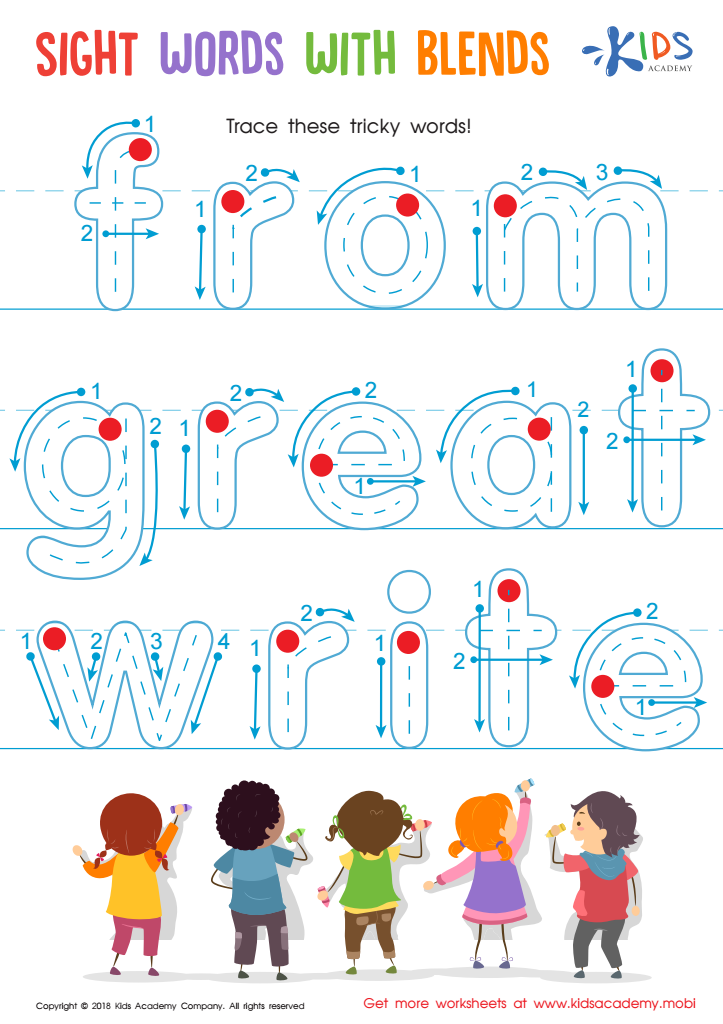
Sight Words with Blends Worksheet
 Assign to My Students











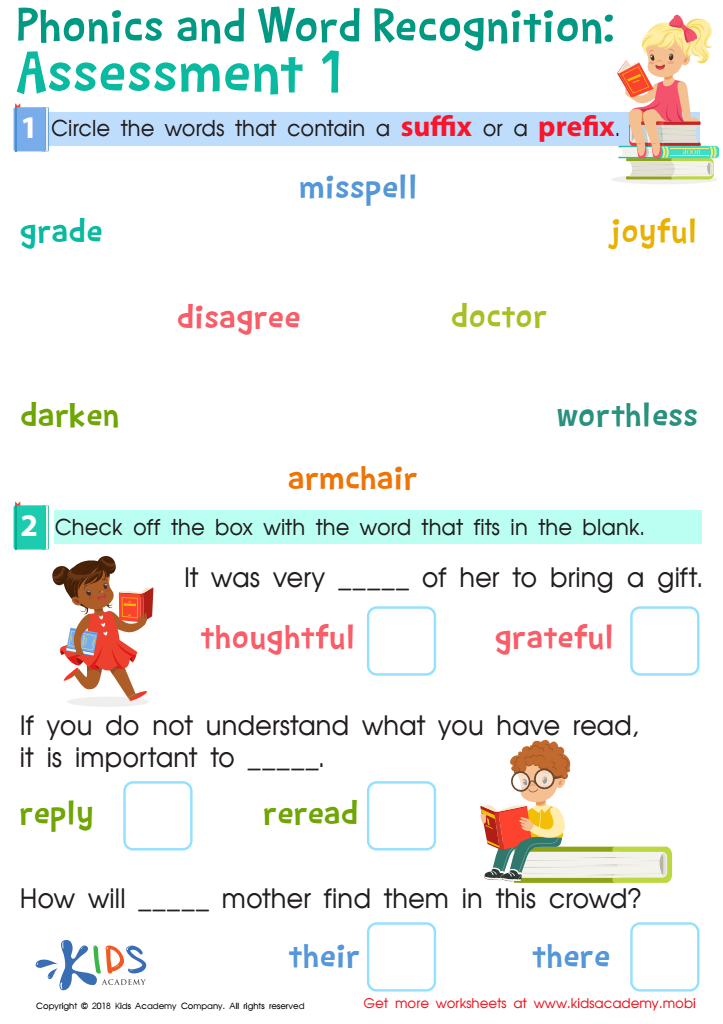
Phonics and Word Recognition: Assessment 1 Worksheet
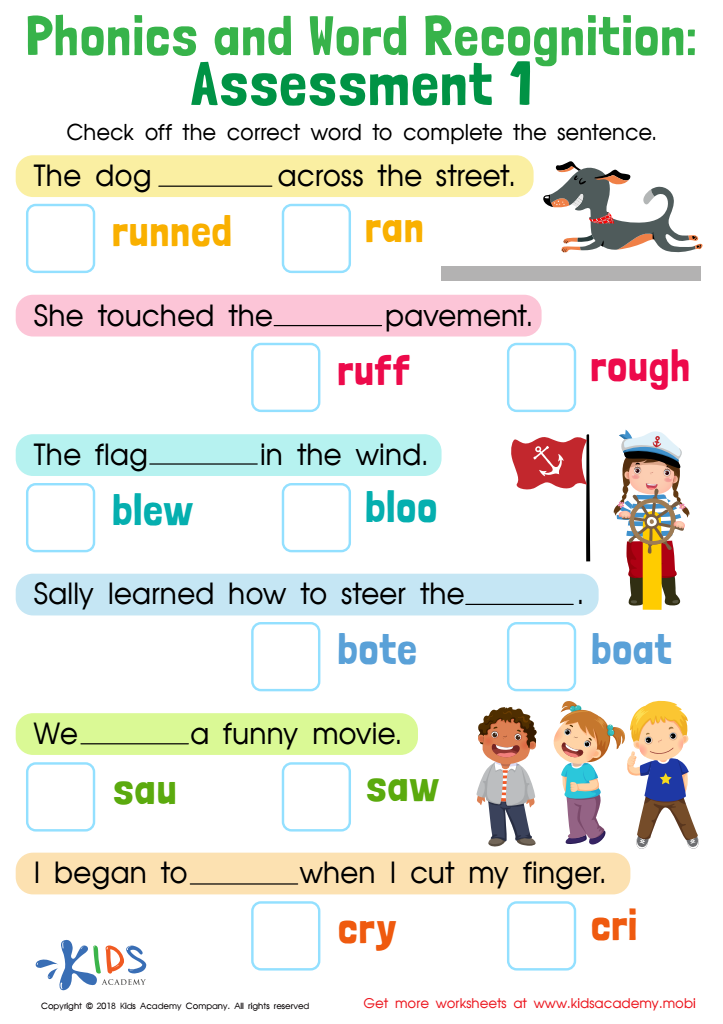
Phonics and Word Recognition: Assessment 1 Worksheet
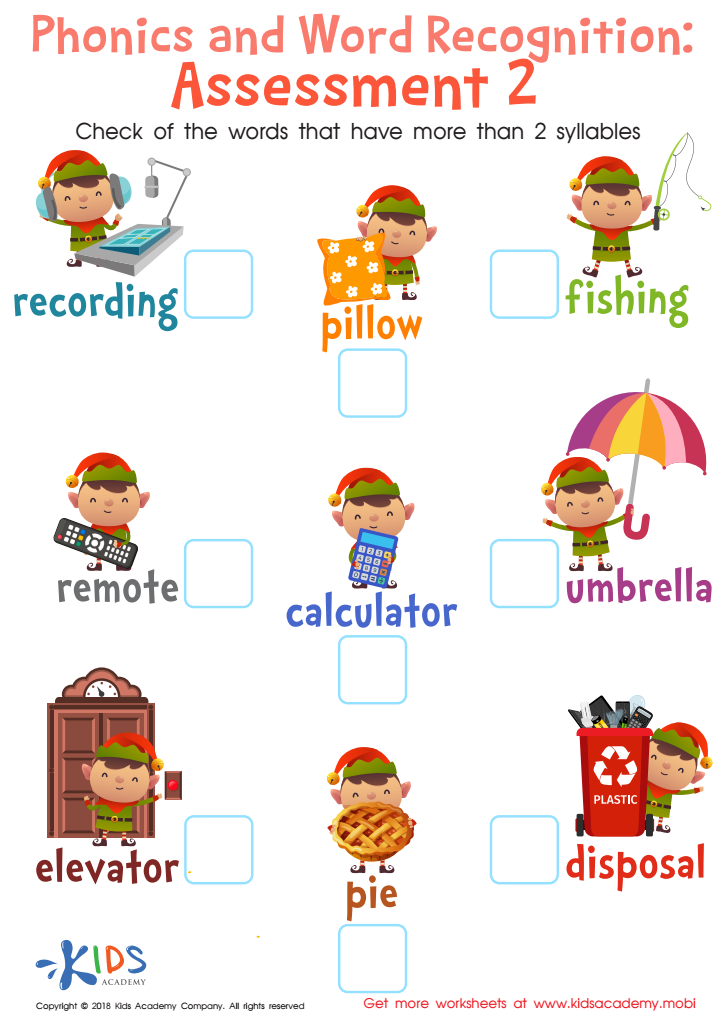
Phonics and Word Recognition: Assessment 2 Worksheet
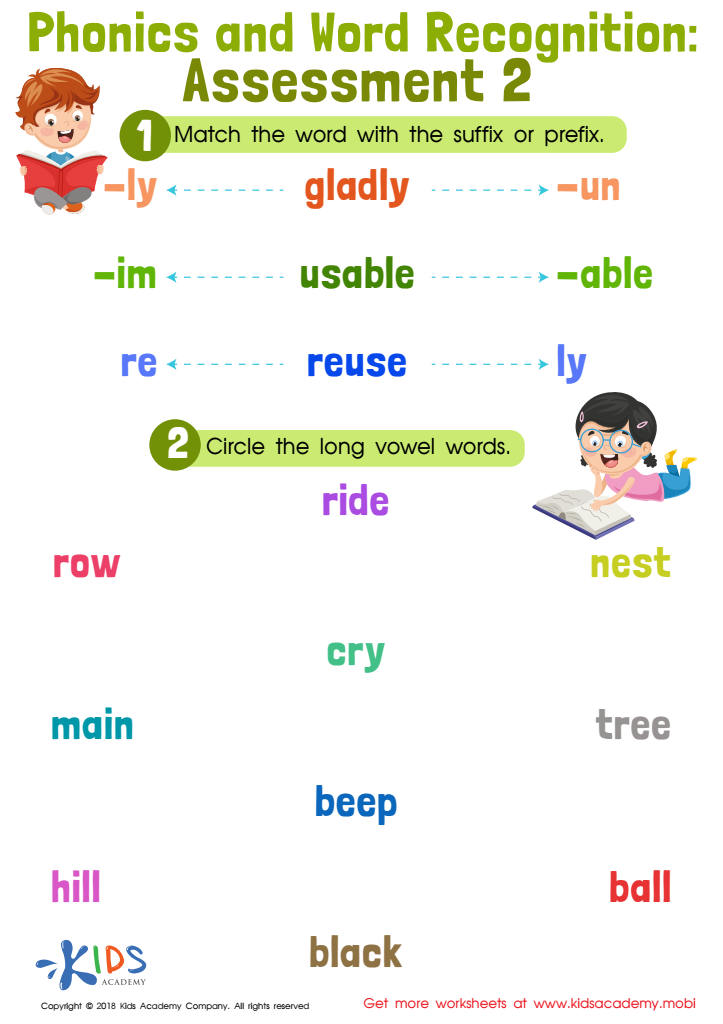
Phonics and Word Recognition: Assessment 2








Phonics recognition and vocabulary building are crucial components of early literacy development for children aged 3 to 9. Understanding phonics equips children with the skills to decode words, enabling them to read independently and confidently. This foundational skill not only enhances reading fluency but also fosters comprehension, allowing young learners to engage with stories and information critically.
Parents and teachers should prioritize phonics recognition because it lays the groundwork for lifelong reading habits. As children learn to connect sounds with letters and recognize word patterns, they build a stronger vocabulary, an essential tool for effective communication. A rich vocabulary enhances conversations, encourages expression of thoughts, and fuels academic success across subjects.
Additionally, early vocabulary building has a significant impact on a child’s cognitive development. It enhances their thinking, reasoning abilities, and comprehension skills. When children are exposed to a wide range of words and can recognize sounds, they are better prepared for the complexities of language encountered in school.
Moreover, engaging in phonics-based activities at home and in the classroom promotes bonding between caregivers and children, making learning enjoyable. Ultimately, prioritizing phonics and vocabulary skills sets the stage not just for reading, but for a brighter future filled with possibilities.








