Practice subtraction Building Vocabulary Worksheets for Ages 3-9
4 filtered results
-
From - To
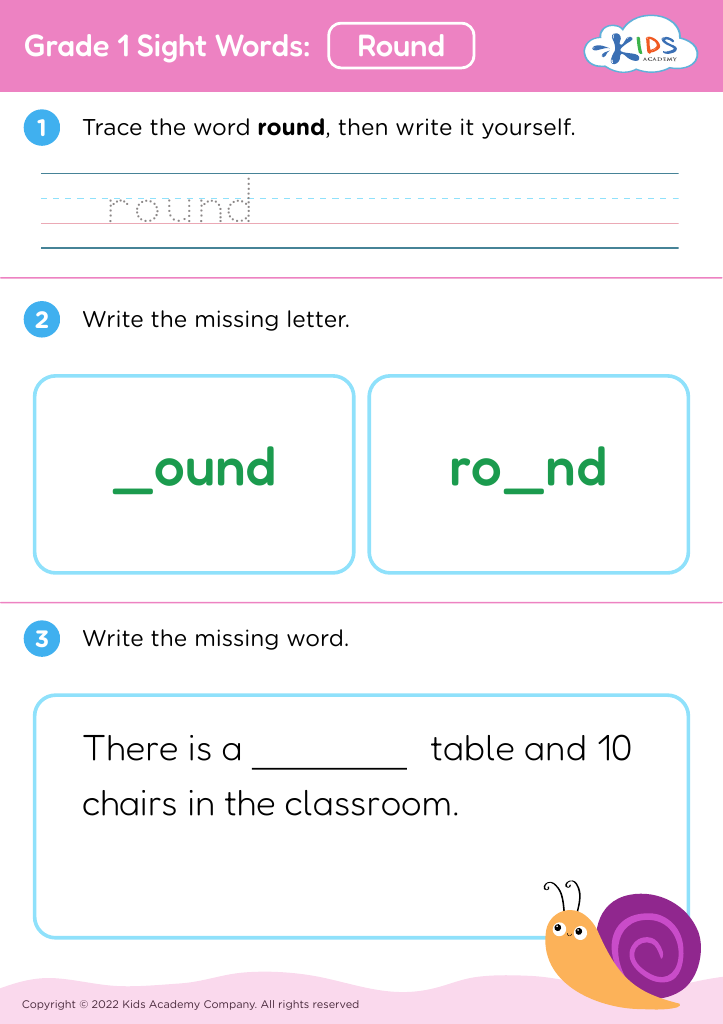
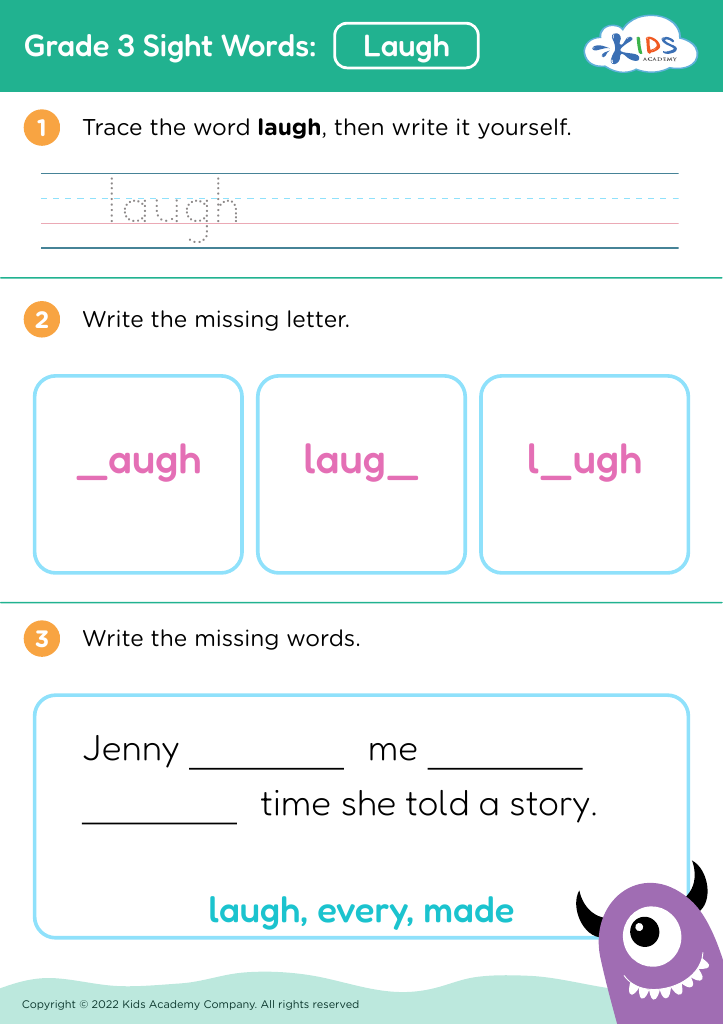
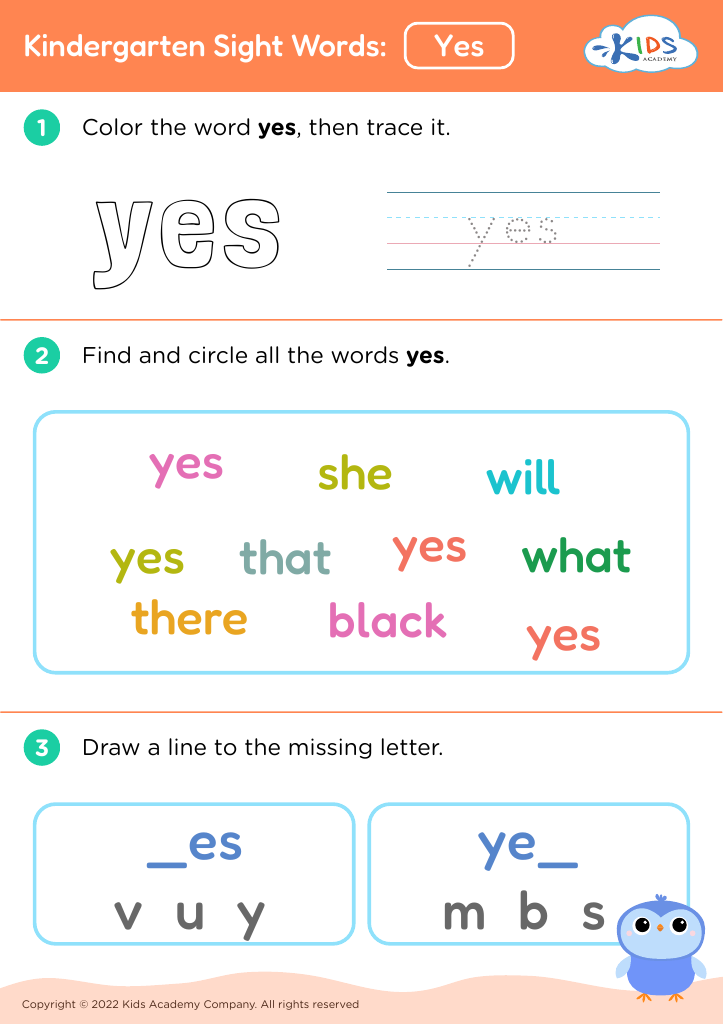
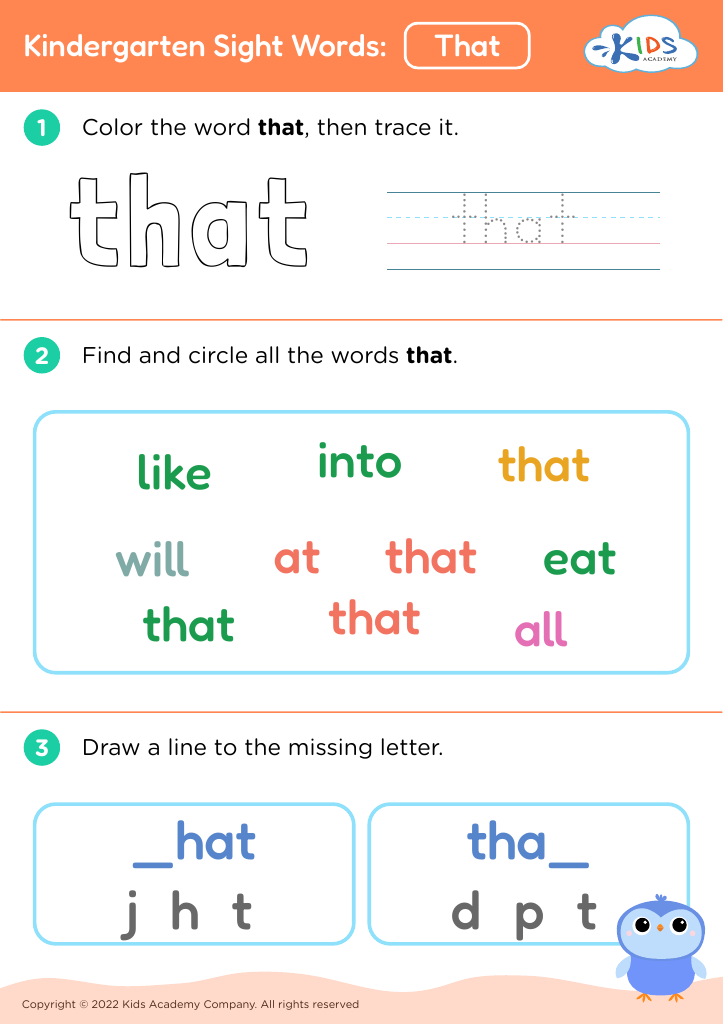
Discover the perfect blend of math and language with our "Practice Subtraction Building Vocabulary Worksheets for Ages 3-9." Tailored for young learners, these worksheets expertly combine subtraction exercises with vocabulary-building activities, helping kids strengthen both math and literacy skills. Engaging and educational, they're designed to make learning fun, fostering a love for numbers and words. Ideal for home or classroom use, our worksheets support skill development at a personalized pace. Equip your child with essential knowledge while they enjoy interactive lessons, ensuring they are adept in subtraction and have a robust vocabulary foundation.

















.jpg)

Parents and teachers play crucial roles in a child's early development, and focusing on both subtraction skills and building vocabulary for children ages 3-9 is essential for a well-rounded education. Subtraction is more than just a basic math skill; it introduces children to logical thinking and problem-solving. At young ages, grasping these foundational arithmetic concepts equips children with the tools necessary for more advanced mathematics later on.
Simultaneously, developing a robust vocabulary at an early age is paramount for effective communication and literacy. A broad vocabulary assists in comprehending new concepts, following instructions, and enhancing reading skills, which underpin academic success across subjects. When kids are familiar with mathematical terminologies and can express their understanding through words, it creates a richer learning environment.
By integrating subtraction practice with vocabulary building, children learn to articulate their mathematical thinking, leading to deeper cognitive development. For instance, describing strategies to solve subtraction problems reinforces their conceptual clarity and boosts confidence. This dual focus not only strengthens academic skills but also encourages a curious mindset, preparing children for a successful, lifelong learning journey. Therefore, parents and teachers should prioritize these intertwined areas to give children a strong foundation for future learning challenges.








