Recognizing Patterns Building Vocabulary Worksheets for Ages 3-9
5 filtered results
-
From - To
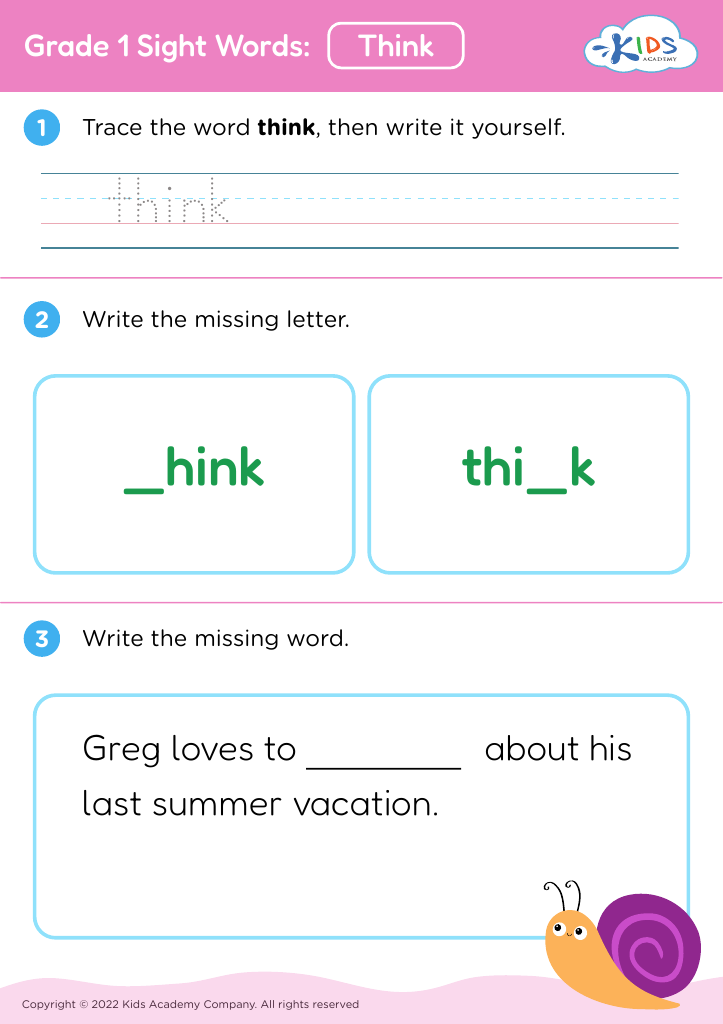
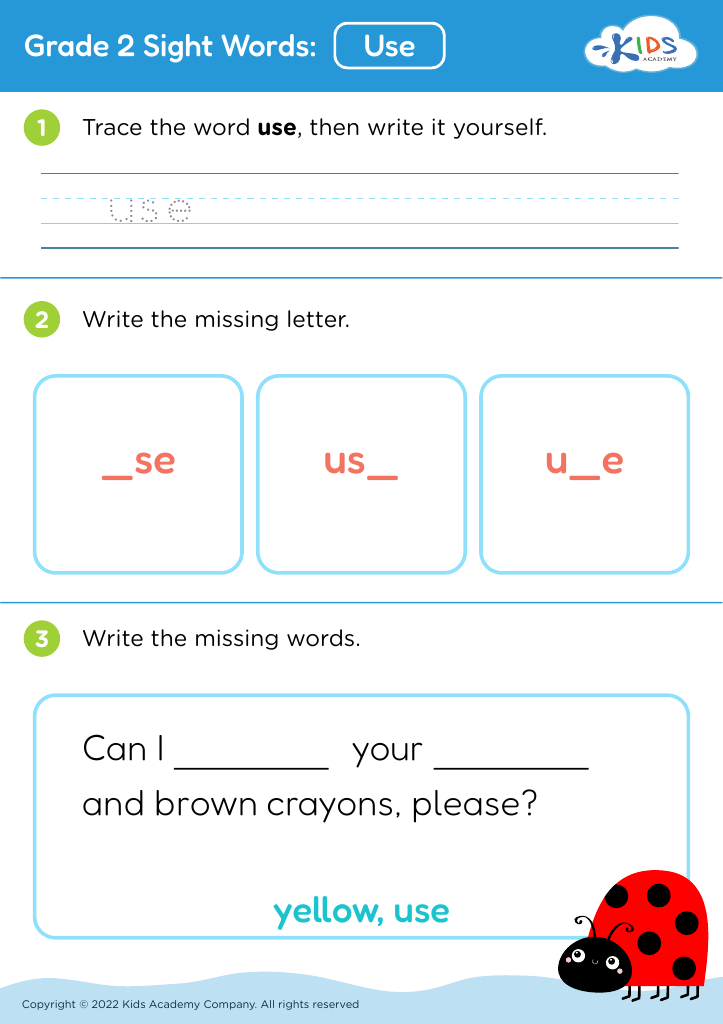
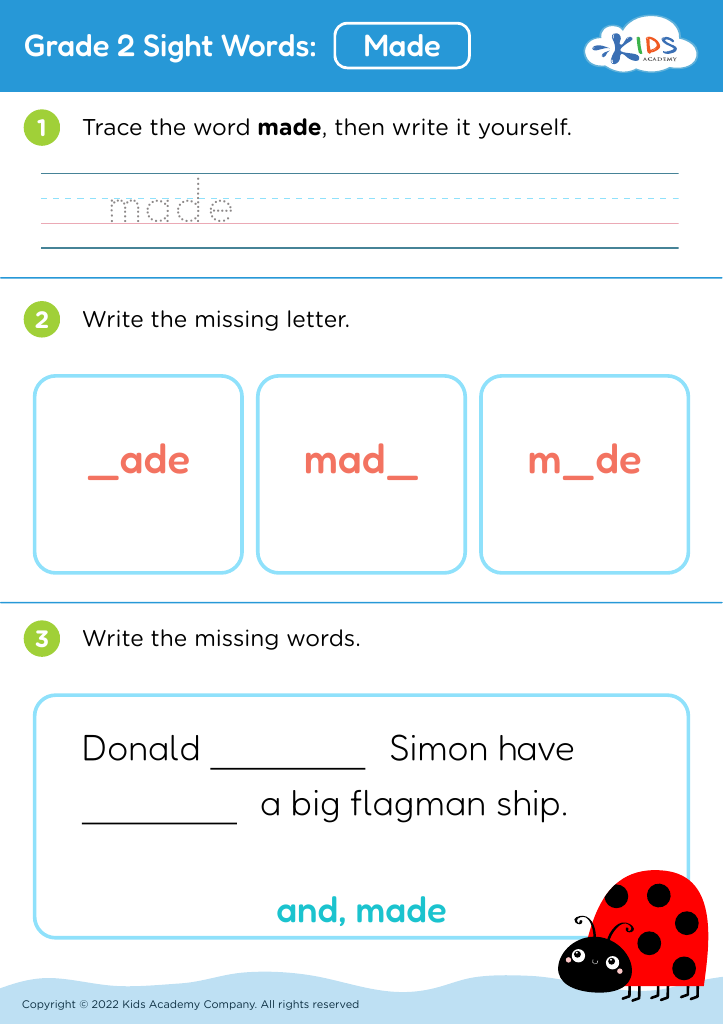
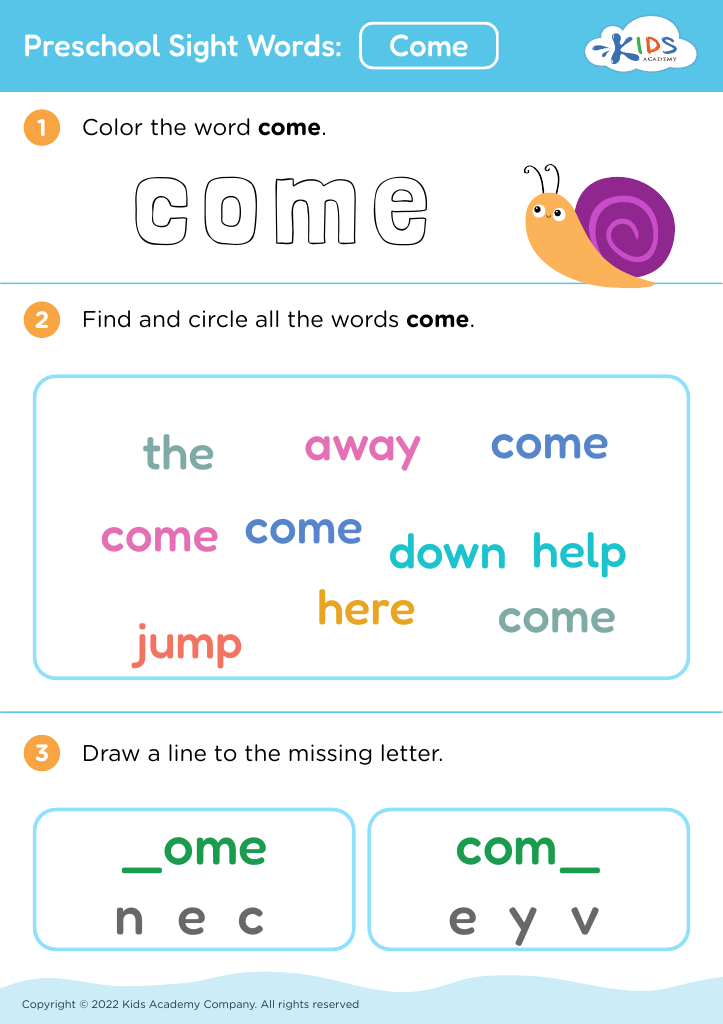
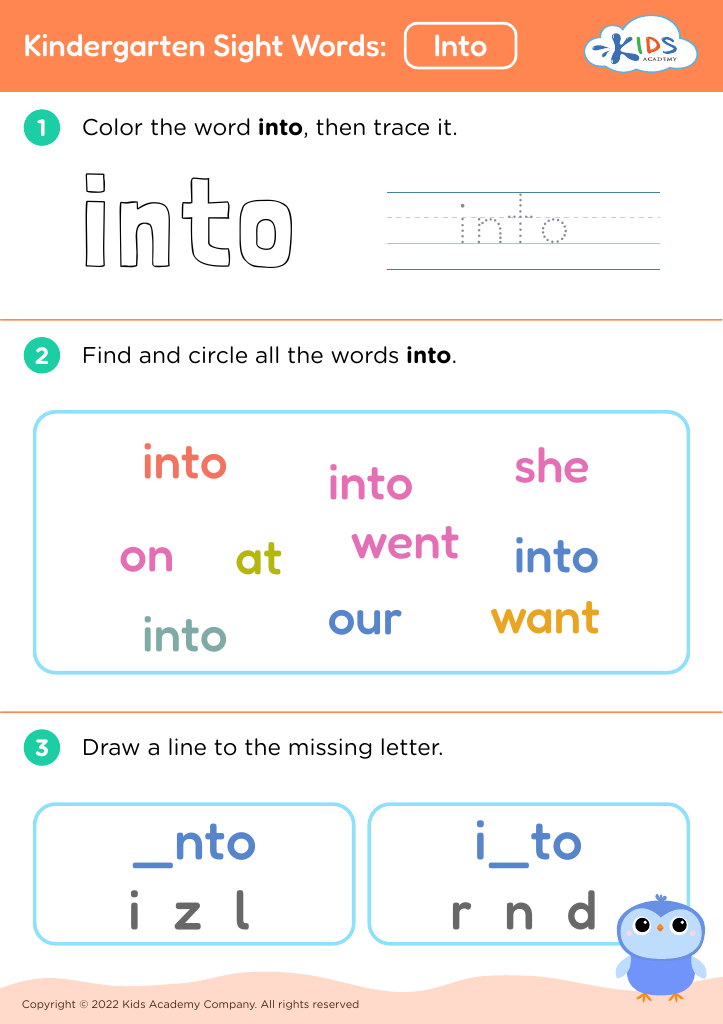
Unlock your child's potential with our "Recognizing Patterns Building Vocabulary Worksheets" designed for ages 3-9! These engaging worksheets help young learners identify and understand patterns, enhancing their vocabulary and reading skills. By integrating fun activities with essential learning concepts, children can seamlessly connect letters, words, and phrases while improving their cognitive abilities. Perfect for at-home learning or classroom settings, these worksheets encourage critical thinking and creativity. Watch as your child develops a love for learning through interactive exploration and playful practice. Strengthening their vocabulary has never been this enjoyable! Start your journey to brighter literacy skills today!


















.jpg)
Recognizing patterns and building vocabulary are crucial developmental skills for children aged 3 to 9. Understanding patterns helps children make connections between concepts, leading to improved problem-solving skills and enhanced logical thinking. For example, when children recognize patterns in numbers or shapes, they build a strong foundation for later mathematical understanding. Additionally, pattern recognition enhances memory, as children learn to anticipate what comes next, fostering a sense of curiosity and engagement in their learning experiences.
Building vocabulary at this young age also plays a significant role in cognitive development. A rich vocabulary improves comprehension and expressive communication, empowering children to articulate their thoughts and feelings effectively. It encourages them to ask questions, share experiences, and explore new ideas, laying the groundwork for literacy skills essential for success in school and beyond.
Parents and teachers should care deeply about these skills as they not only influence academic achievement but also social and emotional growth. Engaging in activities that promote pattern recognition and vocabulary enrichment – such as storytelling, puzzles, and games – can significantly contribute to a child's overall development. Nurturing these skills now sets children on a path toward becoming confident, capable learners.








