Shape Recognition Building Vocabulary Worksheets for Ages 3-9
7 filtered results
-
From - To
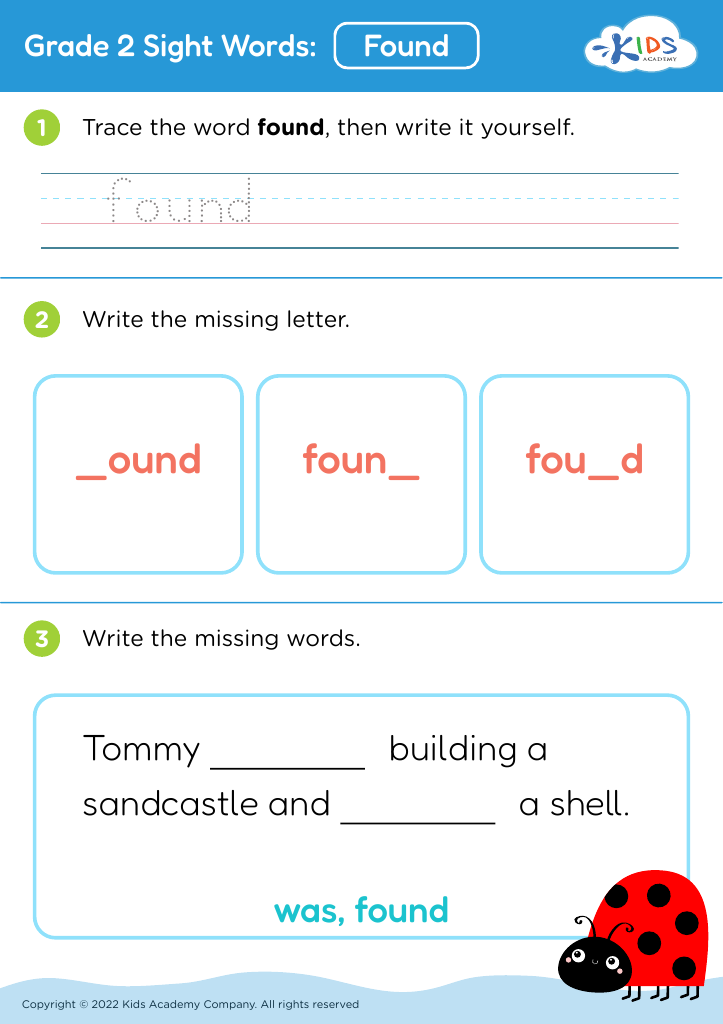
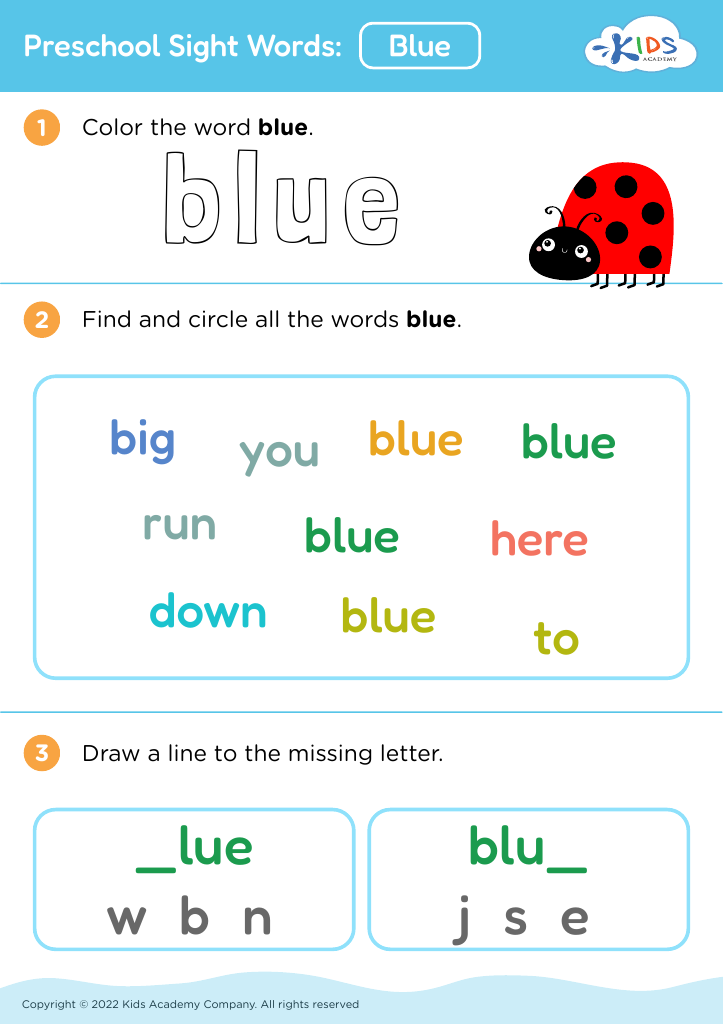
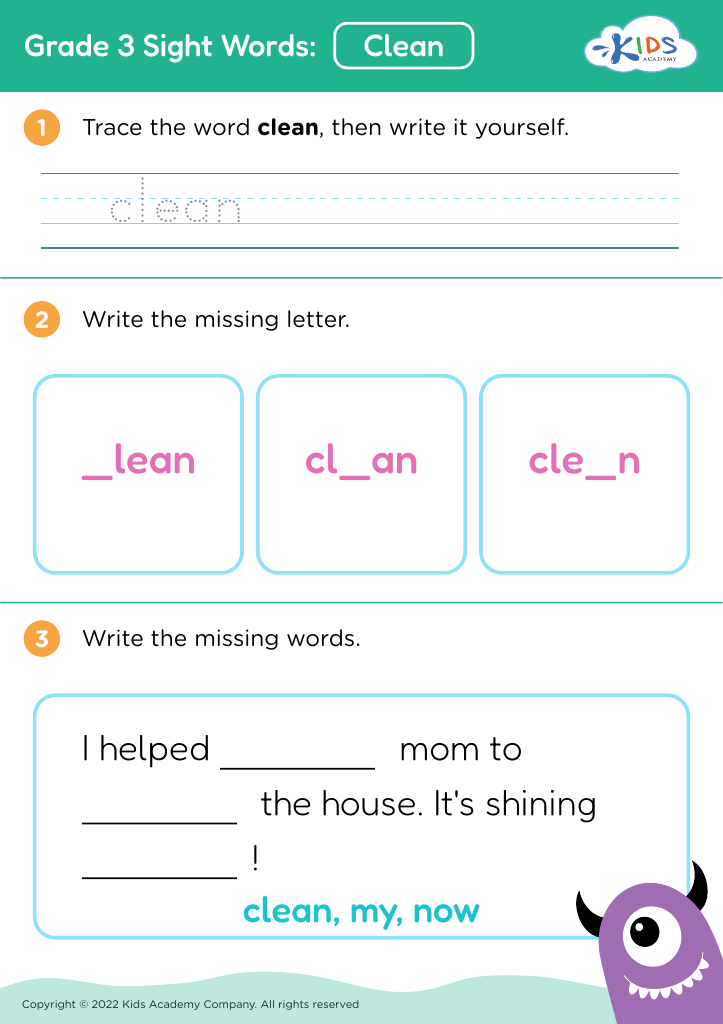
Unlock your child’s potential with our Shape Recognition Building Vocabulary Worksheets designed for ages 3-9! These engaging worksheets are crafted to enhance shape identification and vocabulary skills through fun, interactive activities. Perfect for toddlers and early learners, each worksheet focuses on key shapes while promoting language development. Children will enjoy colorful illustrations and captivating tasks that make learning shapes a joyous experience. Ideal for parents and teachers alike, these resources support early childhood education and help cultivate essential developmental skills. Visit us today to access a world of engaging learning tools that inspire creativity and confidence in young learners!



















Shape recognition and building vocabulary are foundational skills crucial for children aged 3-9. First, recognizing shapes plays a key role in early math development. As children identify shapes—like circles, squares, and triangles—they begin to understand spatial relationships, which significantly enhances their problem-solving abilities and prepares them for more complex mathematical concepts later.
Moreover, linking shape recognition with vocabulary building enriches children's language skills. As they learn words to describe various shapes and their attributes—like "round," "sharp," or "flat"—they expanding their communicative abilities and enhancing their overall cognitive development. This vocabulary becomes essential for expressing thoughts and understanding their environment.
Additionally, shape recognition and vocabulary are interrelated in play-based learning. Activities involving blocks, puzzles, or arts and crafts foster creativity and critical thinking while simultaneously introducing new terms.
Finally, early shape recognition and vocabulary development lay the groundwork for future learning. Children who are proficient in these areas are more likely to excel in reading, writing, and math, setting a strong foundation for academic success. Thus, both parents and teachers should prioritize these skills to support holistic development in early learners, ensuring they gain confidence and a robust set of tools for future challenges.








