Understanding fractions Building Vocabulary Worksheets for Ages 3-9 - Page 3
58 filtered results
-
From - To











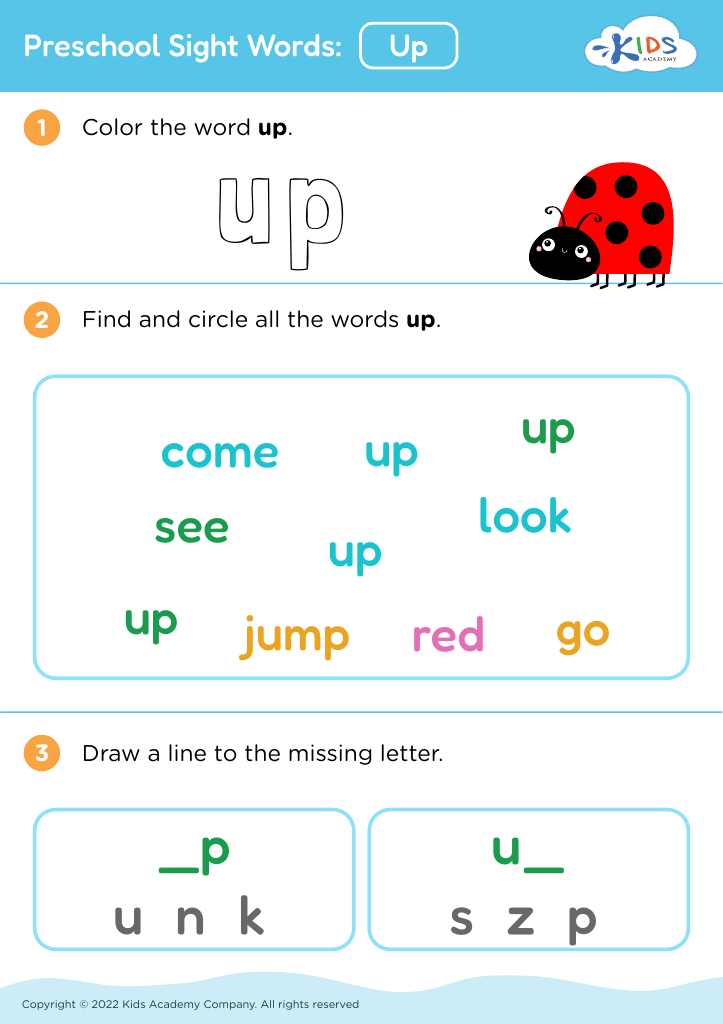
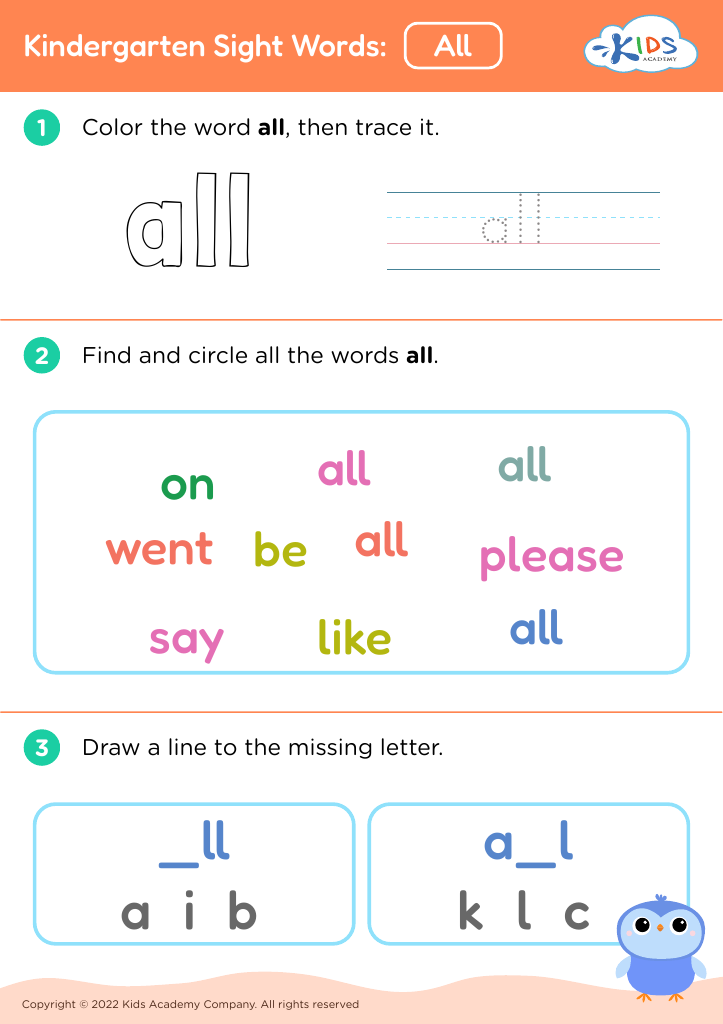







.jpg)
Understanding fractions and building vocabulary are foundational skills essential for young children's future academic success.
Firstly, fractions are the building blocks of more complex mathematical concepts. Introducing kids to fractions at an early age gives them a stronger grasp of numbers and problem-solving skills. When children practice dividing objects, such as pizza slices or segments of a chocolate bar, they learn to see and understand parts of a whole, an ability crucial for more advanced math in later years.
Vocabulary development, on the other hand, is integral to a child's cognitive and linguistic growth. A rich vocabulary aids in better reading comprehension and effective communication. By expanding a child's vocabulary early on, parents and teachers equip them with the tools needed to express their ideas clearly and think critically. This skill is important not just for language arts but also across all subjects, including science and social studies, where specific terminology often contributes to better understanding.
Moreover, working on these areas together can make learning more engaging for young children. For instance, storybooks that incorporate fractions or vocabulary games that introduce new words in a fun context can make attention-focused tasks enjoyable. Therefore, investing time and effort into understanding fractions and building vocabulary sets a strong foundation for lifelong learning and academic achievement.








