Vocabulary development Building Vocabulary Worksheets for Ages 3-9
14 filtered results
-
From - To
Enhance your child's language skills with our engaging Vocabulary Development Building Worksheets, designed for ages 3-9. These interactive worksheets focus on expanding vocabulary through fun activities, helping little learners explore new words and common themes. Each worksheet incorporates colorful illustrations and age-appropriate exercises, promoting comprehension and retention in a playful manner. From matching words to pictures to fill-in-the-blanks, our resources cater to various learning styles while nurturing creativity and critical thinking. Perfect for classrooms or home learning, these worksheets empower young readers to express themselves confidently and build a strong foundation for future literacy skills. Discover the joy of vocabulary development today!
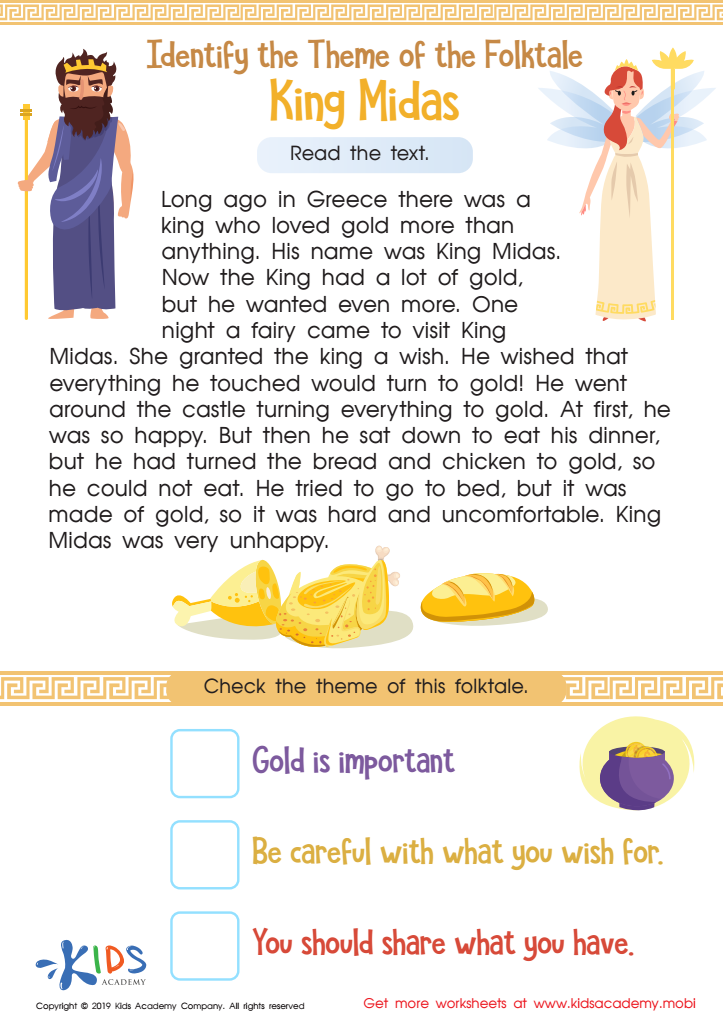
King Midas Worksheet
 Assign to My Students











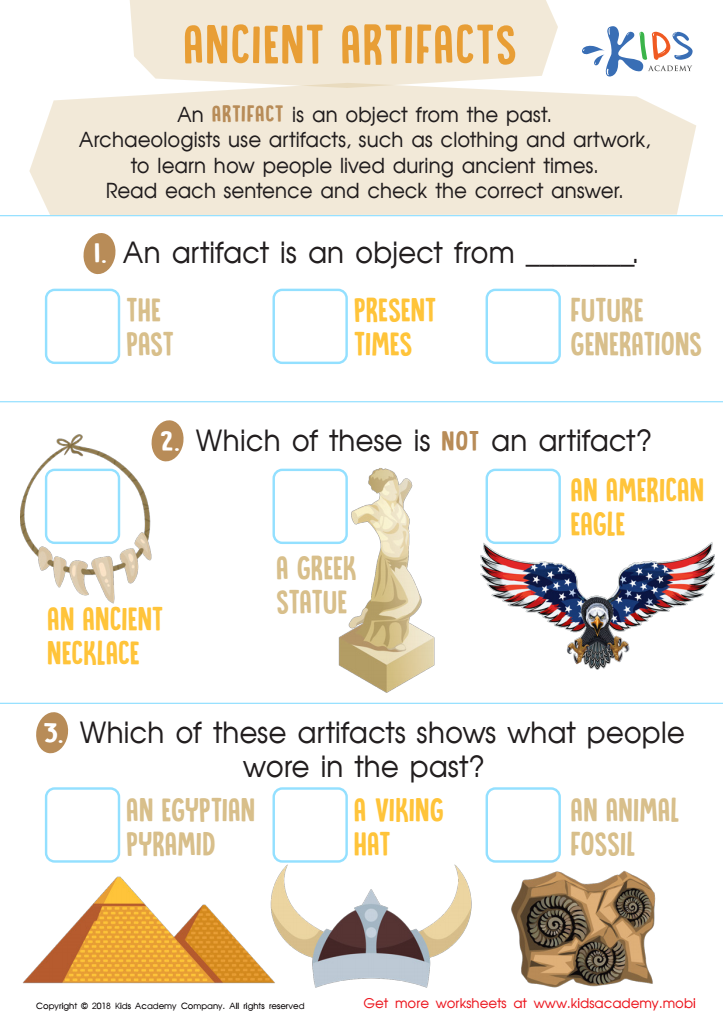
Ancient Artifacts Worksheet
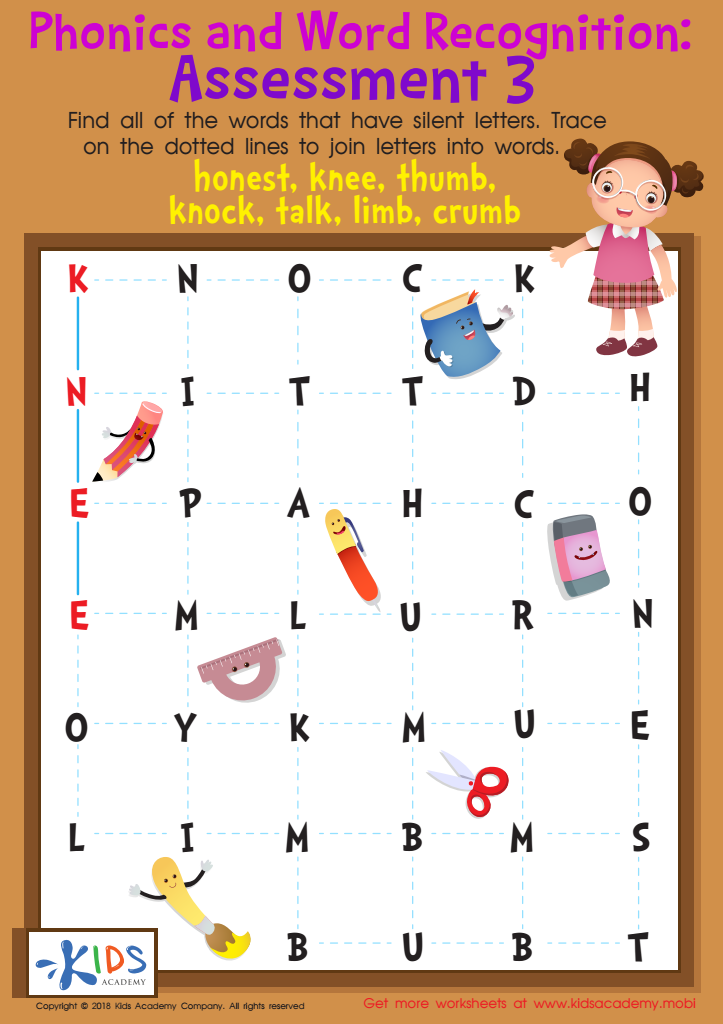
Phonics and Word Recognition: Assessment 3 Worksheet
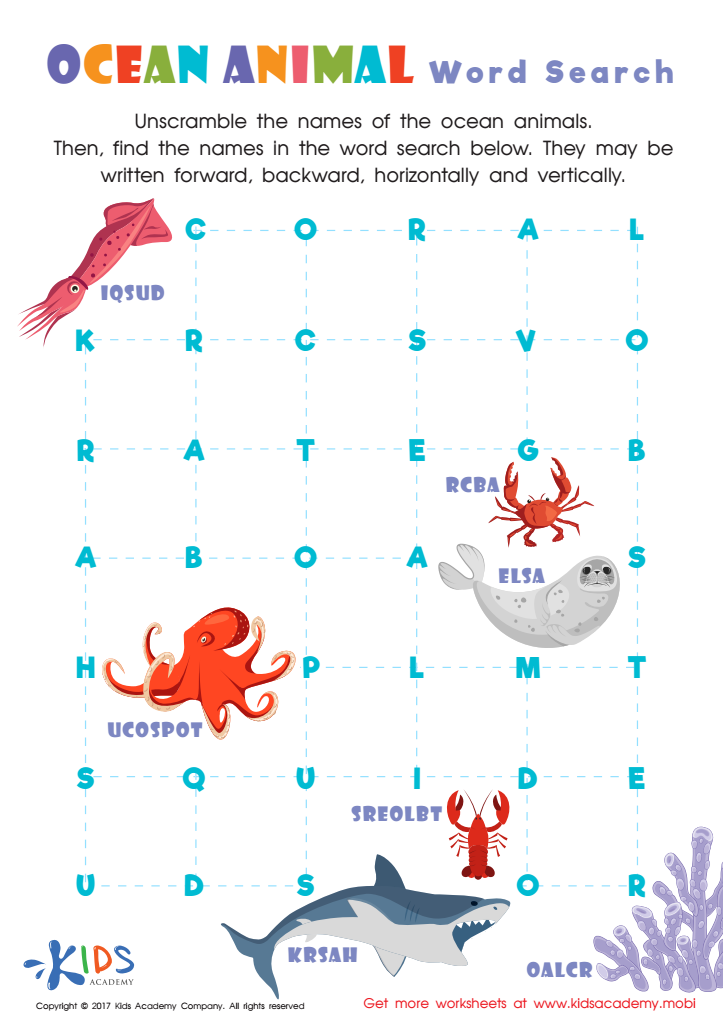
Ocean Animals Word Search Printable
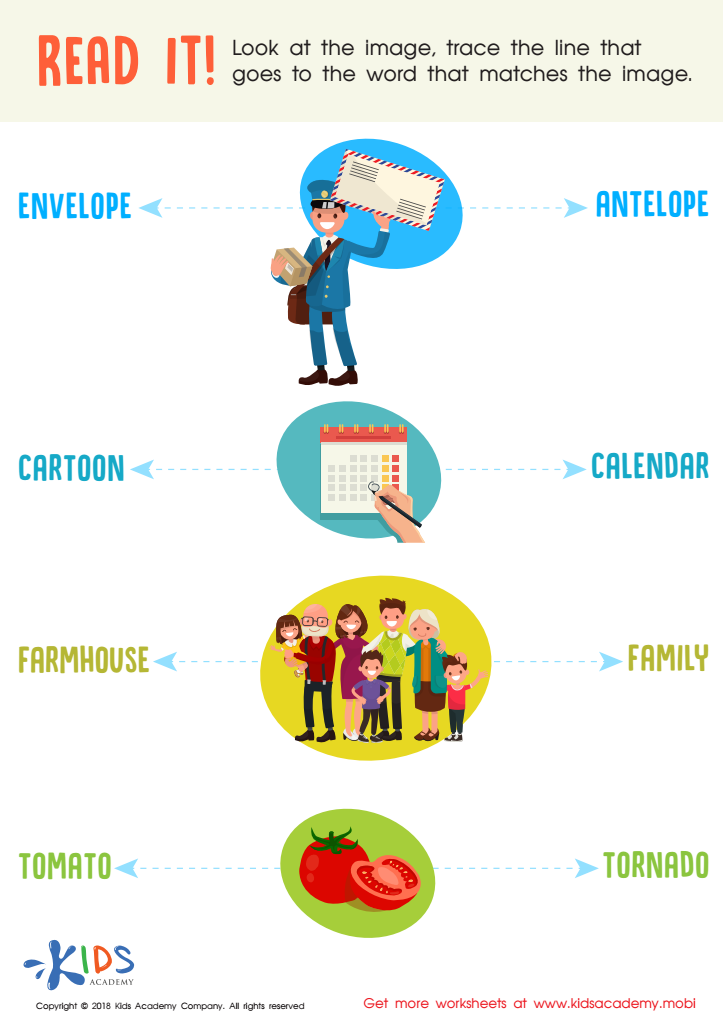
Read It! Worksheet
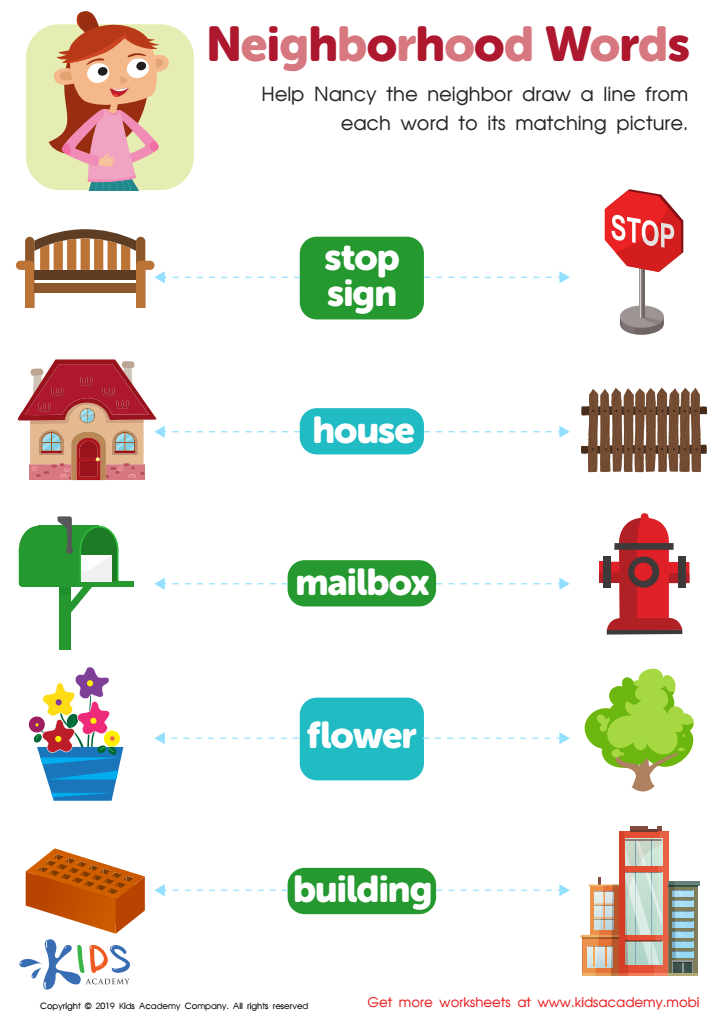
Neighborhood Words Worksheet
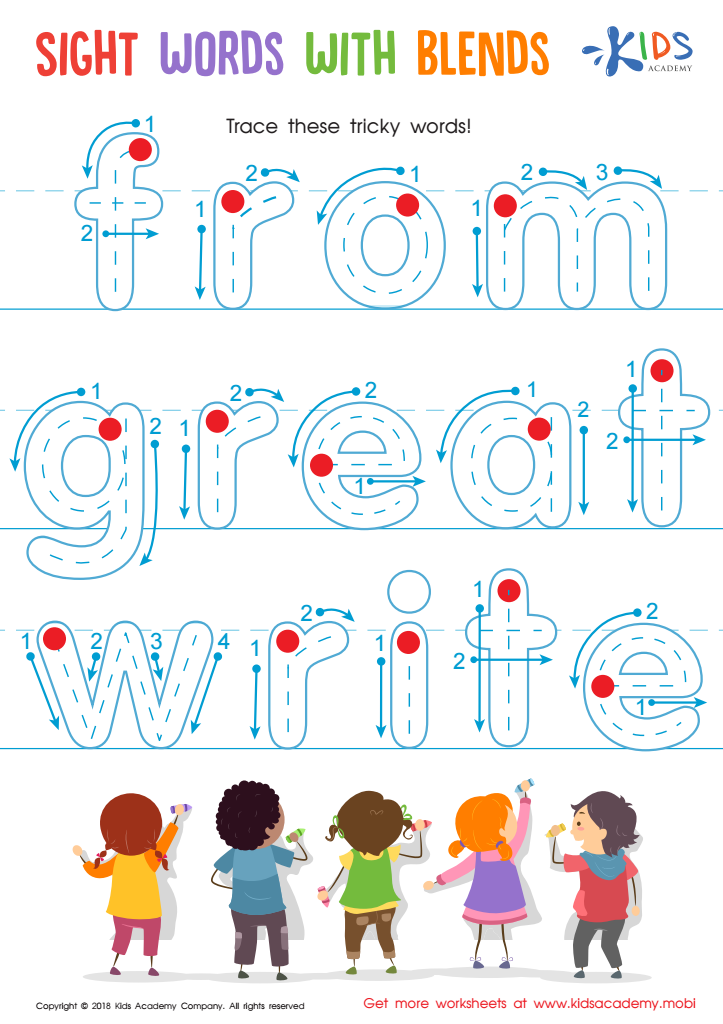
Sight Words with Blends Worksheet
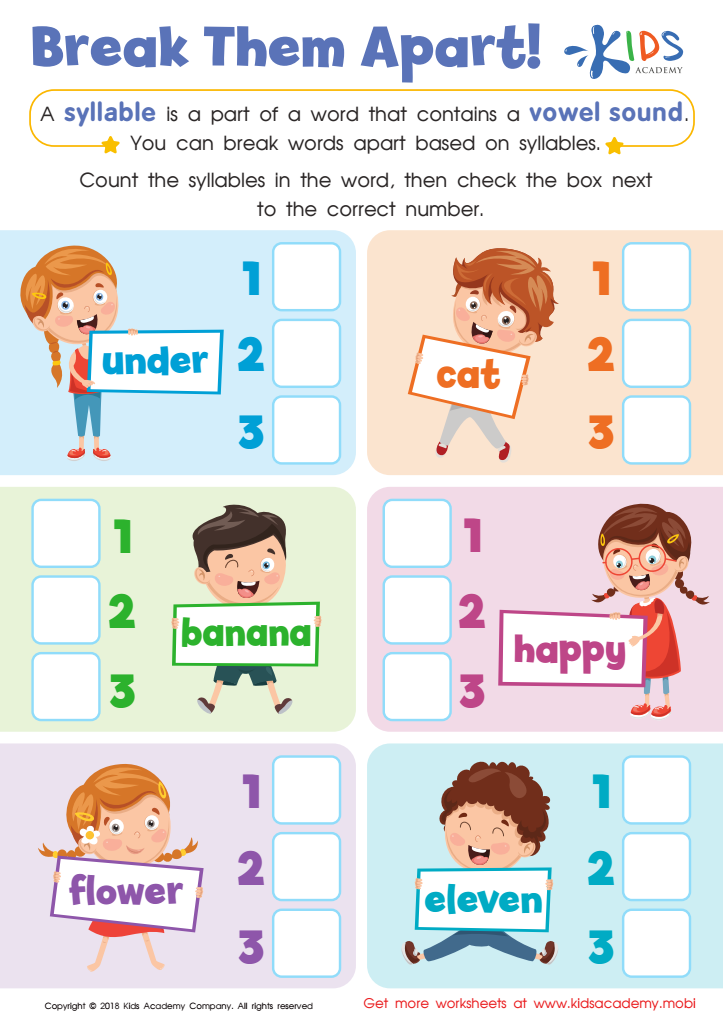
Reading: Break Them Apart Worksheet
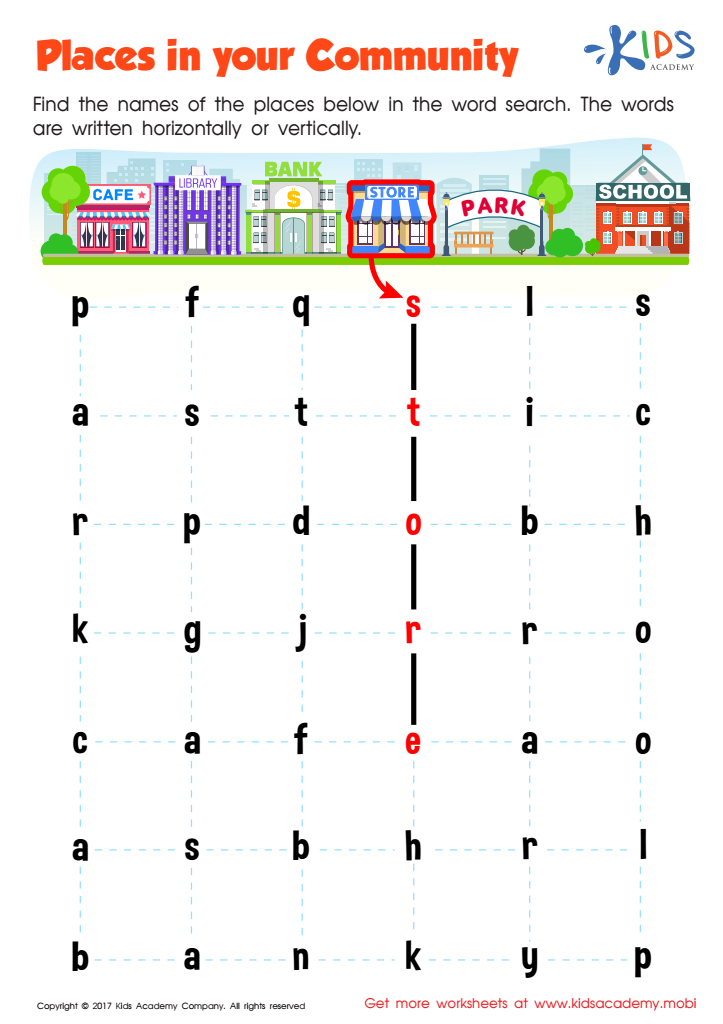
Places in Your Community Worksheet
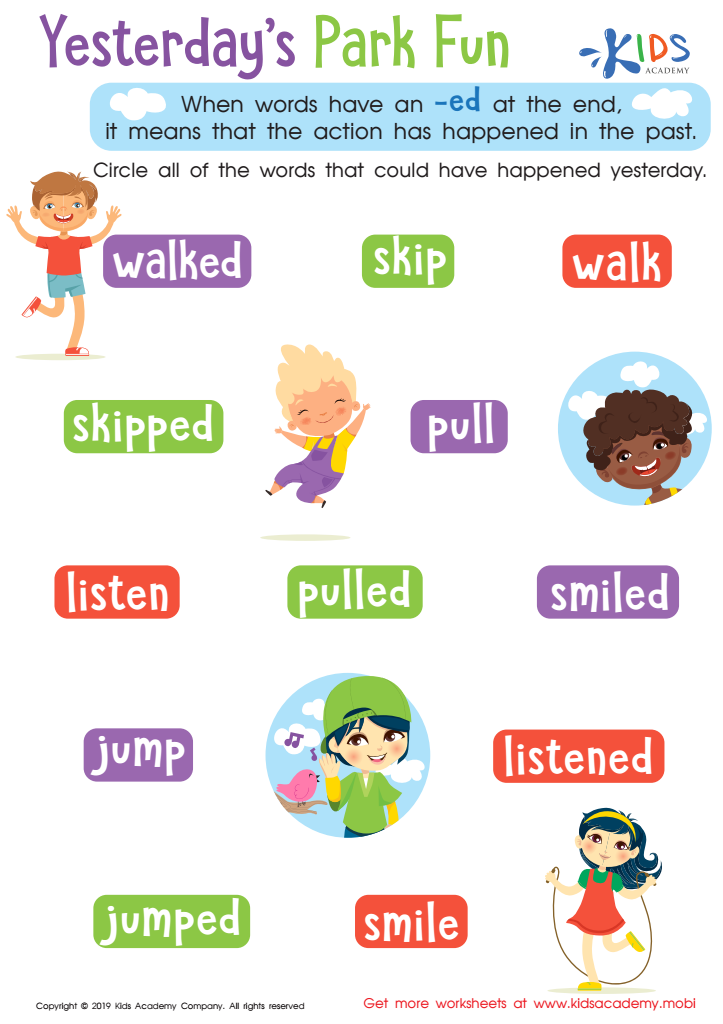
Yesterday's Park Fun Worksheet
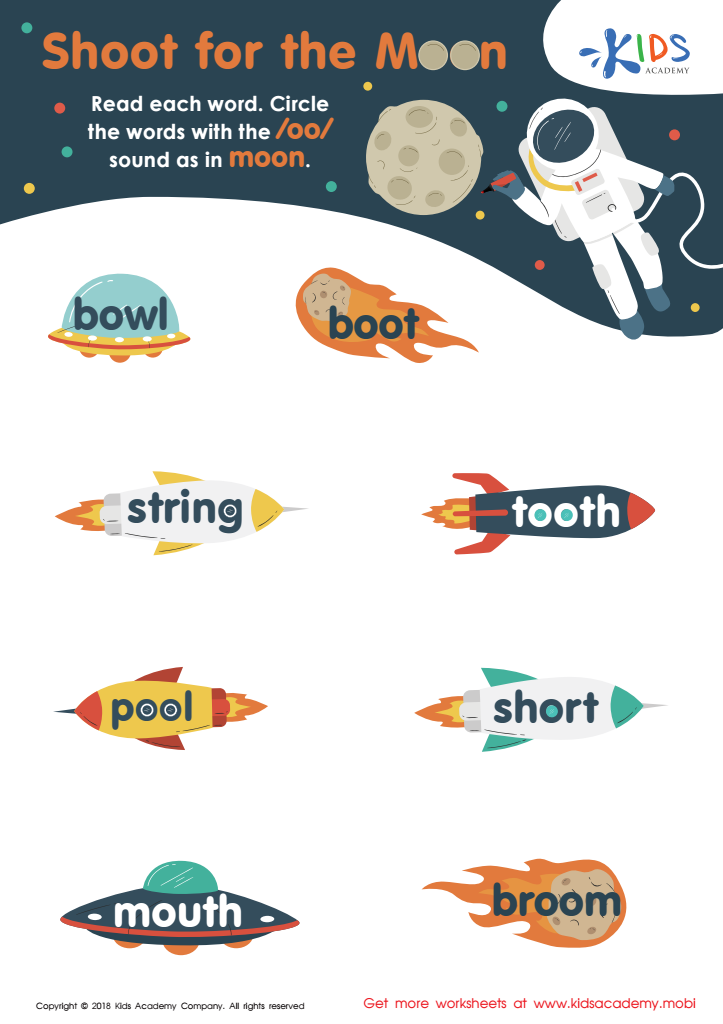
Reading: Shoot for the Moon Worksheet
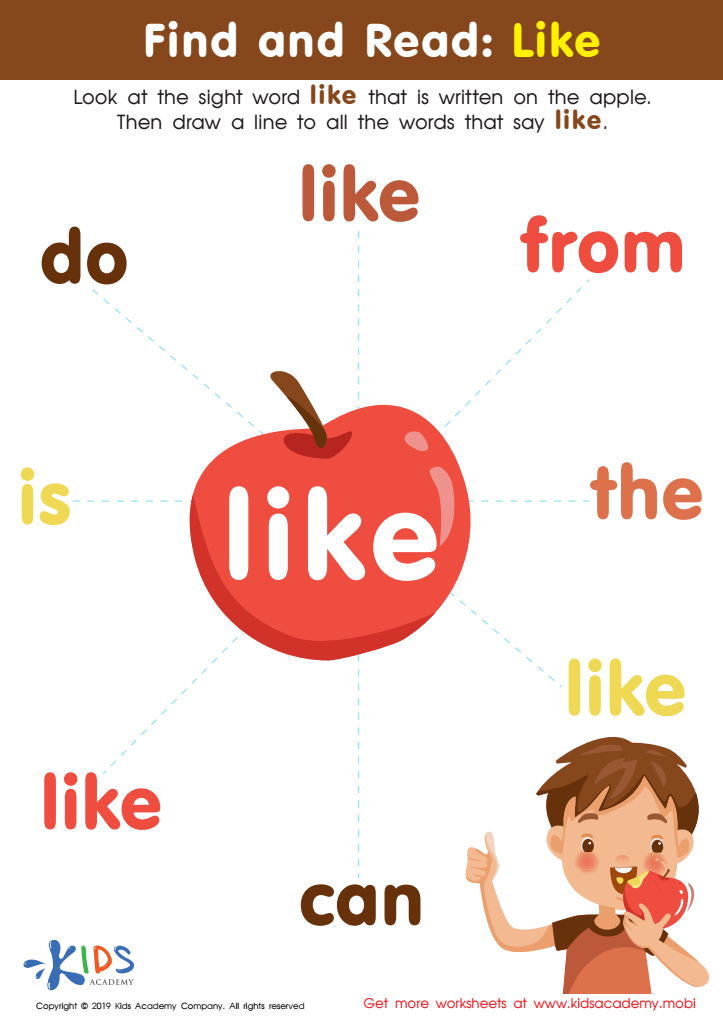
Find and Read: Like Worksheet
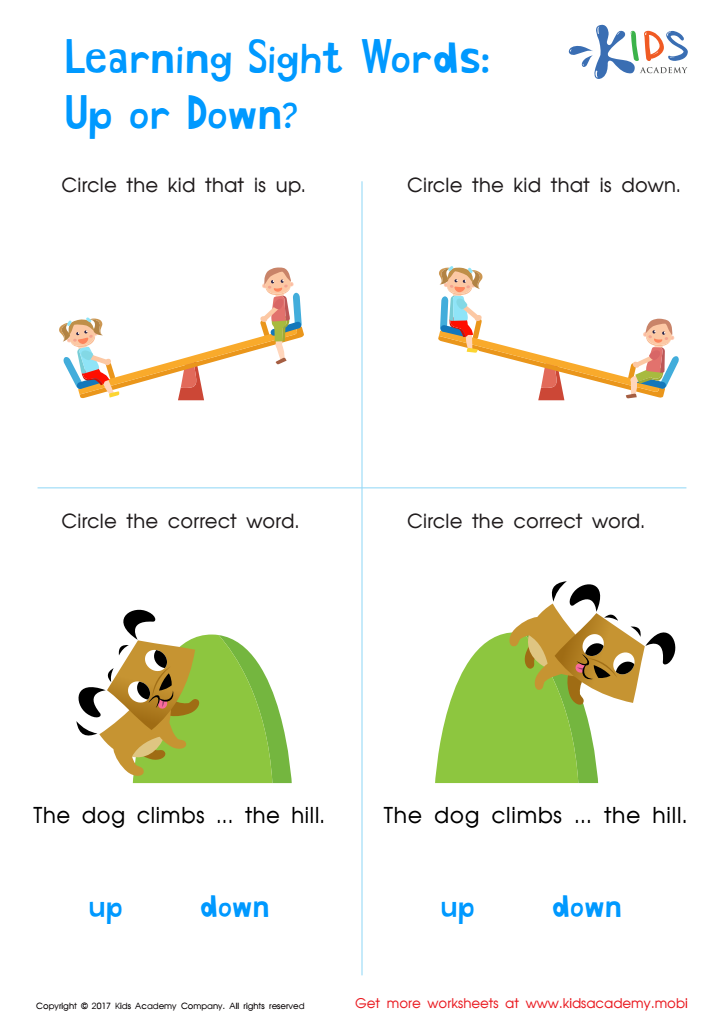
Up or Down Printable Sight Words Worksheet
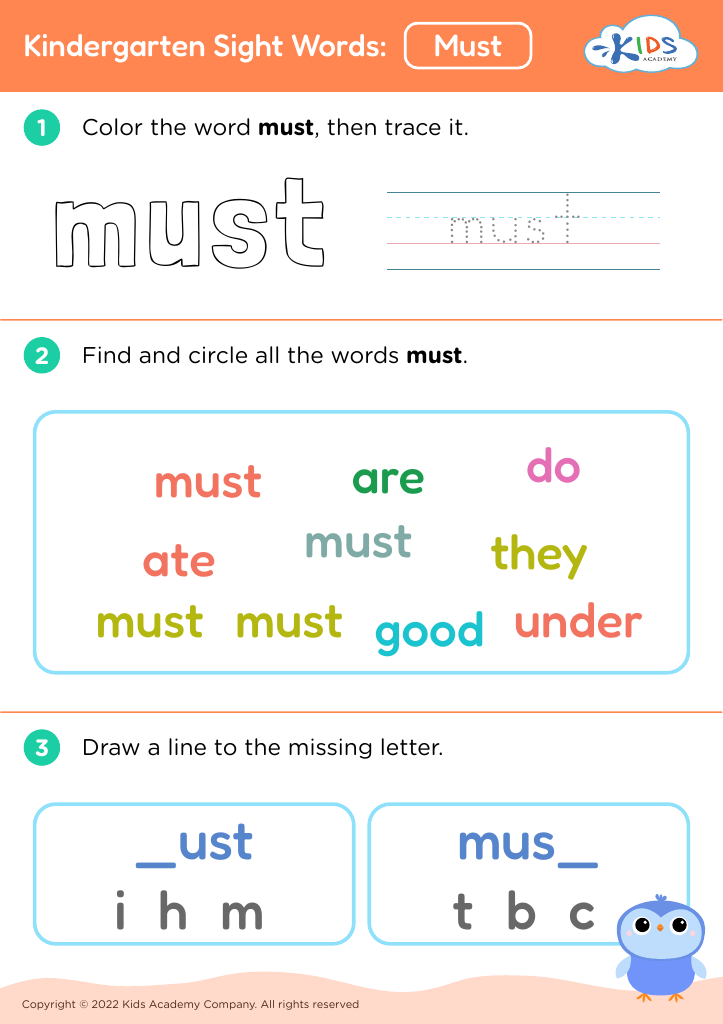







.jpg)
Vocabulary development is crucial for children aged 3-9, as it forms the foundation for effective communication and critical thinking skills. During these formative years, young learners are rapidly acquiring language, making it essential for parents and teachers to prioritize vocabulary building. A rich vocabulary enhances a child's ability to express their thoughts and emotions, facilitating more meaningful interactions with others.
Moreover, a strong vocabulary is linked to academic success. Children with an extensive language base are better equipped to understand complex concepts in subjects like reading, science, and mathematics. Additionally, early vocabulary exposure can foster reading comprehension skills, setting the stage for a lifetime of learning.
Engaging in vocabulary-building activities, such as reading together, playing word games, or discussing diverse topics, not only enriches a child’s lexical range but also strengthens their confidence in using language. It's also important for social development—children who communicate effectively are more likely to build strong relationships with peers and adults.
Ultimately, investing in vocabulary development lays the groundwork for lifelong learning, emotional intelligence, and social skills, making it a priority for parents and teachers alike in nurturing well-rounded, articulate individuals.








