
Artistic Expression Reading Worksheets for Ages 3-9
8 filtered results
Difficulty Level
Grade
Age
-
From - To
Subject
Activity
Standards
Discover our engaging "Artistic Expression Reading Worksheets" designed for children aged 3-9! These interactive worksheets combine literacy and creativity, encouraging young learners to explore their imaginations while enhancing their reading skills. Through fun activities like drawing, coloring, and storytelling, kids will develop their comprehension, vocabulary, and artistic talents in a playful environment. Our captivating worksheets are aligned with educational standards and are perfect for both home and classroom learning. Foster a love for reading and self-expression in your child with our thoughtfully crafted resources. Start your artistic adventure today and watch young minds flourish through the joy of creativity and literacy!
Favorites
With answer key
Interactive
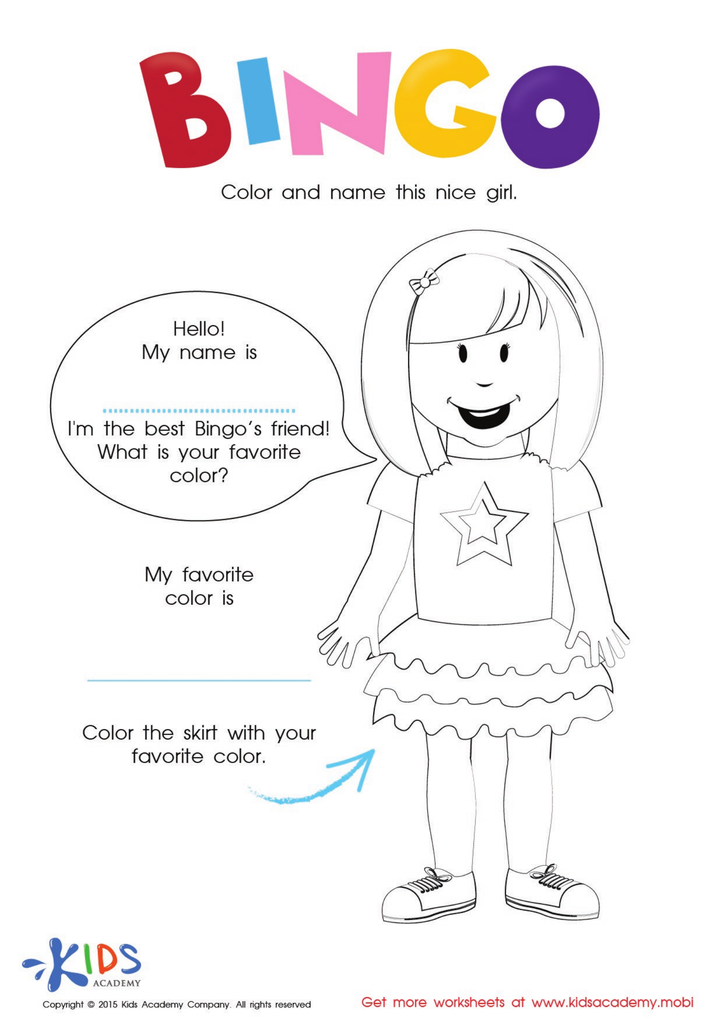
The Bingo Song: Coloring The Girl Worksheet
Revise colors with your kids using our free "Bingo" worksheet. Ask them to come up with a name for the girl, then have them answer her question about favorite colors and spell them out. They can even color her skirt with the colors they chose. Explore more fun worksheets at our website – they'll fascinate your kids and help them learn!
The Bingo Song: Coloring The Girl Worksheet
Worksheet
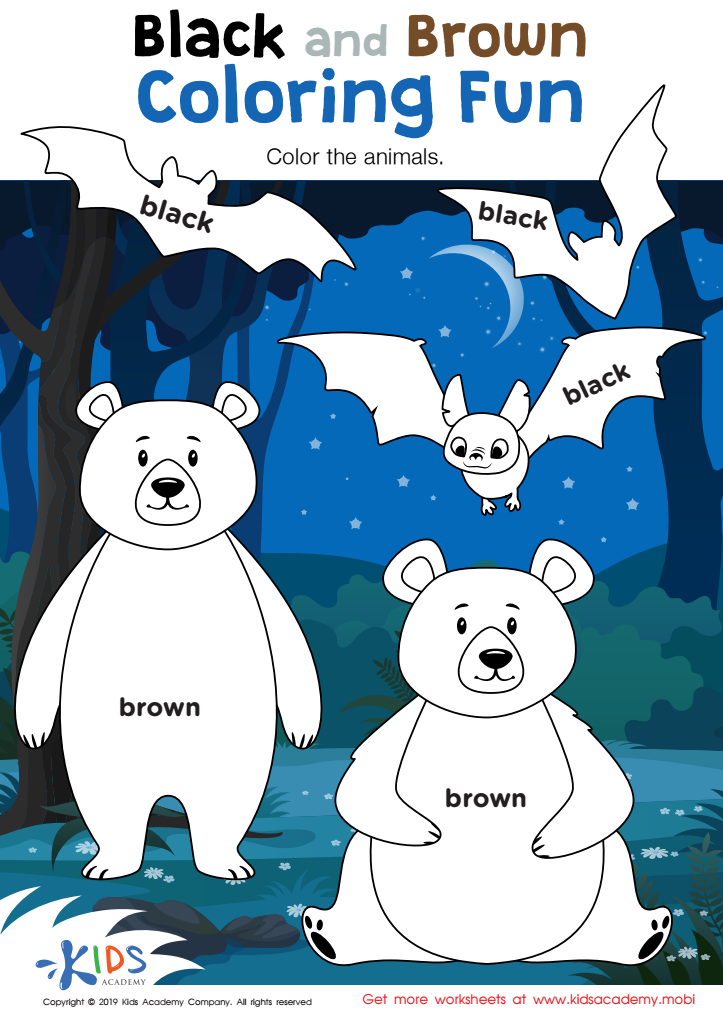
Black and Brown Coloring Fun Worksheet
Young readers can learn the difference between black and brown with this free, downloadable worksheet. The page features coloring activities: students color bears brown and bats black. This helps children learn to read color words by sight, as they are among the first reading experiences for young ones. But black and brown can be tricky as they start with the same consonant sound. This worksheet will help clear up any confusion.
Download (PDF)
 Assign to My Students
Assign to My Students
Black and Brown Coloring Fun Worksheet
Worksheet
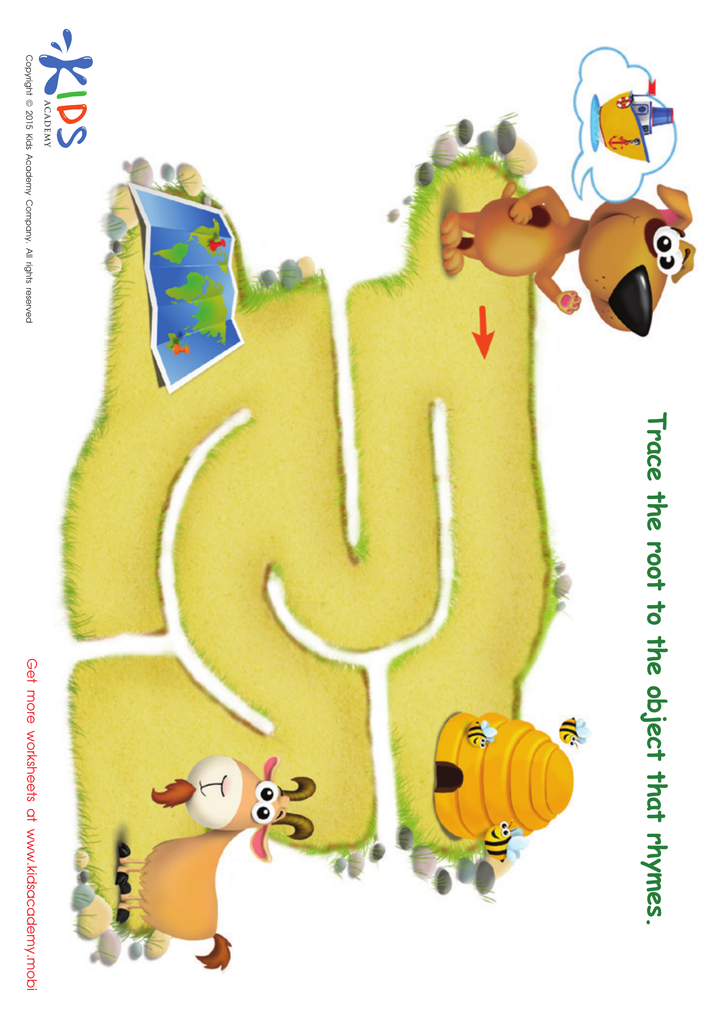
Boat Rhyming Words Worksheet
Help your preschooler complete the maze and rhyme with their favorite pooch! Draw a line from the dog to the matching item - is it a hive, a map or a goat? This fun activity lets them name the root words of pictures, and listen for rhymes to help them with phonics and reading.
Boat Rhyming Words Worksheet
Worksheet
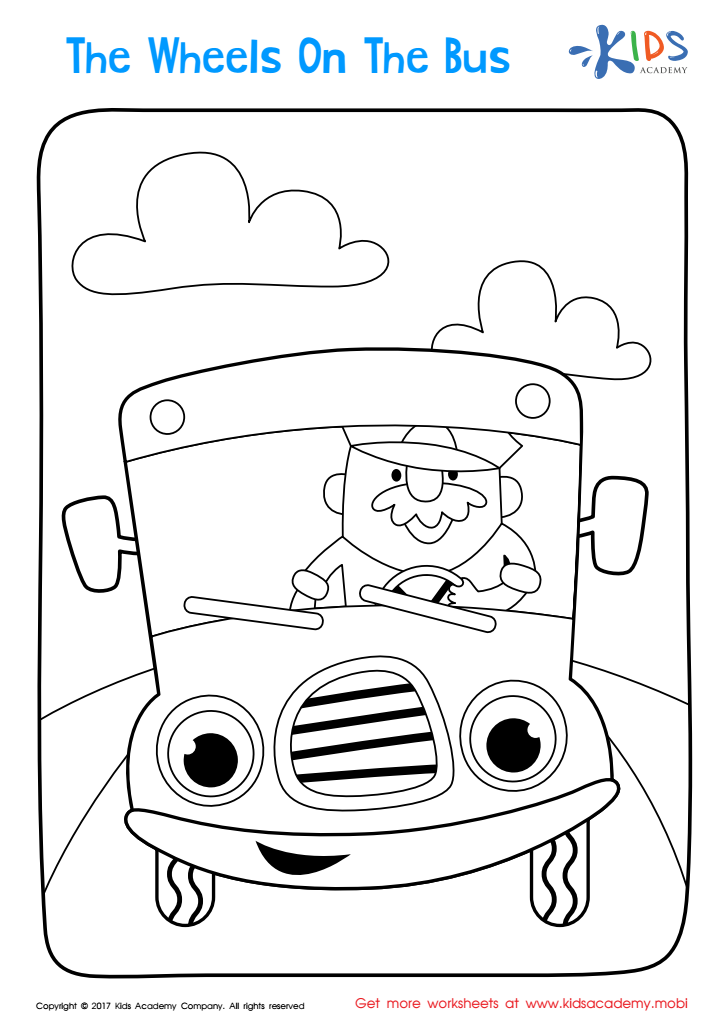
The Wheels on the Bus Coloring Page
Colour and sing with this printable Wheels on the Bus page! Let your child have fun singing the song with you as they colour. It'll make the activity even more entertaining and memorable.
Download (PDF)
Assign to My Students
Assign to My Students
The Wheels on the Bus Coloring Page
Worksheet
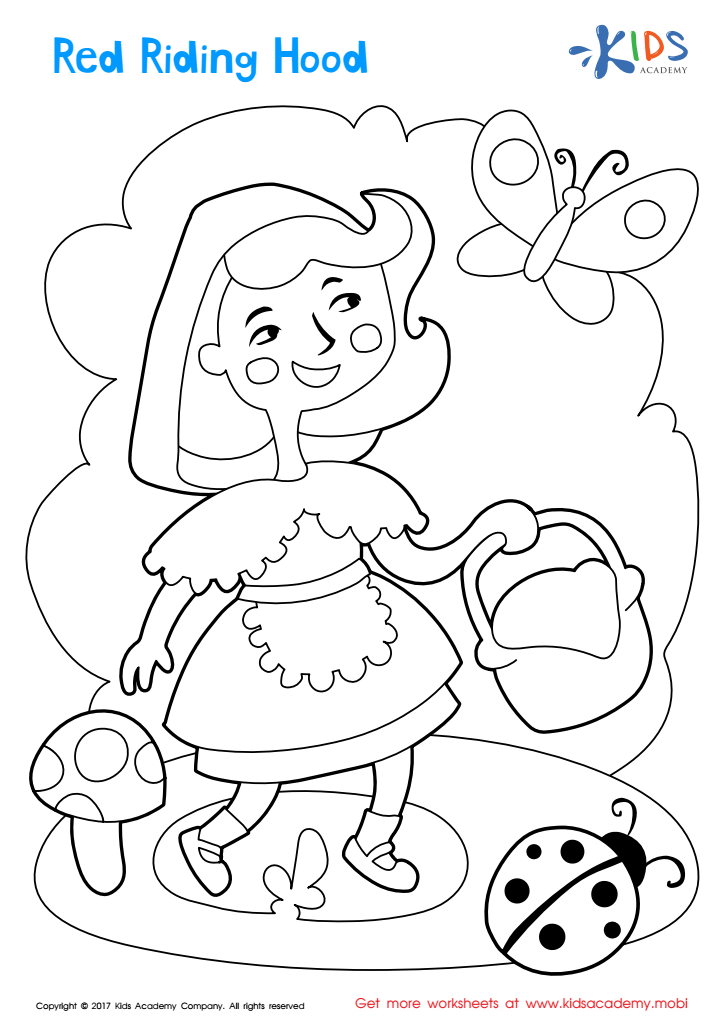
Red Riding Hood Coloring Page
Red Riding Hood awaits in the woods, with a butterfly, mushroom, and ladybug around her. Let your child bring the story to life with this magical printable coloring page. Fairytale fun for all!
Download (PDF)
Assign to My Students
Assign to My Students
Red Riding Hood Coloring Page
Worksheet
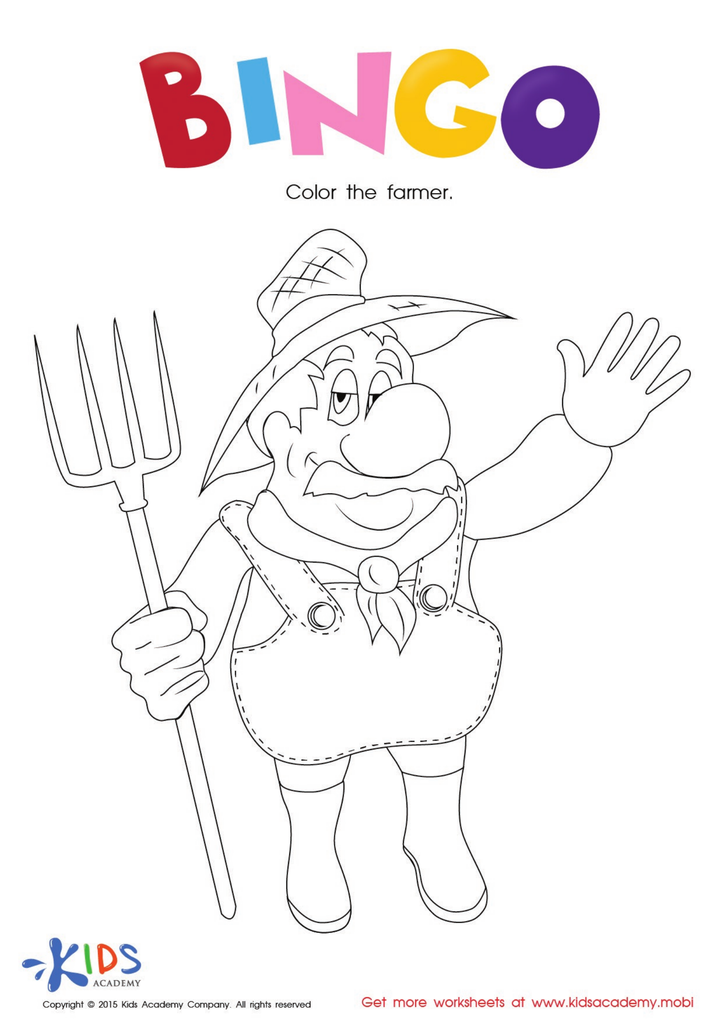
The Bingo Song: Coloring The Farmer Worksheet
Introduce The Bingo Song with concept questions then get your kids to color the free PDF coloring page. Visualize the characters while they sing and make the activity more fun with free nursery rhymes worksheets from our website. Clap along to The Bingo Song and enjoy!
The Bingo Song: Coloring The Farmer Worksheet
Worksheet
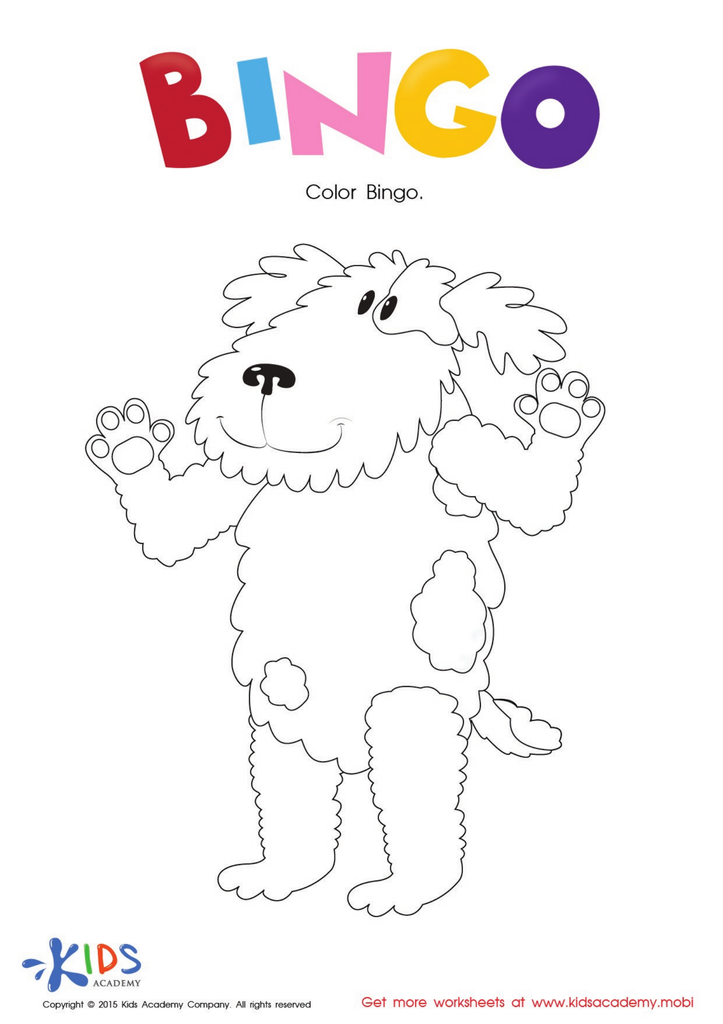
The Bingo Song: Coloring The Dog Worksheet
Introduce your kids to Bingo with this coloring worksheet from Kids Academy. Have them spell his name and color him the way they imagine. Develop their skills and get them excited with this fun activity. Visit our website for more nursery rhymes worksheets and activities for your little learners.
The Bingo Song: Coloring The Dog Worksheet
Worksheet
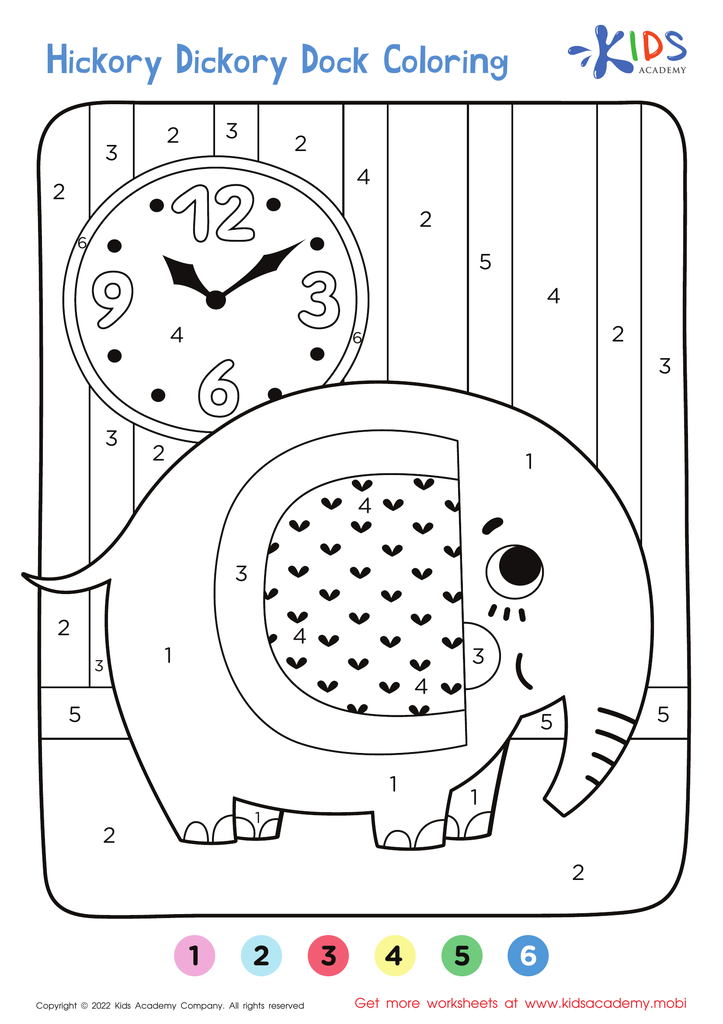
Hickory Dickory Dock – Coloring by Numbers
Colour in a classic nursery rhyme with our free Hickory Dickory Dock PDF page. Follow the numbers to create a scene that will bring the rhyme to life. Download now and get creative!
Hickory Dickory Dock – Coloring by Numbers
Worksheet
Join Kids Academy for Free
Who is primarily going to use this learning content?








Artistic expression reading for ages 3-9 is vital for a child's development and learning. It combines literacy skills with creative arts, fostering a holistic approach to education. Engaging young learners in stories that inspire creativity encourages imaginative thinking, which is crucial during these formative years. This form of reading not only enhances vocabulary and comprehension skills but also allows children to explore emotions, make connections, and express themselves in unique ways.
Parents and teachers should care about this because it nurtures critical thinking and problem-solving abilities. When children engage with visually rich texts or participate in related art activities, they learn to interpret and analyze narratives beyond the words, increasing their capacity for empathy and understanding of different perspectives.
Furthermore, artistic expression promotes fine motor skills associated with art-making while reinforcing language development in a fun, engaging manner. It creates opportunities for bonding through shared activities, making reading enjoyable and impactful. Ultimately, supporting artistic expression in reading fosters a lifelong love for literature as kids enjoy the blend of storytelling and creativity, enriching their academic and personal lives. Investing in these experiences yields higher academic achievements and well-rounded individuals, illustrating why this approach should be a priority for educators and caregivers alike.








