Reading comprehension Reading Non-Fiction Worksheets for Ages 3-9 - Page 2
43 filtered results
-
From - To
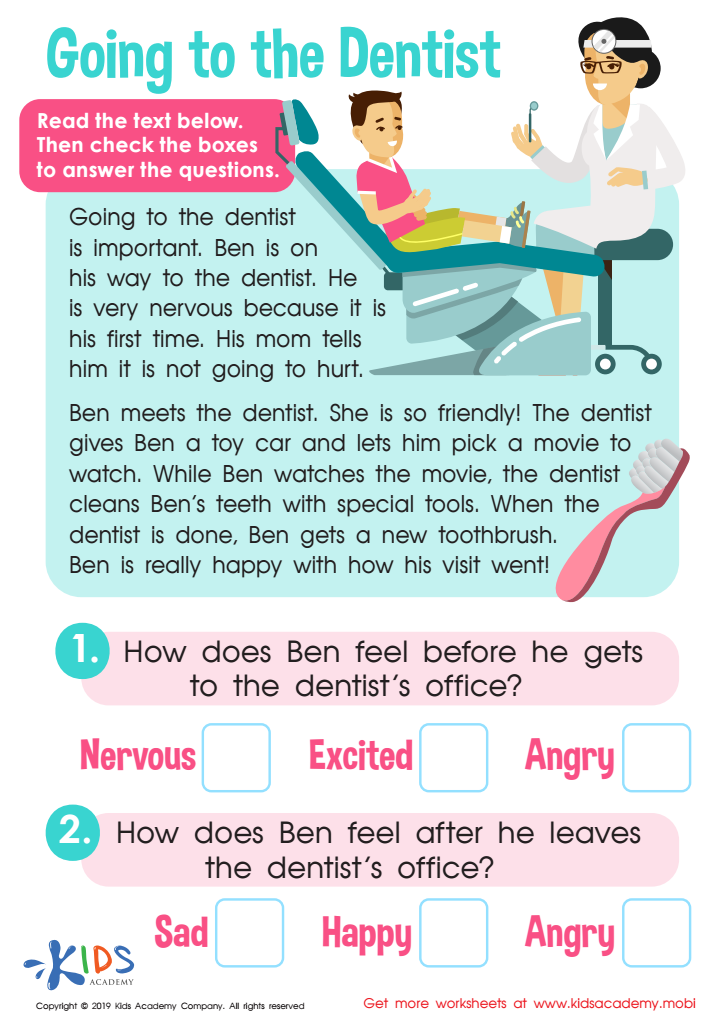
Going to the Dentist Worksheet
 Assign to My Students
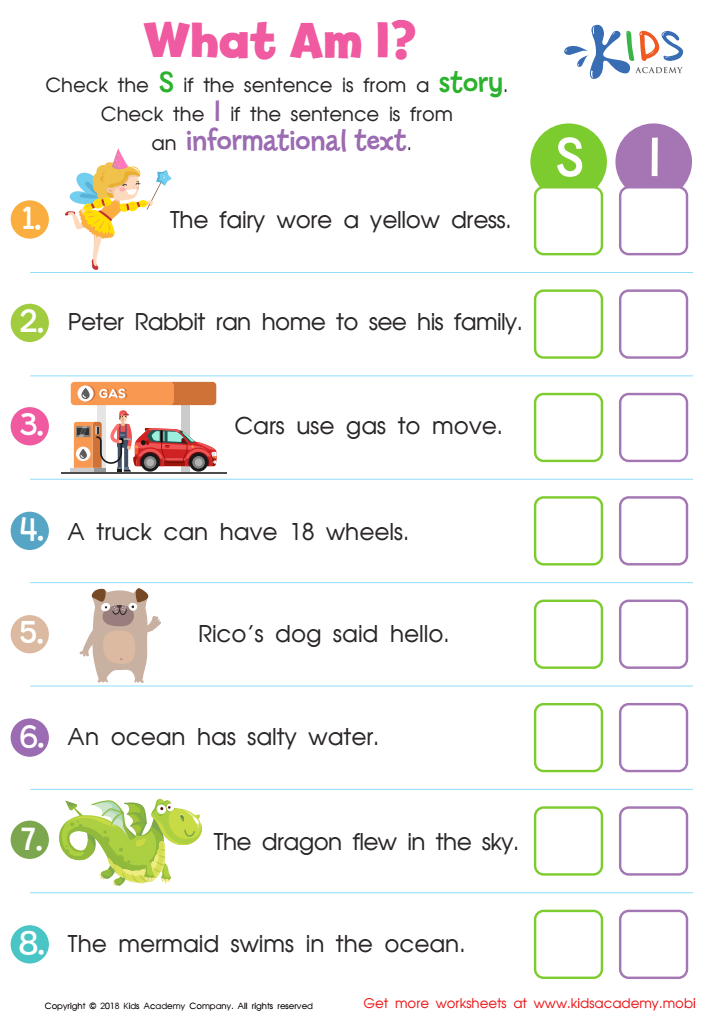
What Am I? Worksheet
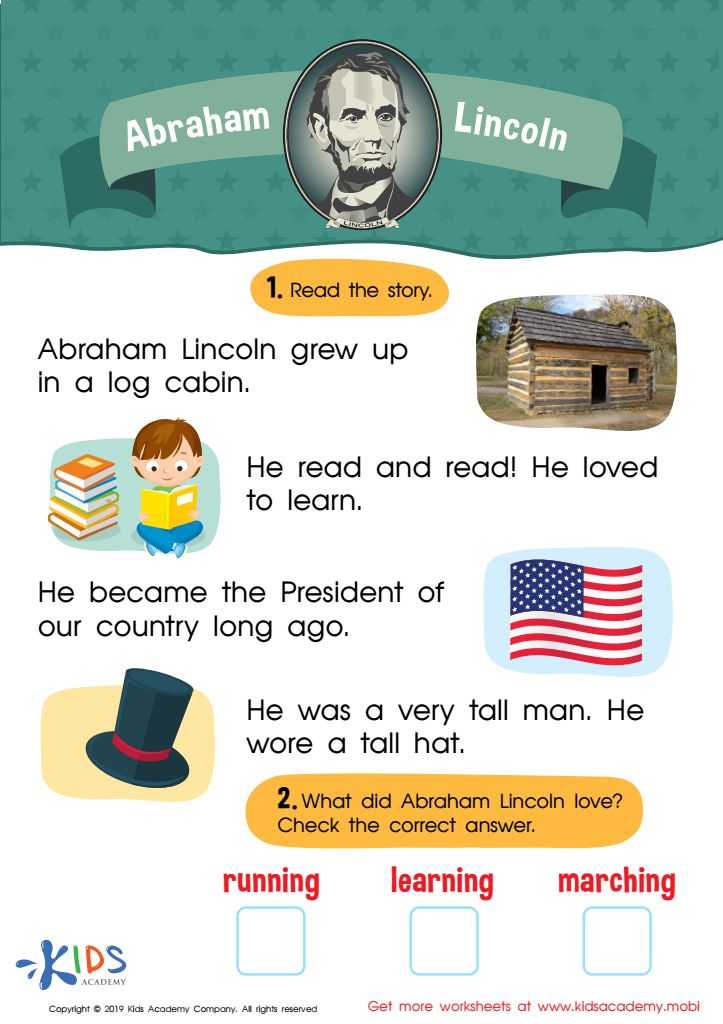
Abraham Lincoln Worksheet
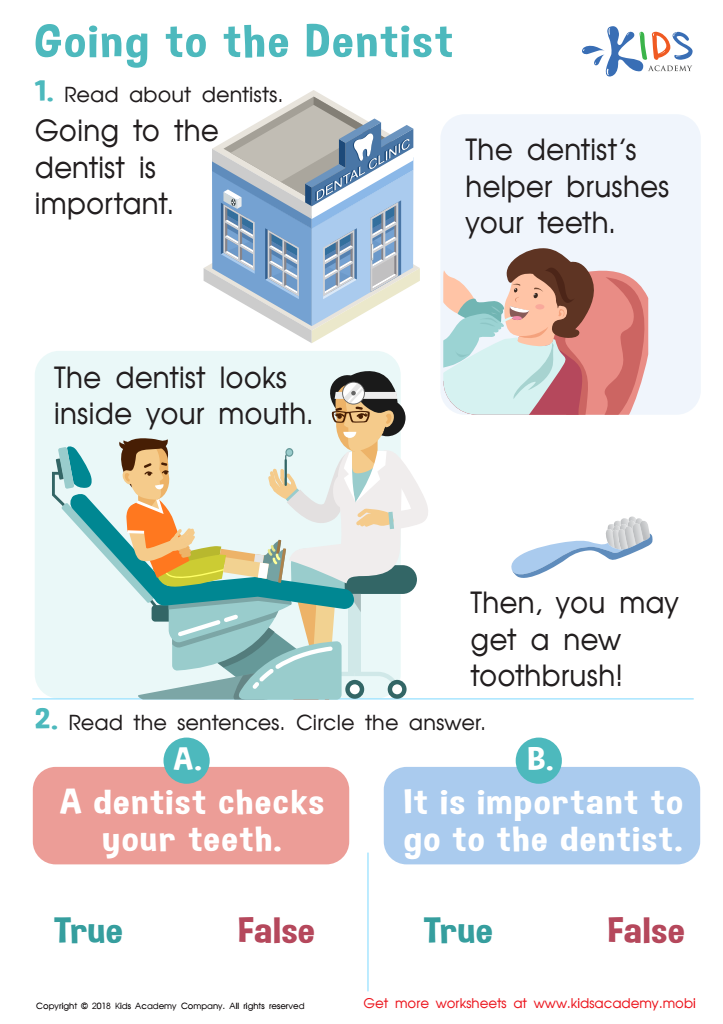
Going to the Dentist Part 2 Worksheet
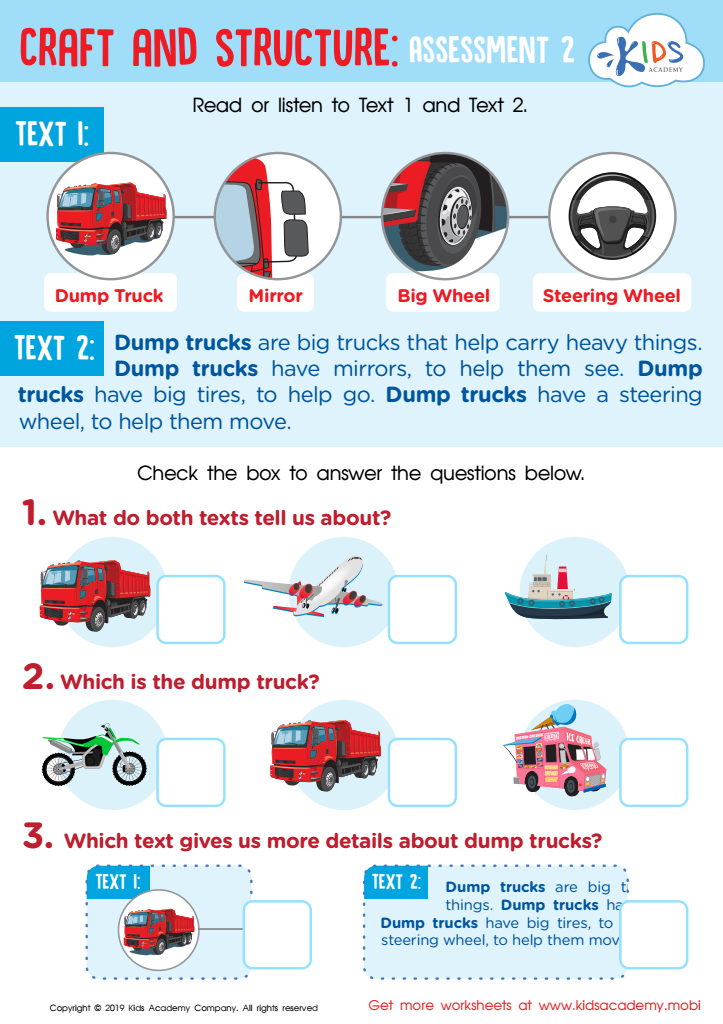
Craft and Structure: Assessment 2 Worksheet
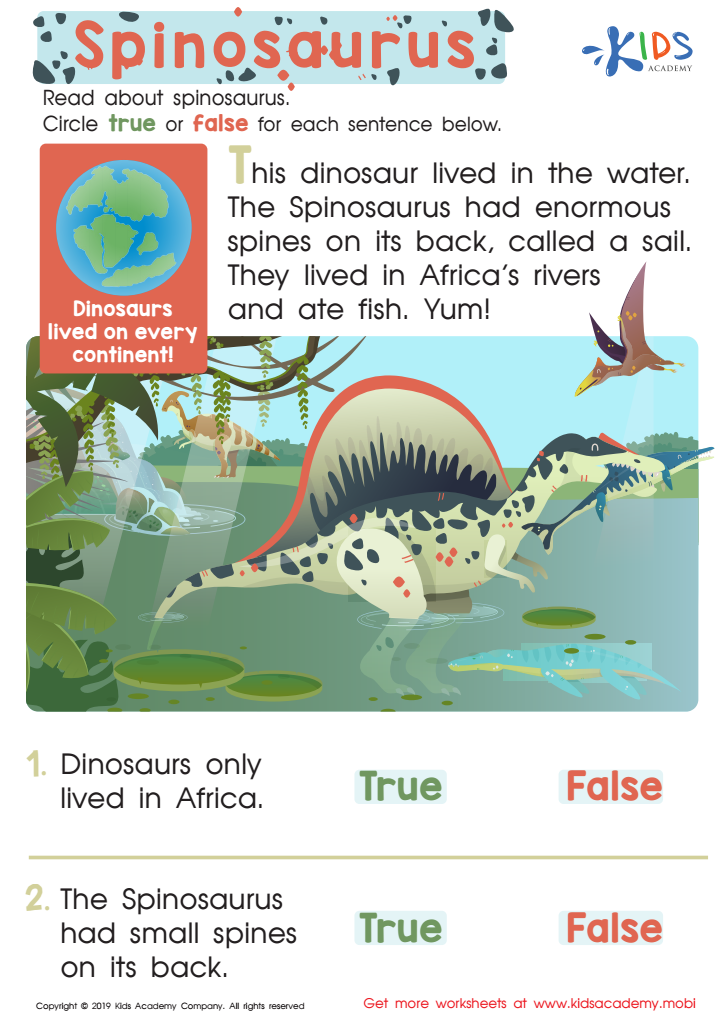
Spinosaurus Assessment Worksheet
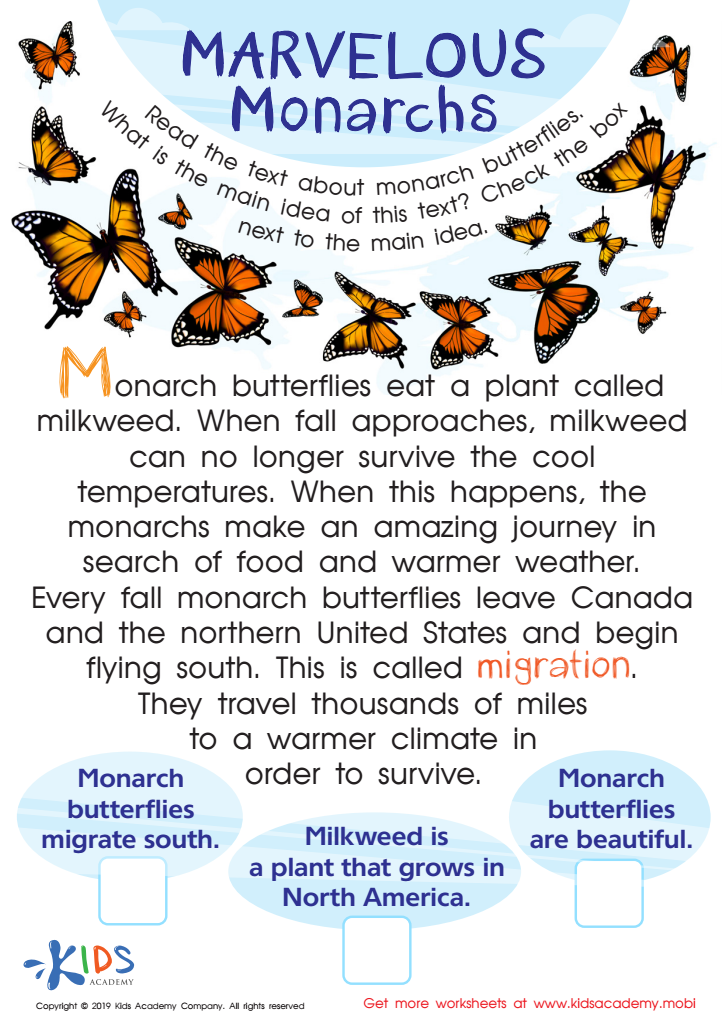
Marvelous Monarchs Worksheet
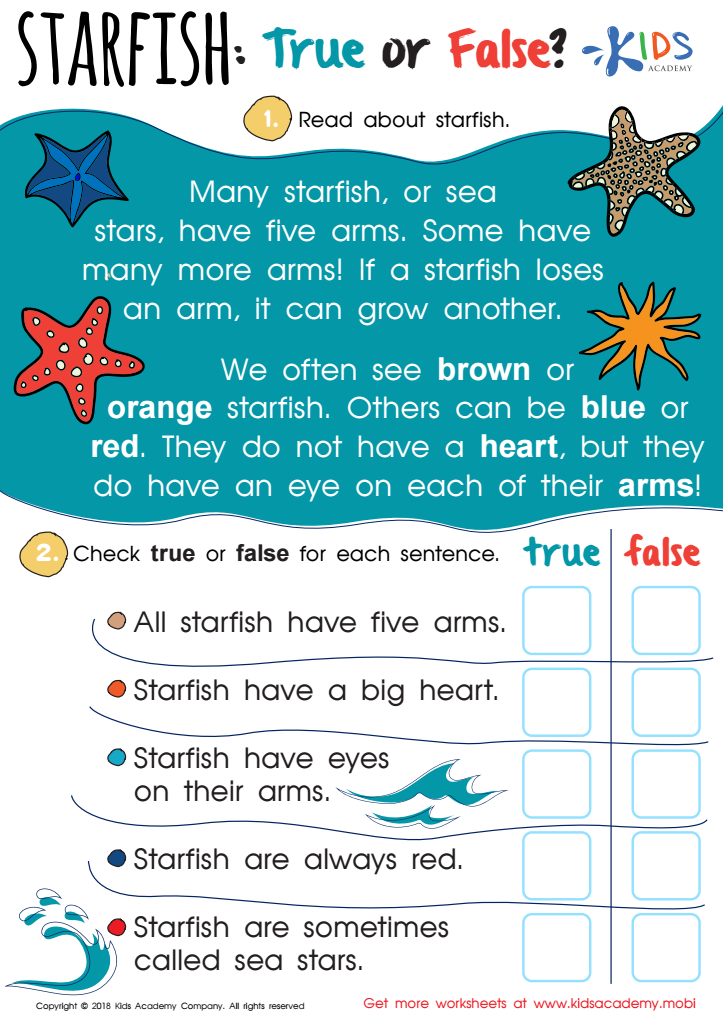
Starfish: True or False Worksheet
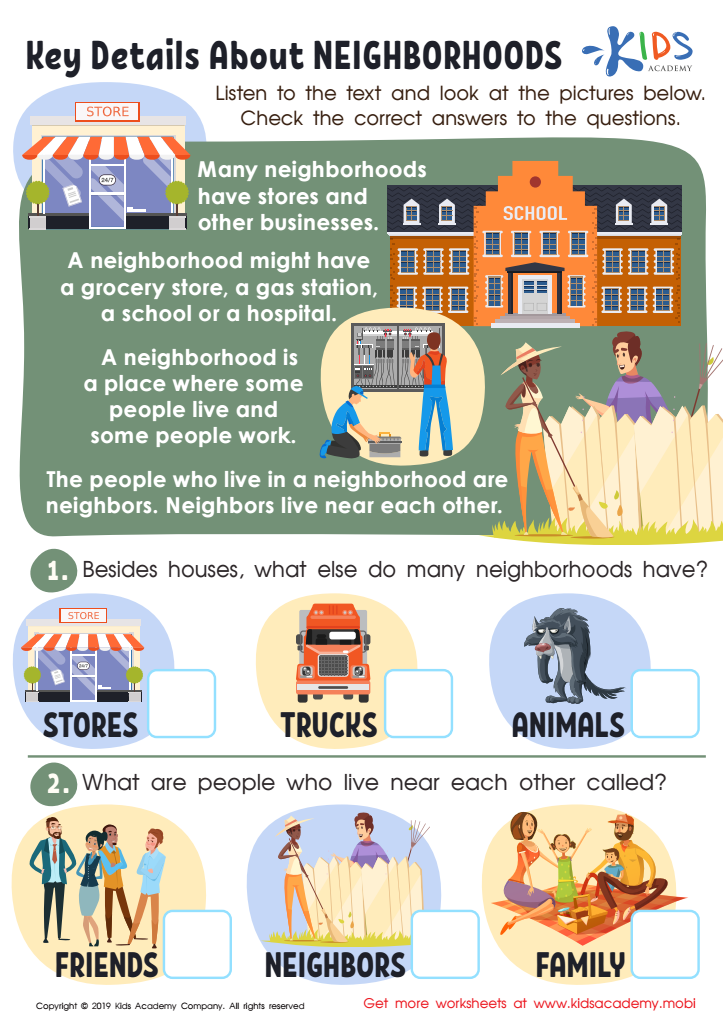
Key Details Neighborhoods Worksheet
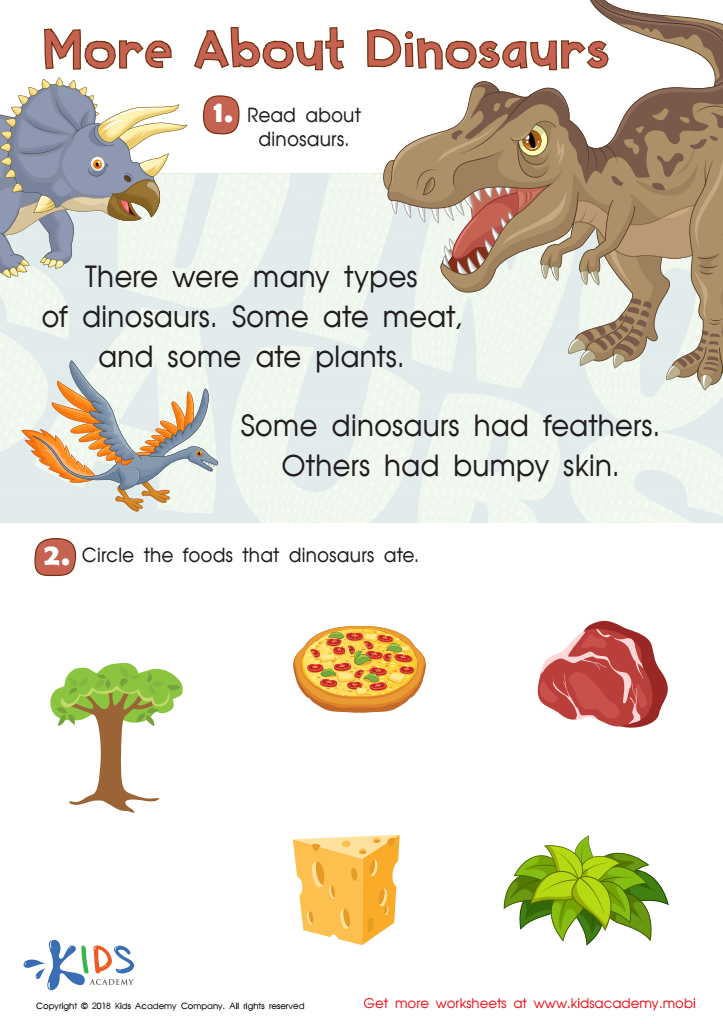
More About Dinosaurs Worksheet
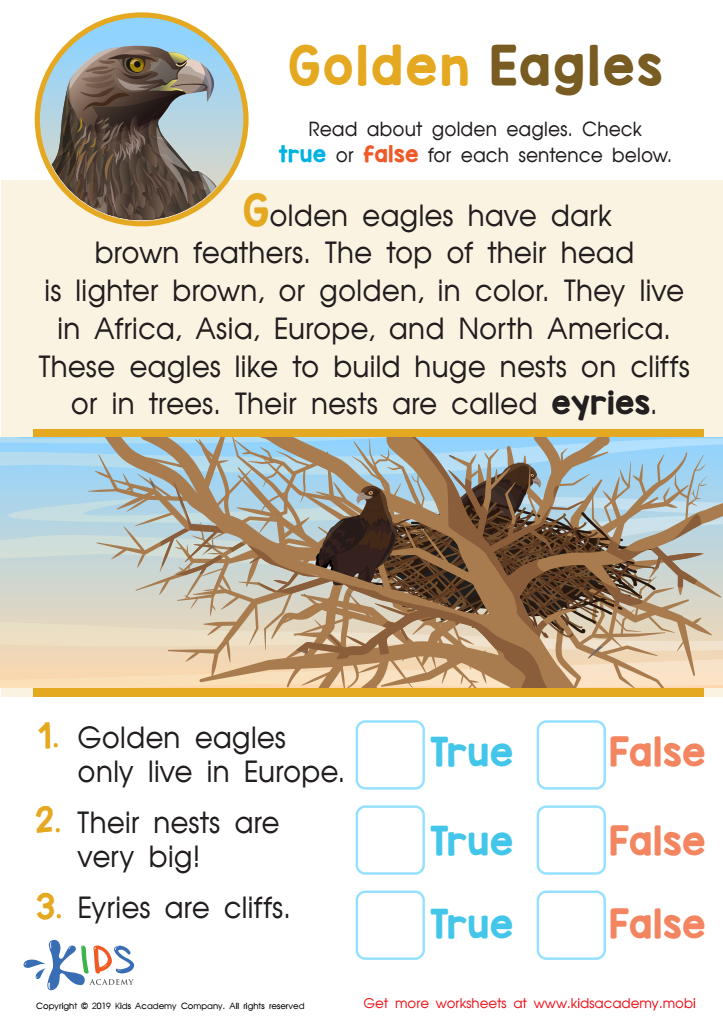
Golden Eagles Worksheet
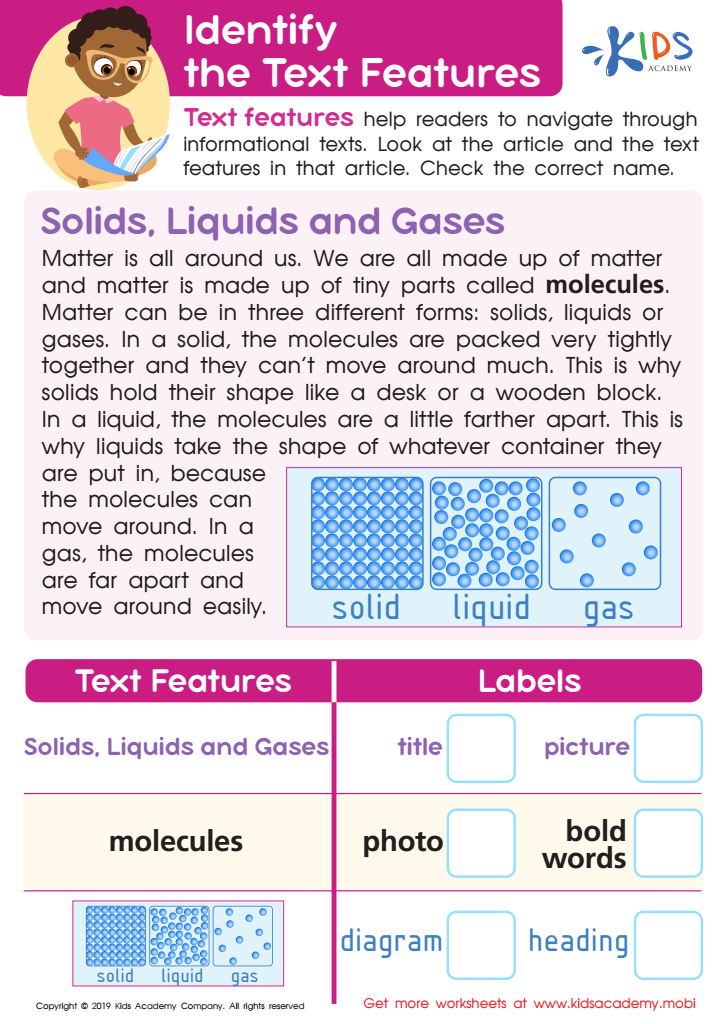
Identify the Text Features Worksheet
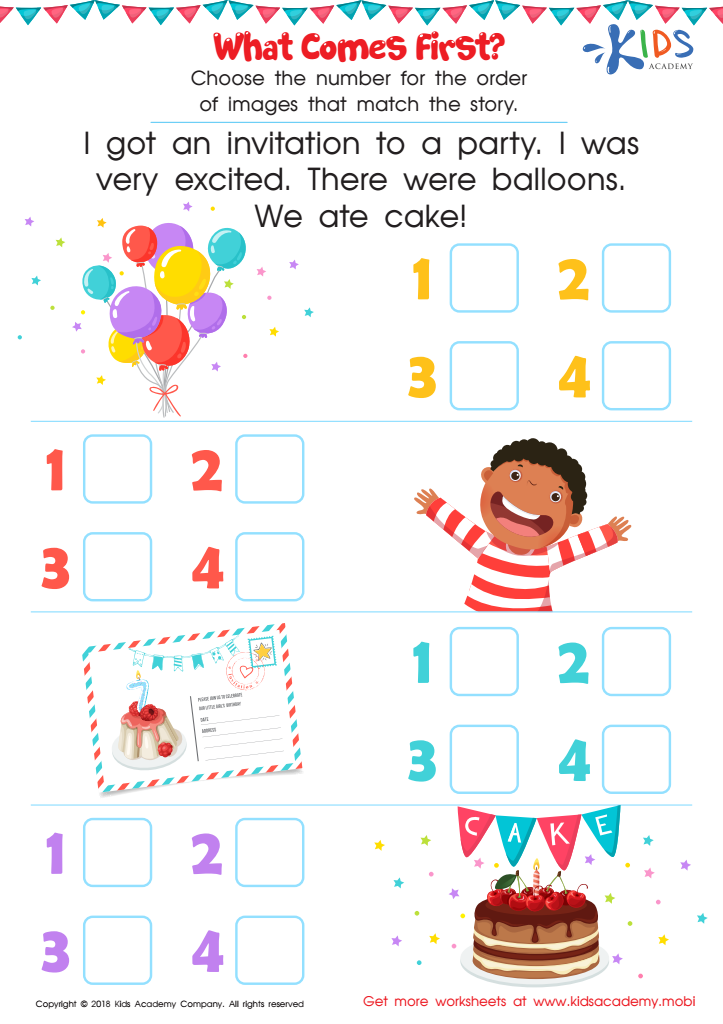
What Comes First Worksheet
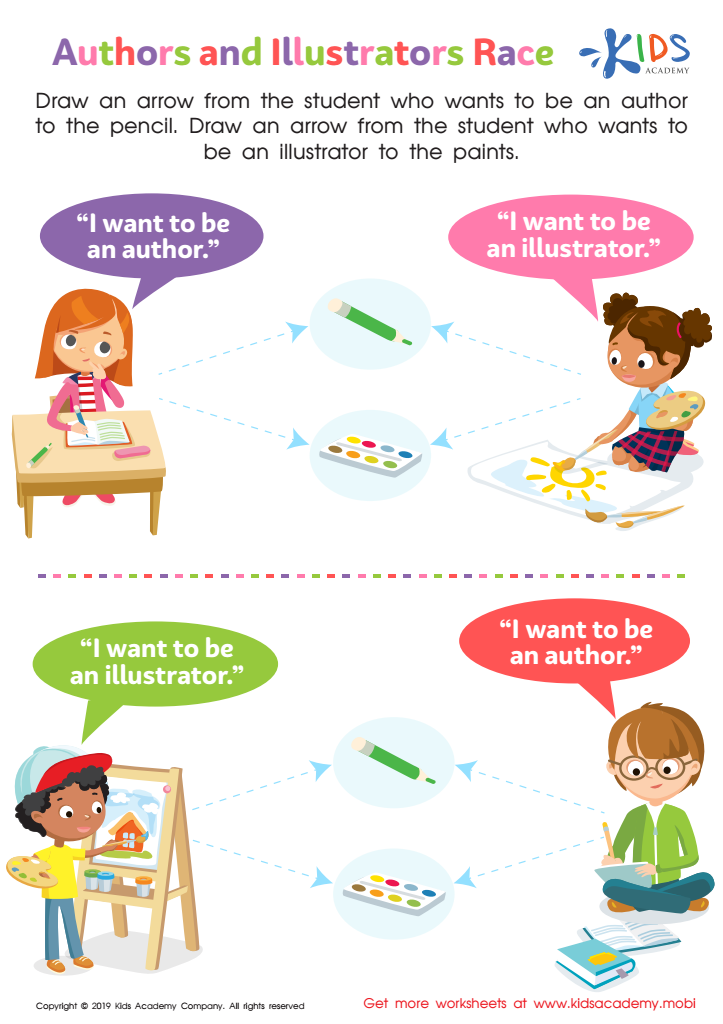
Authors and Illustrators Race Worksheet
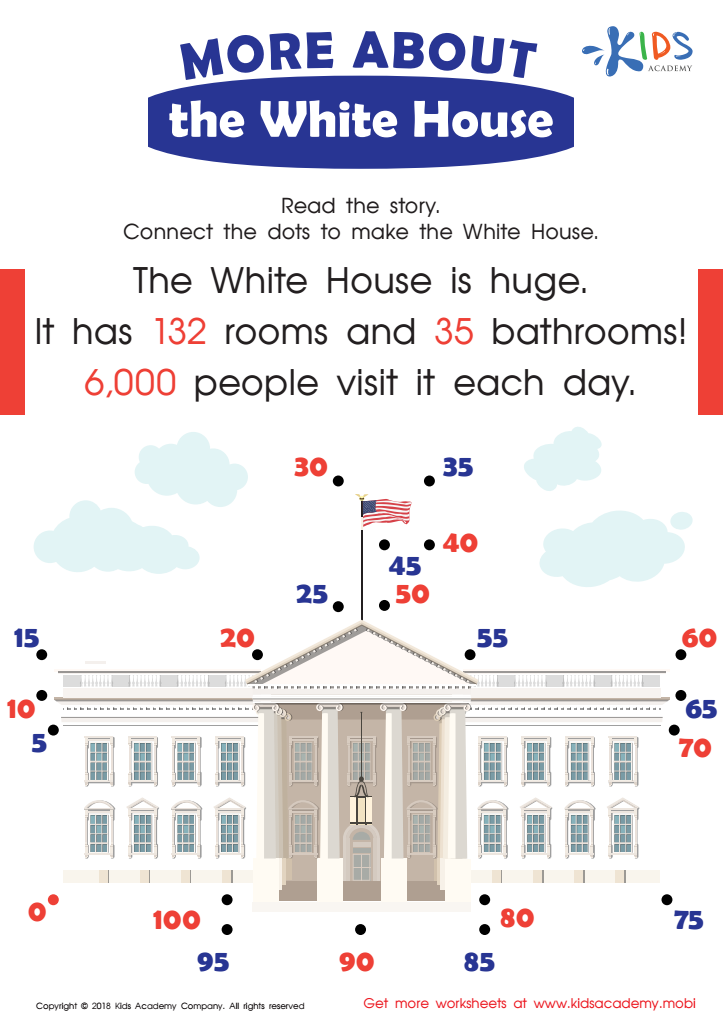
More About the White House Worksheet
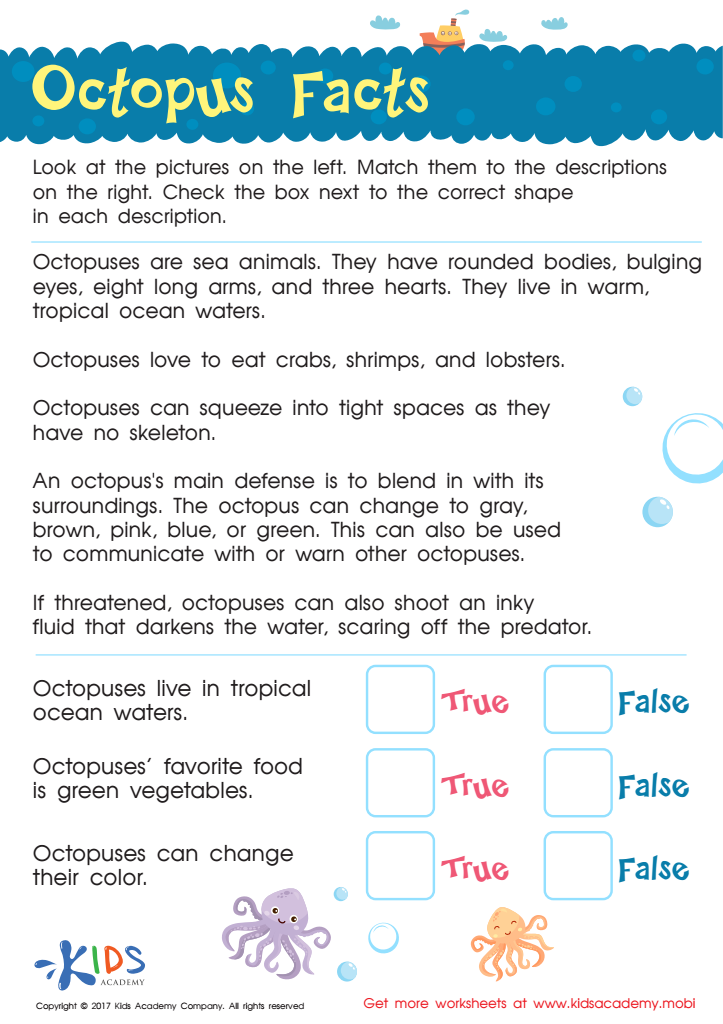
Octopus Facts Worksheet For Kids
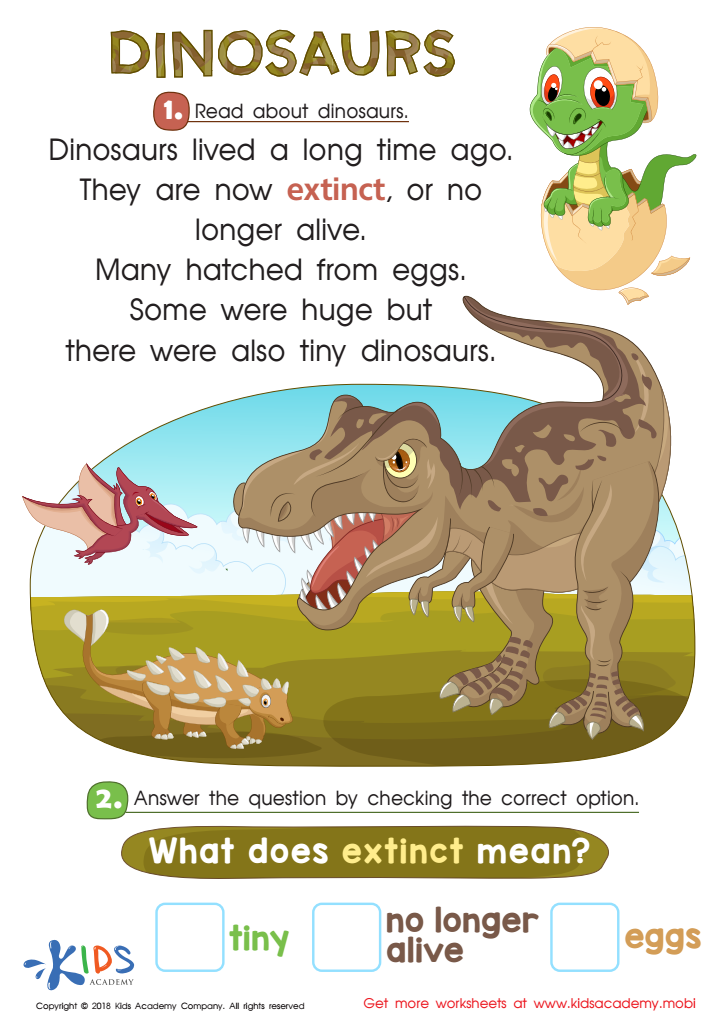
Dinosaurs Worksheet
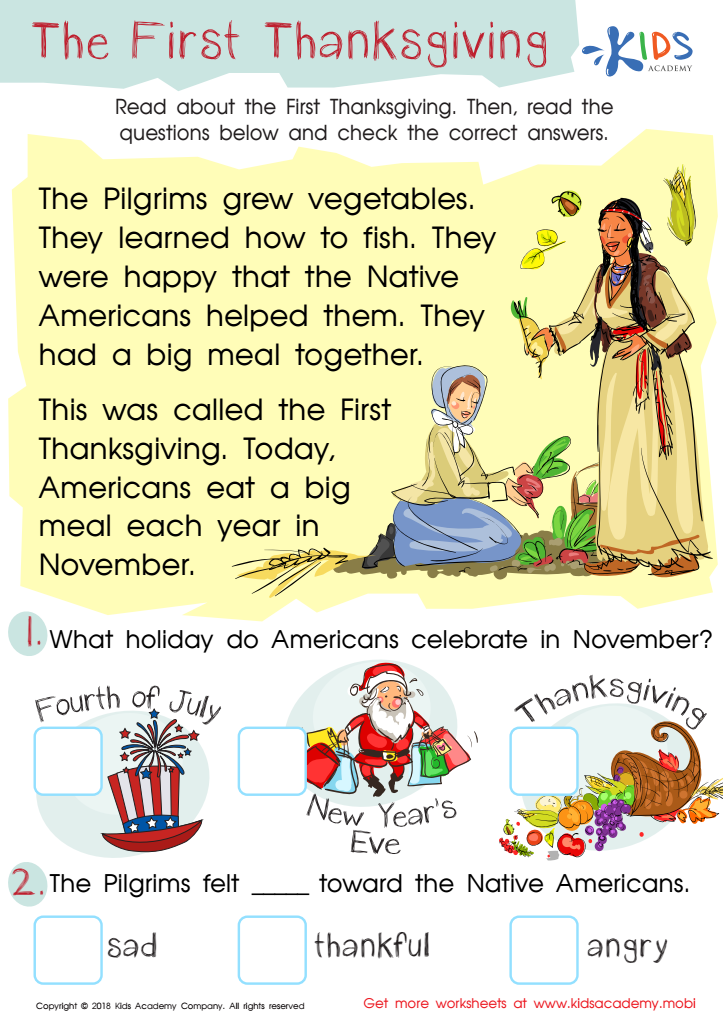
Assessment: First Thanksgiving Worksheet
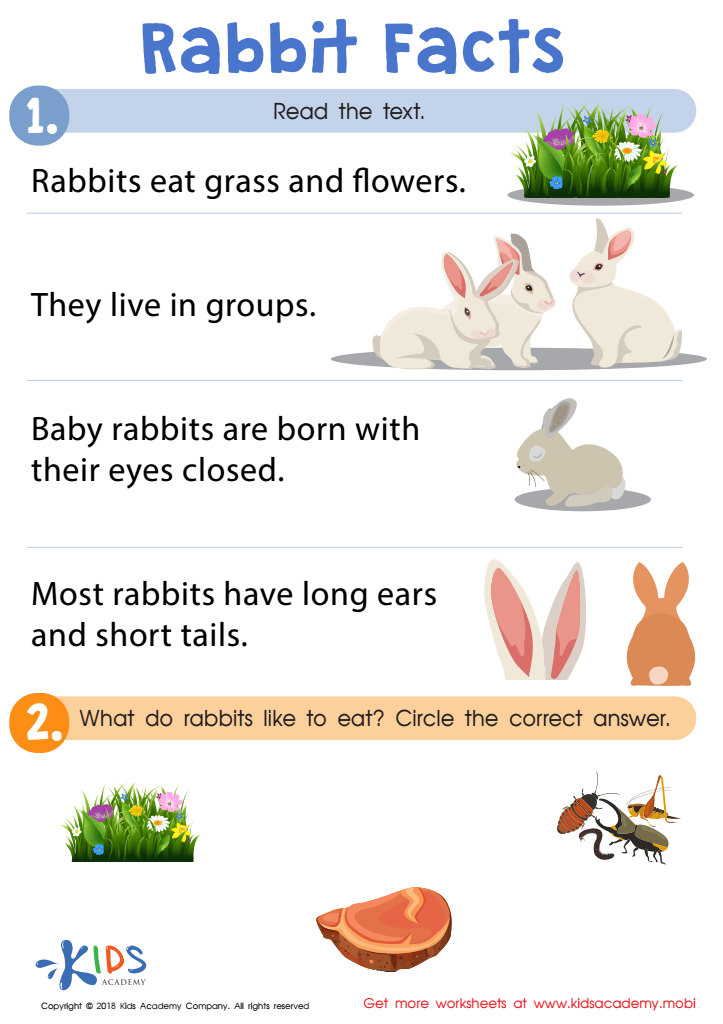
Rabbit Facts Worksheet







Parents and teachers should prioritize reading comprehension skills in non-fiction for children ages 3-9 because this foundation is essential for their academic success and cognitive development. At this critical stage, children's brains are incredibly receptive to learning and acquiring new skills. Reading non-fiction material equips them with knowledge about the world, fueling their natural curiosity and nurturing a love for learning and discovery.
Developing reading comprehension skills through non-fiction also enhances children's critical thinking and analytical abilities. These texts introduce them to facts, data, and logical arguments, helping them distinguish between opinions and evidence-based information. Such skills are important as they set the stage for more advanced learning in subjects such as science, history, and social studies.
Furthermore, non-fiction expands vocabulary and informs students about varied writing structures, such as chapters, subheadings, indexes, and glossaries. Exposing children to these elements early on empowers them to efficiently extract and process information, which they will use throughout their educational journey and beyond.
By fostering strong reading comprehension skills in non-fiction for young children, parents and teachers lay a vital groundwork for lifelong learning, intellectual curiosity, and informed, critical thinking—skills that are crucial for success in academics and life.








