Recognizing Patterns Sight Words Worksheets for Ages 3-9
5 filtered results
-
From - To
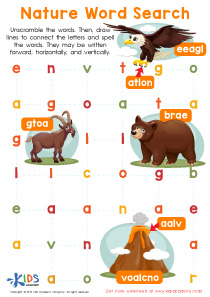
Introducing "Recognizing Patterns Sight Words Worksheets for Ages 3-9" – a comprehensive educational resource designed to help young learners master essential sight words while identifying patterns. These engaging, printable worksheets provide a fun and interactive way to boost reading proficiency, enhance cognitive skills, and build a solid linguistic foundation. Tailored for children aged 3-9, our exercises facilitate effortless learning through colorful visuals, repetitive sequences, and engaging activities. Perfect for both classroom and home use, these worksheets support developmental milestones, ensuring children recognize and retain sight words efficiently. Empower your child's reading journey with our expertly crafted, easy-to-use educational tools!
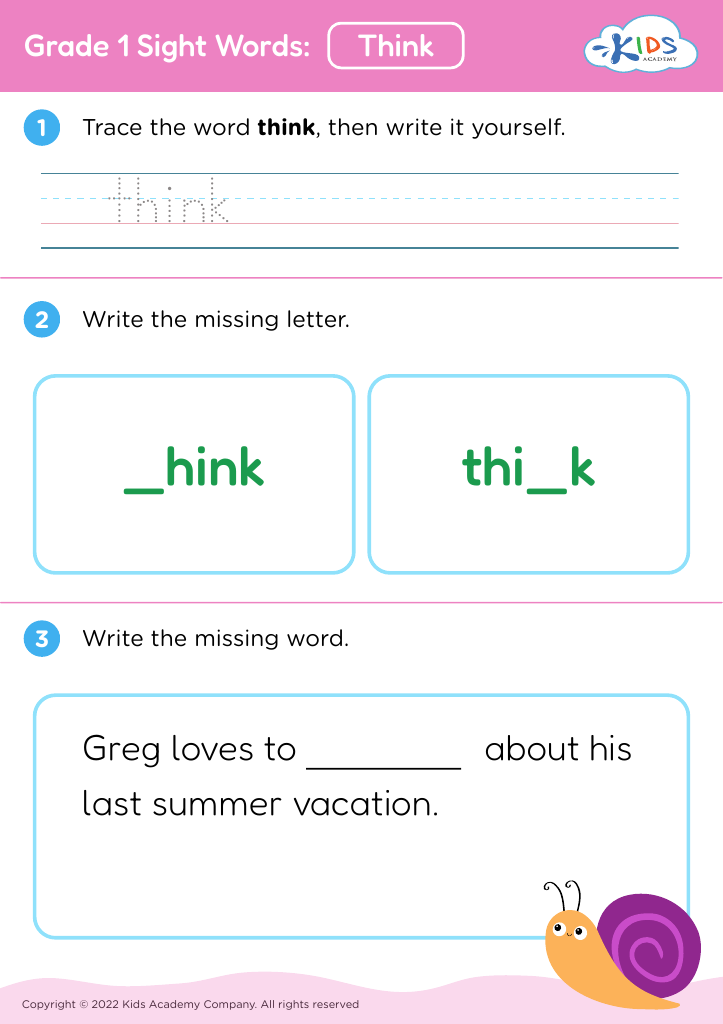
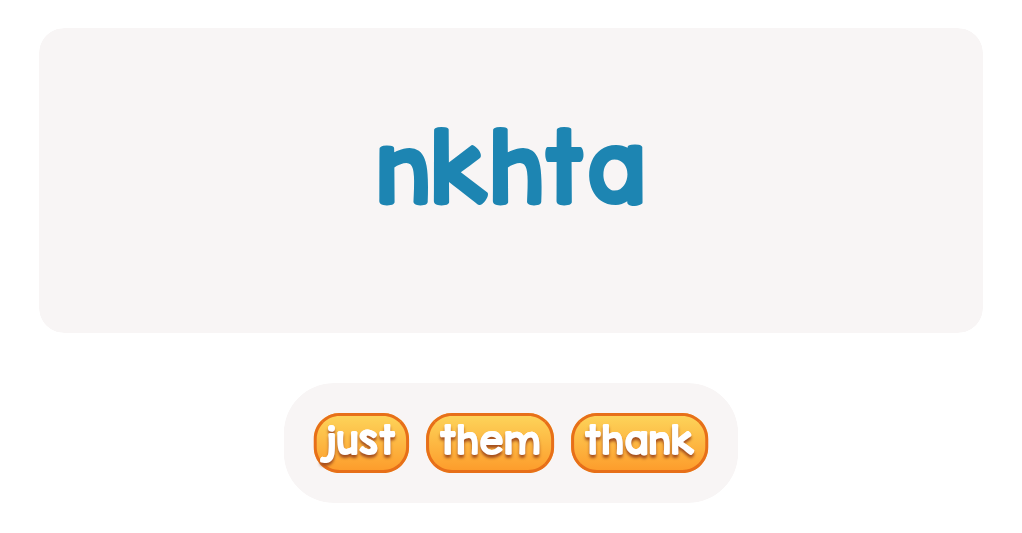





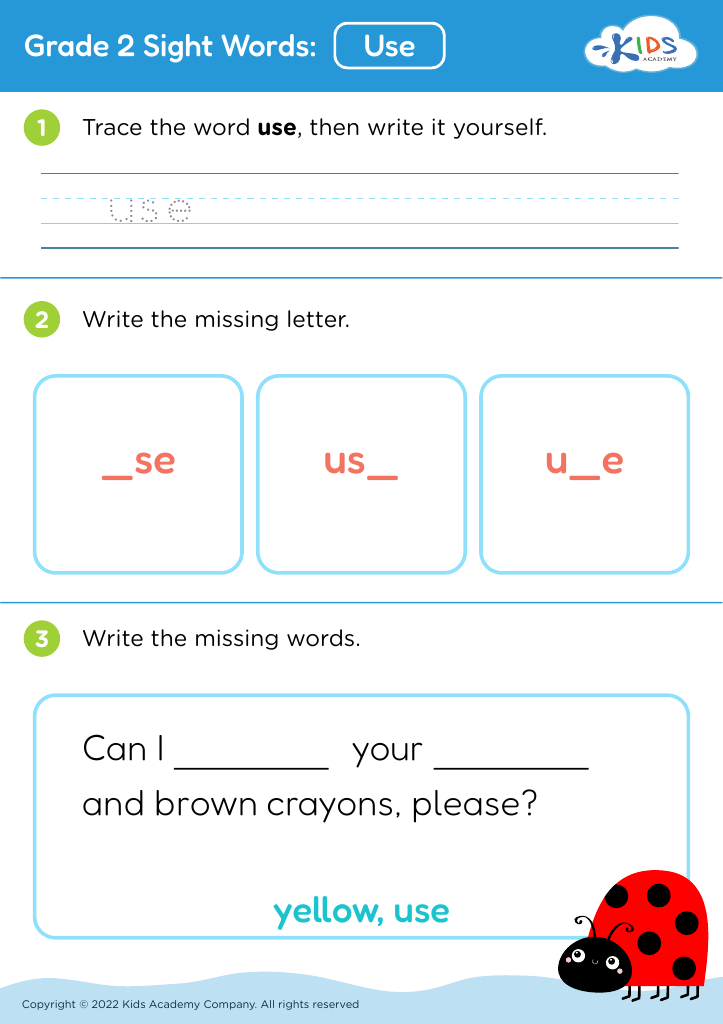
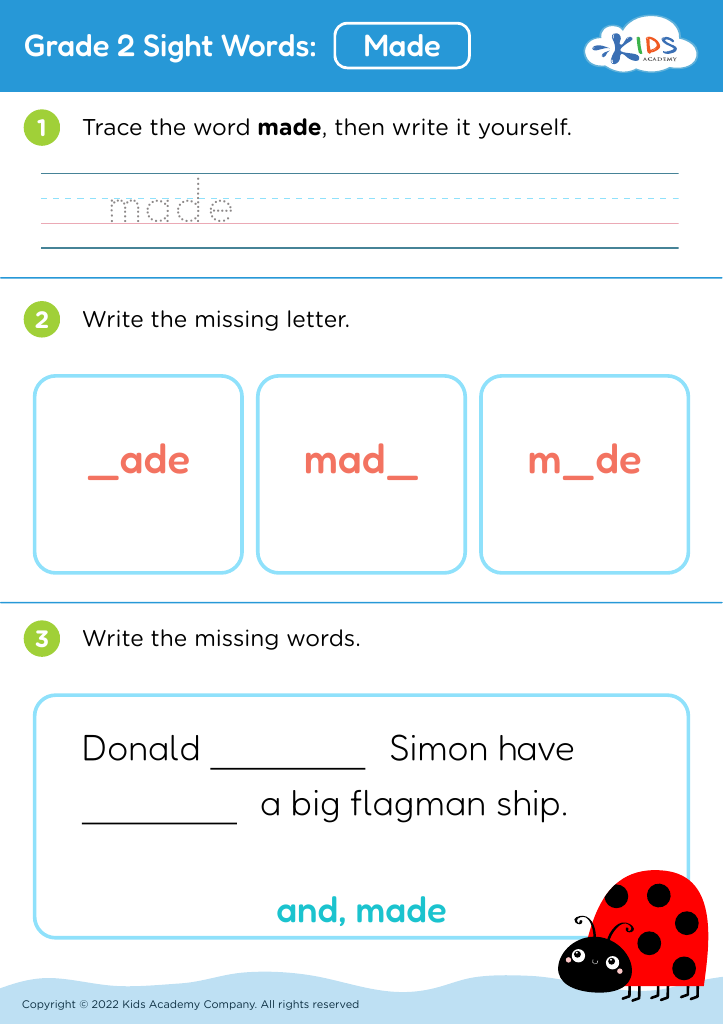
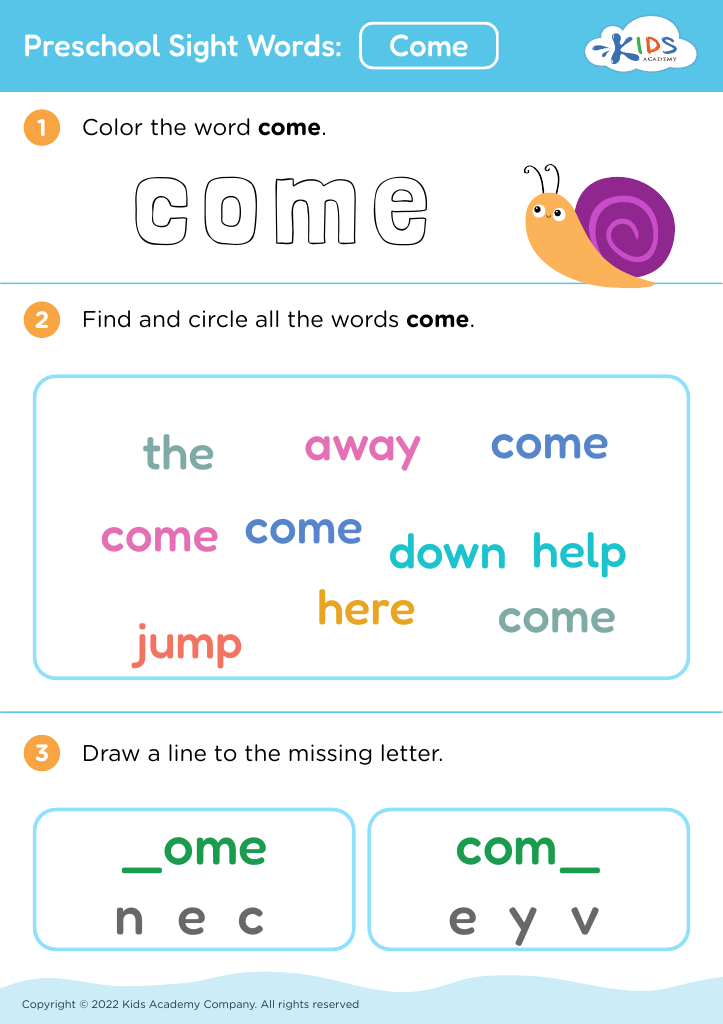
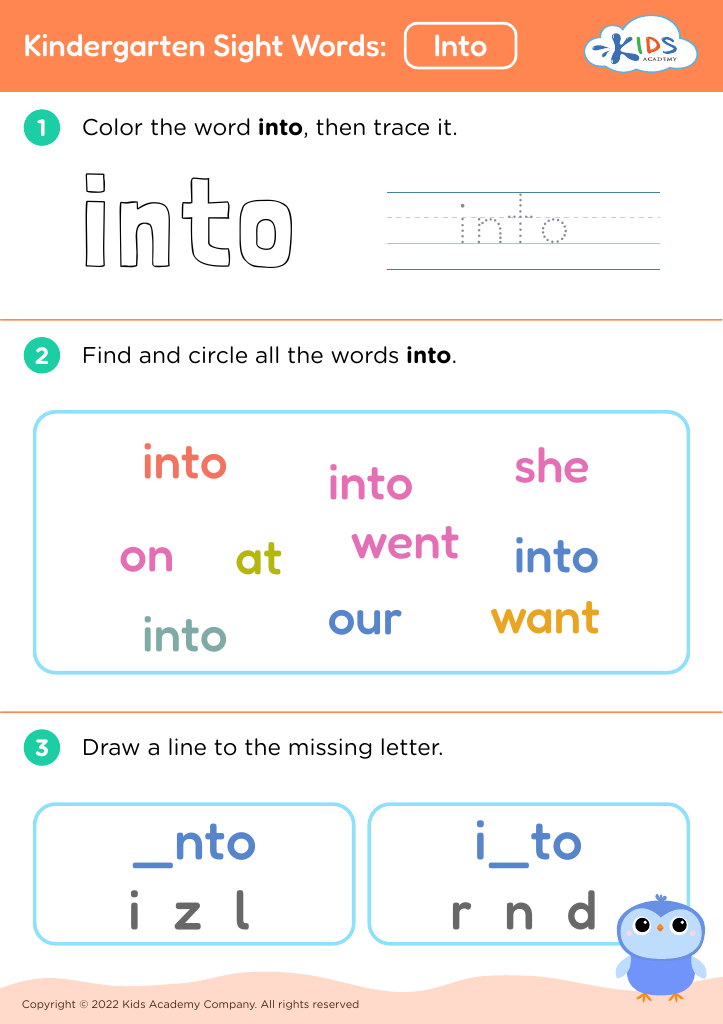








Recognizing patterns in sight words is essential for children aged 3-9 as it lays a strong foundation for literacy and academic success. At this developmental stage, children are rapidly expanding their vocabulary and developing their reading and writing skills. Sight words are commonly used words that children must learn to recognize instantly, without needing to decode them. These include words like "the," "and," and "is," which often cannot be easily sounded out using phonetic rules.
By identifying and recognizing patterns in these words, children can enhance their ability to read fluently. For instance, noticing that "the," "that," and "there" share the common "th" sound helps in quick recognition and reinforces memory. As children become proficient in recognizing these patterns, their reading speed and comprehension improve because they expend less cognitive energy on decoding each word.
Additionally, early mastery of sight words boosts children’s confidence and engagement in reading activities. It also supports their writing abilities, as they can recall and use these words accurately. For parents and teachers, investing time in teaching sight word patterns means fostering an environment that nurtures lifelong learning and literacy skills, opening doors to academic achievement and beyond. Recognizing sight word patterns builds a critical bridge to more complex reading and writing, making it a vital focus in early education.