Plant identification Plants Worksheets for Ages 3-9
5 filtered results
-
From - To
Discover the joy of learning about nature with our "Plant Identification Plants Worksheets" designed for ages 3-9. These engaging and educational worksheets help young explorers identify various plants and understand their unique features. Packed with vibrant illustrations and interactive activities, our worksheets foster curiosity and a love for science in early learners. Perfect for both classroom and home settings, these resources support critical thinking, observation, and classification skills. Give your child the tools to recognize and appreciate the diverse world of plants. Visit Kids Academy to access and download these exceptional plant identification worksheets today!
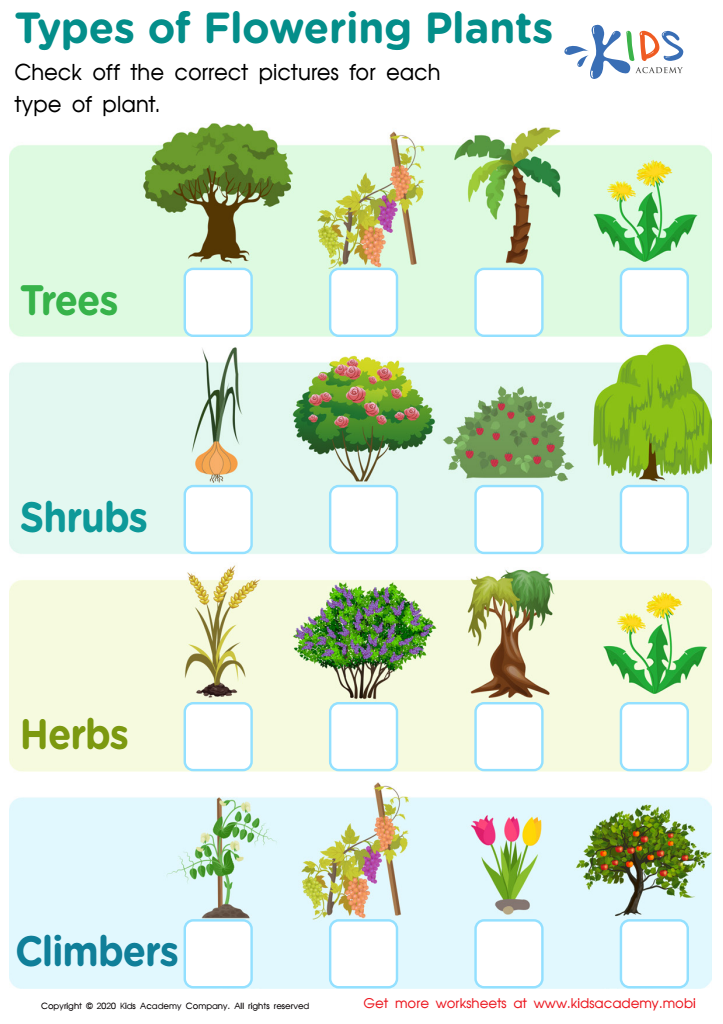
Types of Flowering Plants Worksheet
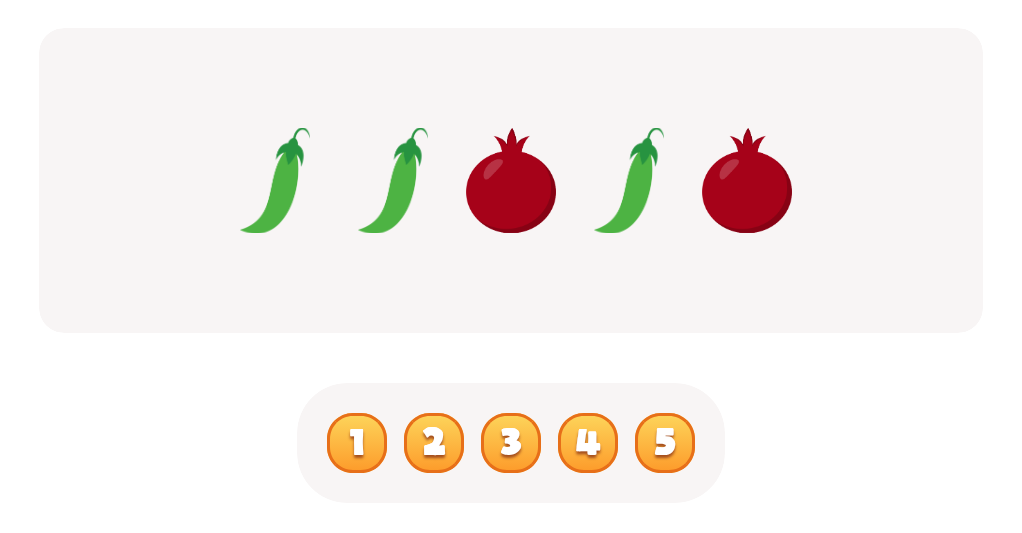

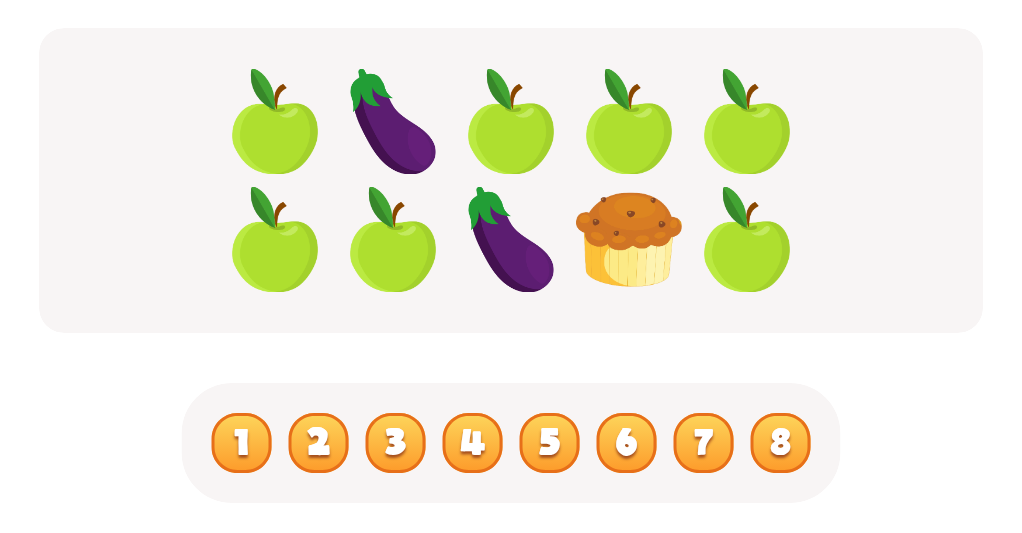
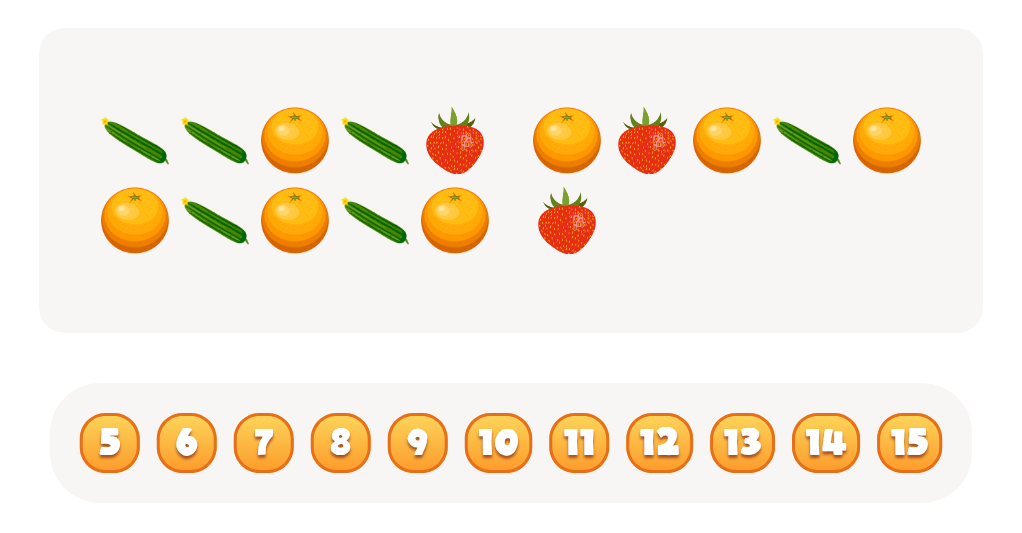
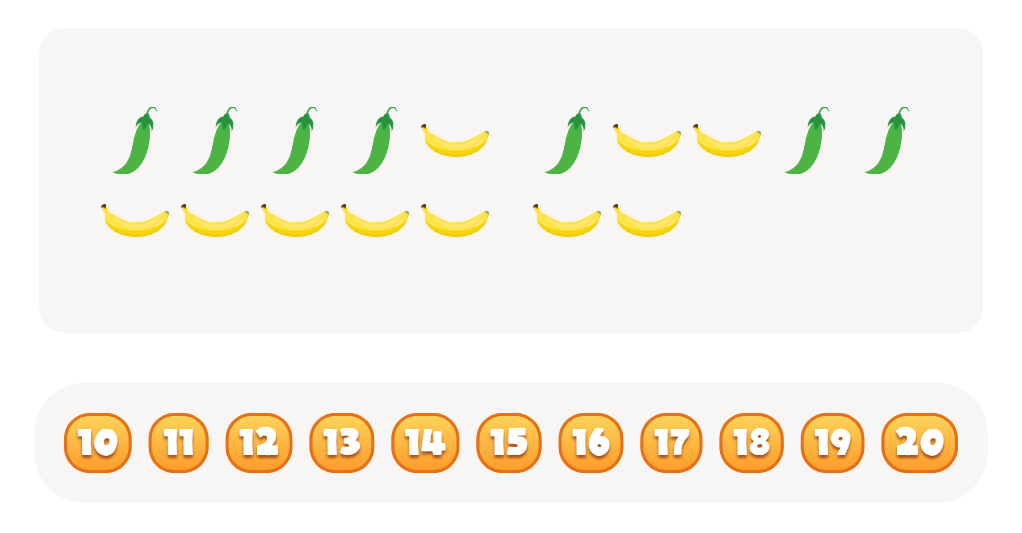
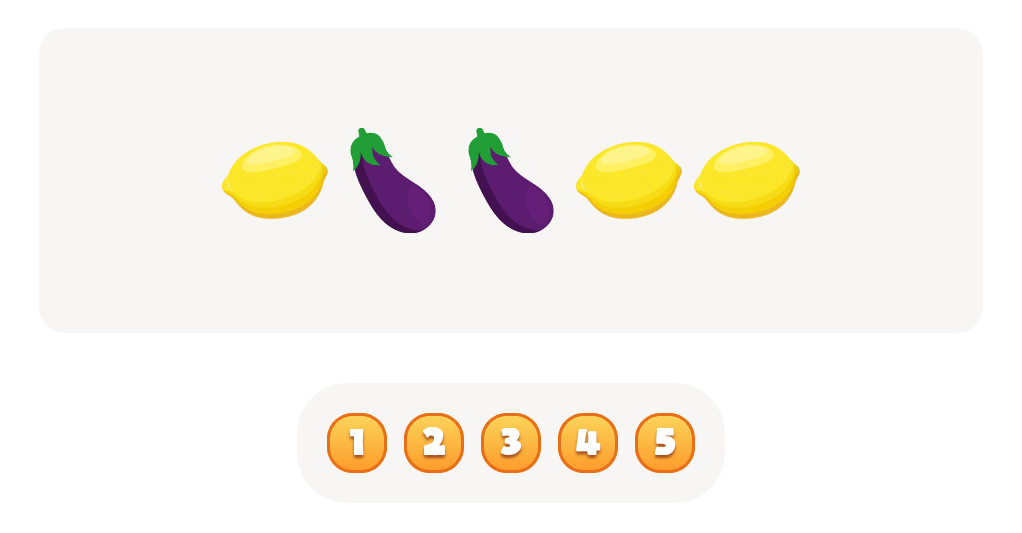
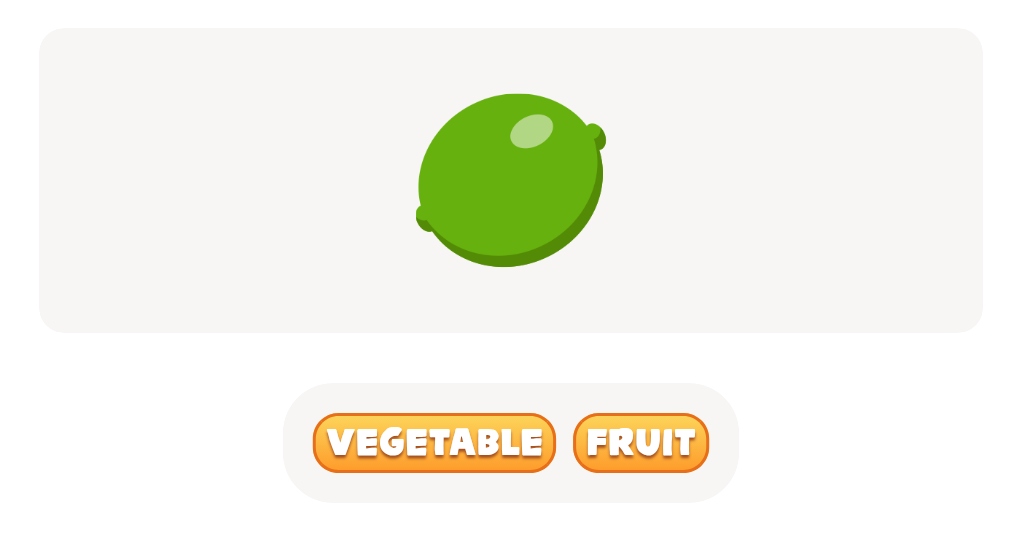
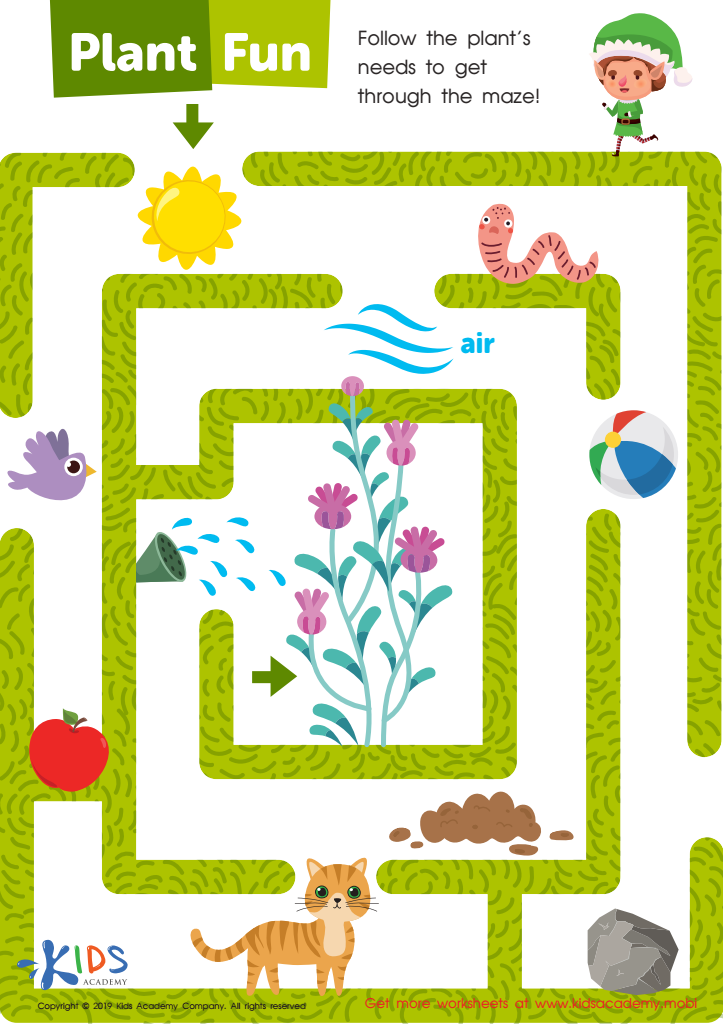
Plant Fun Worksheet
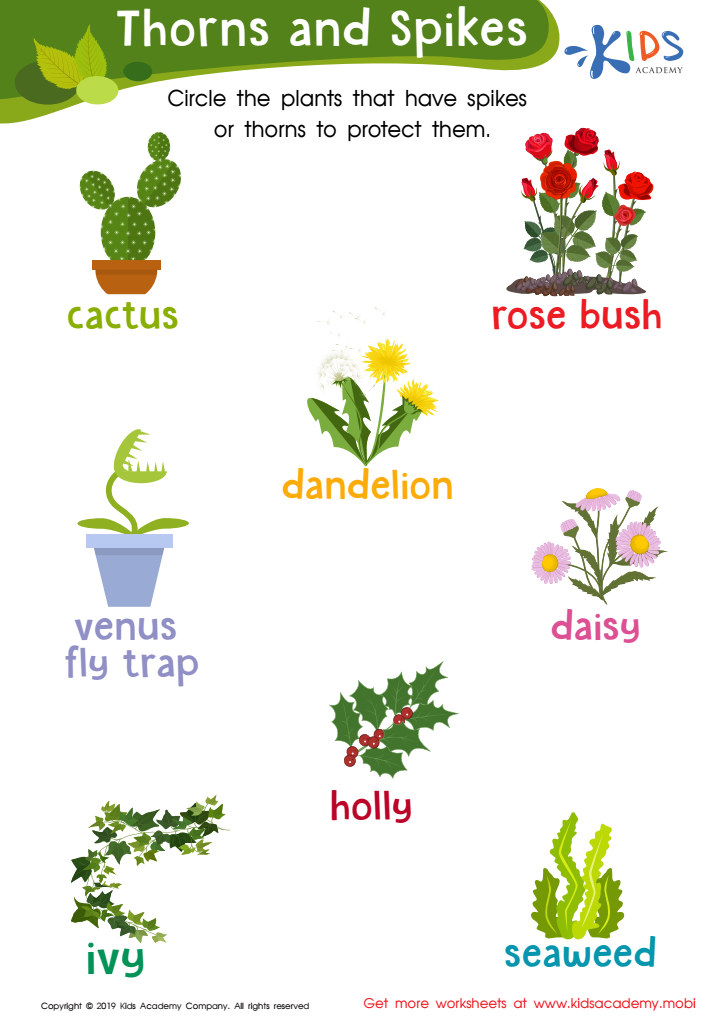
Thorns and Spikes Worksheet
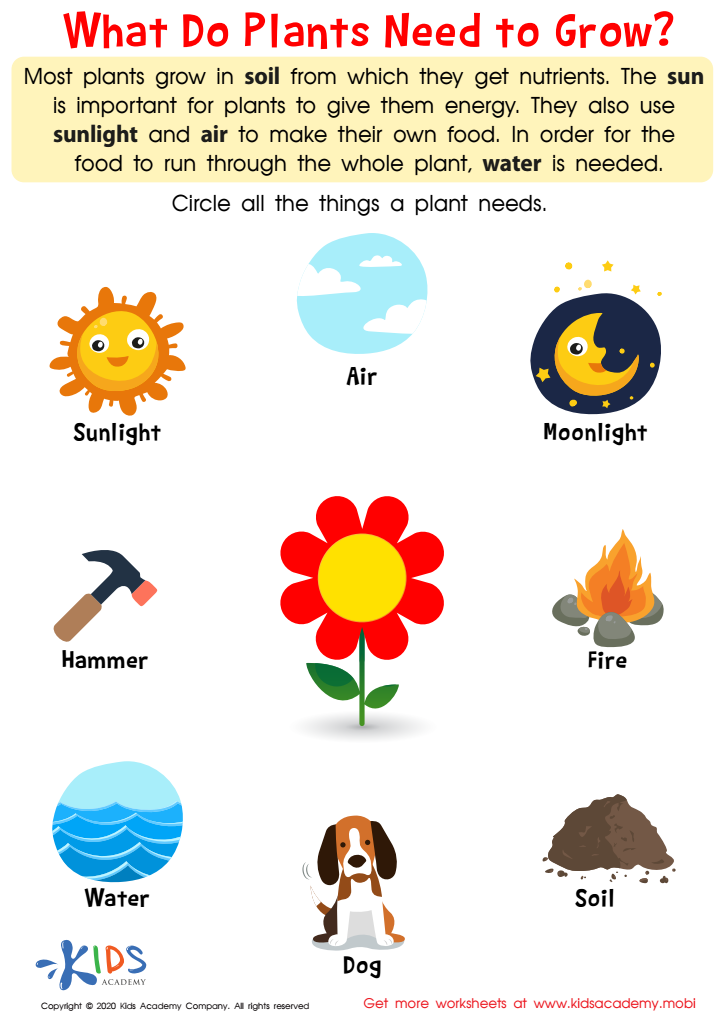
What Do Plants Need to Grow Worksheet
Jungle Plants Worksheet
 Assign to My Students







Plant identification is an important skill for young children ages 3-9, offering several benefits to their overall development. First, it cultivates an early appreciation for nature, fostering an emotional connection to the environment. This can promote lifelong environmental stewardship and a respect for living organisms.
Educationally, the practice enhances observational skills and critical thinking. As children learn to differentiate between various plant species, they develop attention to detail and classification abilities that are foundational in scientific learning. This hands-on experience can complement classroom instruction in subjects like science and geography, making abstract concepts tangible.
Health-wise, engaging with nature helps reduce stress and encourages physical activity. Spending time outdoors while identifying plants can improve mood and focus, creating a component for healthier lifestyles.
Socially, plant identification often entails group activities, thereby building teamwork and communication skills. Children can learn to share, discuss their findings, and appreciate different perspectives, fostering a sense of community.
Finally, understanding which plants are beneficial or harmful can enhance safety knowledge. Identifying poisonous plants like poison ivy can prevent adverse reactions, teaching important life skills in situational awareness.
In conclusion, incorporating plant identification into the education of young children offers a multifaceted approach to enhancing awareness, knowledge, and health, benefiting both their immediate well-being and future outlook.