Visual recognition Community Worksheets for Ages 3-9
4 filtered results
-
From - To
Introduce your young learners to our engaging "Visual Recognition Community Worksheets for Ages 3-9." These expertly crafted worksheets help children develop foundational visual recognition skills while exploring different aspects of their communities. Perfect for preschool through early elementary students, our printable resources include vibrant images and interactive activities designed to boost cognitive development and social understanding. Kids will learn to identify community helpers, everyday objects, and important locations, all while honing their ability to recognize patterns and details. Make learning fun and effective with our community-themed worksheets, tailored to support your child's educational journey.
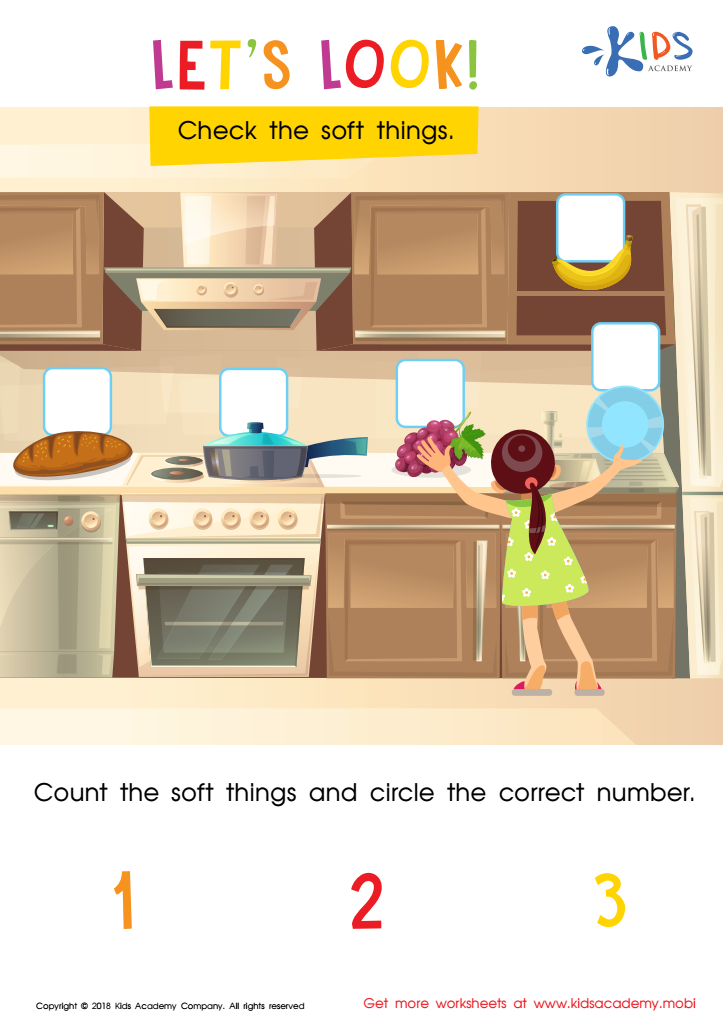
Let's Look! Assessment Worksheet
 Assign to My Students
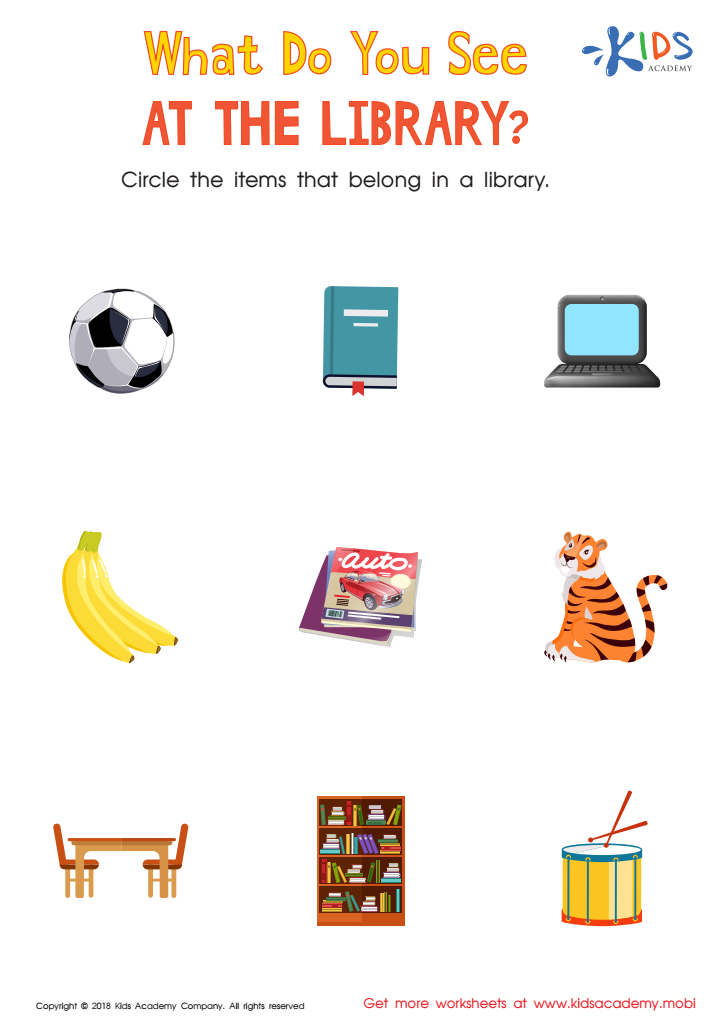
What Do you See at the Library? Worksheet
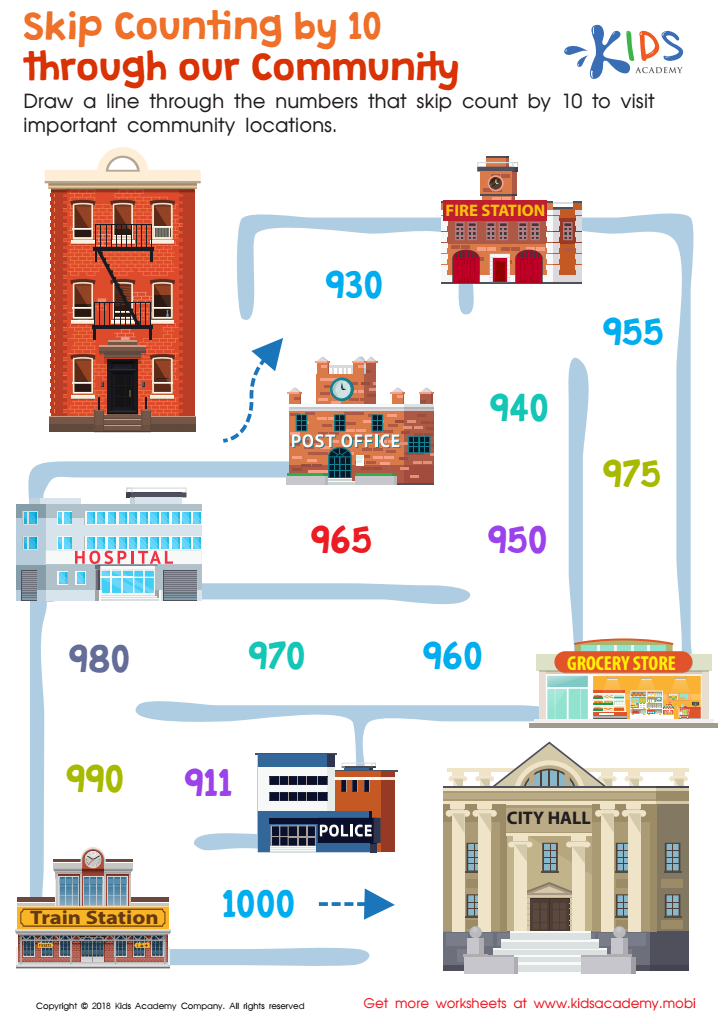
Skip Counting by 10 Through Our Community Worksheet
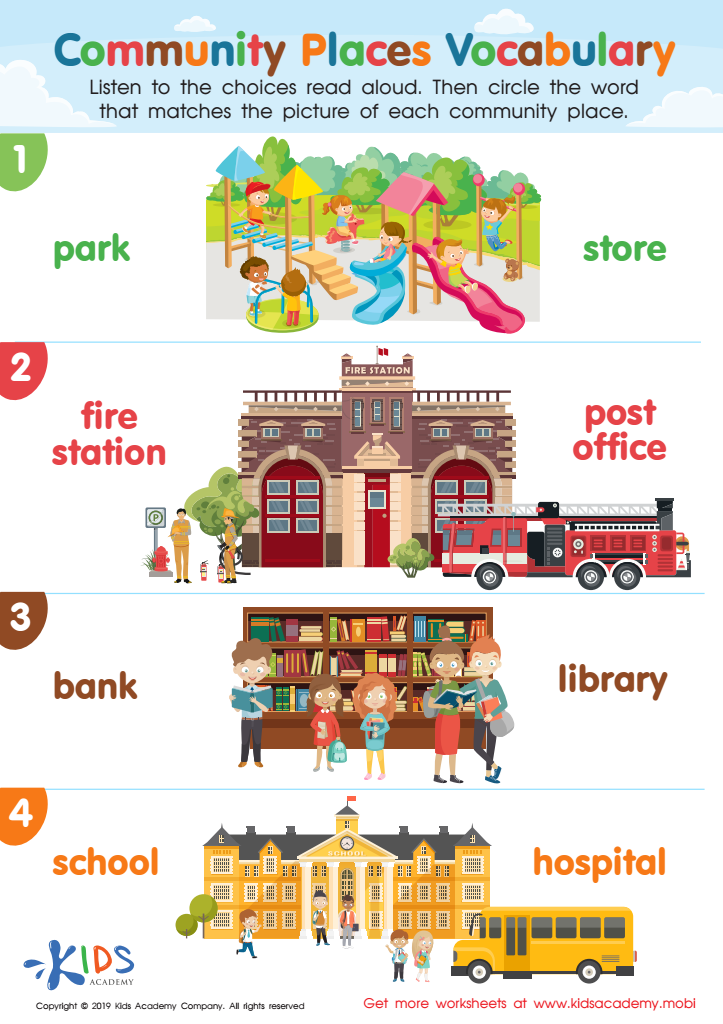
Community Places Vocabulary Worksheet








Parents and teachers should prioritize Visual Recognition Community (VRC) initiatives for children aged 3-9 because these early years are critical for cognitive, social, and emotional development. The VRC approach leverages children’s natural curiosity and propensity for visual learning, significantly enhancing their ability to understand and interact with the world around them. At this age, visual recognition skills are foundational; they support reading and writing by helping children distinguish between different letters, shapes, and patterns.
Engaging with a nurturing Visual Recognition Community can also bolster a child's critical thinking and problem-solving abilities. Learning to identify and classify objects and events in their environment improves their overall cognitive function, making it easier to grasp more complex concepts as they grow.
Furthermore, the VRC promotes social skills and collaboration. By participating in group activities centered around visual tasks, children learn to take turns, share, and communicate effectively. These social interactions are crucial for their overall emotional intelligence and can foster a positive and inclusive classroom culture.
Therefore, incorporating VRC elements into early childhood education not only supports academic success but also nurtures well-rounded, socially adept, and cognitively advanced children. This well-rounded developmental strategy ensures that kids are more prepared both educationally and socially for future challenges.








