Categorization skills World Around Us Worksheets for Ages 3-9
3 filtered results
-
From - To
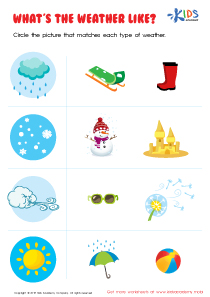
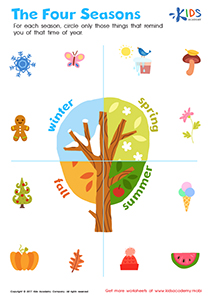
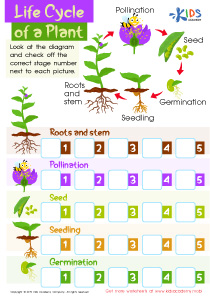
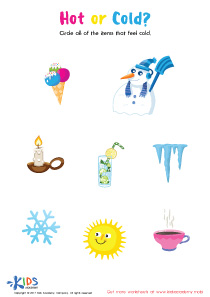
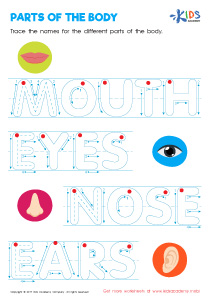
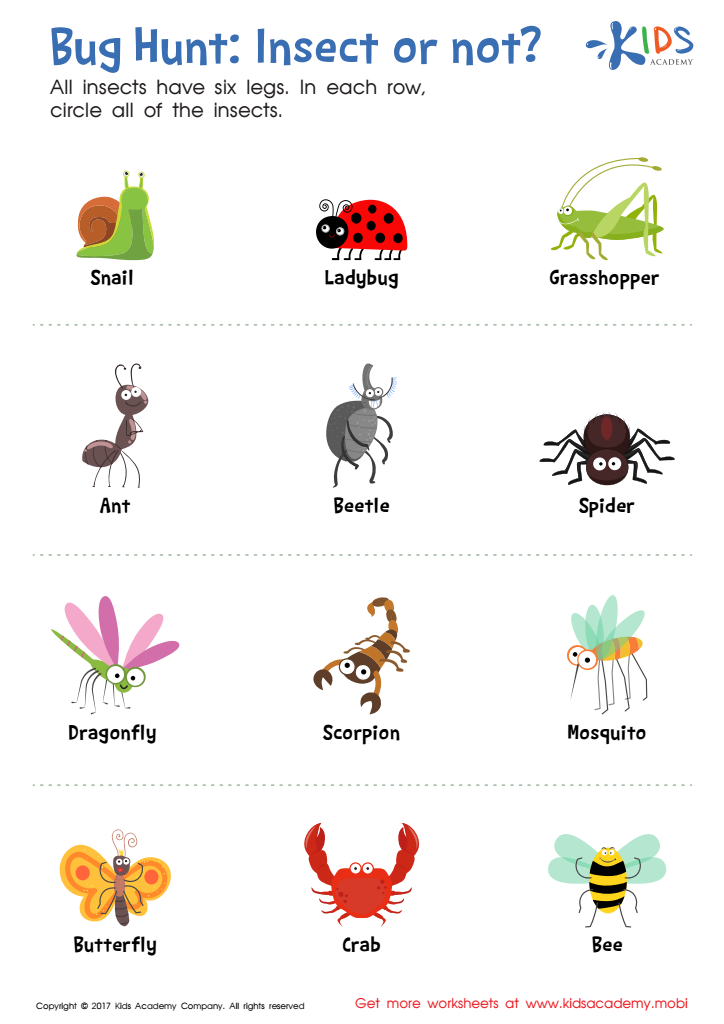
Discover our engaging "Categorization Skills World Around Us Worksheets for Ages 3-9," designed to enhance young learners' understanding of their environment through fun and interactive activities. These worksheets focus on essential skills such as grouping, sorting, and identifying similarities and differences among objects. With vibrant illustrations and age-appropriate exercises, children will explore categories related to animals, plants, and everyday items, making learning enjoyable. Perfect for home or classroom use, these worksheets not only boost critical thinking and cognitive development, but also foster curiosity about the world. Equip your child with vital categorization skills today for a brighter tomorrow!
 Assign to My Students
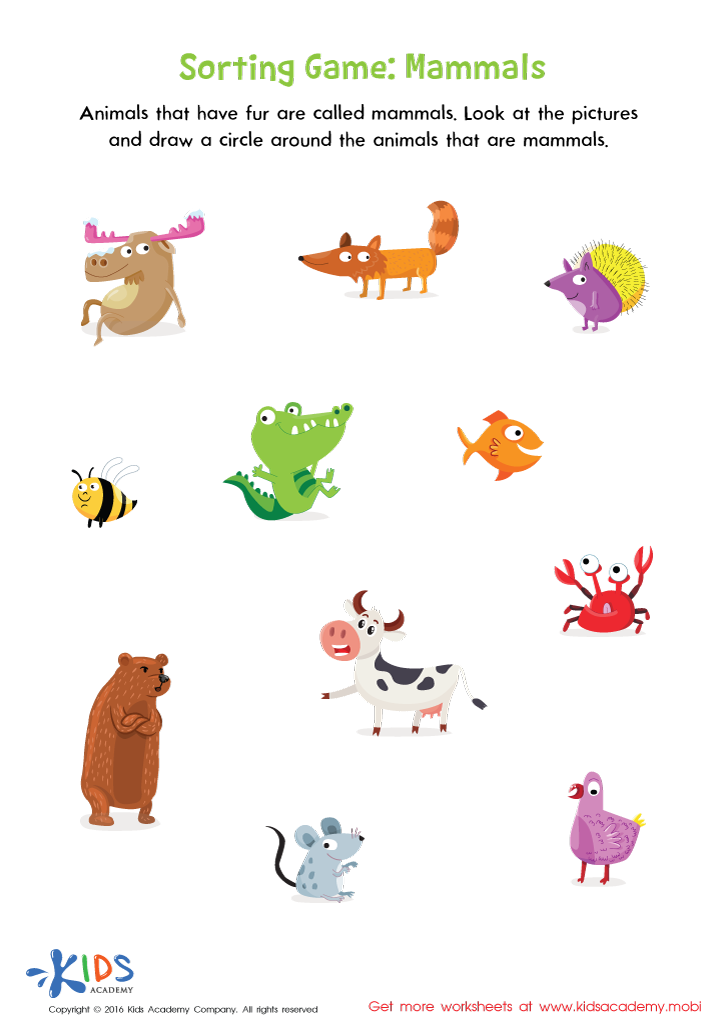
Mammals Sorting Worksheet
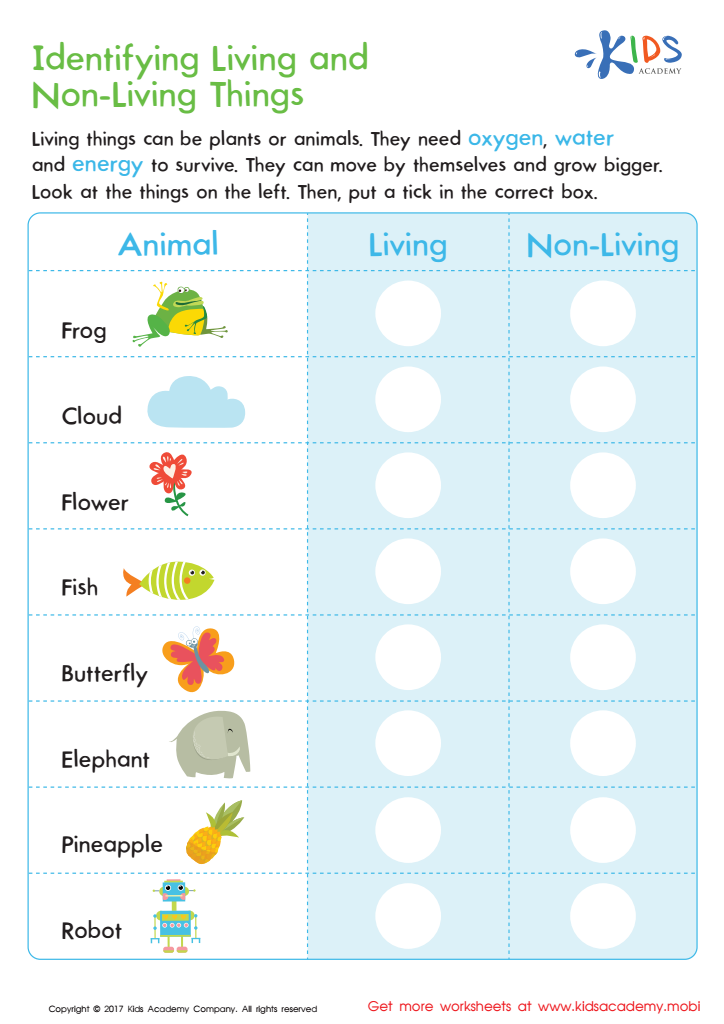
Identifying Living or Non–living Worksheet



.jpg)
.jpg)



Categorization skills are crucial for children aged 3-9, as they form the foundation for cognitive development and understanding the world around them. These skills empower children to organize and classify information based on shared attributes, such as size, shape, color, and function. This ability promotes critical thinking, problem-solving, and enhances vocabulary, allowing children to communicate their observations and thoughts more effectively.
By learning to categorize, children develop logical reasoning and learn to make connections between different concepts, which is essential for subjects like science, math, and literacy. For parents and teachers, nurturing these skills provides a pathway for fostering independent thinking and creativity in children.
Moreover, categorization encourages observation and exploration, helping children make sense of their environment—be it in nature, at home, or in a classroom. Engaging in activities that promote categorization, such as sorting toys, organizing books, or participating in group projects, aids in social skills development as they learn to collaborate and share ideas with peers. By prioritizing categorization skills, caregivers and educators are equipping children with essential tools for lifelong learning, ensuring they thrive both academically and in everyday life.