Counting skills World Around Us Worksheets for Ages 3-9
5 filtered results
-
From - To
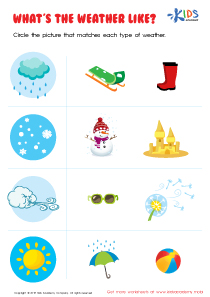
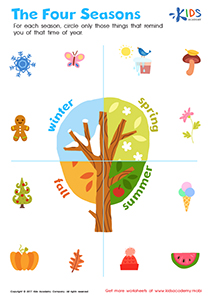
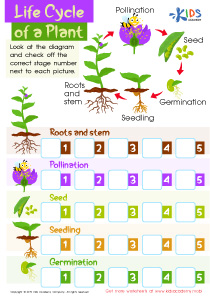
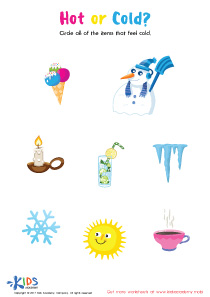
Enhance your child's counting skills with our "World Around Us" worksheets, designed specifically for ages 3 to 9! These engaging activities introduce young learners to numbers and counting through fun themes inspired by their environment. From counting animals in nature to exploring objects at home, each worksheet promotes hands-on learning and helps develop essential mathematical abilities. Our resources are perfect for both classroom use and at-home practice. With vibrant illustrations and age-appropriate exercises, children will enjoy mastering numbers while discovering the world around them. Equip your little ones with the foundational skills they need to thrive in math and beyond!
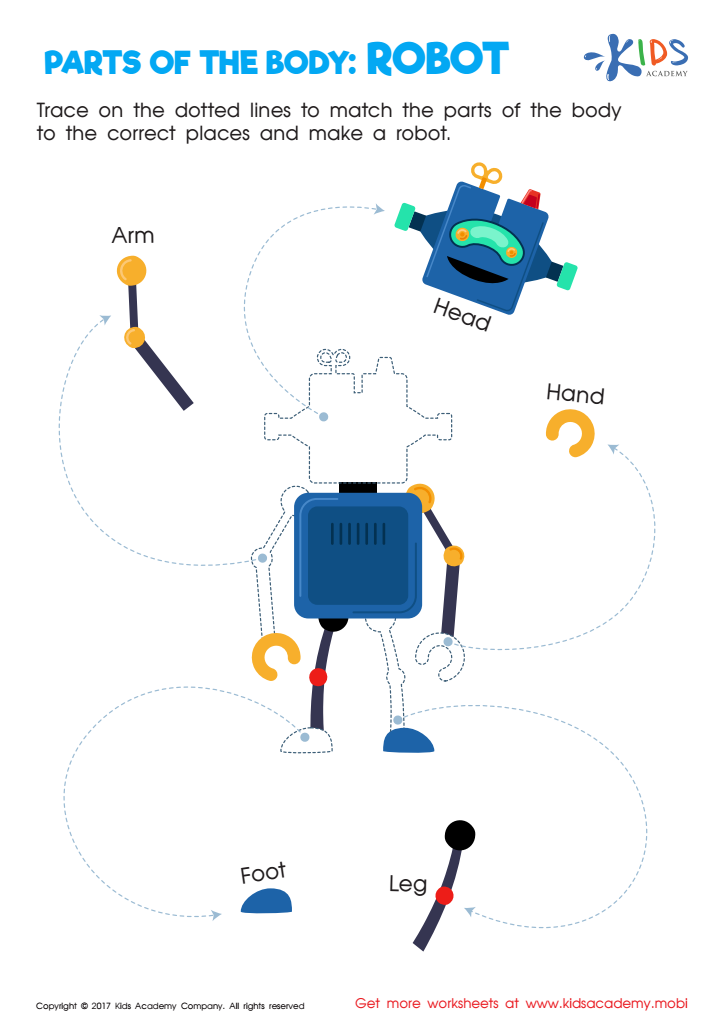
Robot Printable
 Assign to My Students
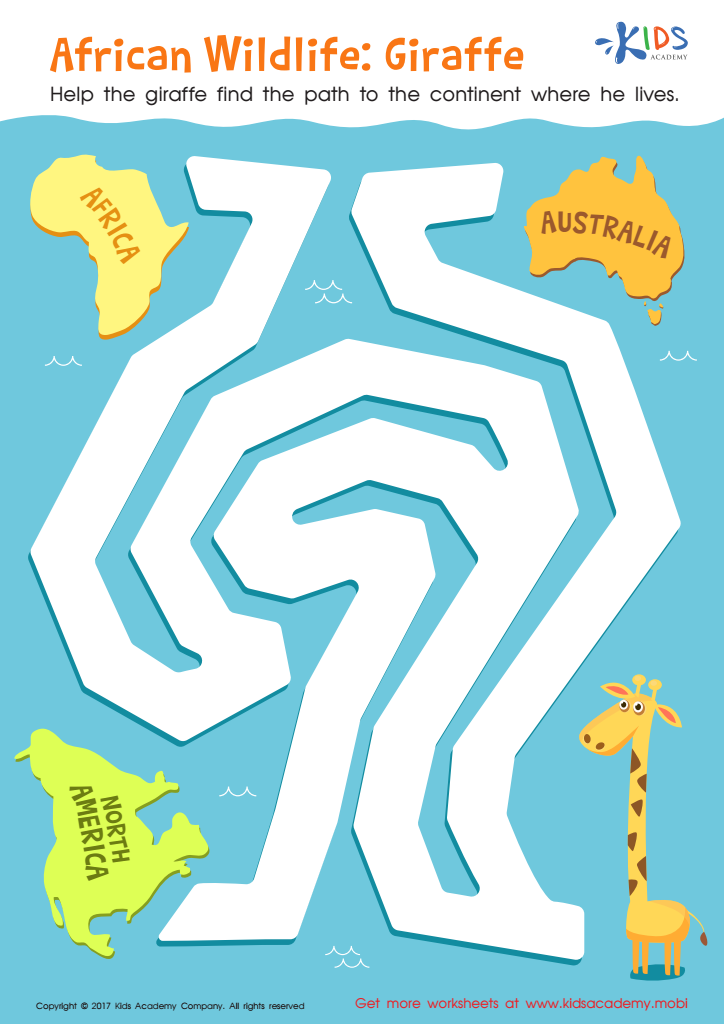
African Wildlife: Giraffe Worksheet
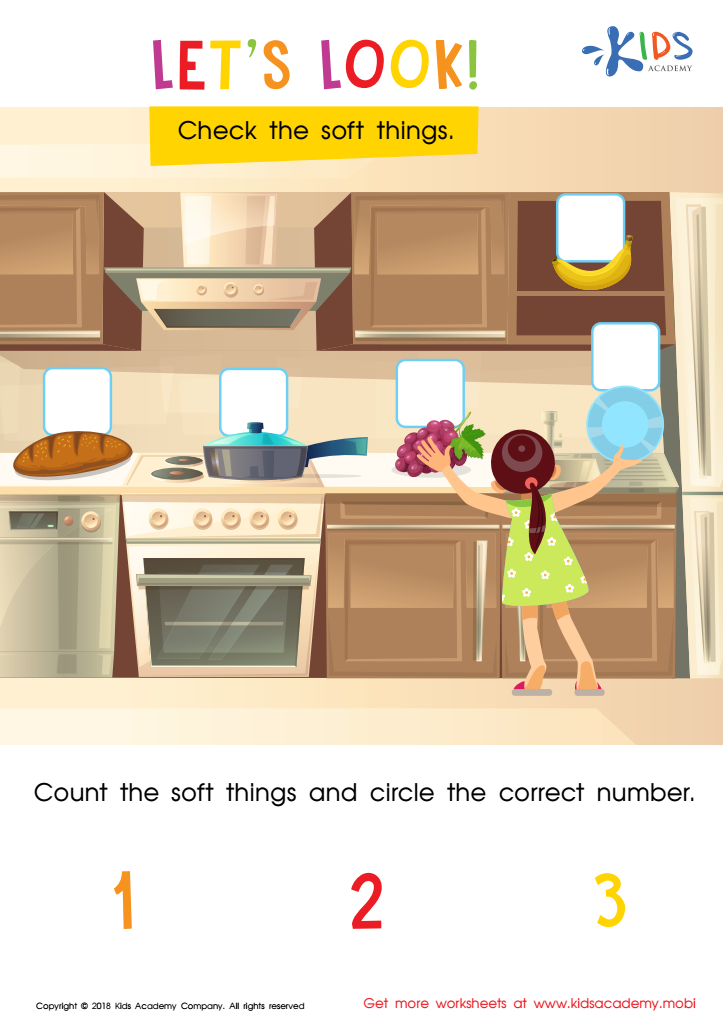
Let's Look! Assessment Worksheet
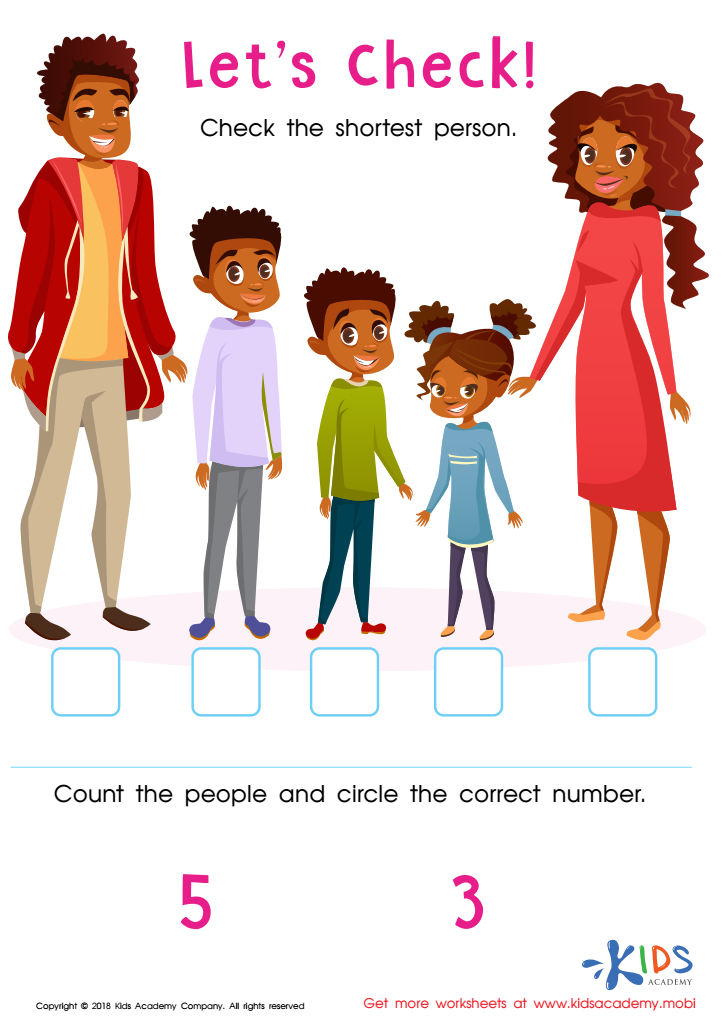
Let's Check! Assessment Worksheet
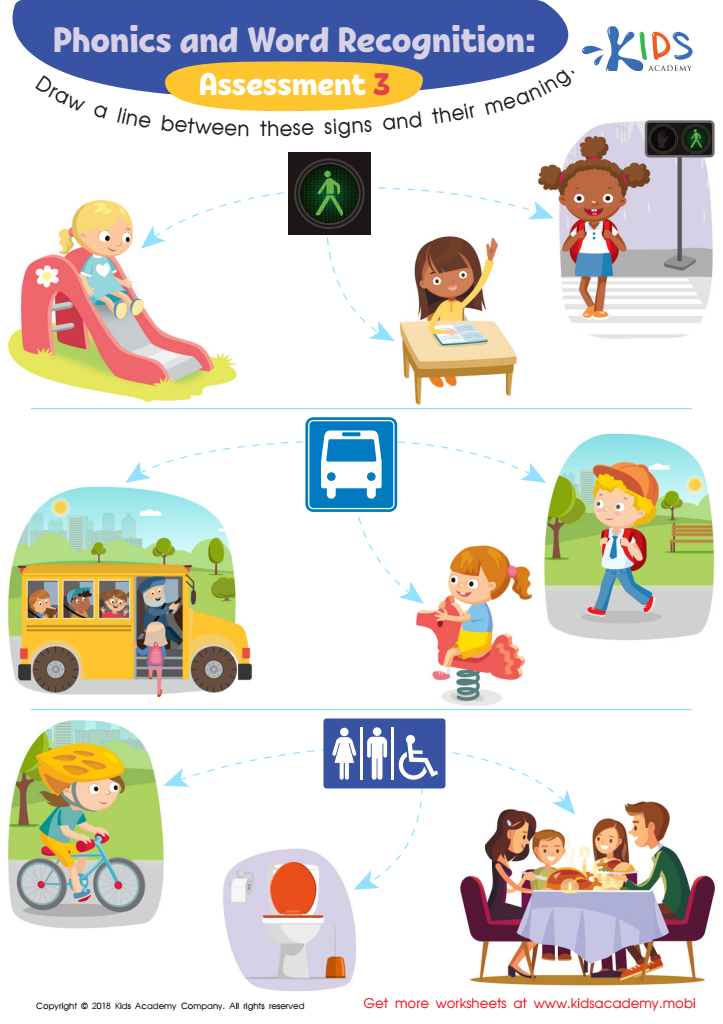
Phonological Awareness: Assessment 3 ELA Worksheet





.jpg)
Counting skills are a fundamental building block in early childhood education, significantly impacting a child's cognitive development and future academic success. For children aged 3-9, these skills serve as a gateway to understanding more complex mathematical concepts. When parents and teachers focus on counting skills, they are not just teaching numbers; they are promoting critical thinking and problem-solving abilities.
In early childhood, counting helps children comprehend quantity and develop one-to-one correspondence, foundational skills for later math learning like addition and subtraction. More importantly, counting connects with various aspects of the world around us. It encourages curiosity about the environment, prompting children to count objects, explore patterns, and recognize relationships, enhancing their observational skills.
Moreover, counting activities can be incorporated throughout daily life—whether it’s counting toys, snacks, or steps taken—that make learning organic and engaging. Parents and teachers who nurture these skills are laying the groundwork for better academic performance in school. By valuing counting skills, they support children in becoming confident learners who embrace math as a part of everyday life, paving the way for successful futures. Hence, fostering counting skills should be a communal goal, justifying the crucial roles of parents and educators.