Alphabet Recognition Grammar Worksheets for Ages 3-9
3 filtered results
-
From - To
Enhance your child’s learning experience with our engaging "Alphabet Recognition Grammar Worksheets for Ages 3-9" at Kids Academy. Designed by education experts, these worksheets help young learners recognize, write, and differentiate letters while developing foundational grammar skills. Suitable for preschoolers through early elementary students, our fun and interactive worksheets feature colorful illustrations and exciting activities that keep children motivated. Whether starting with basic letter identification or advancing to writing and grammar exercises, our resources support every step of your child’s journey to literacy. Explore our collection today and give your child a head start in language learning!
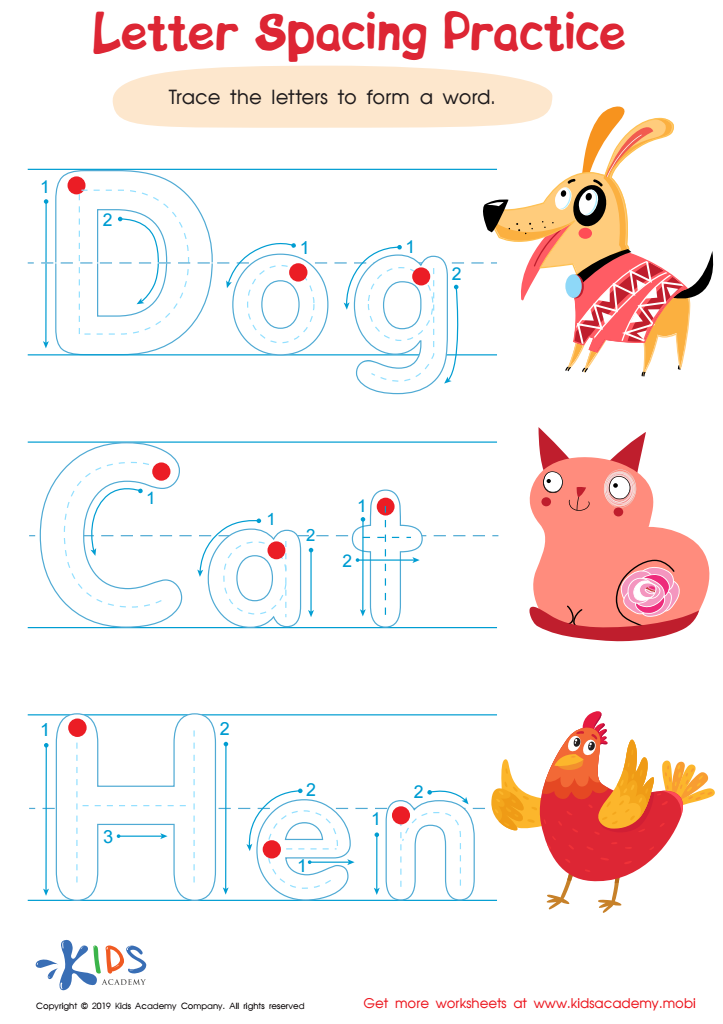
Letter Spacing Practice Worksheet
 Assign to My Students
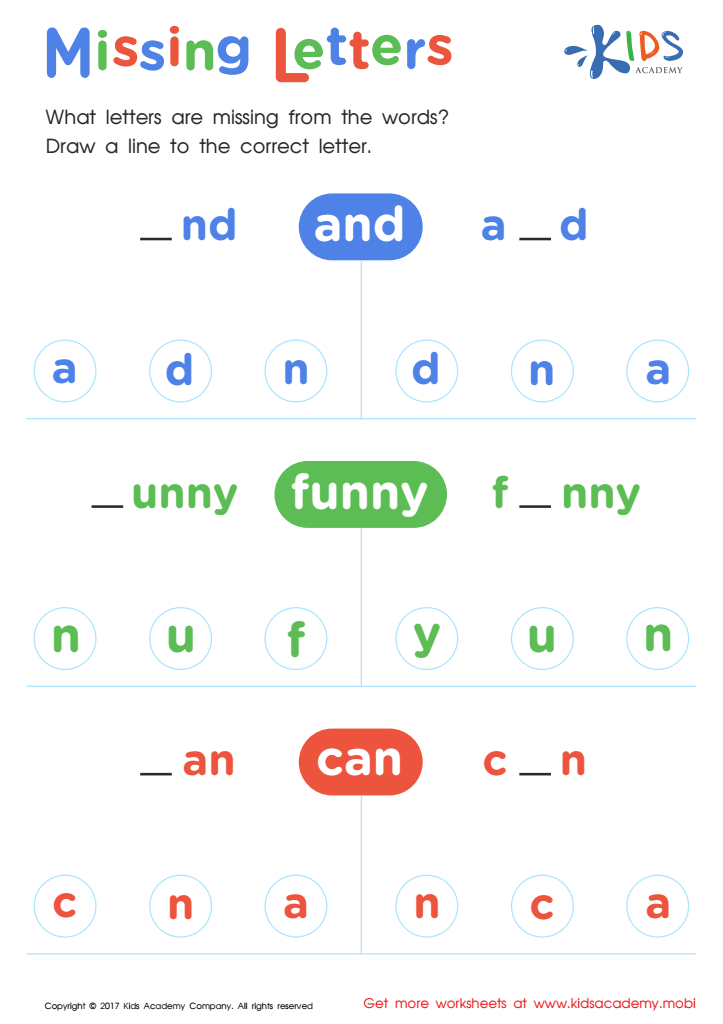
Missing Letters Worksheet
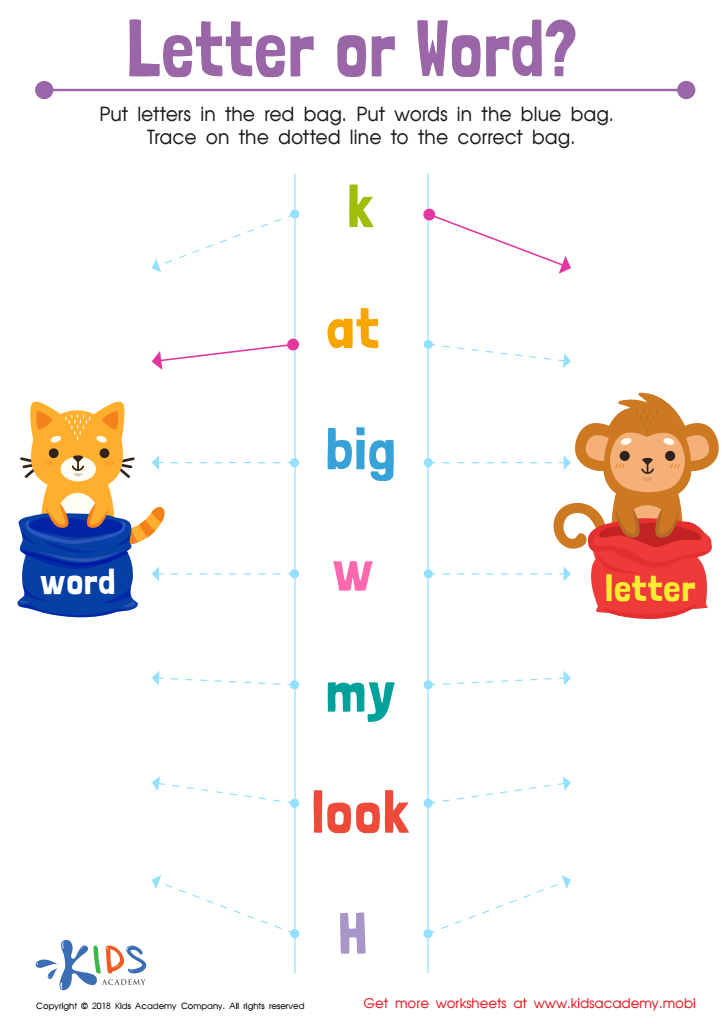
Letter or Word? Worksheet






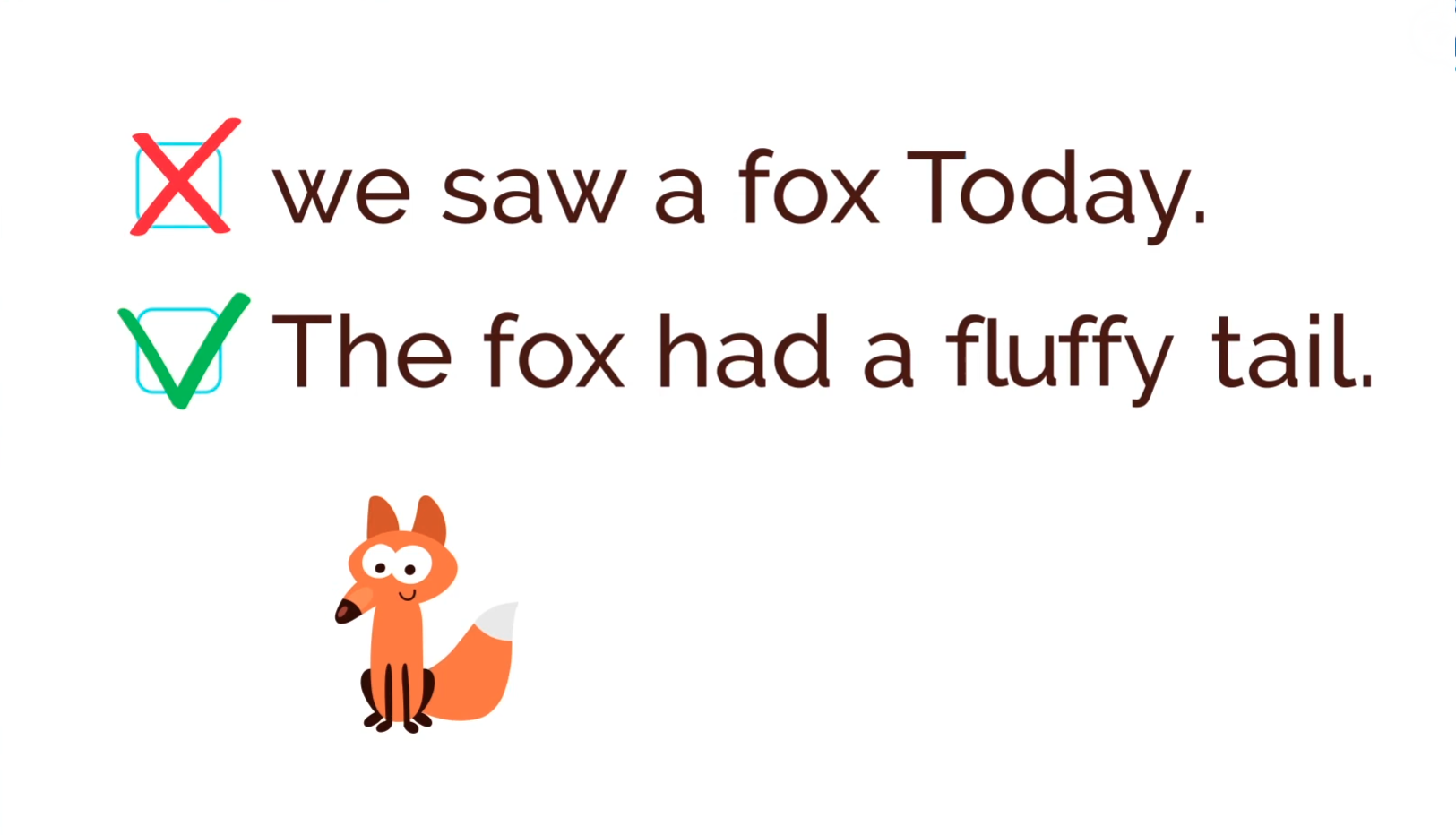
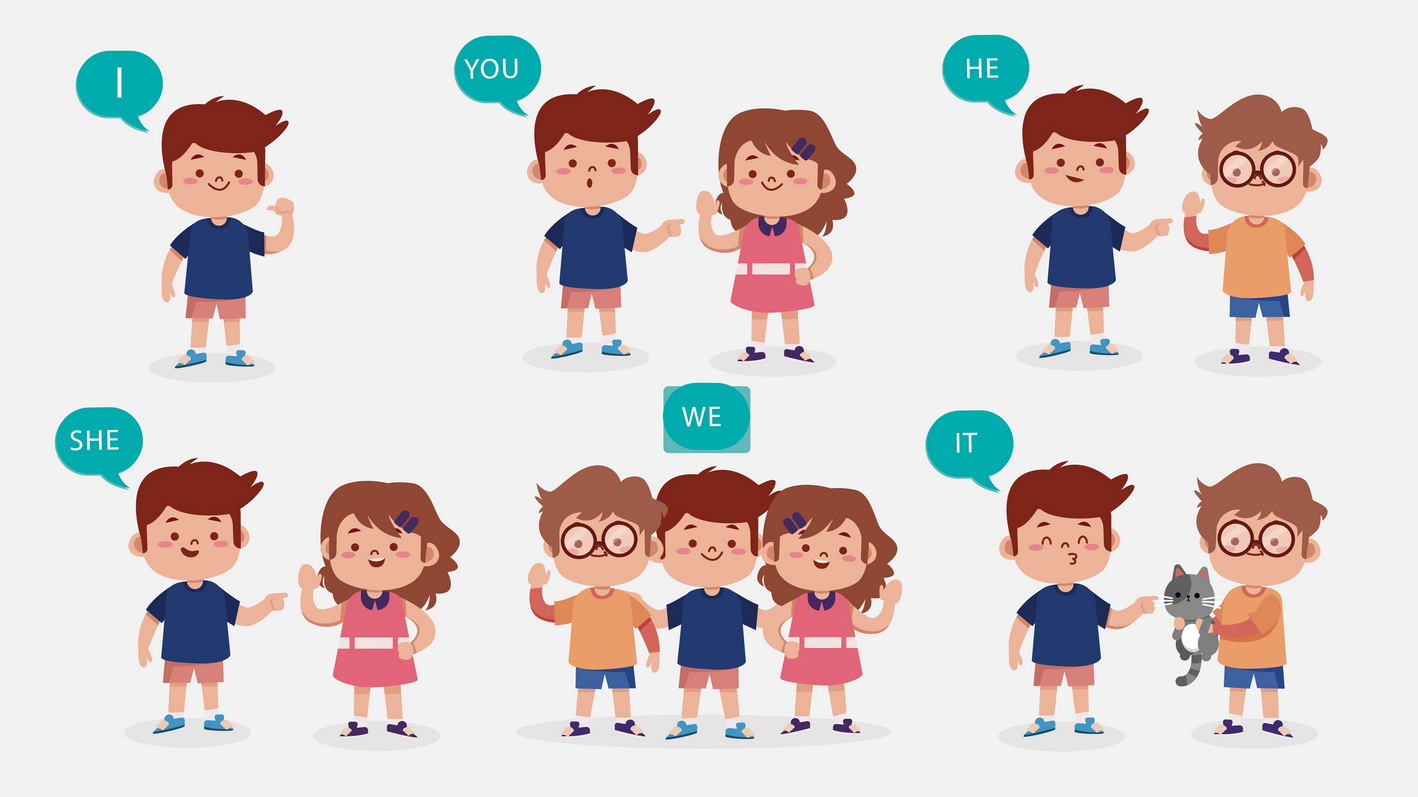
Alphabet recognition grammar for children ages 3-9 is fundamental for several key reasons. Firstly, understanding the letters of the alphabet forms the basis of reading and writing skills. When young children recognize letters, they start making connections between letters and sounds. This phonemic awareness is crucial to decoding words and comprehending text, which supports their overall literacy development.
Moreover, early mastery of alphabet recognition promotes confidence and enthusiasm toward learning. When children are familiar with the alphabet, they can participate more fully in classroom activities, which enhances their love for learning and school engagement. This positive attitude is important for their academic success moving forward.
Additionally, alphabet recognition forms the building blocks for more advanced language skills, such as spelling and grammar. Knowing the letters equips children with the tools to start forming words and eventually sentences. Grammatical skills, in turn, allow children to communicate ideas more effectively, both in writing and verbally, which benefits them socially and academically.
Early literacy skills are strong predictors of later academic performance. Research shows that children who grasp alphabet recognition and basic grammar early on tend to perform better not just in reading and writing but across various subjects. Therefore, both parents and teachers should prioritize alphabet recognition grammar to set children on a path toward lifelong learning.








