Writing practice Letter A Worksheets for 3-Year-Olds
3 filtered results
Difficulty Level
Grade
Age
-
From - To
Subject
Activity
Standards
Introduce your 3-year-old to the joys of writing with our "Letter A Writing Practice Worksheets." Specially designed for little learners, these engaging worksheets help children recognize, trace, and write the letter "A" through fun and interactive activities. Each page combines playful illustrations with clear, step-by-step instructions to boost confidence and develop essential handwriting skills. Perfect for preschool or at-home practice, these worksheets lay a strong foundation for early literacy and fine motor development. Discover an enjoyable way to nurture your child's educational journey with our expertly crafted writing practice materials.
Favorites
With answer key
Interactive
Letter A Tracing Page
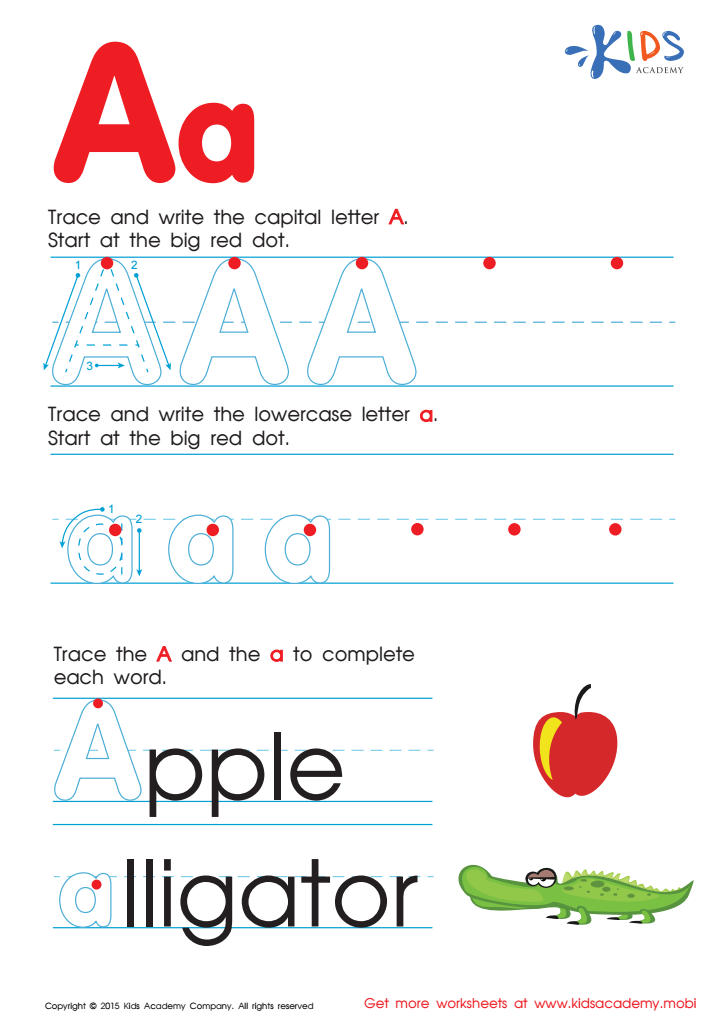
Trace and write the letter "A"! Start with the big red dot, then do the capital and lowercase versions. Then write it again with two words - apple and alligator. Download more tracing worksheets at Kids Academy.
Letter A Tracing Page
Worksheet
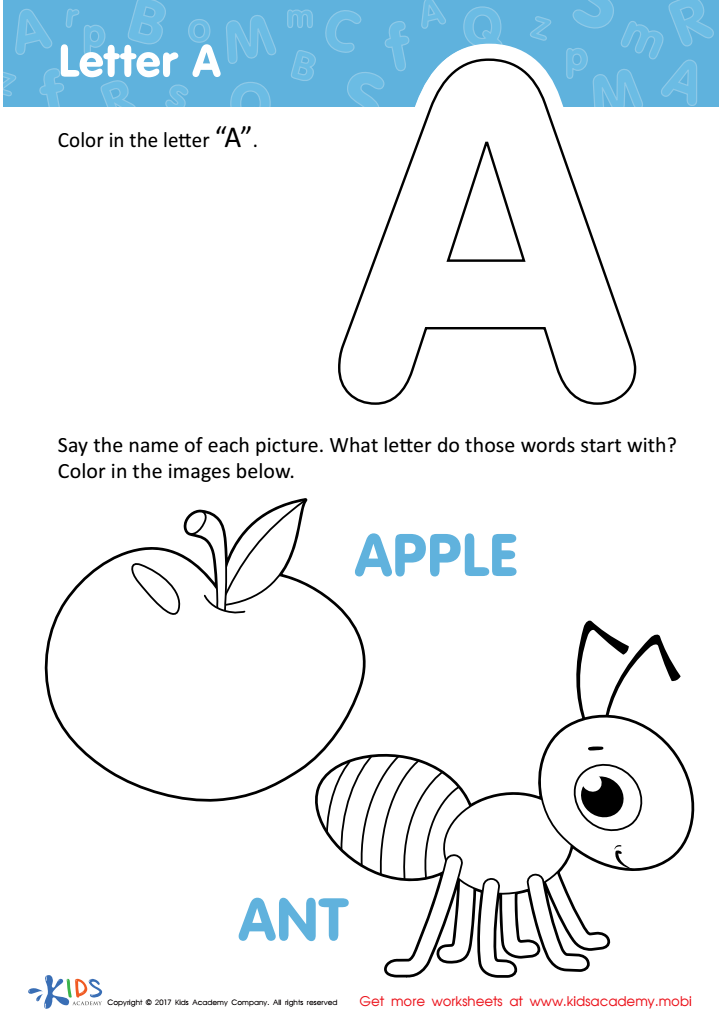
Letter A Coloring Sheet
This letter "A" coloring page is great for introducing kids to the alphabet! Let them exercise their creativity while they learn to recognize letters and sounds - it's a fun and easy way to help them get started.
Download (PDF)
 Assign to My Students
Assign to My Students
Letter A Coloring Sheet
Worksheet
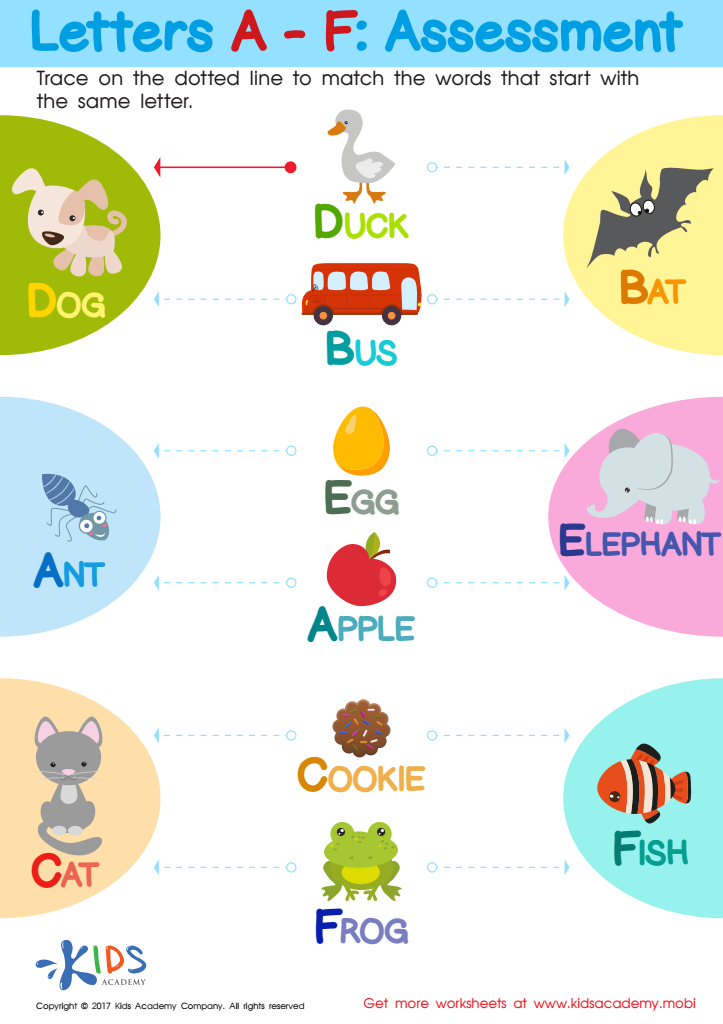
Letters A - F Worksheet
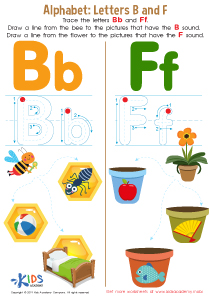
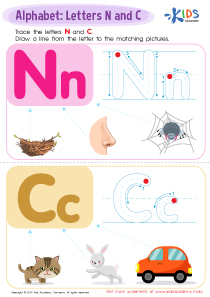
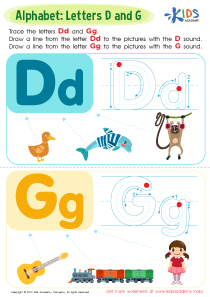
Help your child develop their reading skills with this fun phonics worksheet aimed at preschoolers. They can match letters A-F using colorful words and pictures. Assist your child by sounding out the letters and words - it's a great way to learn!
Letters A - F Worksheet
Worksheet
Join Kids Academy for Free
Who is primarily going to use this learning content?








Writing practice is crucial for the cognitive and motor development of 3-year-olds, and focusing on the letter "A" serves as an ideal starting point. At this young age, children are rapidly developing fine motor skills that are essential for holding and manipulating writing tools. Practicing the letter "A" helps establish hand-eye coordination, precision, and muscle memory, which are foundational for overall writing skills.
Furthermore, early exposure to writing fosters important academic readiness. Familiarizing children with letters and their shapes primes them for literacy development, making the transition to reading and writing in kindergarten smoother. The letter "A" holds particular significance as it is the first letter of the alphabet, introducing children to the concept of alphabetical order and phonetics. This practice also stimulates cognitive abilities such as pattern recognition, which are vital for recognizing more complex words and sentences later on.
Additionally, the engagement in writing activities provides a medium for creative expression. When children successfully form letters, they experience a sense of accomplishment, which boosts confidence and encourages a lifelong love for learning. Both parents and teachers play critical roles in fostering this early interest in writing, setting the stage for academic success and a well-rounded education.