Letter recognition Letter R Worksheets for 3-Year-Olds
3 filtered results
-
From - To
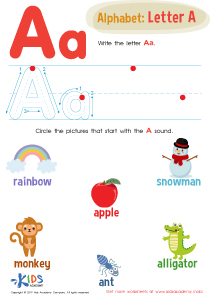
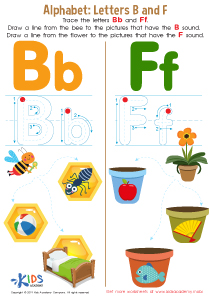
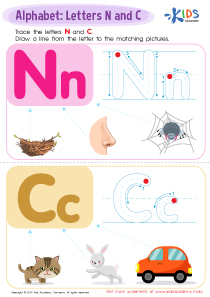
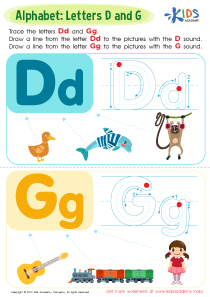
Our "Letter R Worksheets for 3-Year-Olds" offer engaging and educational activities tailored to help young learners recognize and understand the letter R. Through fun and interactive exercises, children will practice identifying, tracing, and pronouncing the letter R, boosting their early literacy skills. These worksheets are designed to captivate little minds, making learning enjoyable and effective. Perfect for home or classroom use, each printable sheet supports cognitive development and fine motor skills. Introduce your child to the exciting world of letters with our specially crafted resources, encouraging a love for reading and writing from an early age.
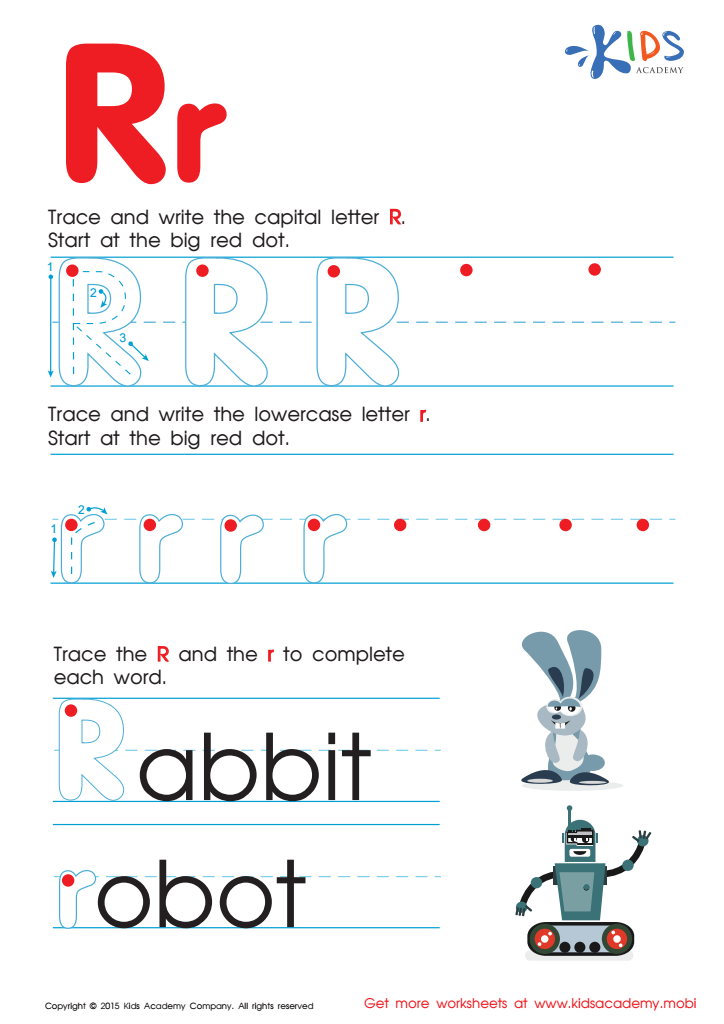
Letter R Tracing Page
 Assign to My Students
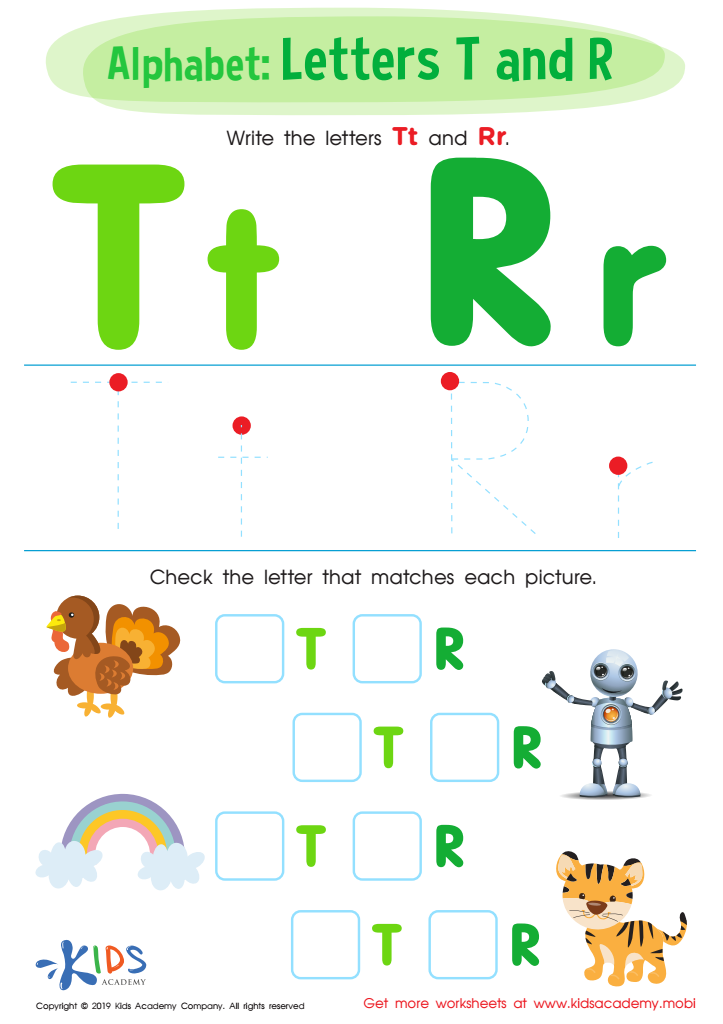
Letters T and R Worksheet
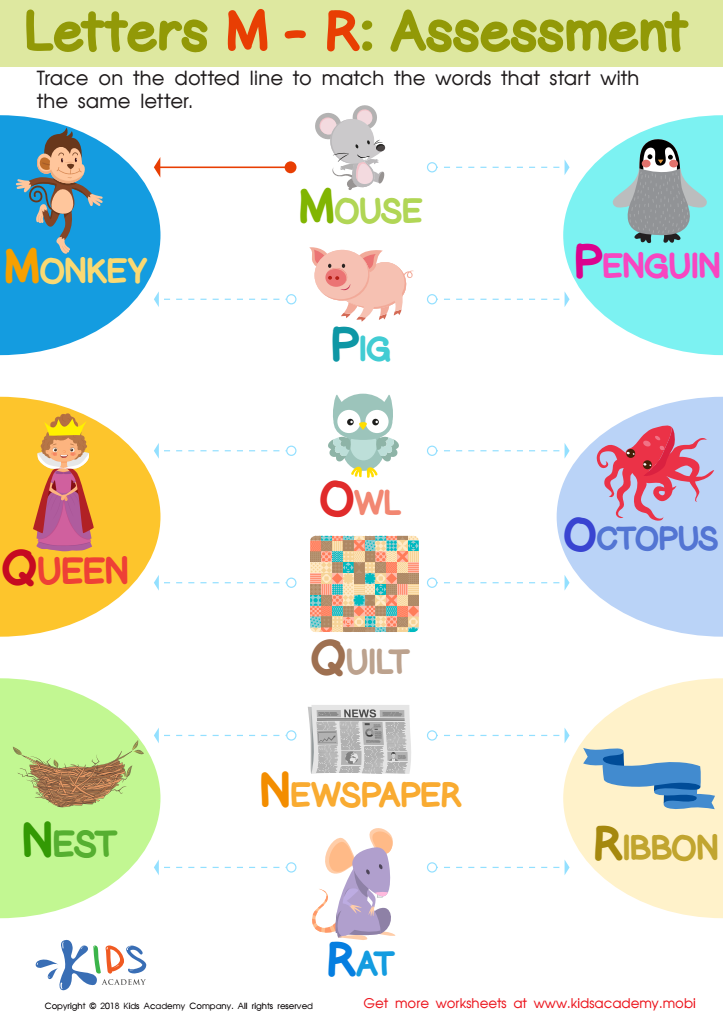
Letters M-R Tracing Worksheet






Letter recognition, including the letter "R," is fundamental to early literacy development, especially for three-year-olds. At this stage, children are in a critical period for brain development where foundational skills are rapidly taking shape. Recognizing letters aids in the development of phonemic awareness, the ability to hear and manipulate sounds in words, critical for reading proficiency.
When children identify the letter "R," and other letters, they form the building blocks of language comprehension. Early familiarization with letters boosts their ability to decode words, an essential skill for future reading and writing success. This recognition correlates with later academic achievements, not just in literacy but across all subjects that rely on the ability to read and comprehend instructions and information.
Additionally, mastering the letter "R" and others fosters confidence and encourages a love for learning. Positive early interactions with letters spark curiosity and set a pattern of engagement with educational activities. For three-year-olds, playful and engaging letter recognition activities help enhance fine motor skills, as they often involve tracing or physically manipulating letter shapes.
Parents and teachers play a crucial role by creating a literacy-rich environment. Prioritizing letter recognition can set strong foundations, making learning an enjoyable and integral part of a child's developmental journey. Early intervention ultimately primes children for greater academic and life successes.