Fine motor skills development Letter Recognition Worksheets for 3-Year-Olds
4 filtered results
-
From - To
Our Fine Motor Skills Development Letter Recognition Worksheets for 3-Year-Olds provide engaging, educational activities designed to enhance your child's motor skills while introducing them to the alphabet. Each worksheet is thoughtfully crafted to encourage dexterity through tracing, coloring, and interactive letter tasks. As children complete these fun exercises, they not only improve their hand-eye coordination and precision but also build a strong foundation in letter recognition. Perfect for early learners, these printable worksheets offer a balance of learning and play, setting your child on a path to successful reading and writing skills. Ideal for parents and educators seeking quality, age-appropriate resources.
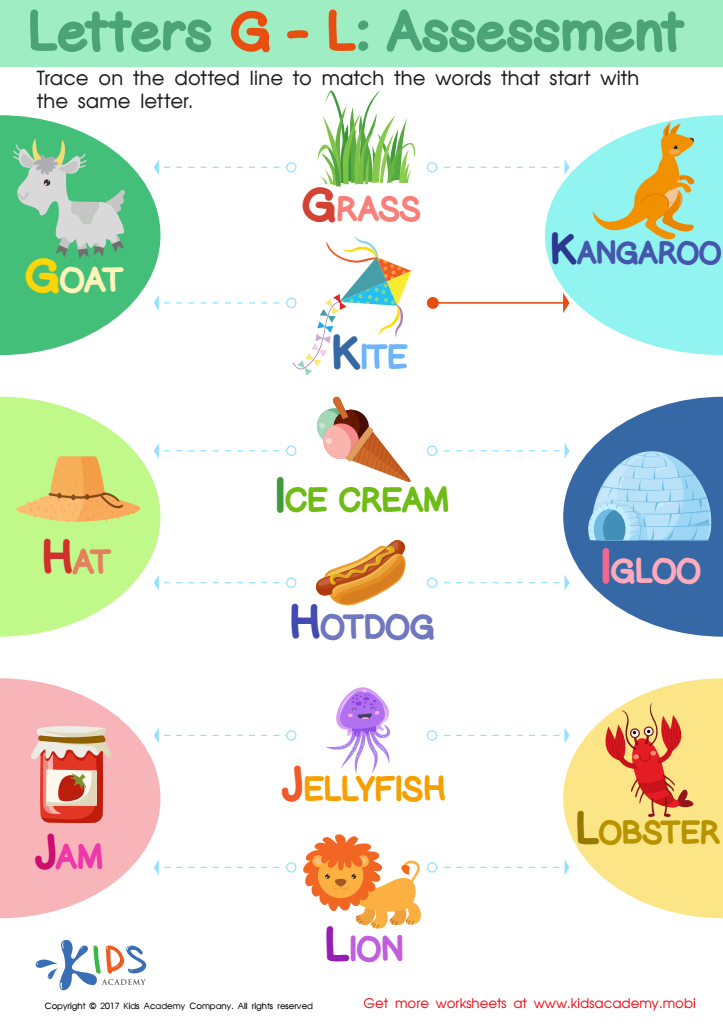
Letters G-L Worksheet
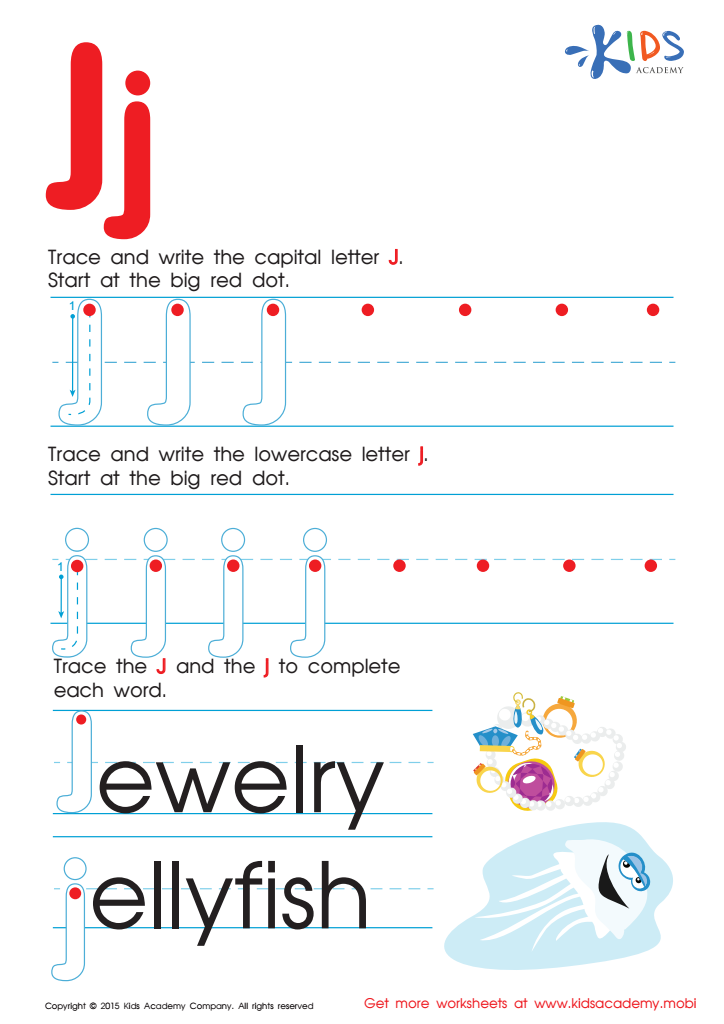
Letter J Tracing Page
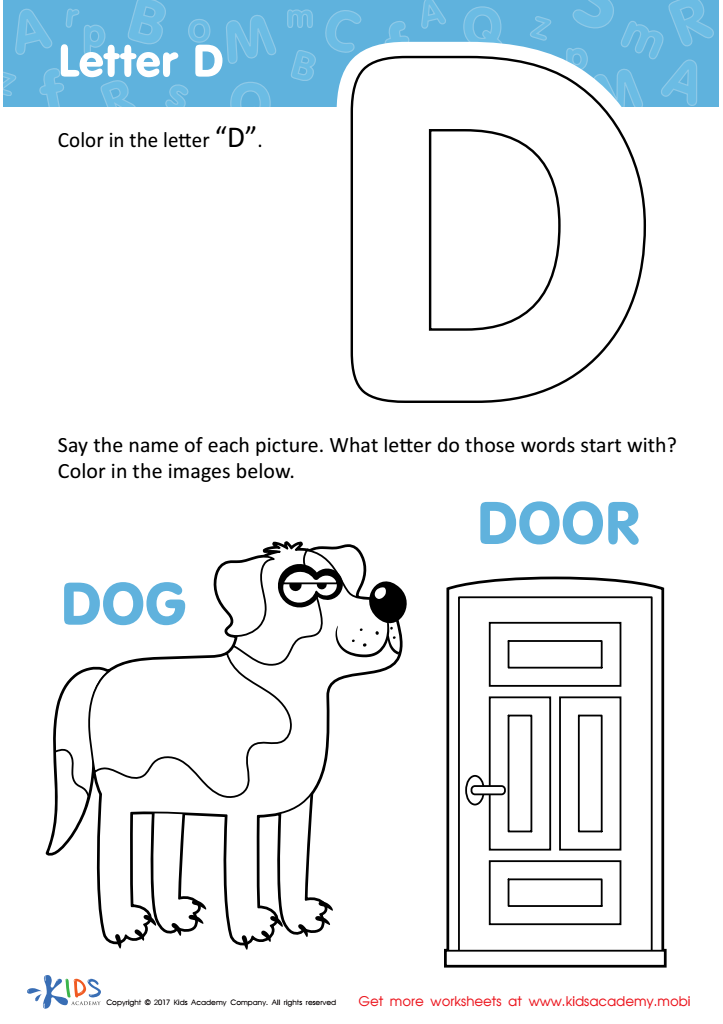
Letter D Coloring Sheet
 Assign to My Students
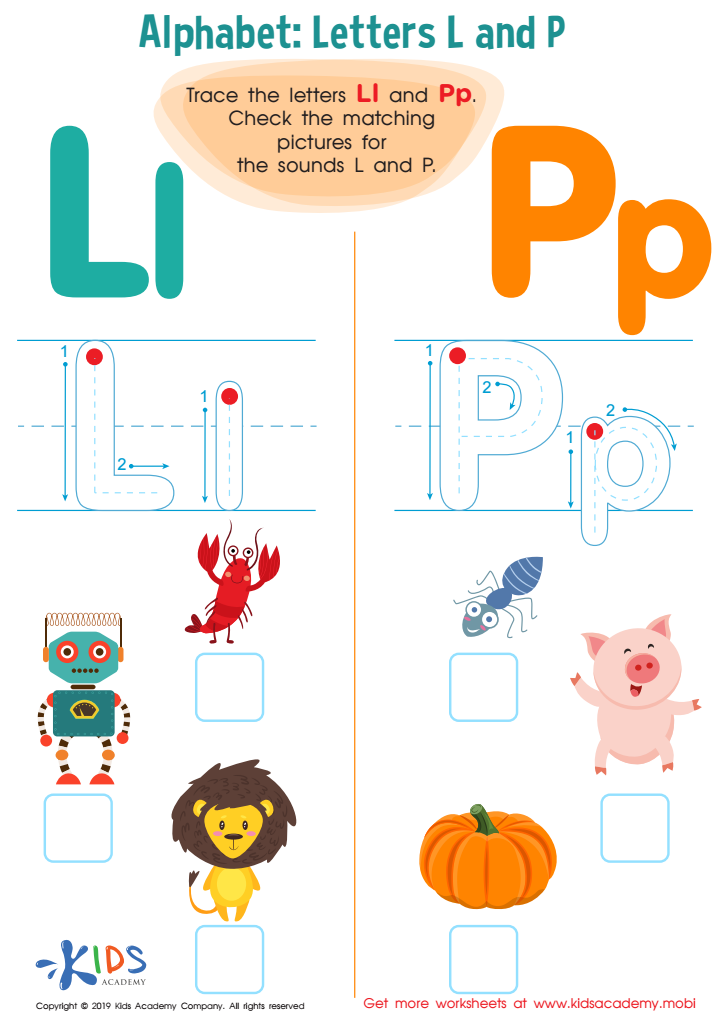
Letter L and P Tracing Worksheet








Fine motor skills and letter recognition are foundational skills that significantly impact a child’s early development and future academic success. At three years old, children are at a crucial stage where their brains are highly adaptable, and their bodies are developing rapidly. Fine motor skills involve the use of small muscles in the hands and fingers, pivotal for everyday tasks such as buttoning clothes, tying shoelaces, and eventually writing.
Developing fine motor skills is essential because it directly affects a child's ability to perform tasks essential for independence and learning. Engaging in activities such as drawing, cutting with scissors, and manipulating small objects helps strengthen these muscles, enhancing coordination and dexterity. This fine-tuned muscle control is crucial when children begin to learn to write, ensuring they can hold and use a pencil effectively.
Simultaneously, letter recognition represents an important cognitive milestone. Recognizing and naming letters is the first step toward reading and writing. When young children distinguish between different letters, they develop language and literacy skills, setting the stage for understanding that these symbols represent sounds and words.
Thus, integrating fine motor activities with letter recognition not only makes learning to read and write more accessible and enjoyable but also ensures holistic development, preparing children for the academic challenges ahead. Cultivating these skills early helps build a strong foundation for lifelong learning and success.







