Handwriting improvement Letter Recognition Worksheets for 3-Year-Olds
4 filtered results
-
From - To
Enhance your 3-year-old's handwriting with our specially designed Letter Recognition Worksheets. These fun, engaging activities facilitate early learning by focusing on letter shapes, promoting fine motor skills, and improving hand-eye coordination. Tailored for little hands, our worksheets help children recognize and print letters accurately, building a strong foundation for future writing skills. Perfect for preschoolers, our resources ensure a joyful learning experience while nurturing essential educational skills. Set your child on the path to successful handwriting with our expertly crafted worksheets, turning practice into playful discovery. Explore our collection today and watch your child's confidence soar!
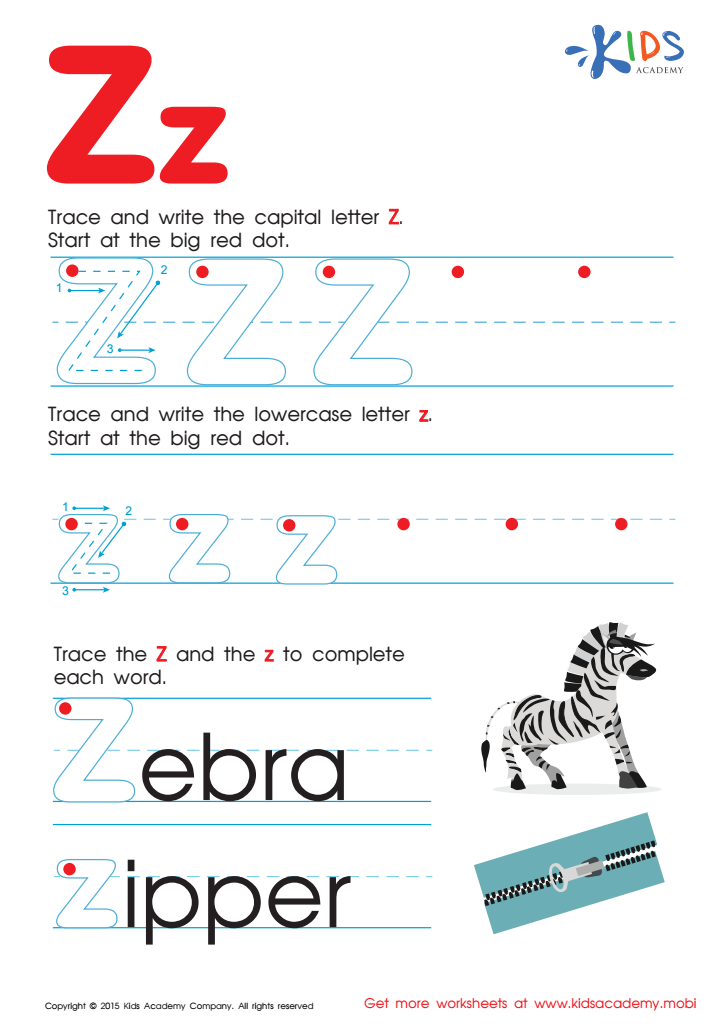
Letter Z Tracing Page
 Assign to My Students
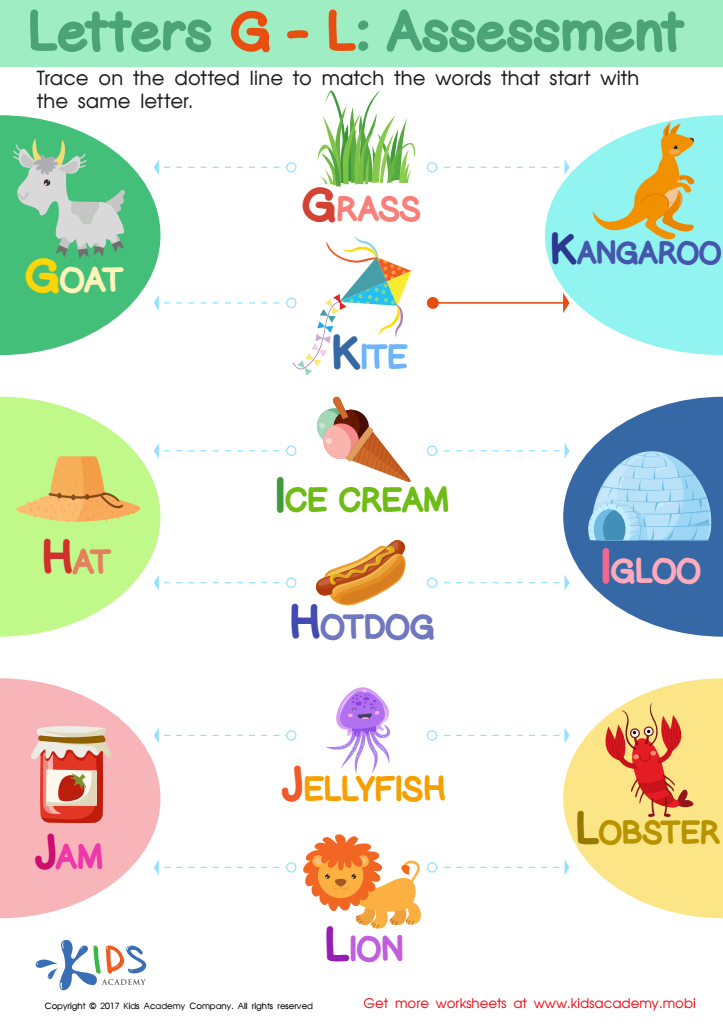
Letters G-L Worksheet
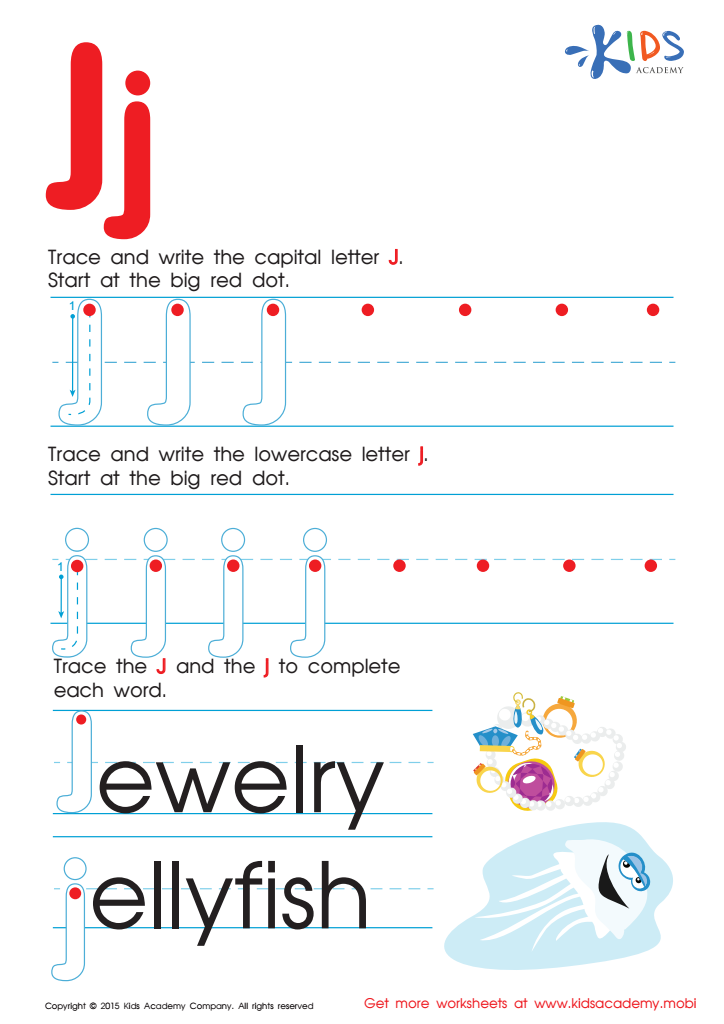
Letter J Tracing Page
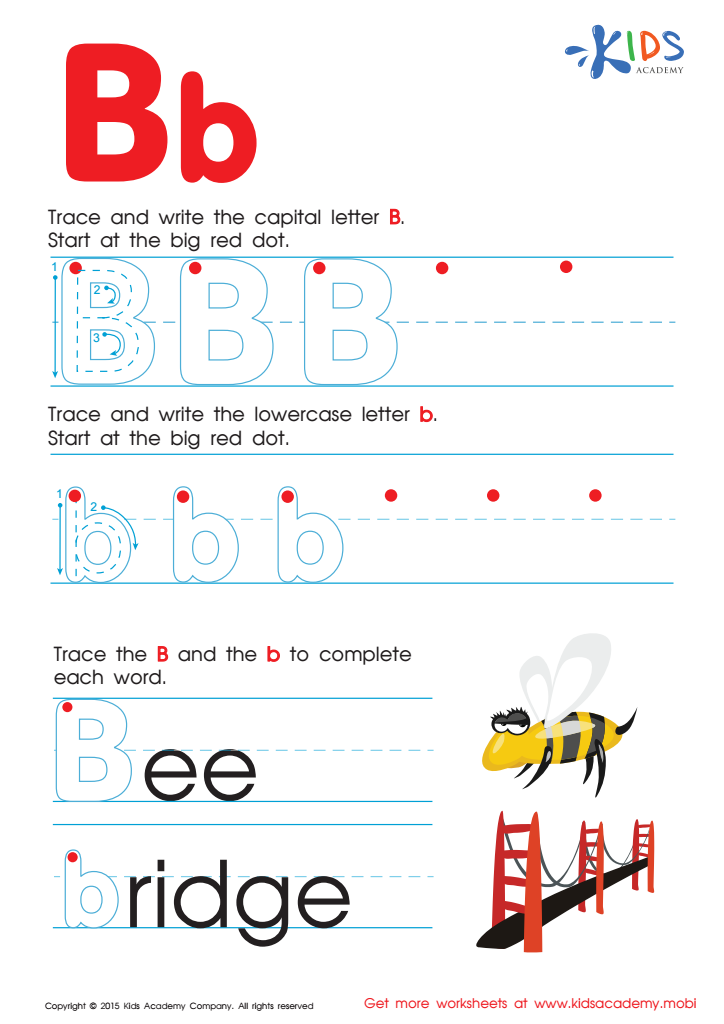
Letter B Tracing Page








Improving handwriting and letter recognition for 3-year-olds is crucial for several developmental reasons. At this age, children's brains are rapidly developing, and engaging in activities like handwriting and letter recognition nurtures fine motor skills, cognitive growth, and early literacy abilities. When toddlers practice handwriting, they strengthen the small muscles in their hands, a foundation necessary for tasks such as using utensils, dressing, and, later, writing comprehensively.
Parents and teachers should also recognize that early letter recognition sets the stage for reading and academic success. Being able to identify letters is one of the first steps toward phonemic awareness, which is essential for learning to read. Familiarity with letters gives children a sense of accomplishment and confidence, motivating them to enjoy learning activities.
Additionally, recognizing and learning to write letters helps with visual-memory skills. Children become sensitive to different shapes and patterns, enhancing their ability to process visual information outside of alphabet-related contexts. Early handwriting practice also encourages children to develop attention to detail, patience, and persistence.
In summary, fostering handwriting and letter recognition in 3-year-olds is about more than just future classroom performance. These foundational skills combine physical dexterity, cognitive development, and early literacy success, collectively playing a critical role in a child's overall developmental trajectory.







