Handwriting practice Letter Recognition Worksheets for 3-Year-Olds - Page 2
33 filtered results
-
From - To
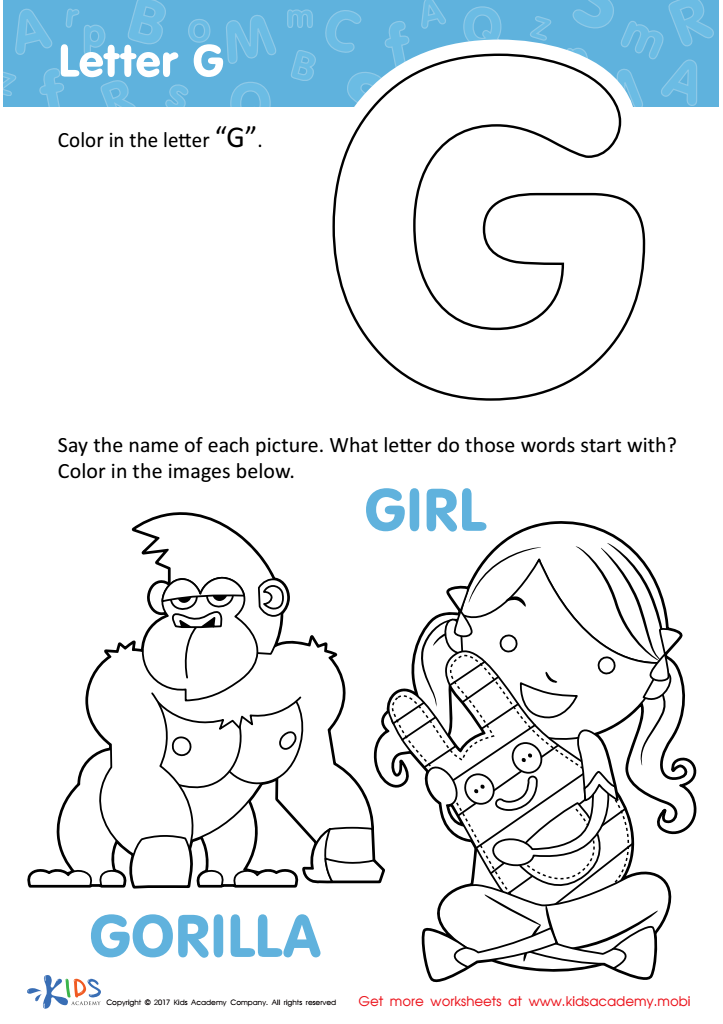
Letter G Coloring Sheet
 Assign to My Students
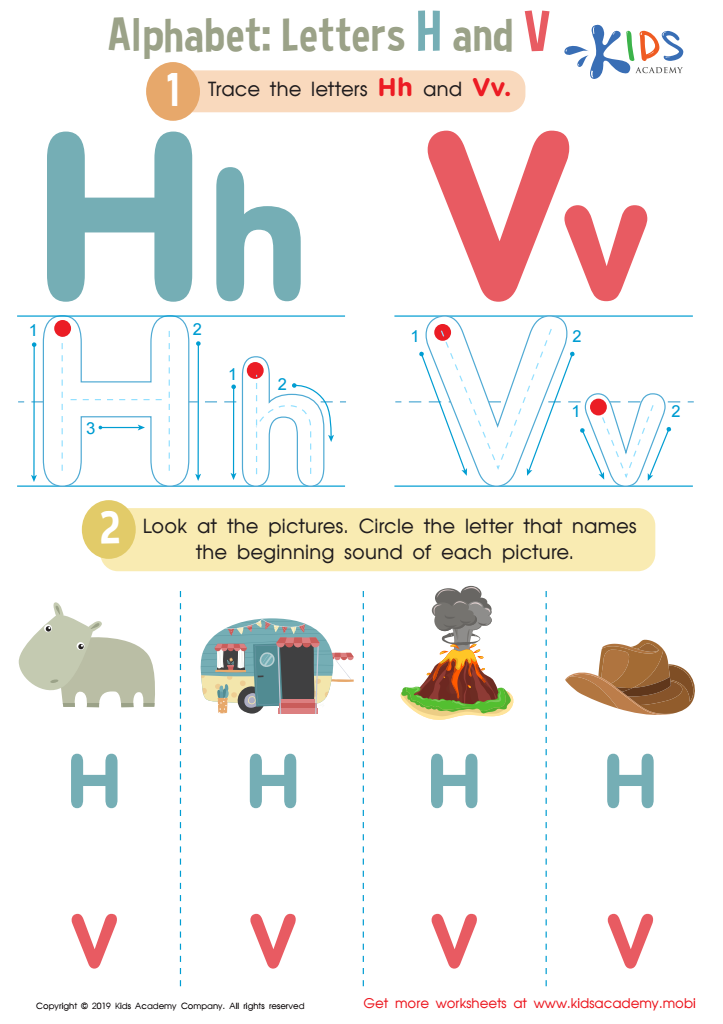
Letters H and V Tracing Worksheet
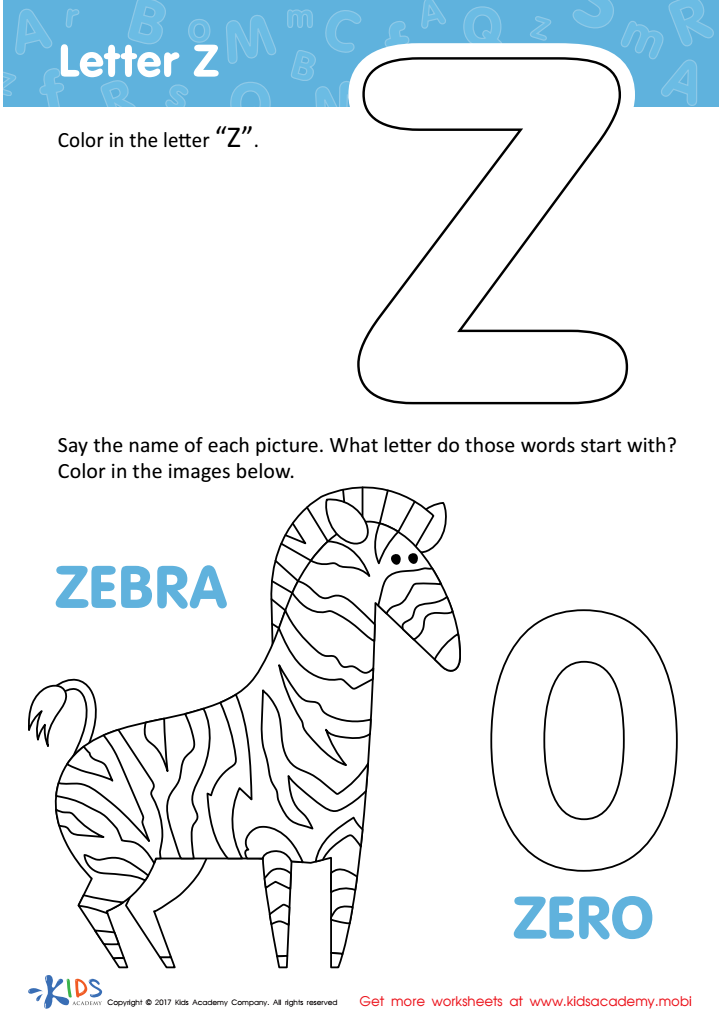
Letter Z Coloring Sheet
Assign to My Students
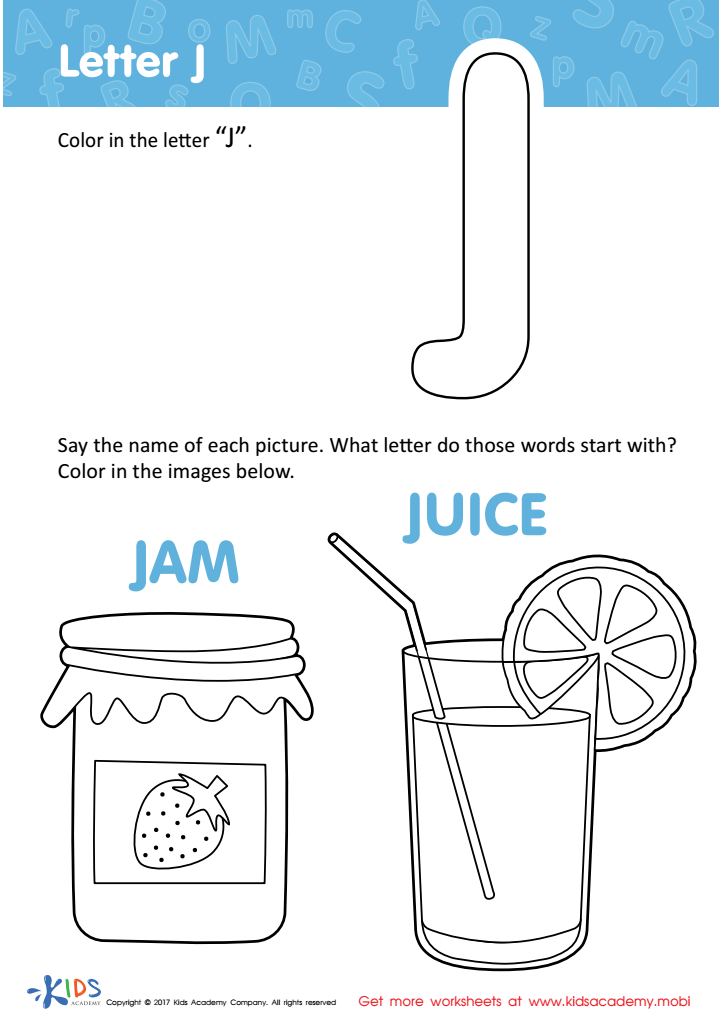
Letter J Coloring Sheet
Assign to My Students
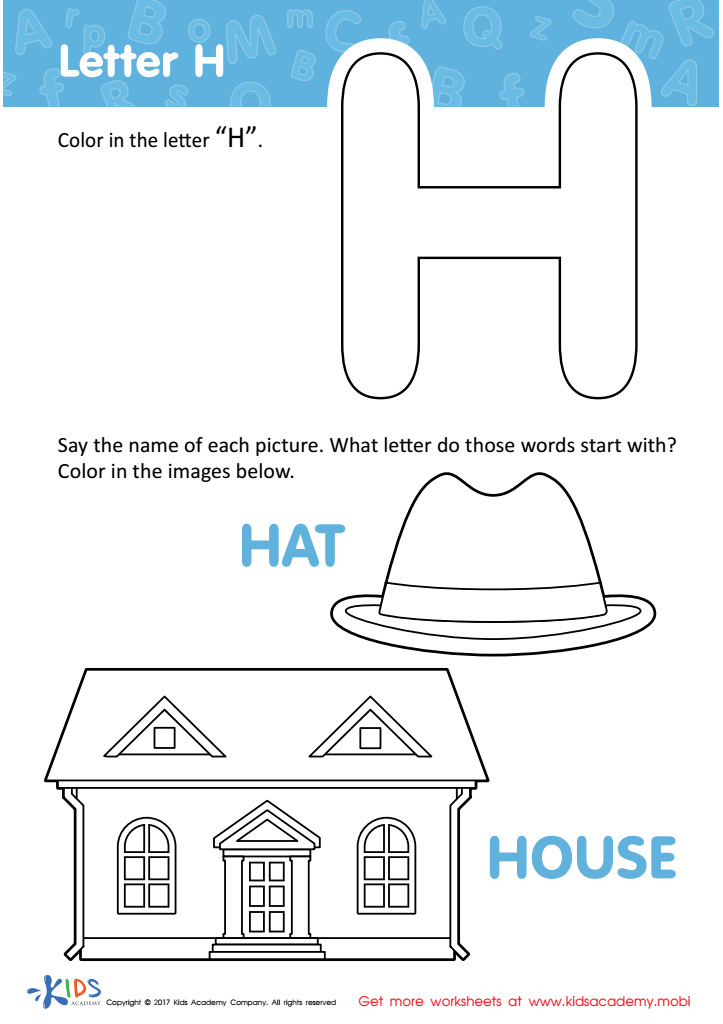
Letter H Coloring Sheet
Assign to My Students
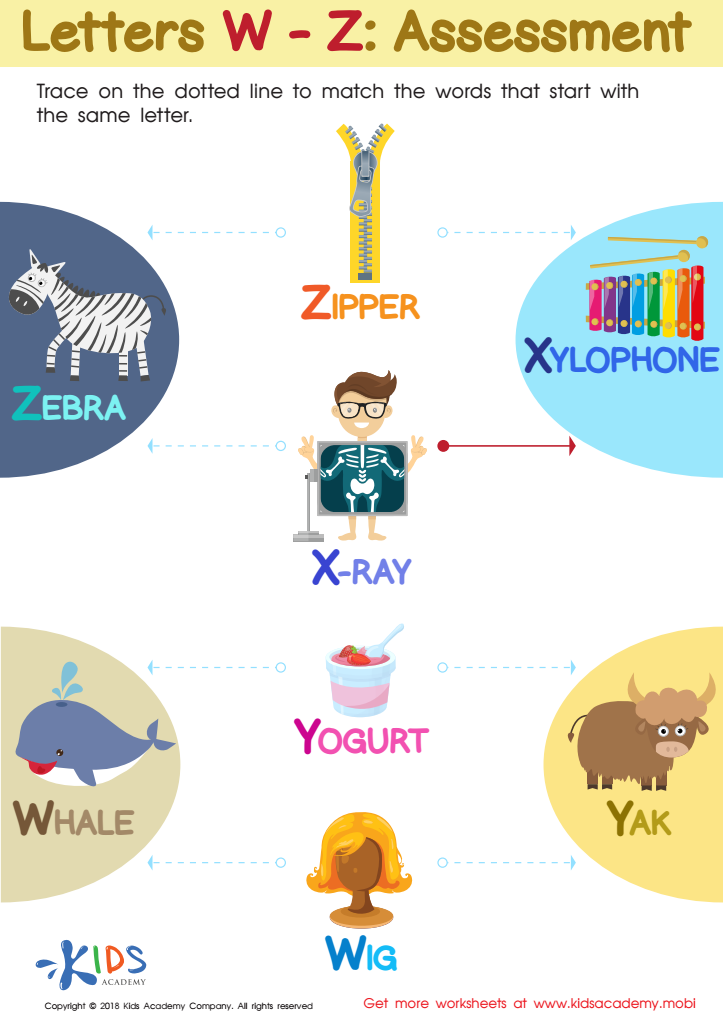
Letters W–Z Tracing Worksheet
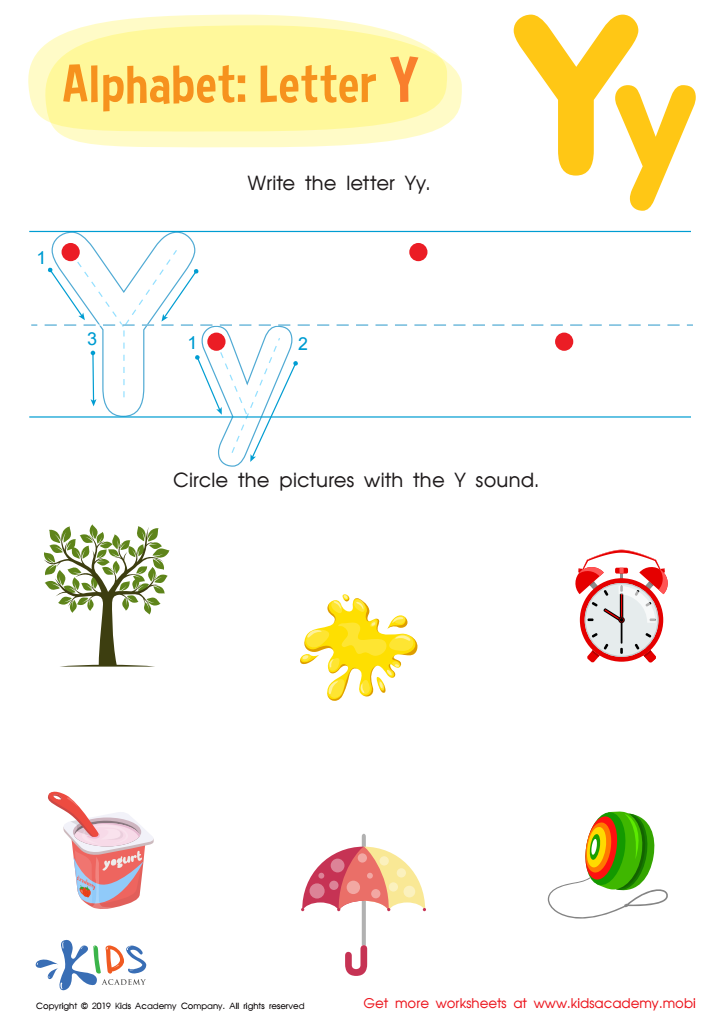
Letter Y Tracing Worksheet
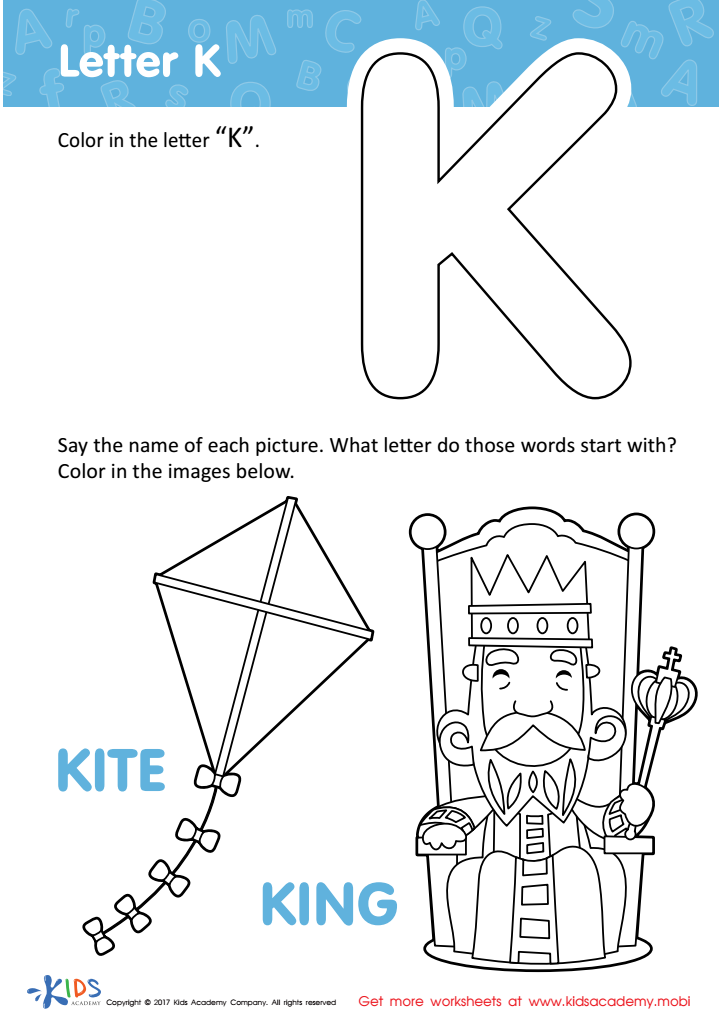
Letter K Coloring Sheet
Assign to My Students

Letter N Coloring Sheet
Assign to My Students








Handwriting practice and letter recognition are crucial foundational skills for 3-year-olds, paving the way for both literacy and fine motor development. Letters form the building blocks of language, and when children begin to recognize them, they start to understand the relationship between symbols and sounds, which is essential for reading. Early familiarity with letters helps children develop phonemic awareness, paving the way for successful reading and writing skills later.
Simultaneously, handwriting practice promotes fine motor skills development. When young children grasp pencils and trace or write letters, they strengthen the muscles in their hands and fingers, enhancing dexterity and coordination. These fine motor skills are invaluable for tasks beyond writing, such as using scissors, buttoning clothes, and other self-care activities.
Moreover, early handwriting practice instills a sense of achievement and boosts self-esteem. Each successful attempt reinforces learning and encourages persistence, fostering a positive attitude toward education. A strong start in these areas can reduce future learning difficulties and academic challenges, making learning experiences more enjoyable and productive.
In essence, introducing handwriting practice and letter recognition to 3-year-olds sets them on a path of cognitive and motor skill development, builds confidence, and fosters a lifelong love of learning.







