Motor skills development Letter Recognition Worksheets for 3-Year-Olds
5 filtered results
-
From - To
Enhance your child's learning experience with our "Motor Skills Development Letter Recognition Worksheets" designed specifically for 3-year-olds. These engaging worksheets combine fun and education, helping little ones master the alphabet while developing essential fine motor skills. Through various activities such as tracing, coloring, and cutting, children will improve their hand-eye coordination and dexterity while becoming familiar with letter shapes and sounds. Our worksheets offer a vibrant, interactive approach, making learning enjoyable and effective. Ideal for preschool settings or at-home learning, these resources are perfect for fostering a strong foundation in literacy skills and confidence in young learners. Download your worksheets today!

Letter H Tracing Page
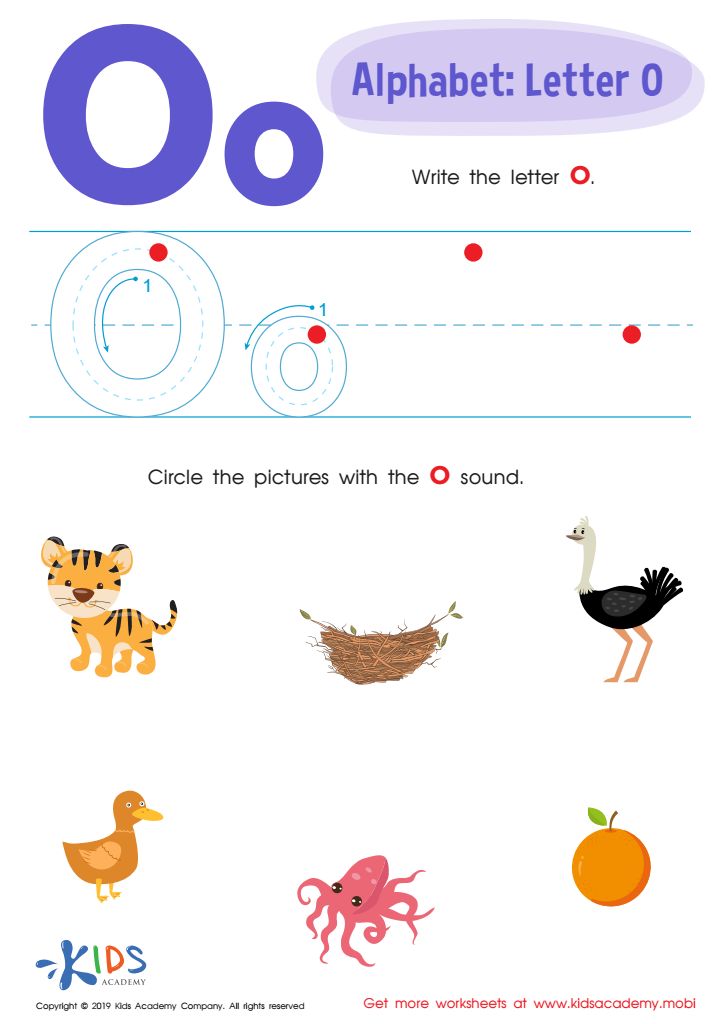
Letter O Tracing Worksheet
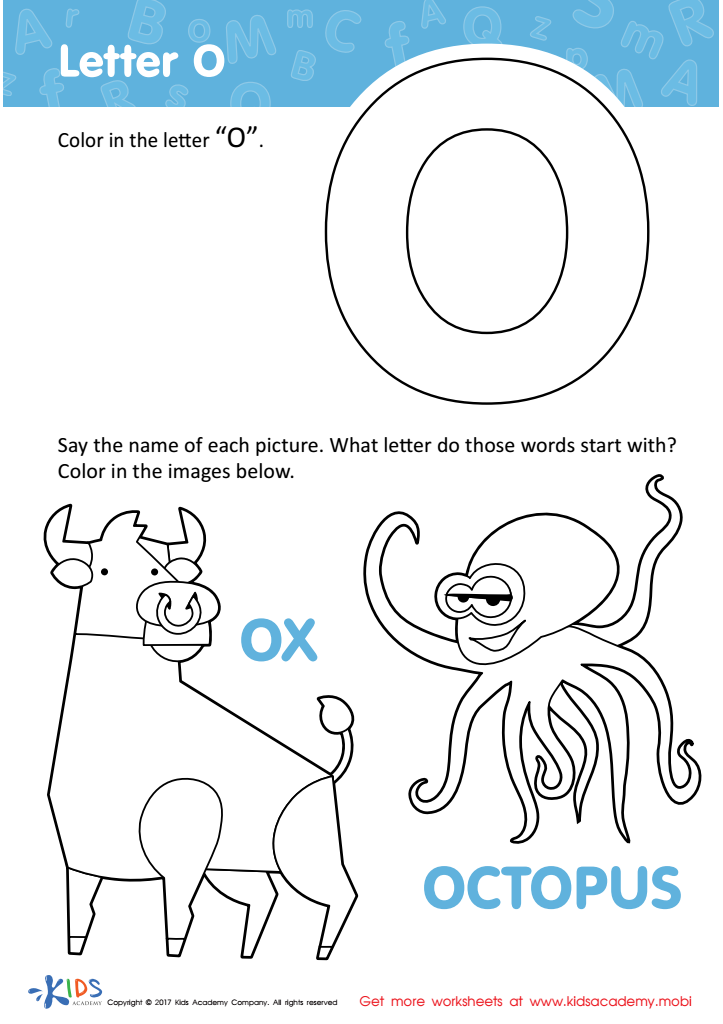
Letter O Coloring Sheet
 Assign to My Students
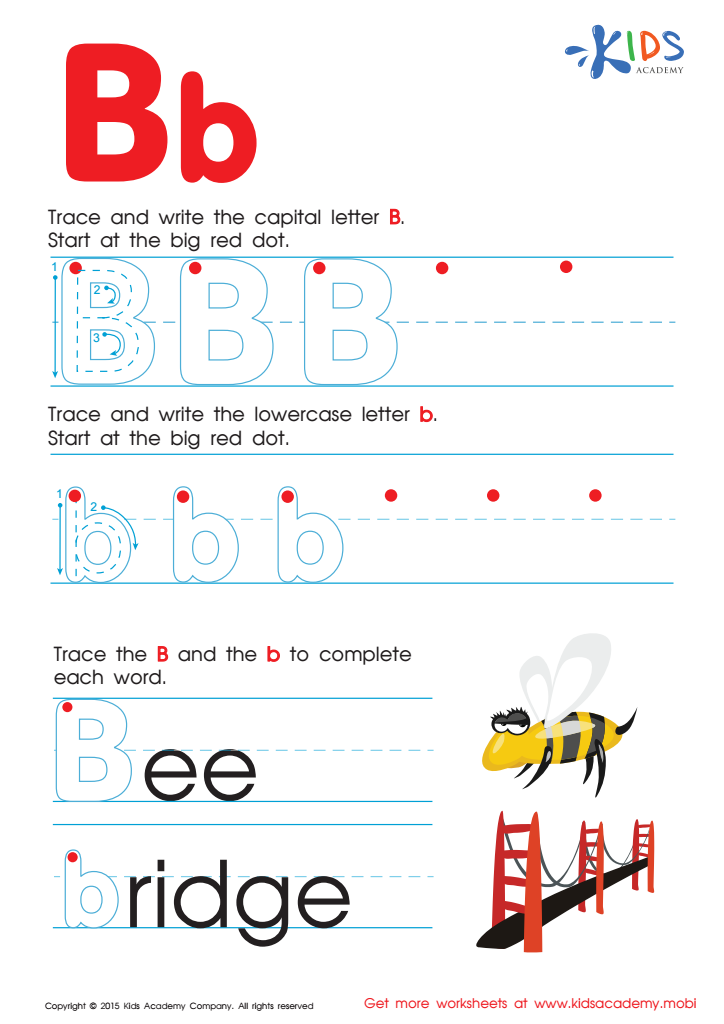
Letter B Tracing Page
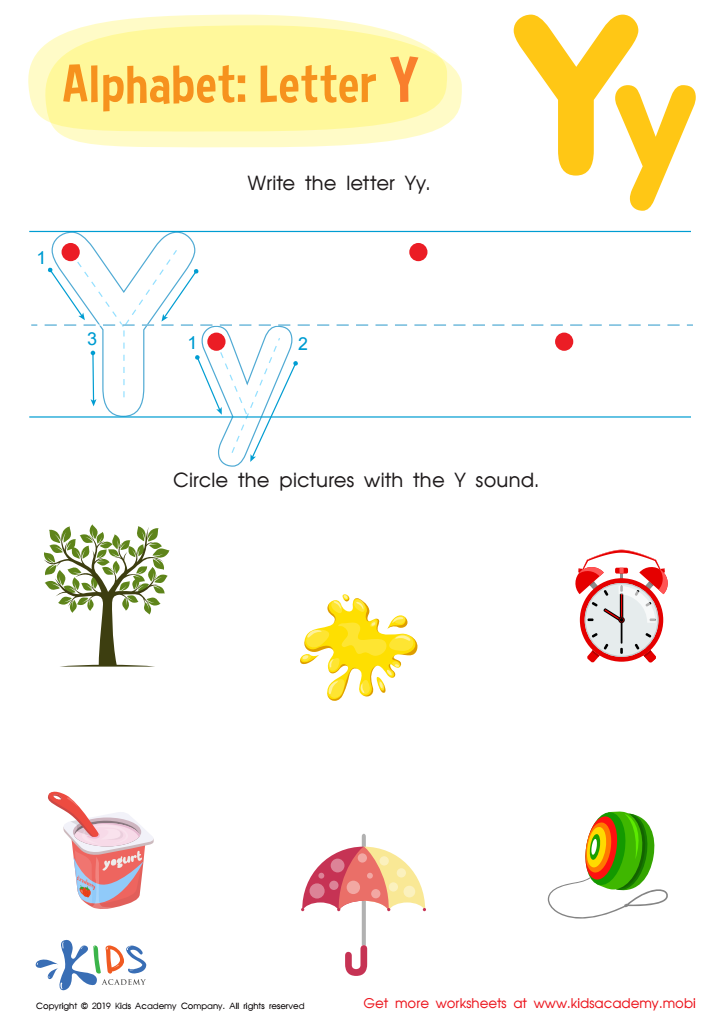
Letter Y Tracing Worksheet








Motor skills development and letter recognition are crucial areas of growth for 3-year-olds, and parents or teachers should prioritize them as they are foundational for future learning.
Motor skills encompass both fine and gross movements, and at this age, children are developing their ability to control their body movements. Fine motor skills, such as holding a crayon, using scissors, or threading beads, are essential for tasks like writing and drawing. These skills help children build confidence and independence as they interact with their environment and express creativity.
Letter recognition is vital for early literacy development. Familiarity with letters helps children begin the process of reading and writing. When young learners can identify letters, they develop phonemic awareness—the ability to hear, identify, and manipulate sounds—which is a precursor to reading.
By focusing on both motor skills and letter recognition, parents and teachers create a supportive learning environment that fosters cognitive development, enhances academic achievements, and nurtures a child's love for learning. Empowering children in these areas not only supports immediate learning goals but also sets the stage for a smooth transition to more advanced reading and writing activities as they grow.







