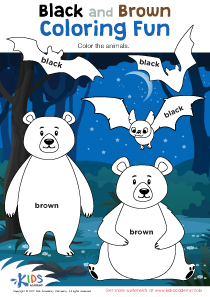
Alphabet Learning English for Beginners Worksheets for 3-Year-Olds
3 filtered results
-
From - To
Jumpstart your little one's English language journey with our engaging Alphabet Learning English for Beginners Worksheets for 3-Year-Olds! Specially designed for toddlers, these colorful and fun worksheets make learning the alphabet a joy. Each activity focuses on foundational skills like letter recognition, phonics, and fine motor development. Created by educational experts, these worksheets ensure that your child builds a strong learning foundation. Perfect for parents and educators who want to give kids a head-start in reading and writing. Turn learning into an adventure and watch your child thrive with our exceptional resources!
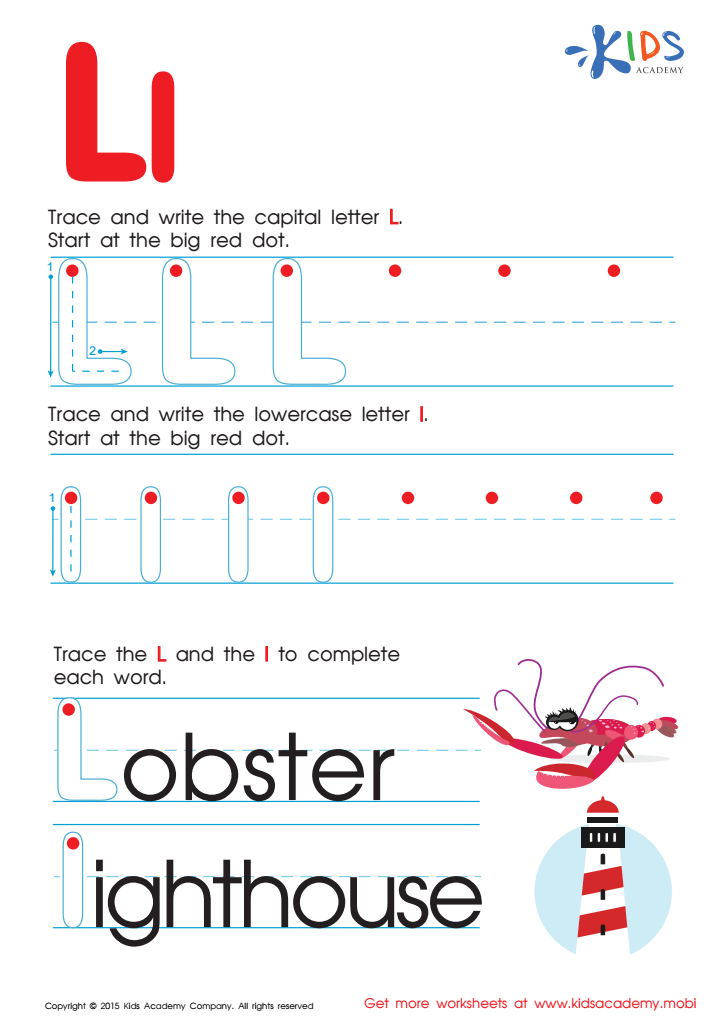
Letter L Tracing Page
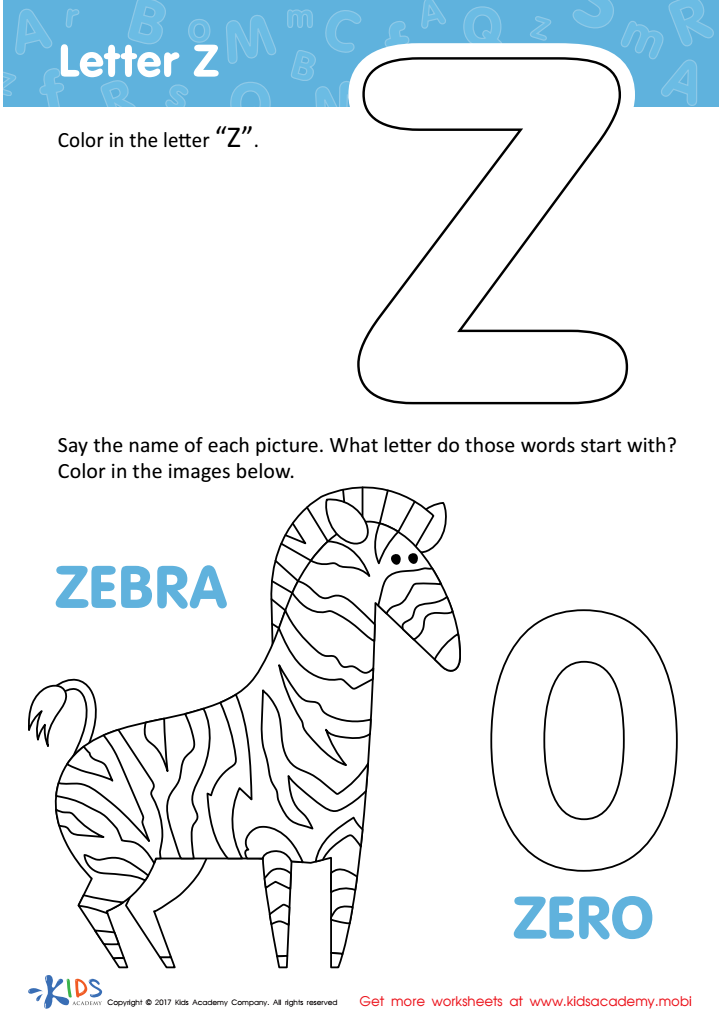
Letter Z Coloring Sheet
 Assign to My Students
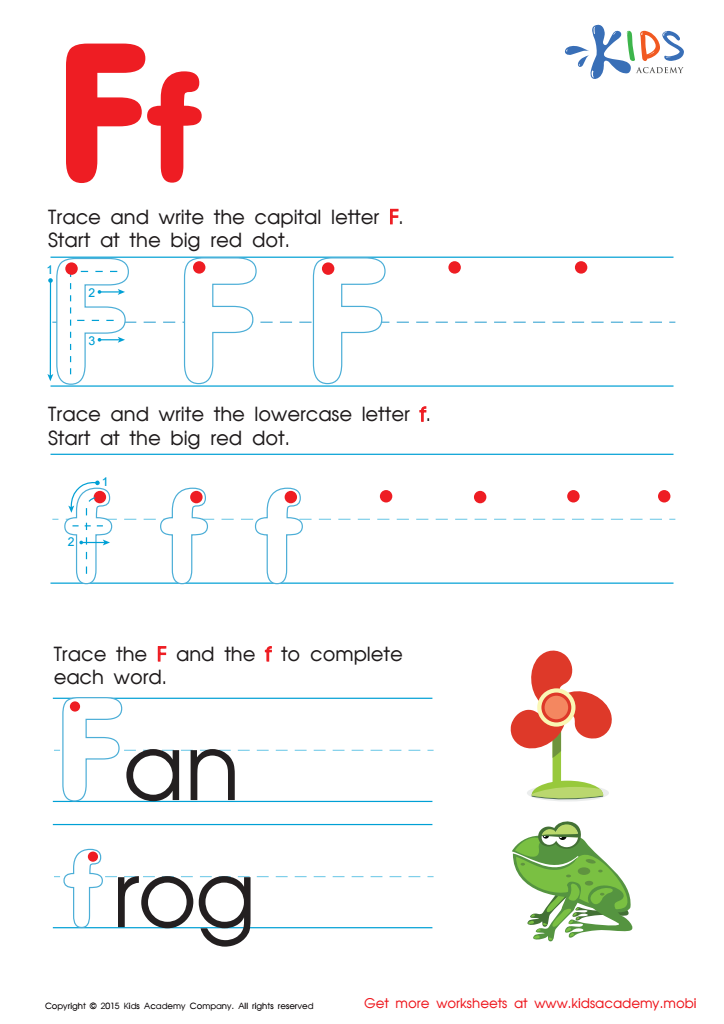
Letter F Tracing Page





Alphabet learning for 3-year-olds is crucial as it lays the foundation for their future literacy and language skills. At this tender age, children are developing rapidly both cognitively and emotionally, making it an optimal time to introduce foundational concepts such as the alphabet. Learning the alphabet helps in recognizing letters which is the first step towards reading. This ability is fundamental in a child's educational journey and will greatly influence their ability to grasp more complex language skills in the future.
Moreover, alphabet learning enhances fine motor skills when children practice writing letters, and it auditory skills as they learn the sounds associated with each letter. These combined skills contribute to better fluency in language. Engaging children in alphabet learning also caters to their natural curiosity and ability to absorb new information quickly, making use of songs, games, and interactive activities to make learning enjoyable.
For parents and teachers, investing time in teaching the alphabet not only prepares children for the structured learning environment of school but also builds a strong bonding experience around an academic activity. This encourages a positive attitude toward learning in general. Thus, fostering early alphabet recognition is instrumental in setting the stage for a child's continued success in education and beyond.