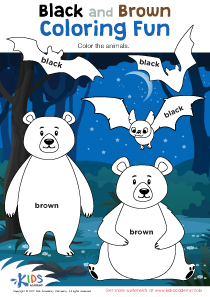
Following instructions English for Beginners Worksheets for 3-Year-Olds
6 filtered results
-
From - To
Introducing our "Following Instructions English for Beginners Worksheets for 3-Year-Olds," ideal for fostering essential listening and comprehension skills in young learners. These engaging worksheets are designed to help preschoolers understand and follow simple instructions in English. Each activity encourages interactive learning through fun and colorful illustrations, making it easy for children to grasp concepts like size, shape, and action words. As they complete the exercises, kids will build vocabulary and confidence in their English-speaking abilities. Perfect for classroom or home use, these worksheets are a great resource for parents and teachers looking to enhance early language learning experiences.
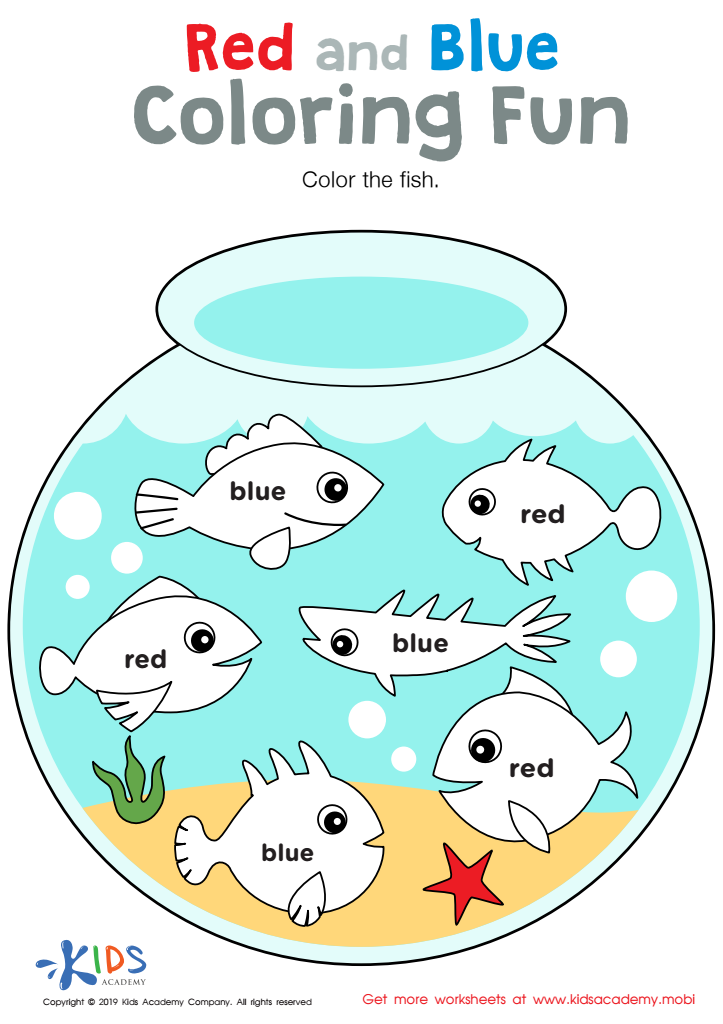
Red and Blue Coloring Fun Worksheet
 Assign to My Students
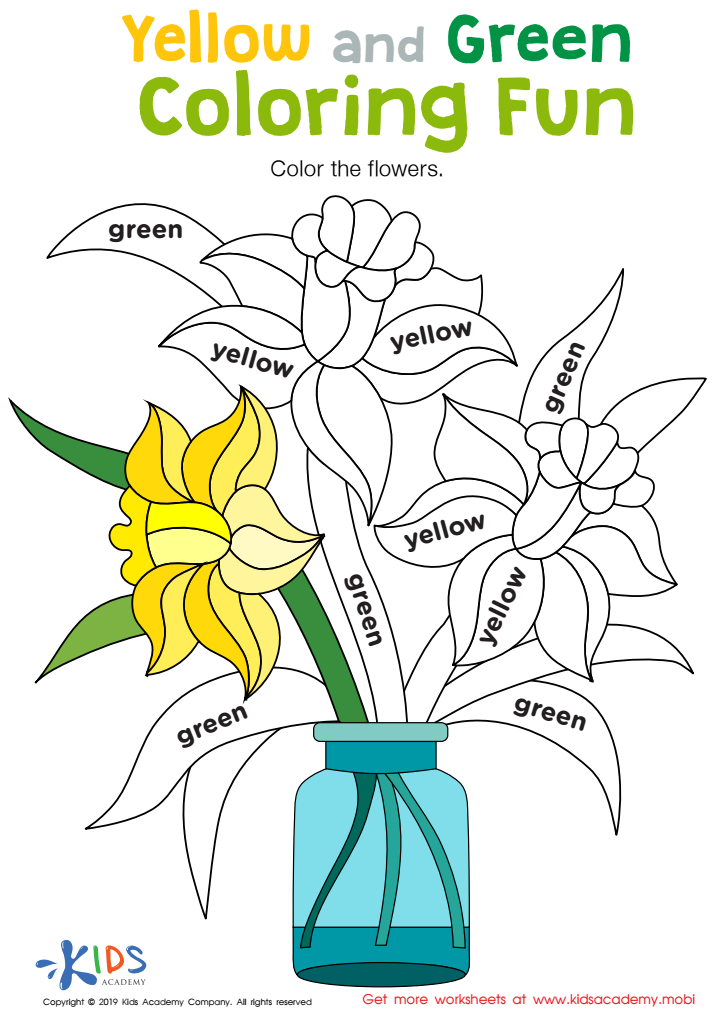
Yellow and Green Coloring Fun Worksheet
Assign to My Students
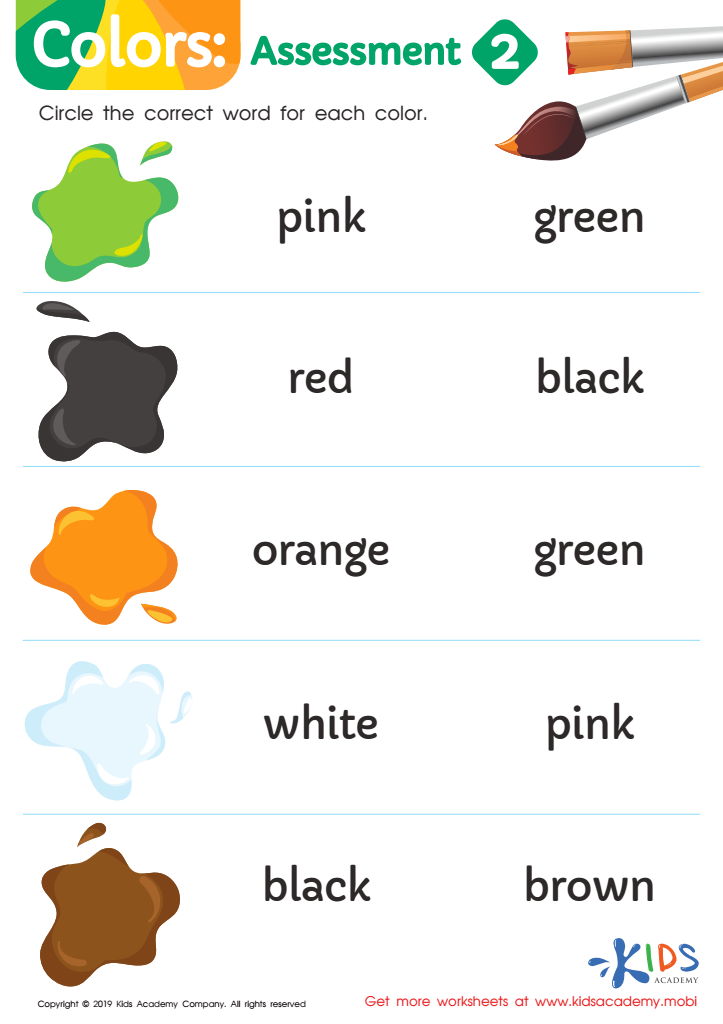
Colors: Assessment 2 Worksheet
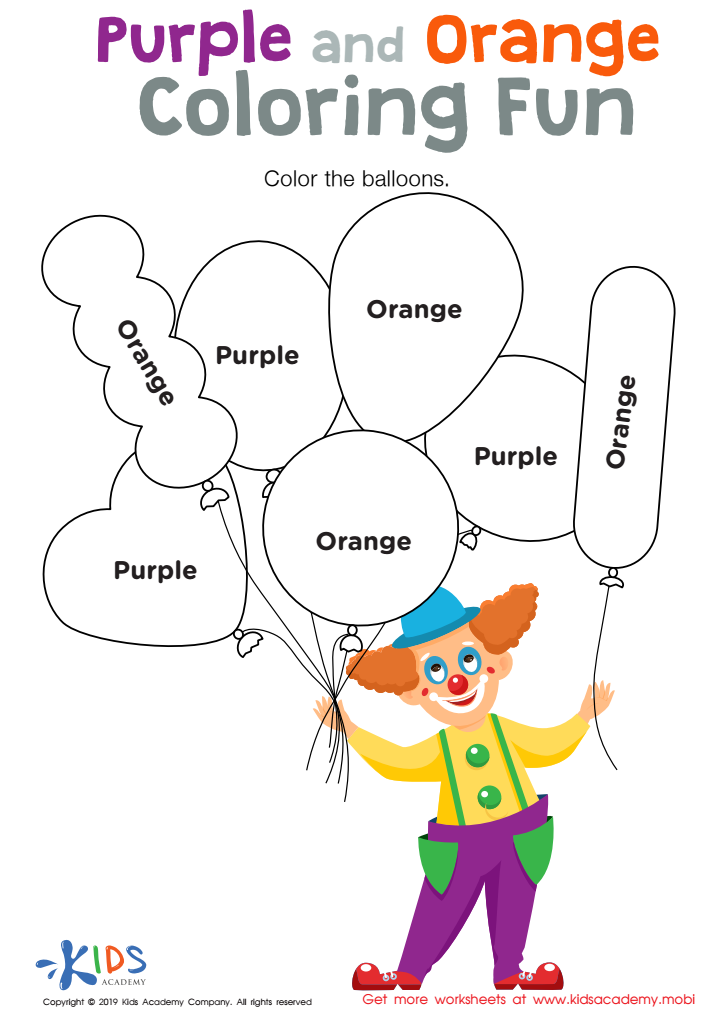
Purple and Orange Coloring Fun Worksheet
Assign to My Students

Monster's Face Coloring Worksheet
Assign to My Students
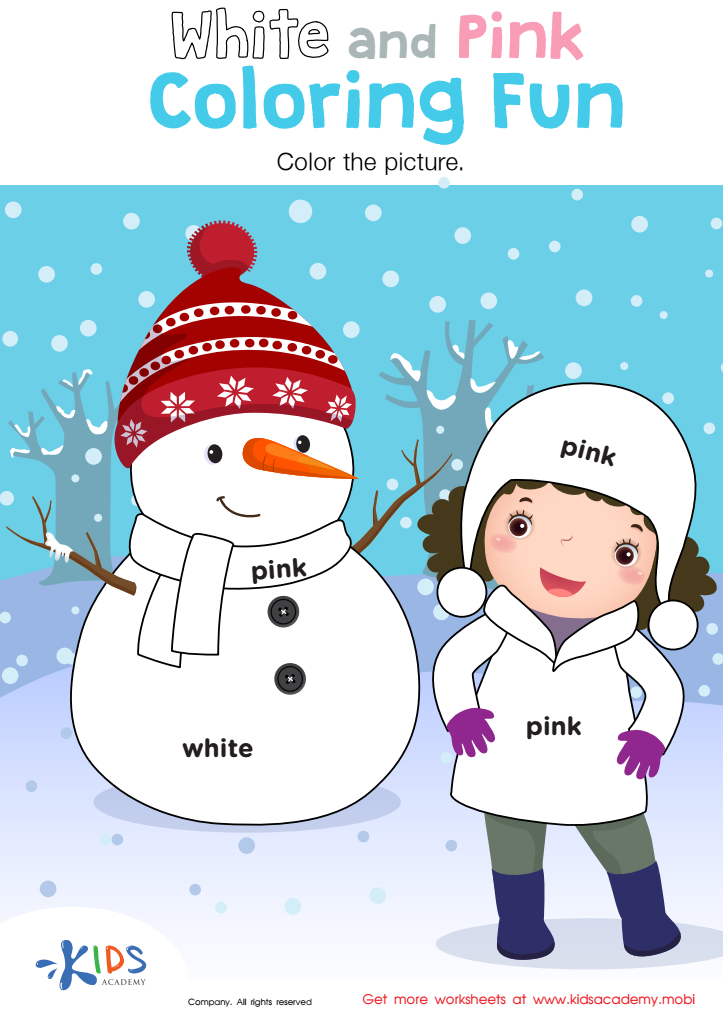
White and Pink Coloring Fun Worksheet
Assign to My Students




Teaching 3-year-olds how to follow instructions in English is crucial for their early development and learning. At this age, children are incredibly curious and eager to explore their environment, making it an ideal time to introduce foundational language skills. Following instructions helps enhance their comprehension abilities, cognitive skills, and listening skills—essential components of effective communication.
When parents and teachers focus on teaching this skill, they nurture a sense of responsibility and improve behavior. Kids learn to understand and trust that instructions have purposes, whether in play scenarios or academic settings. This ability fosters independence; children become more capable of engaging in activities without constant guidance.
Additionally, following instructions lays the groundwork for later academic success. Early mastery of listening and understanding will aid linguistic development, enabling them to transition smoothly into preschool and beyond. When children experience success in following simple tasks, they gain confidence. Overall, promoting English instruction in this age group cultivates essential social and emotional skills, improving their interactions in diverse settings. Supporting this goal positively impacts their overall development, creating a solid foundation for lifelong learning. Thus, parents and teachers should prioritize helping young children follow instructions.