Animal identification Worksheets for 3-Year-Olds - Page 2
39 filtered results
-
From - To
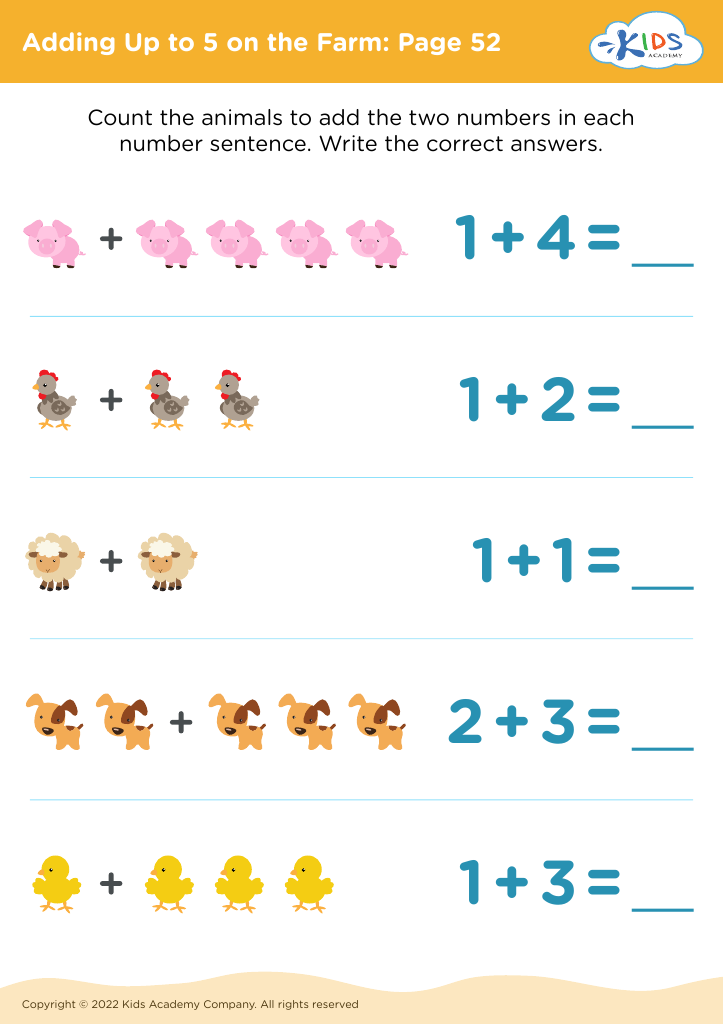
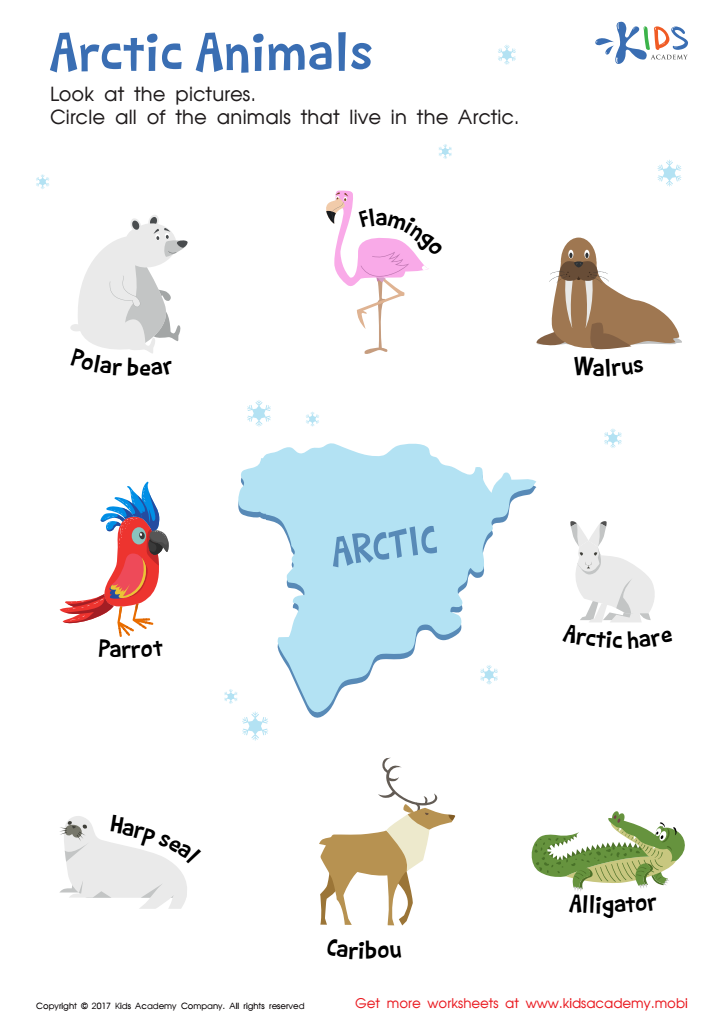
Arctic Animals Worksheet
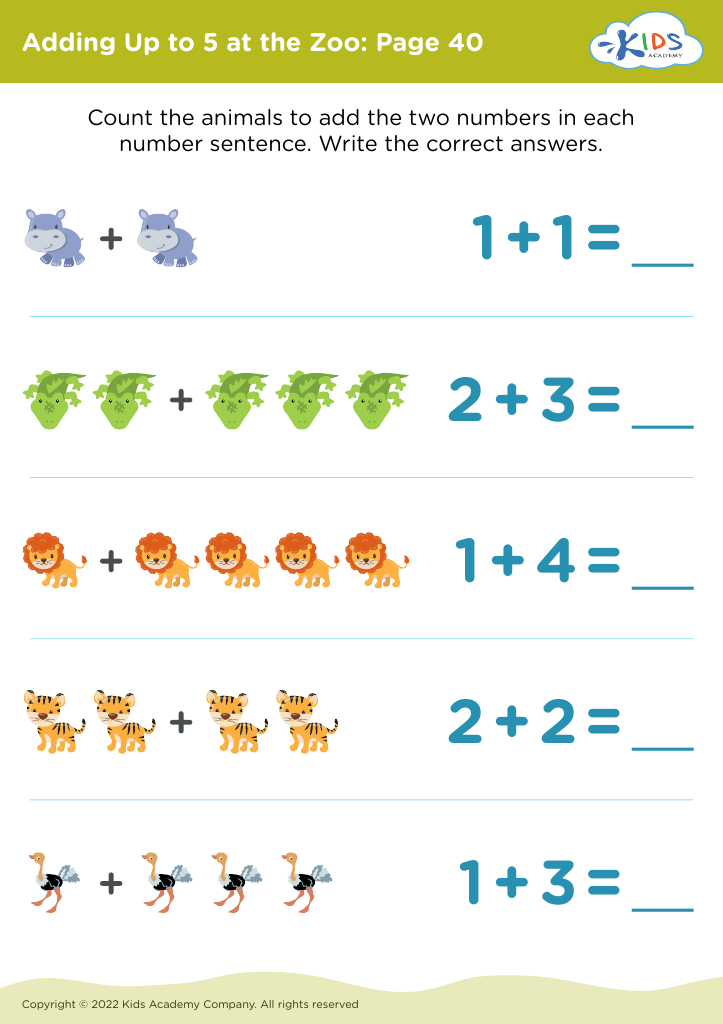
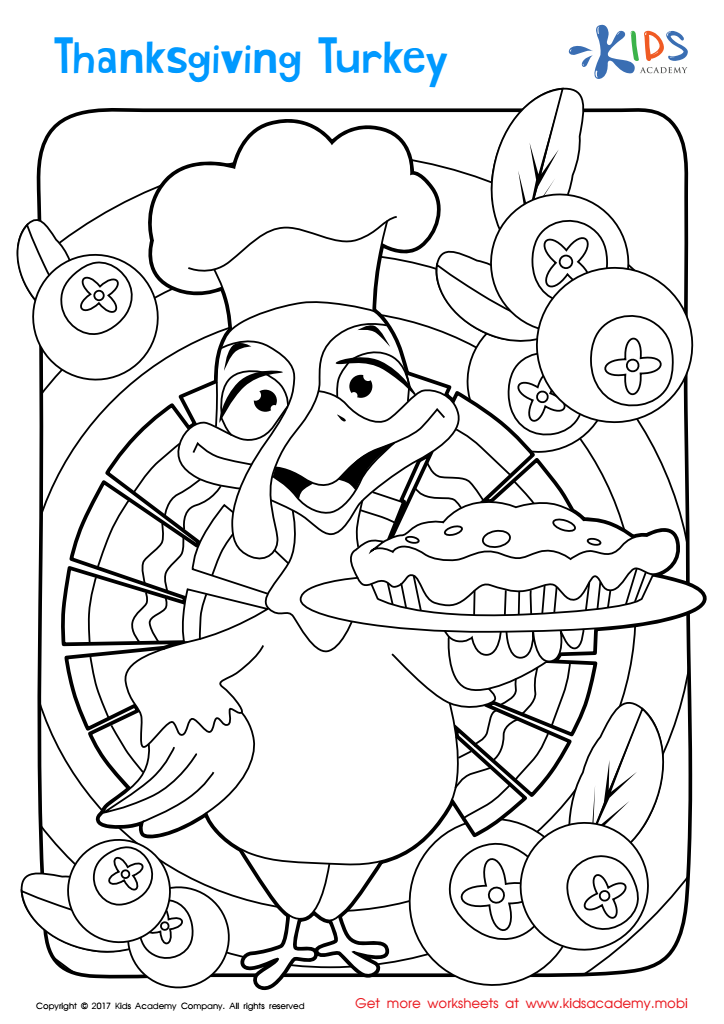
Turkey Thanksgiving Day Worksheet
 Assign to My Students
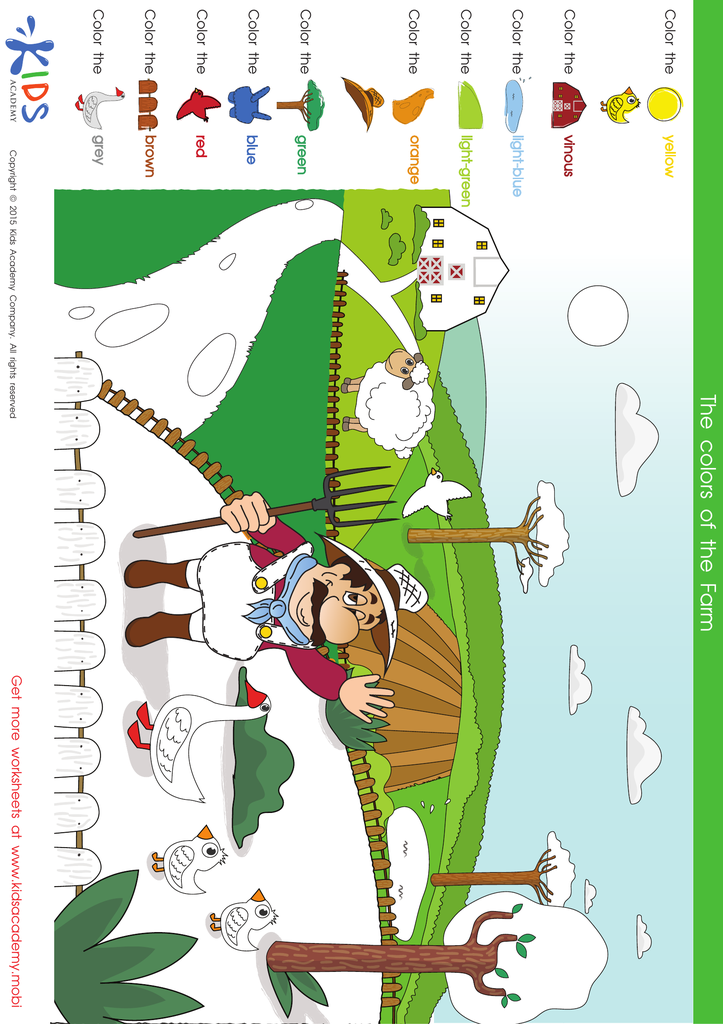
Color the Farmer and His Geese Coloring Pages
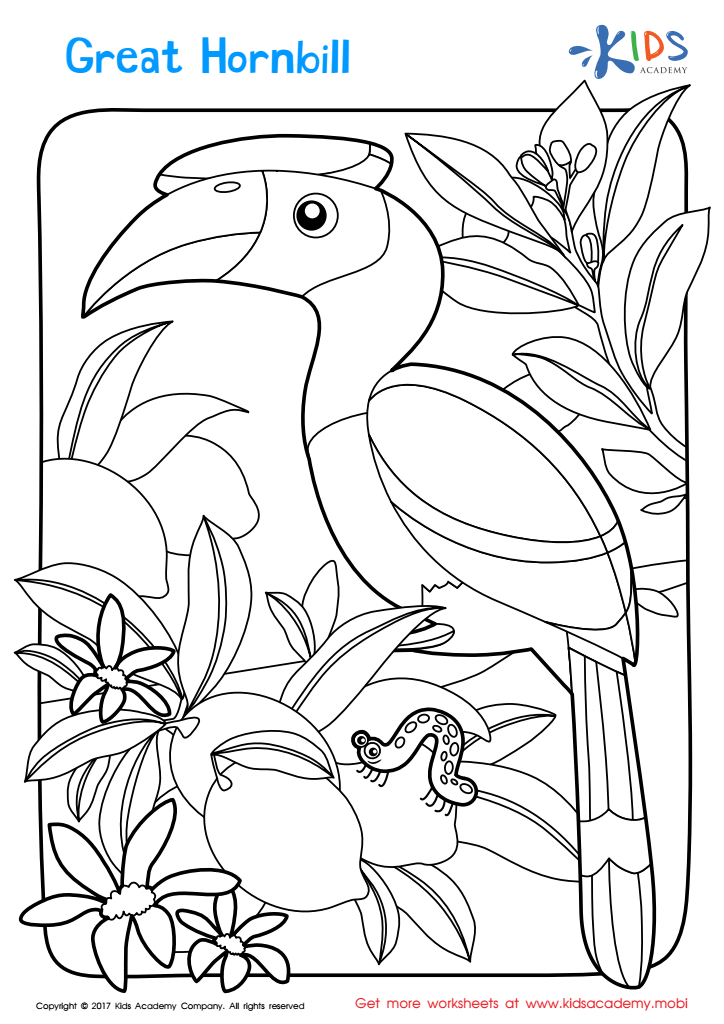
Great Hornbill Worksheet
Assign to My Students
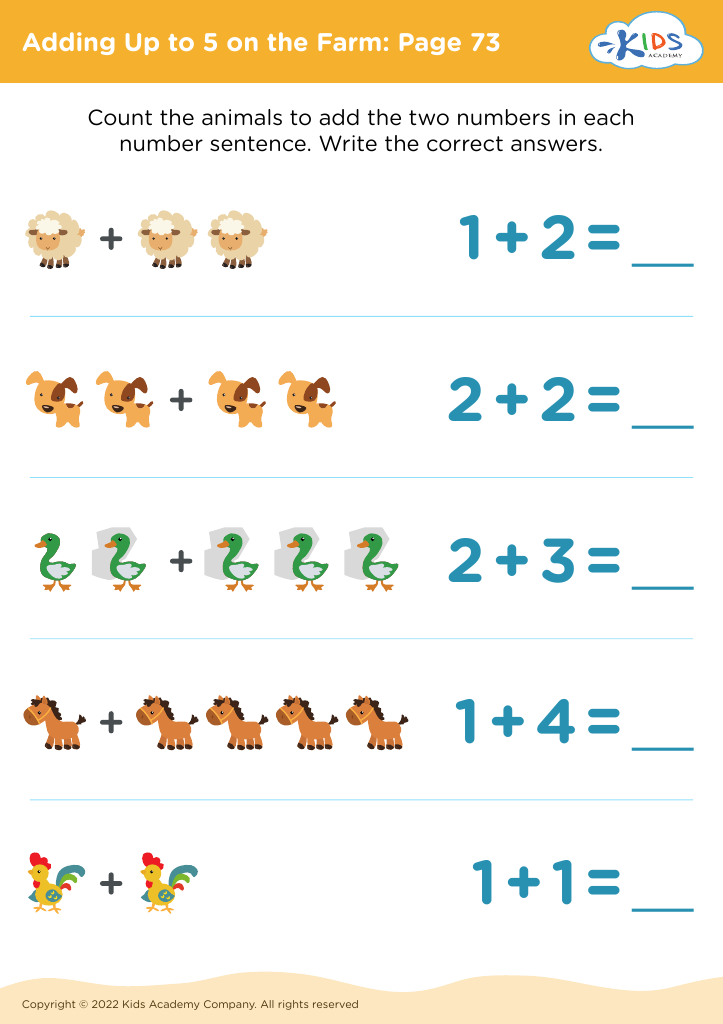
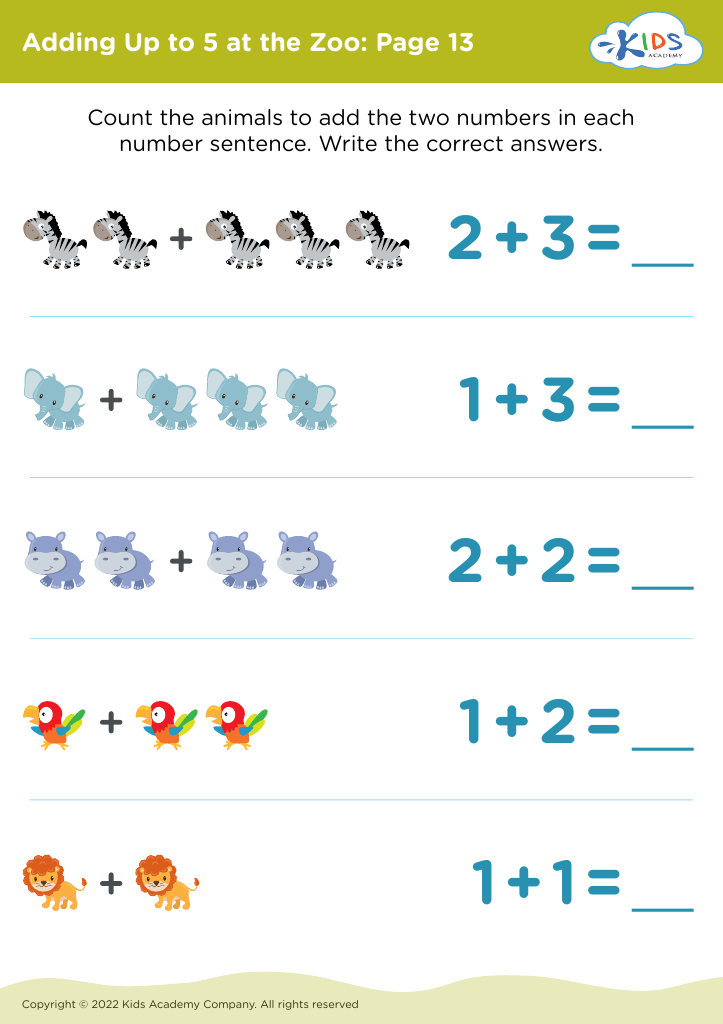








Animal identification is an essential educational activity for 3-year-olds, providing numerous benefits that are particularly significant for parents and teachers. At this age, children are naturally curious and eager to explore their surroundings. Teaching them about different animals helps spark this curiosity, promoting a sense of wonder about the world.
Initially, animal identification enhances language development. Learning the names of animals and their characteristics expands a child's vocabulary and comprehension skills. Moreover, it fosters cognitive development through memory and recognition, as children associate animal sounds, shapes, and movements with specific names.
Additionally, animal identification offers opportunities for early social development. Engaging in group activities, such as animal-themed games or stories, allows children to communicate, collaborate, and share perspectives, which are vital skills for future interpersonal relationships.
This educational focus also encourages emotional growth. Understanding animals' roles in nature fosters empathy and respect for living creatures, laying a foundation for responsible behavior toward animals and the environment.
Overall, incorporating animal identification into early education nurtures various cognitive, emotional, and social skills, making it a valuable endeavor for parents and educators as they support holistic child development.








