Basic Math Skills Worksheets for 3-Year-Olds - Page 3
68 filtered results
-
From - To
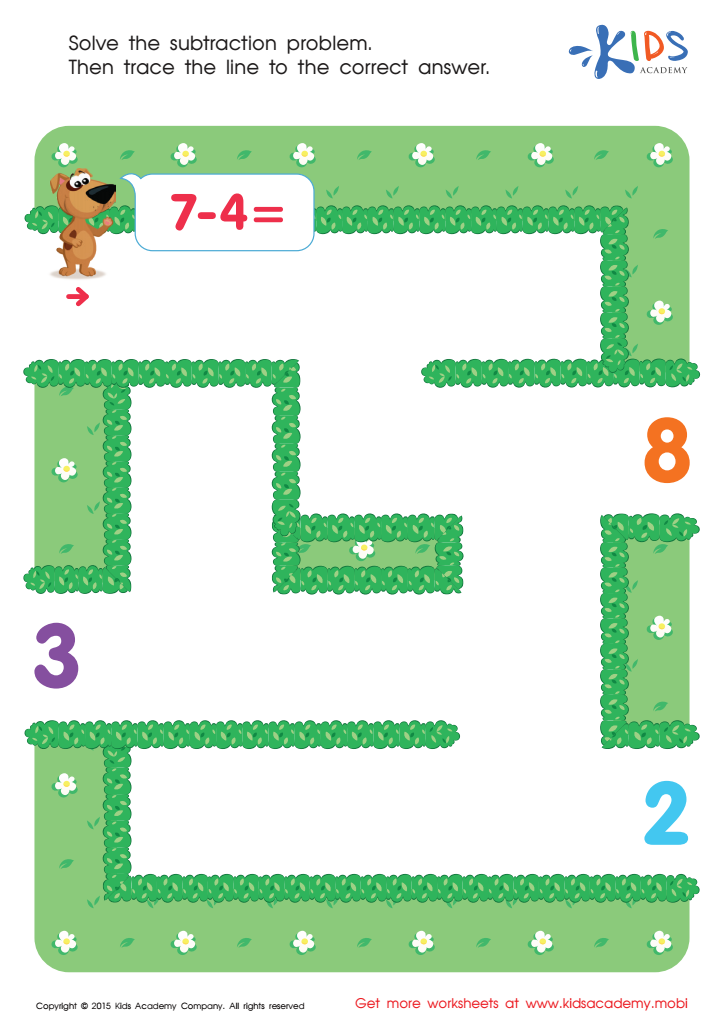
Subtraction Seven Minus Four Worksheet
 Assign to My Students
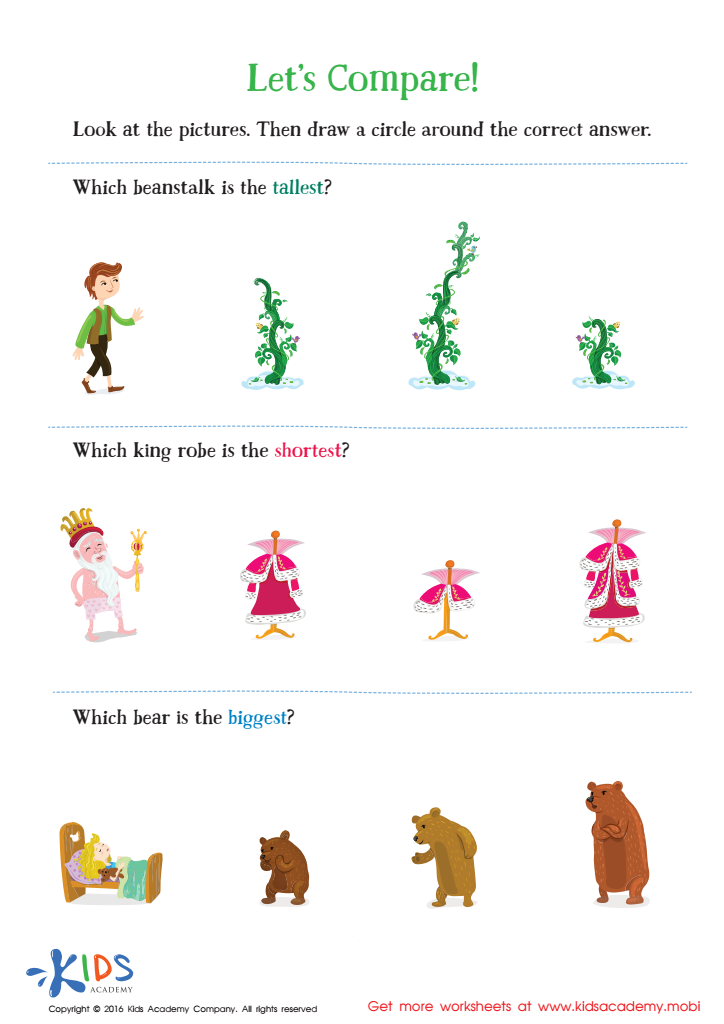
Fairy Tale Worksheet: Let's Compare
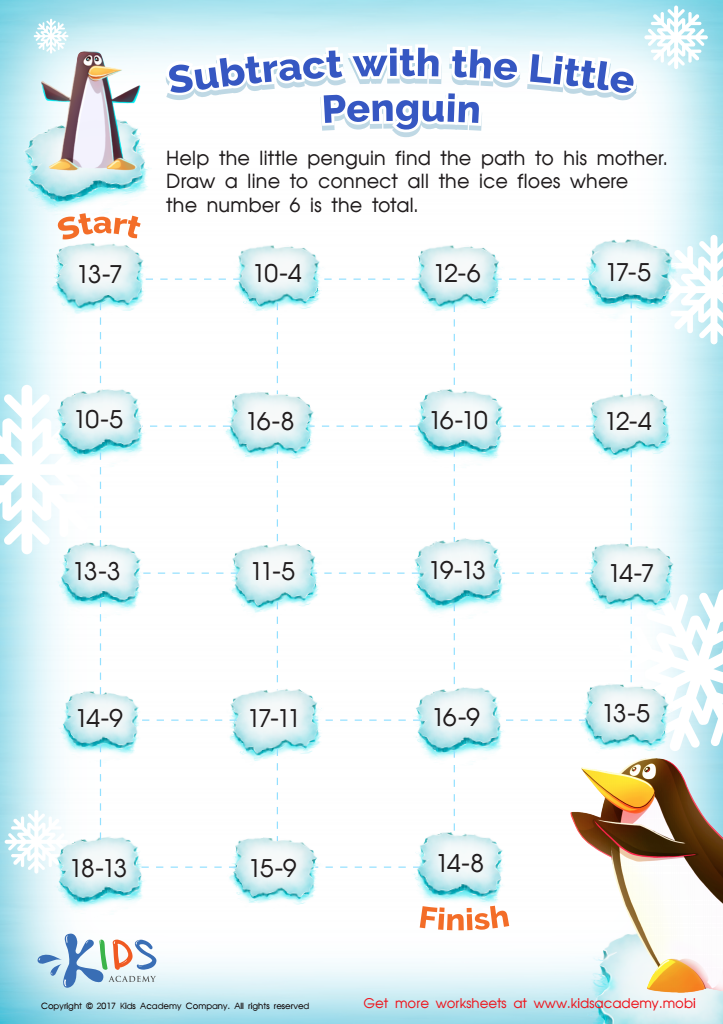
Subtract With The Little Penguin Substraction Worksheet
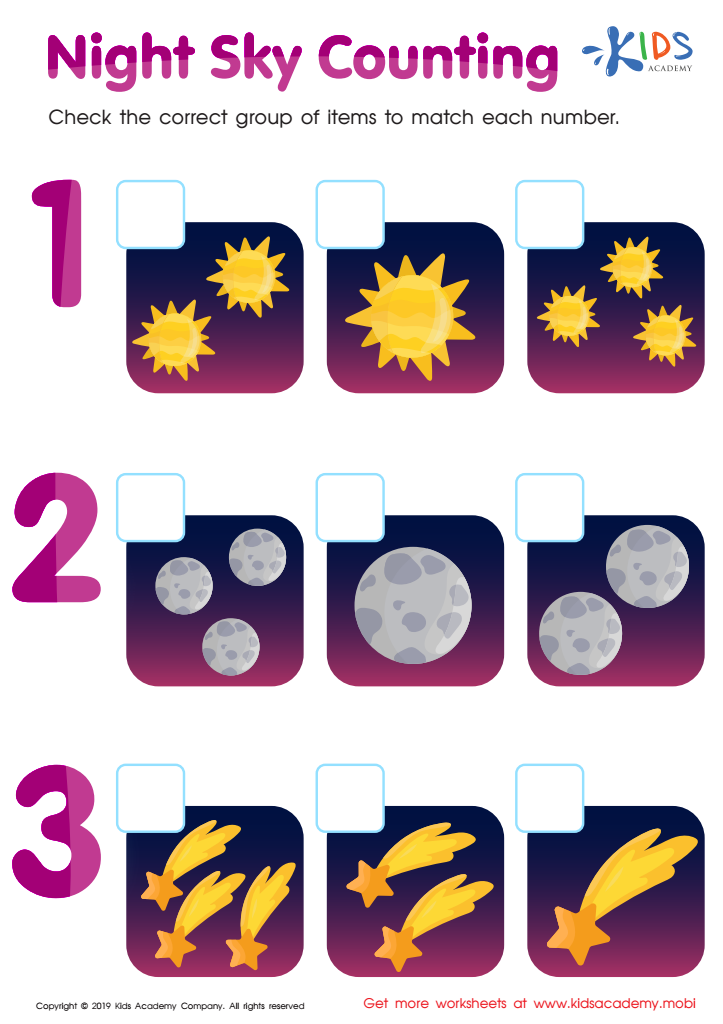
Night Sky Counting Worksheet
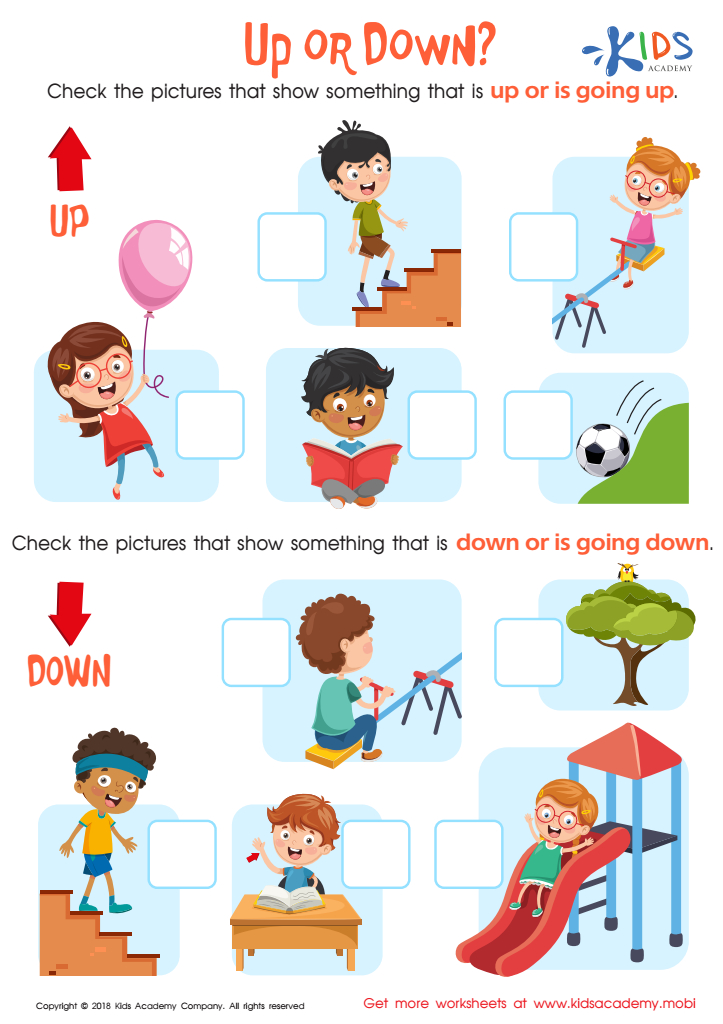
Up or Down Worksheet
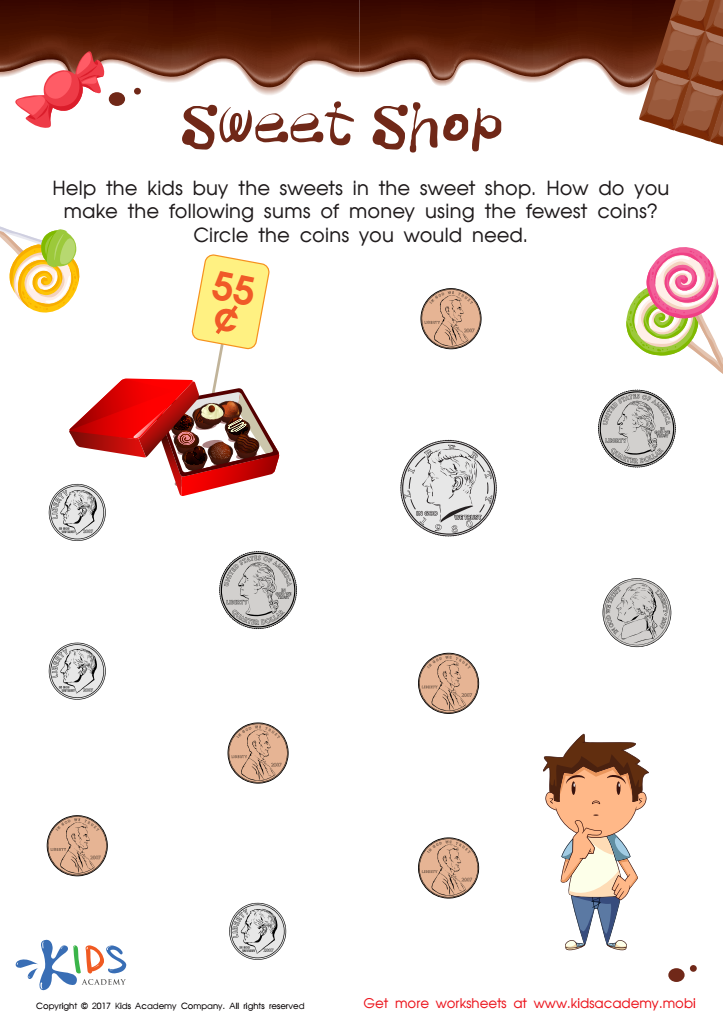
Sweet Shop – Counting Coins Worksheet
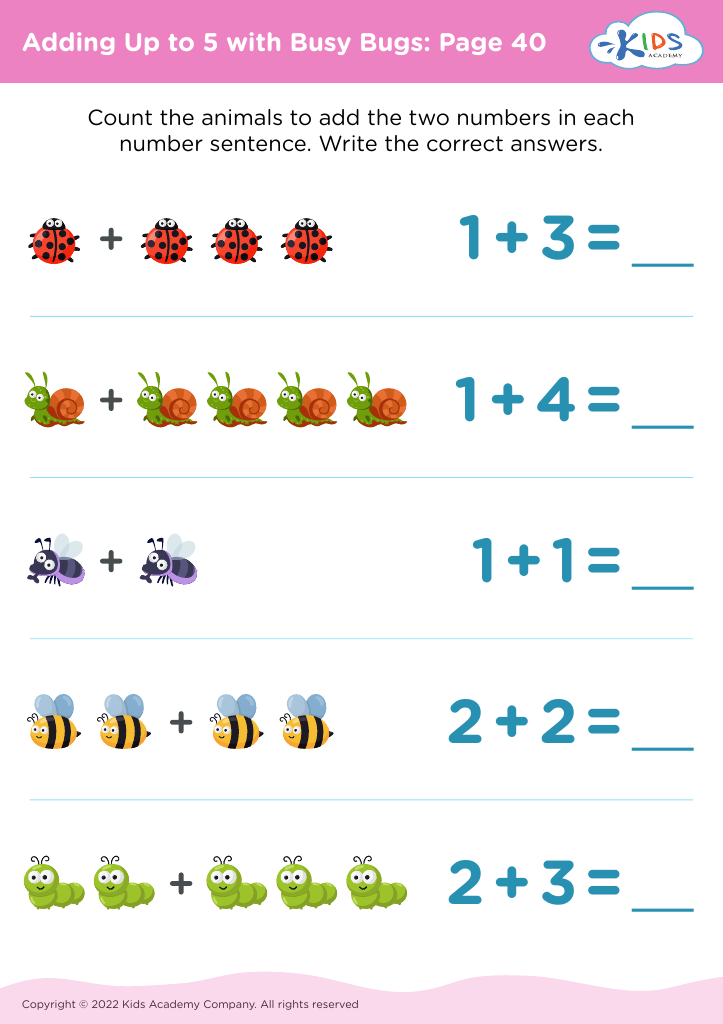
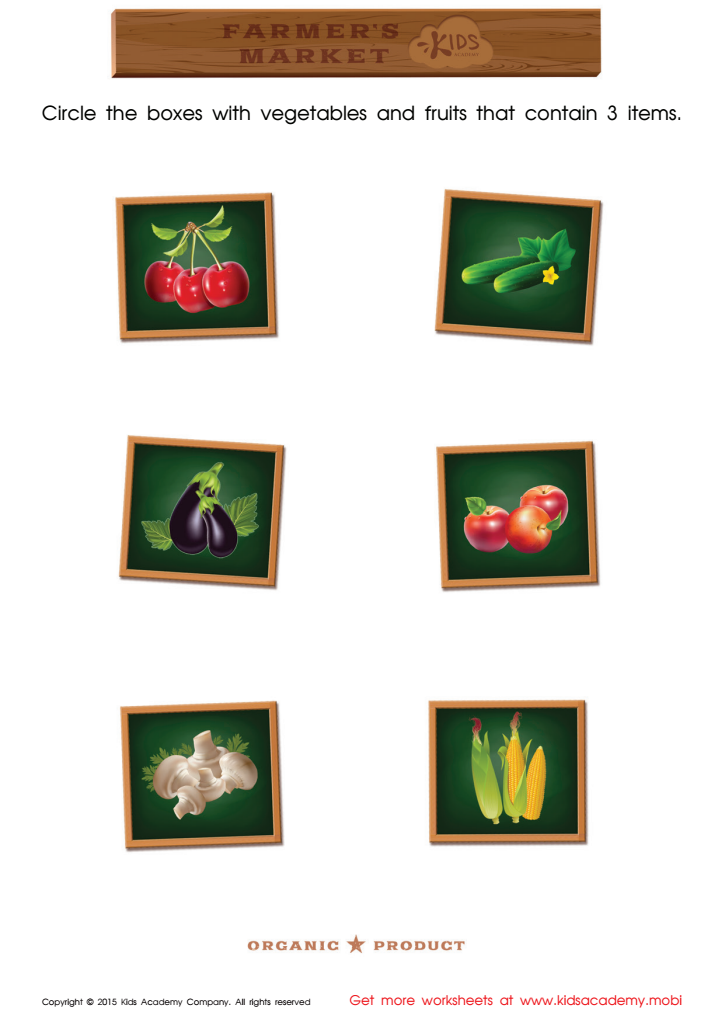
Count and Match Vegetables 1 – 5 Math Worksheet
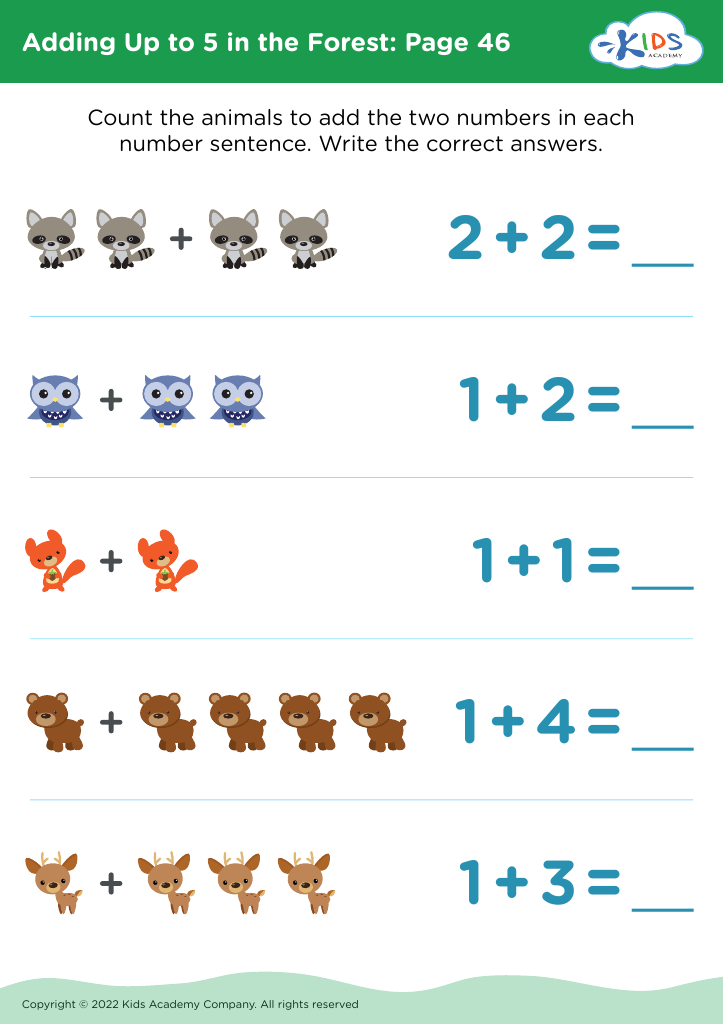
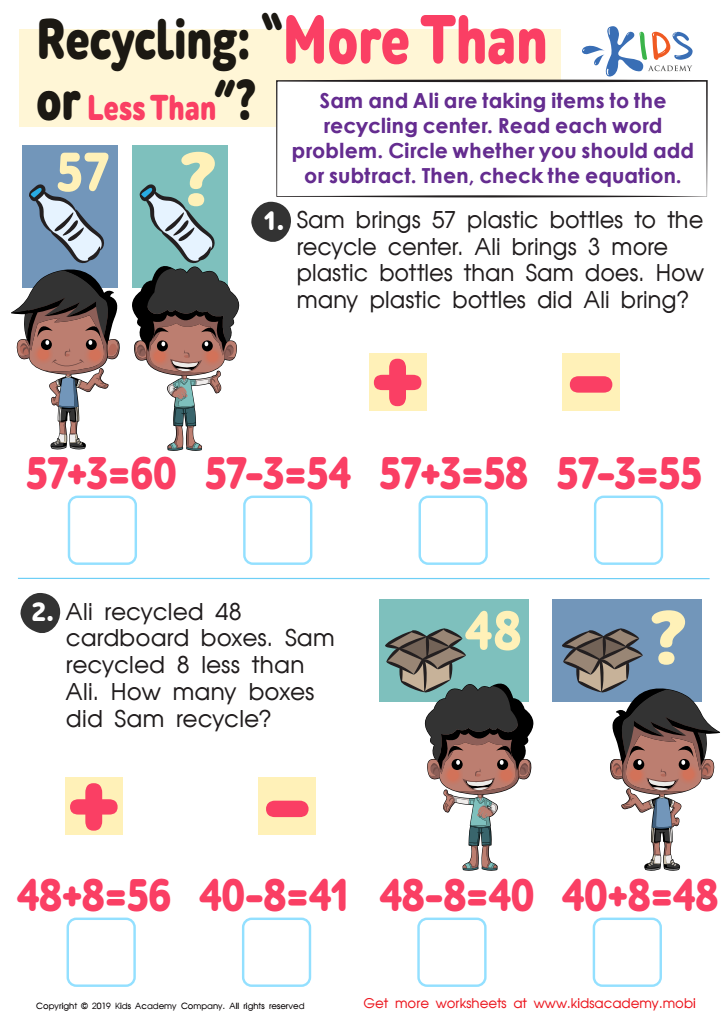
Recycling - More or Less Worksheet
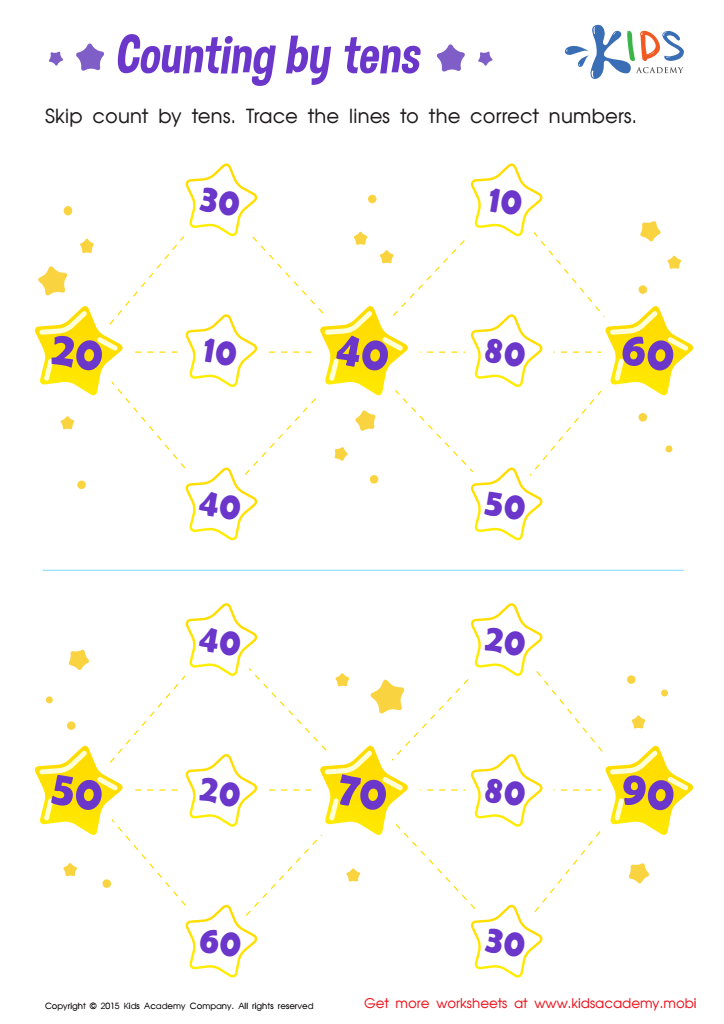
Learn Dozens: Counting by Tens Printable
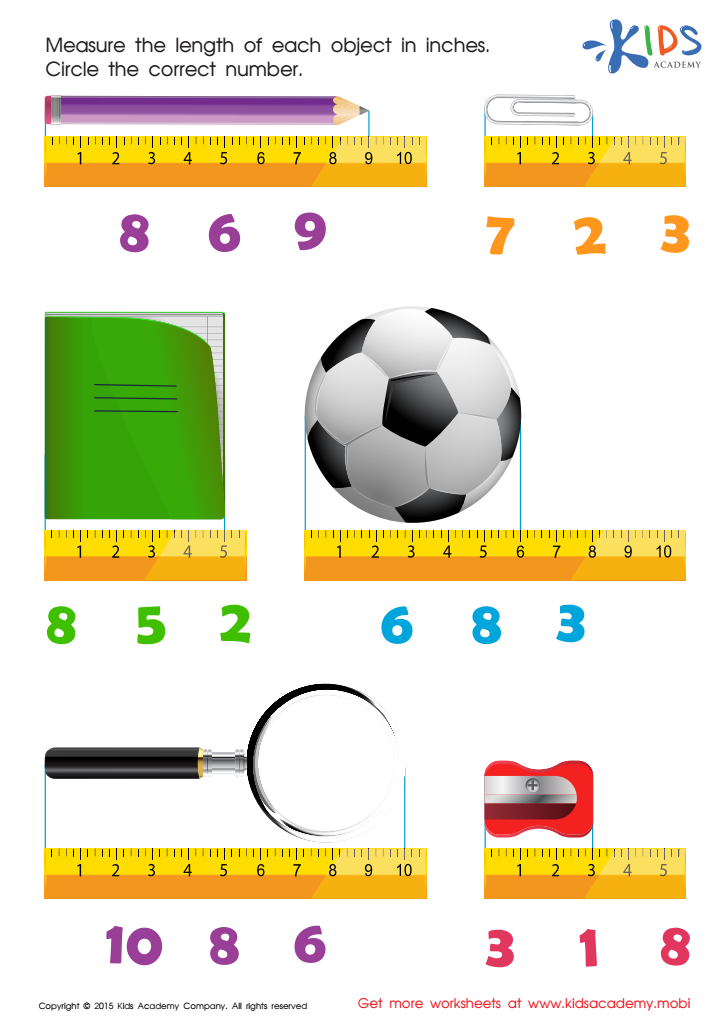
Learning measuring objects in inches Worksheet
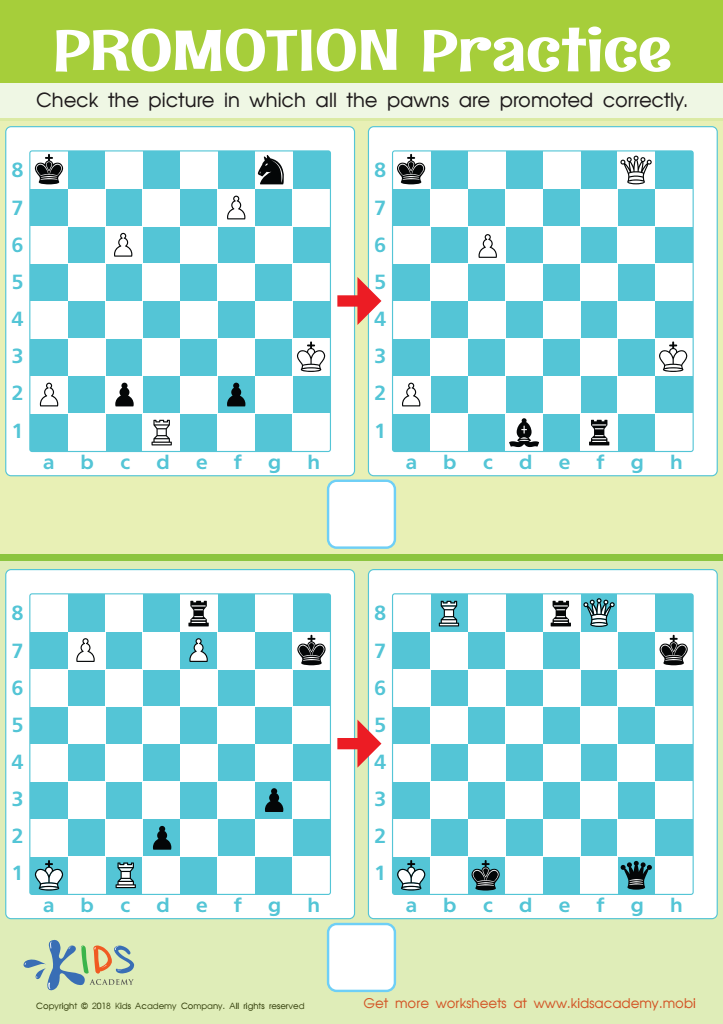
Promotion Practice Worksheet
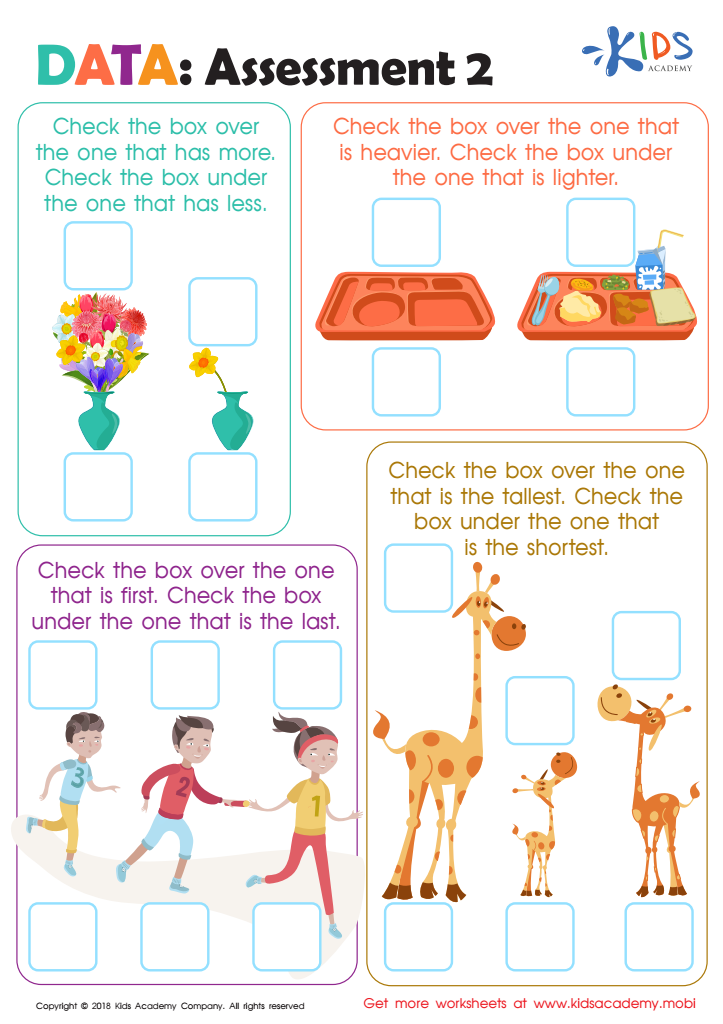
Data: Assessment 2 Worksheet
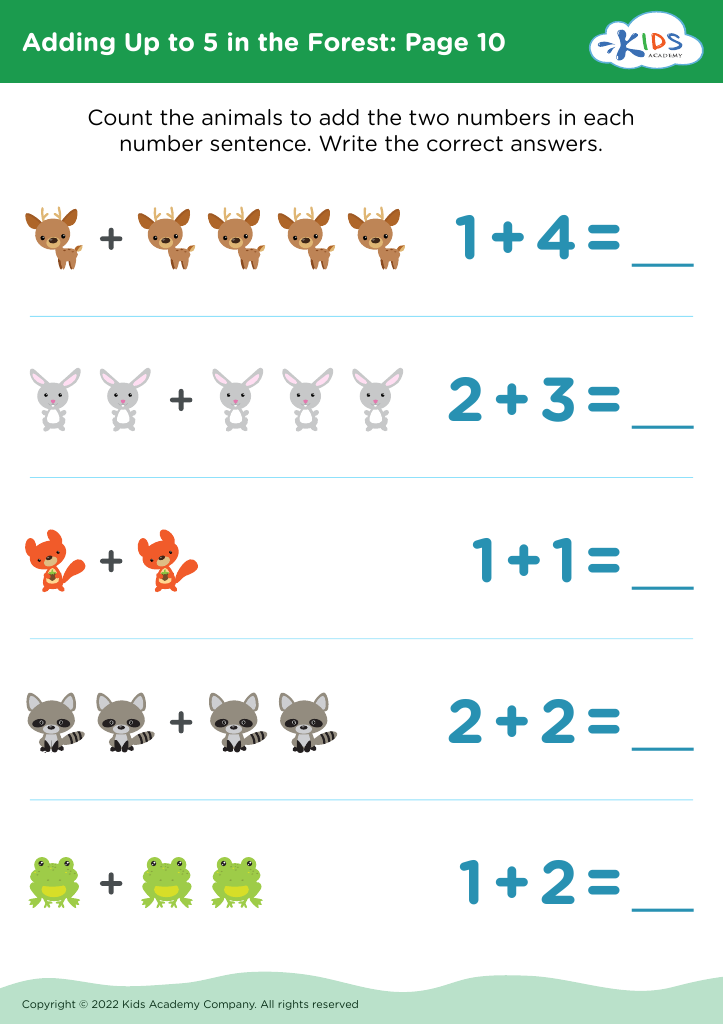
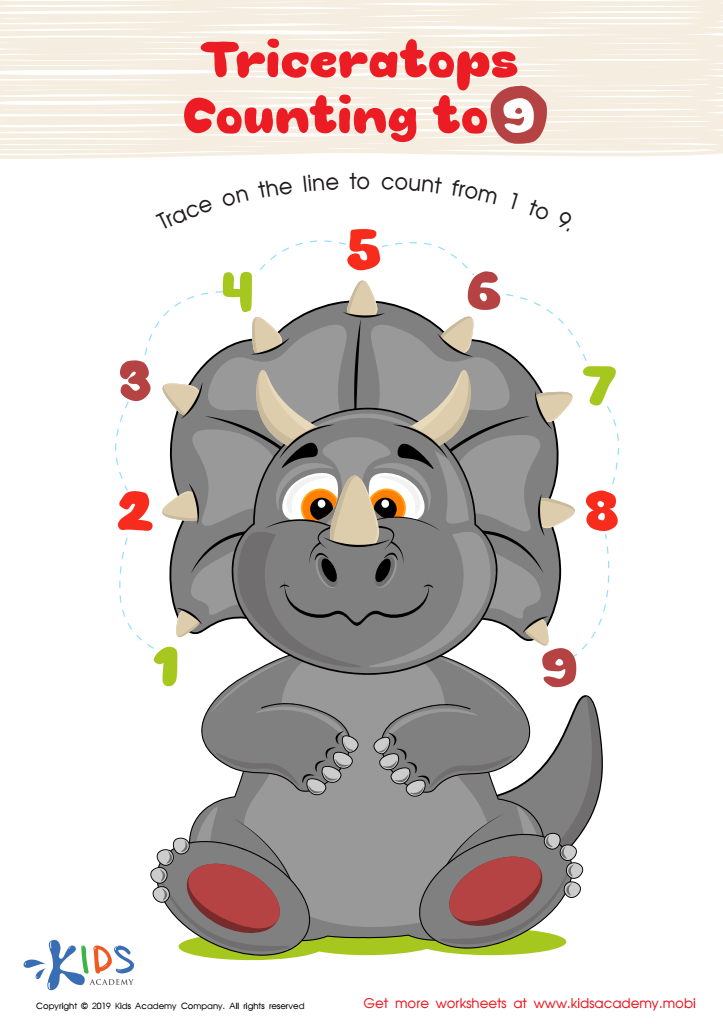
Triceratops Counting to 9 Worksheet
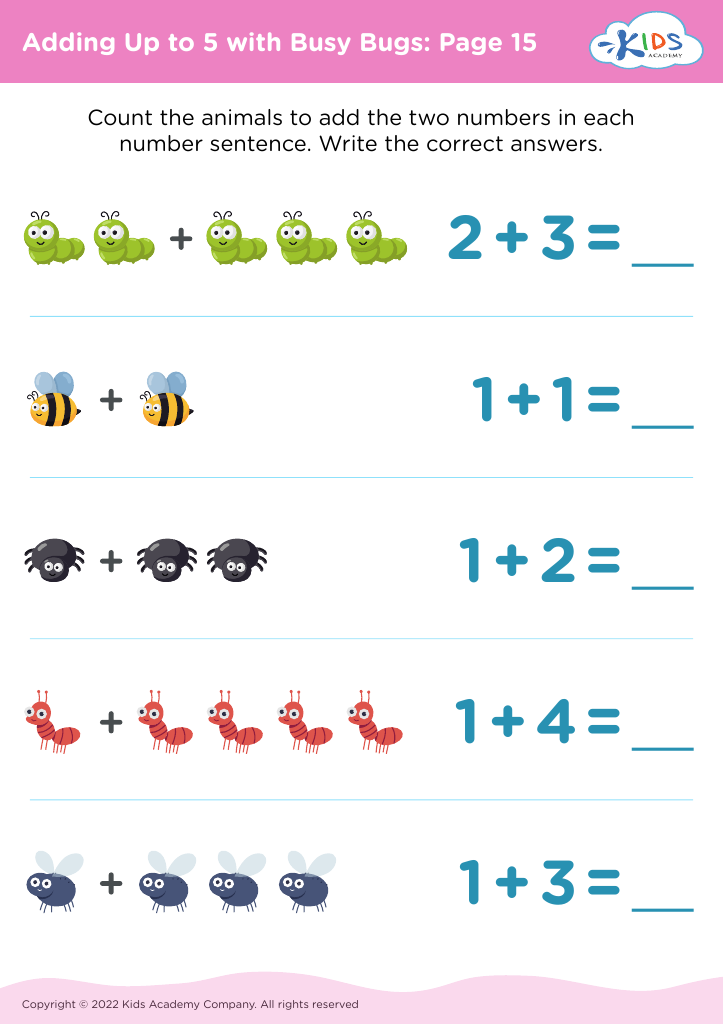
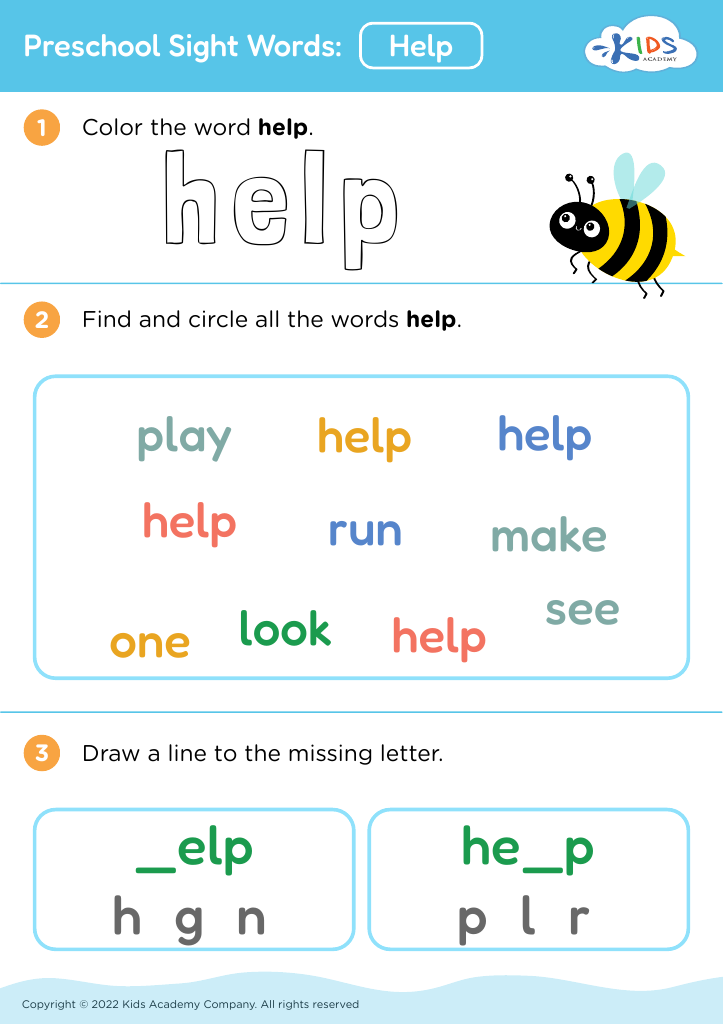
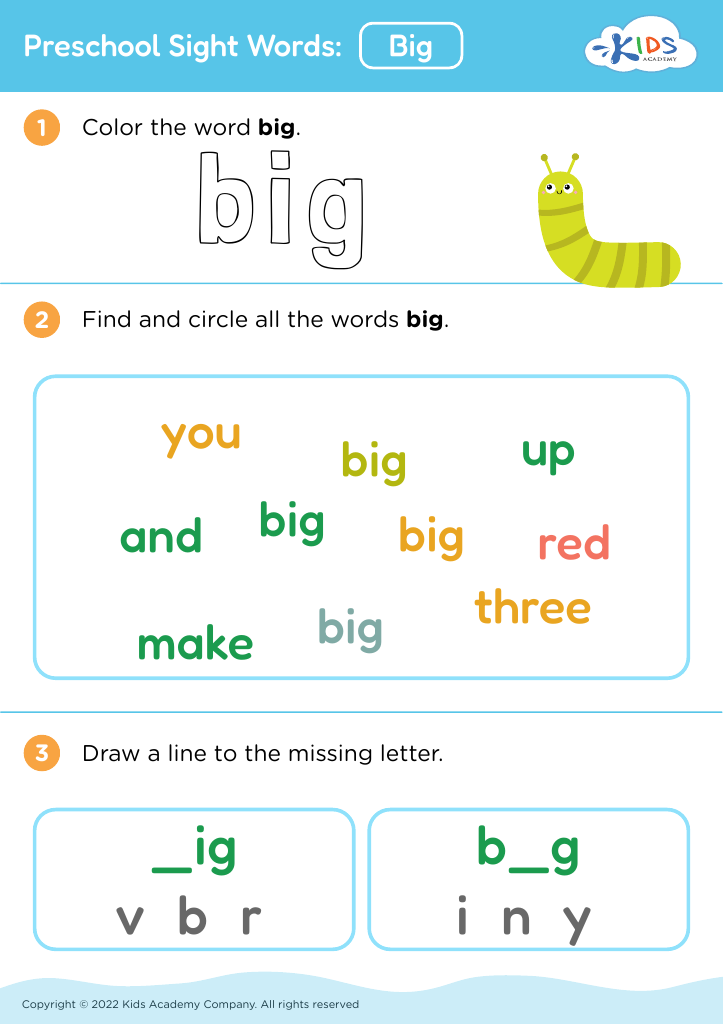






Parents and teachers should care about developing basic math skills in 3-year-olds because early math proficiency plays a critical role in the natural development of cognitive, social, and academic skills. Foundational math skills, such as counting, recognizing numbers, and understanding basic concepts of size and shape, foster critical and logical thinking at an early age. When children are exposed to these concepts, they start building the neural pathways necessary for complex problem-solving and critical reasoning, which are essential lifelong abilities.
Research shows that children who achieve early math competence are more likely to excel in various academic subjects, including science, technology, engineering, and mathematics (STEM) fields. By instilling math-related confidence, we provide children with a sense of achievement and curiosity, motivating them to approach new challenges creativity and resilience.
Moreover, interacting with numbers, shapes, and patterns can significantly enhance communication and interpersonal skills. For instance, games and activities focused on counting or sorting objects promote collaborative behaviors and language development. Therefore, nurturing basic math skills in 3-year-olds not only lays out a foundation for future academic success but also supports overall personal growth, ensuring a more well-rounded development during these crucial early years.








