Comparing quantities Worksheets for 3-Year-Olds
4 filtered results
-
From - To
Explore our engaging “Comparing Quantities Worksheets” designed specifically for 3-year-olds! These fun and interactive worksheets provide a fantastic opportunity for young learners to grasp fundamental concepts of measurement and comparison. Through colorful illustrations and hands-on activities, children will learn to identify more, less, and equal quantities. Our resources encourage critical thinking and promote early math skills, making learning enjoyable and effective. Perfect for both home and classroom settings, these worksheets foster language development and promote the use of simple math vocabulary. Start your child's educational journey today with our thoughtfully crafted materials that make learning about comparing quantities a delightful experience!
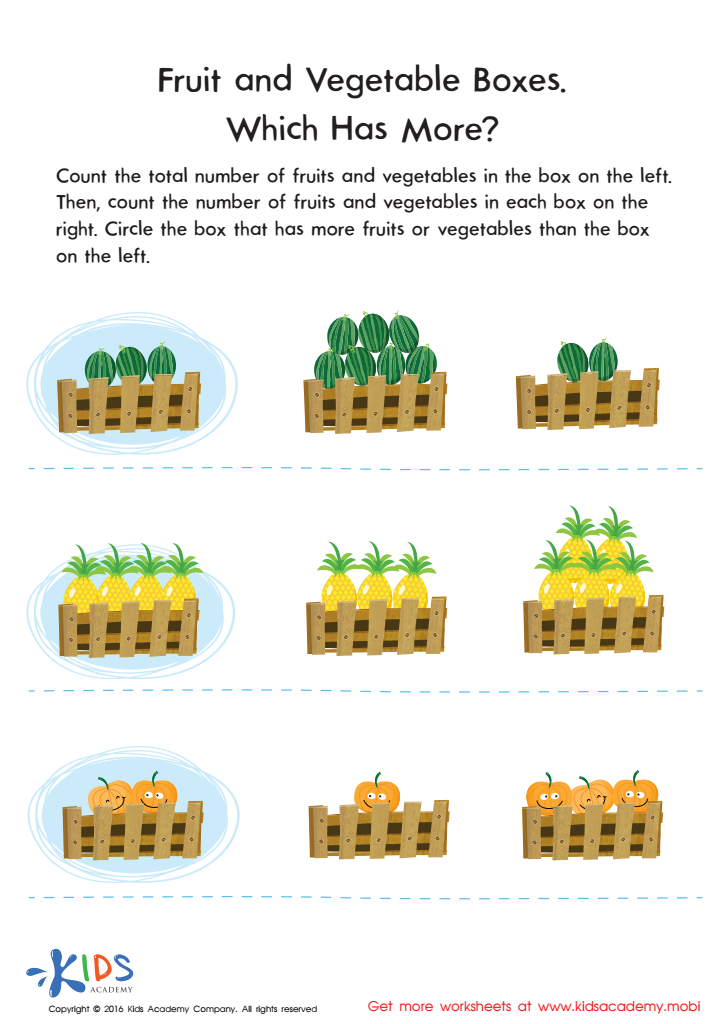
Which Has More? Size Worksheet
 Assign to My Students
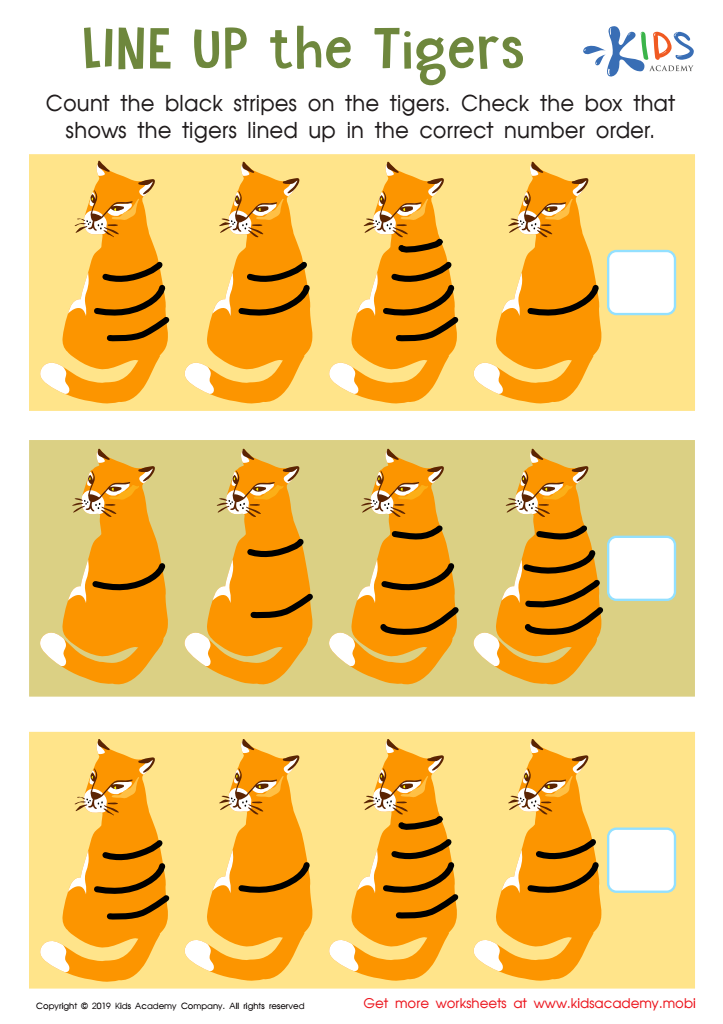
Line up the Tigers Worksheet
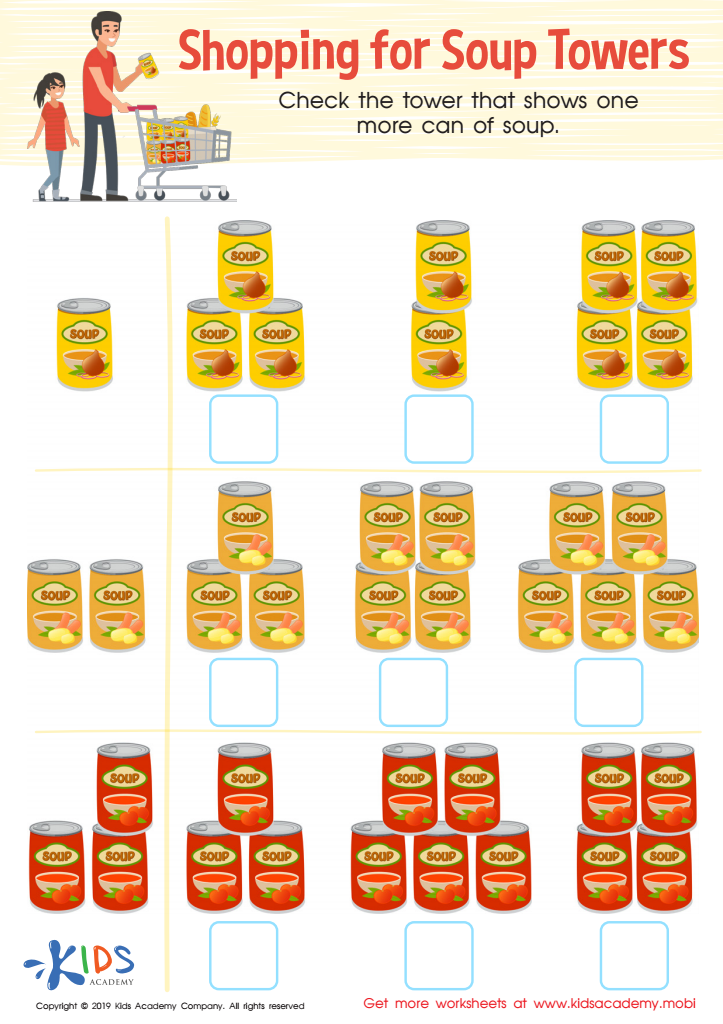
Soup Towers Worksheet
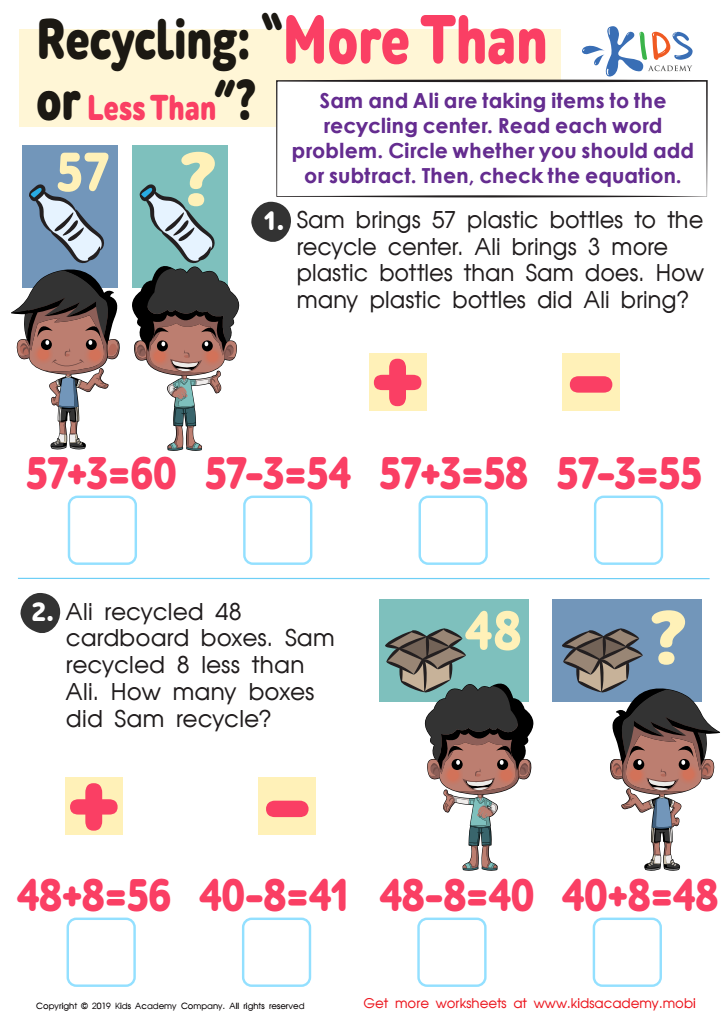
Recycling - More or Less Worksheet



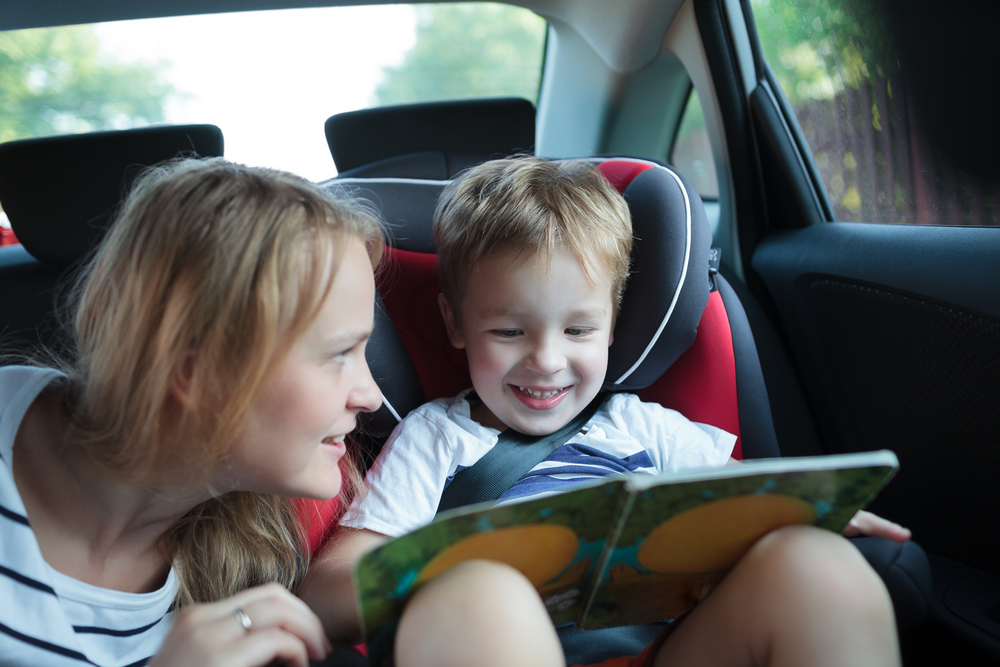


Comparing quantities is a crucial skill for 3-year-olds, laying the foundation for their mathematical development and critical thinking. During this stage, children's cognitive abilities are rapidly evolving, making it an ideal time for them to grasp fundamental concepts related to numbers and quantities. By engaging in activities that encourage comparison—such as sorting toys by size or counting snacks—parents and teachers can help children understand more vs. less, bigger vs. smaller, and the relationship between different quantities.
These skills are not only essential for future mathematical learning but also enhance a child's ability to problem-solve and think analytically. Understanding comparisons aids in developing their language skills, as they learn to articulate differences and similarities. Additionally, these activities can foster social skills, as children often work together in play, negotiating and discussing their findings.
Ultimately, parents and teachers should care about comparing quantities because these foundational experiences foster mathematical reasoning, encourage observational skills, and build confidence in young learners. By incorporating fun and engaging methods of teaching quantity comparison, adults support a child’s natural curiosity and love for learning, preparing them for more complex concepts in the future.








