
Enhancing fine motor skills Worksheets for 3-Year-Olds
4 filtered results
Difficulty Level
Grade
Age
-
From - To
Subject
Activity
Standards
Our "Enhancing Fine Motor Skills Worksheets for 3-Year-Olds" are designed to support your child's developmental milestones through engaging activities and exercises. Each worksheet focuses on essential skills like holding pencils correctly, tracing lines, cutting shapes, and other hand-eye coordination tasks that build the foundation for writing and self-care. Developed by experts and loved by parents, our printables make learning fun and effective, offering creative challenges that captivate young minds. Invest in your child's future today with age-appropriate, expertly crafted worksheets that turn everyday learning into a magical adventure at Kids Academy!
Favorites
With answer key
Interactive
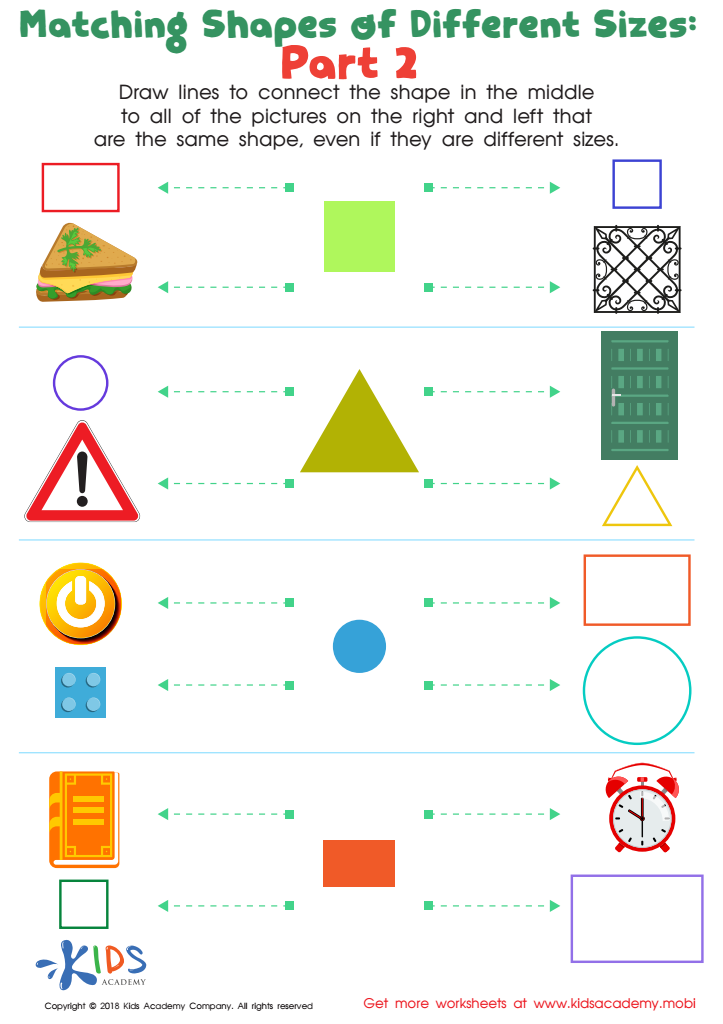
Geometry: Part 2 Worksheet
Third grade geometry gets a challenge with this free worksheet. Kids match shapes to everyday objects like sandwiches, alarm clocks and books for a better understanding of geometry in their lives. Printable pdf is included.
 Assign to My Students
Geometry: Part 2 Worksheet
Worksheet
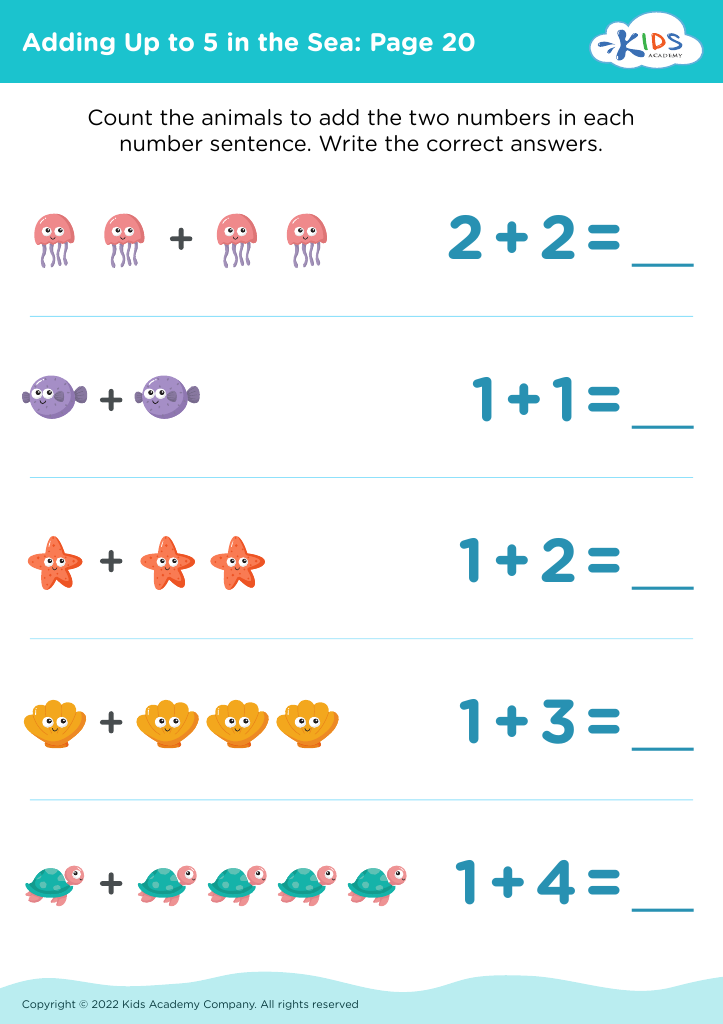
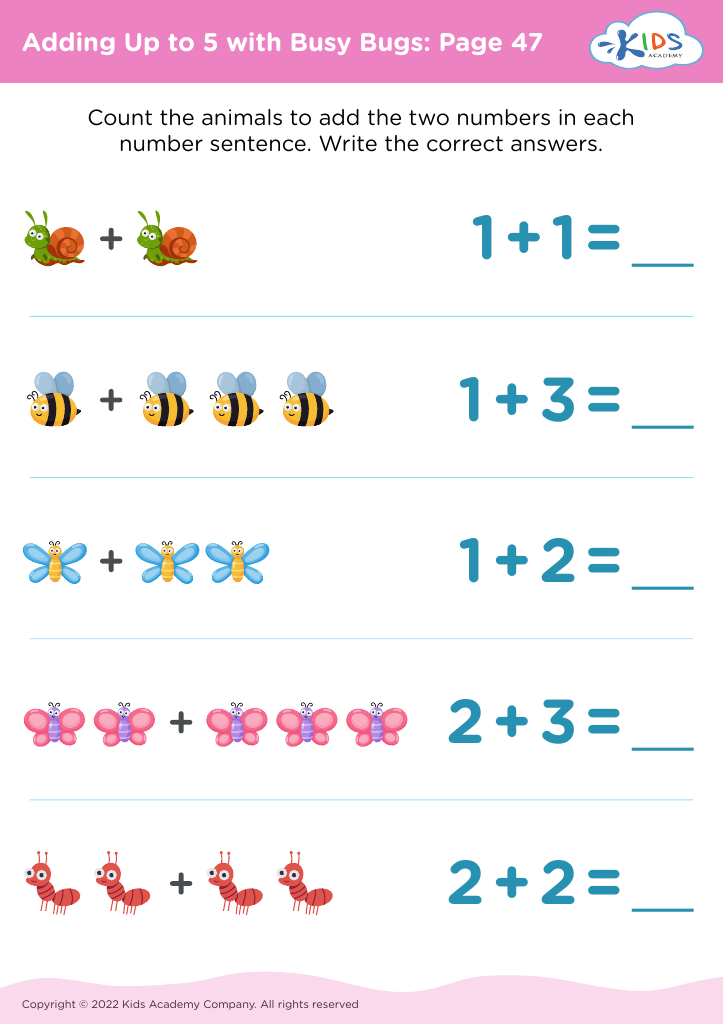
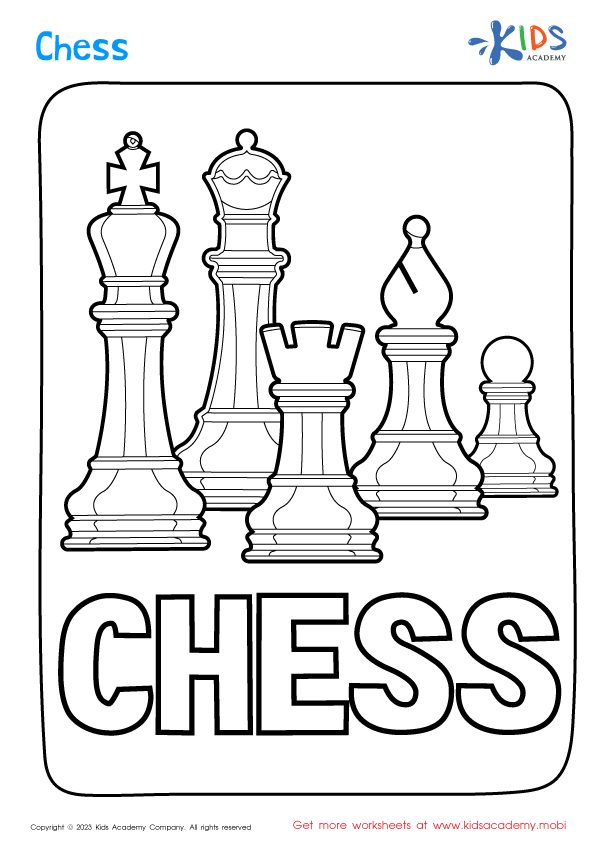
Join Kids Academy for Free
Who is primarily going to use this learning content?






Enhancing fine motor skills in 3-year-olds is crucial for their overall development and future success. Fine motor skills involve the coordination of small muscles in the hands and fingers, which are necessary for various everyday tasks. For young children, developing these skills lays the foundation for important activities such as writing, drawing, buttoning clothes, and using utensils.
At the age of three, children's brains are rapidly developing. Engaging them in activities that enhance fine motor skills supports neural connections that affect many other areas, including cognitive and emotional development. Improved dexterity can lead to better concentration and focus, as children can perform tasks more efficiently and with greater confidence.
Furthermore, enhancing fine motor skills promotes independence as children become more confident in performing self-care tasks like dressing and feeding themselves. This independence is not only empowering but also reduces the reliance on parents and teachers for help.
For both educators and parents, providing opportunities such as puzzles, playdough, beading, and cutting activities can make a tremendous difference. These activities strengthen hand-eye coordination and precision, which are fundamental for later educational tasks such as reading and academic writing.
Investing time and effort in enhancing fine motor skills is essential for fostering a child's growth, independence, and readiness for future challenges.








