Fine motor skills (writing) Worksheets for 3-Year-Olds - Page 2
35 filtered results
-
From - To
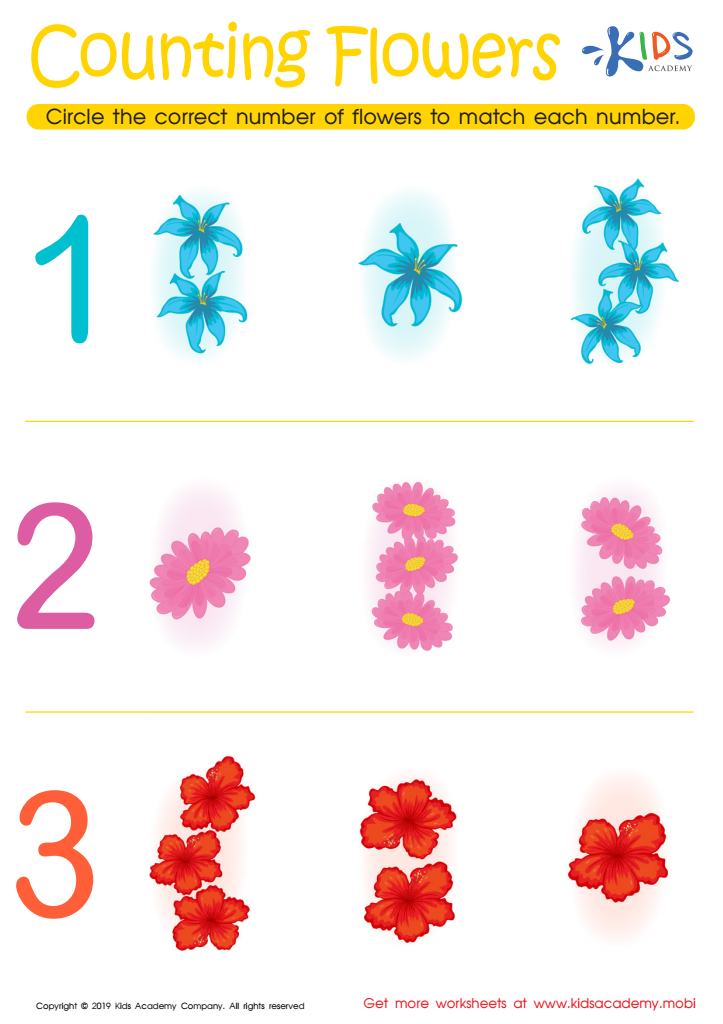
Counting Flowers Worksheet
 Assign to My Students
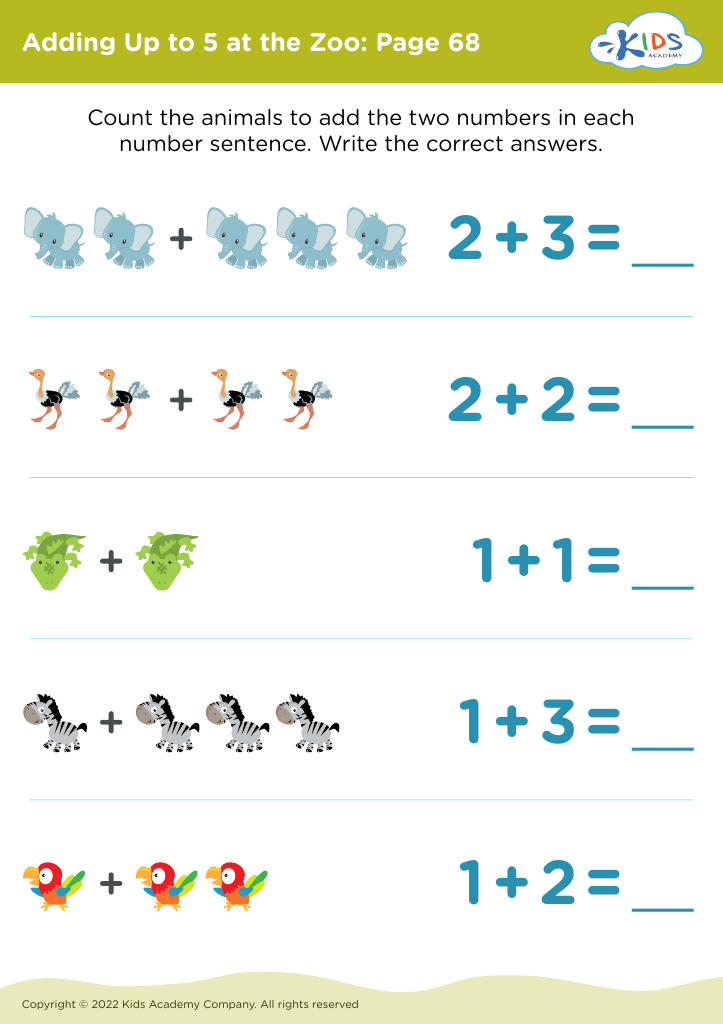
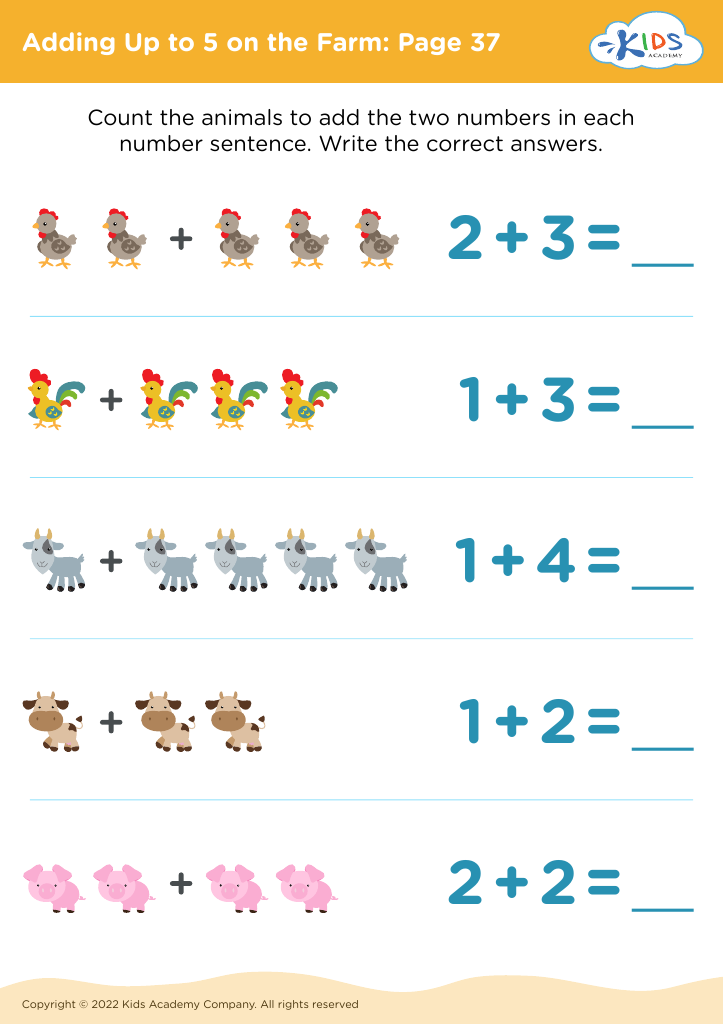
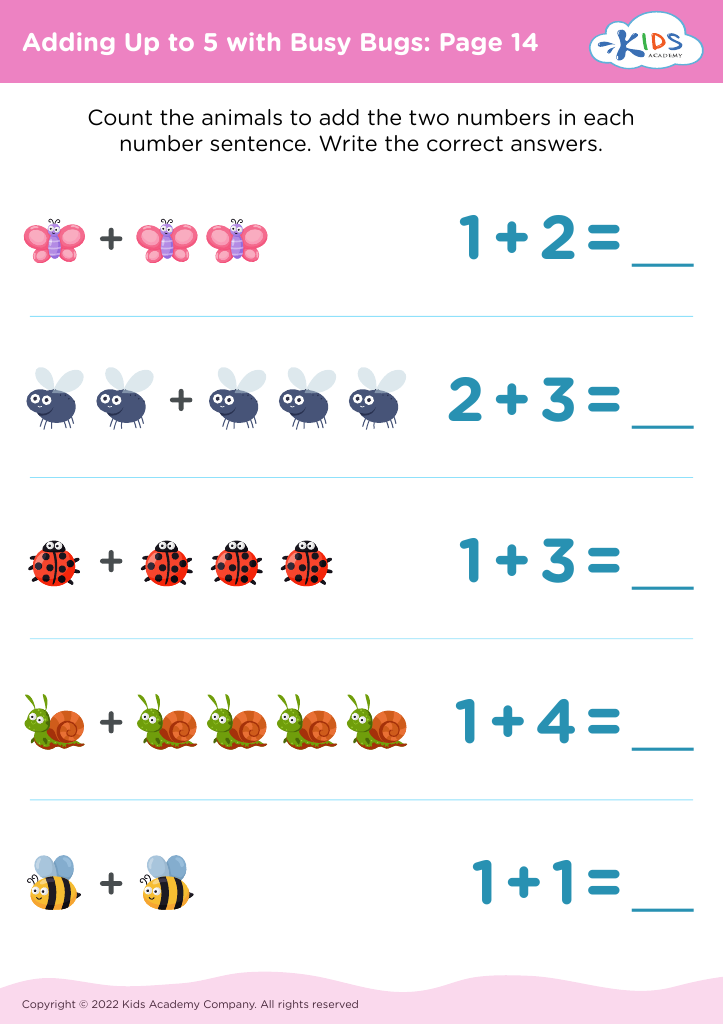
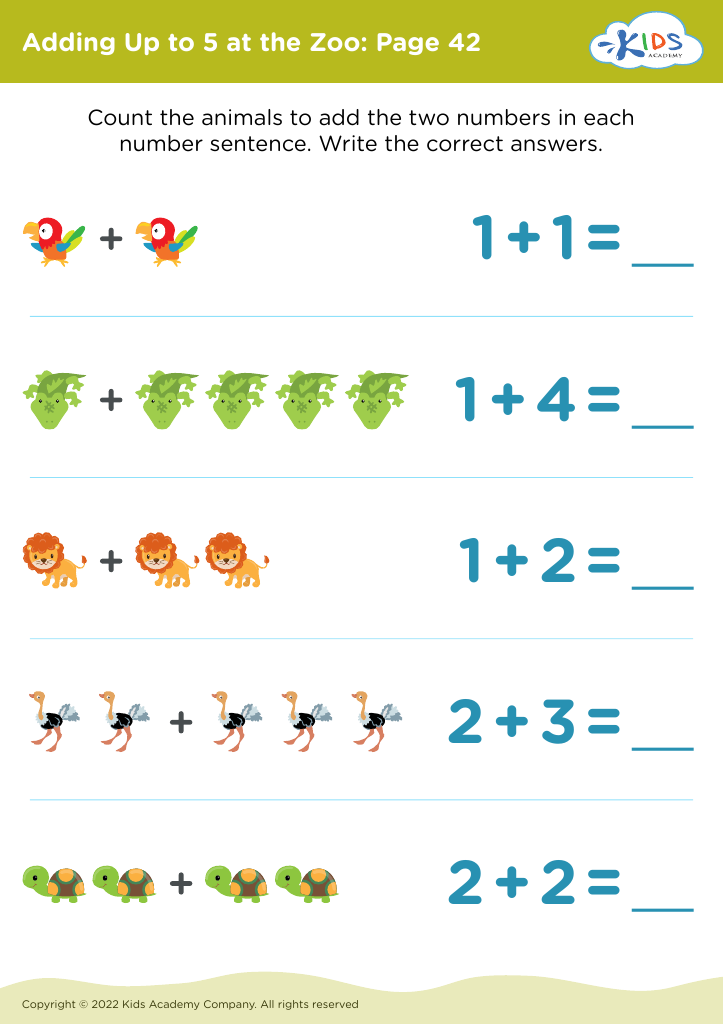
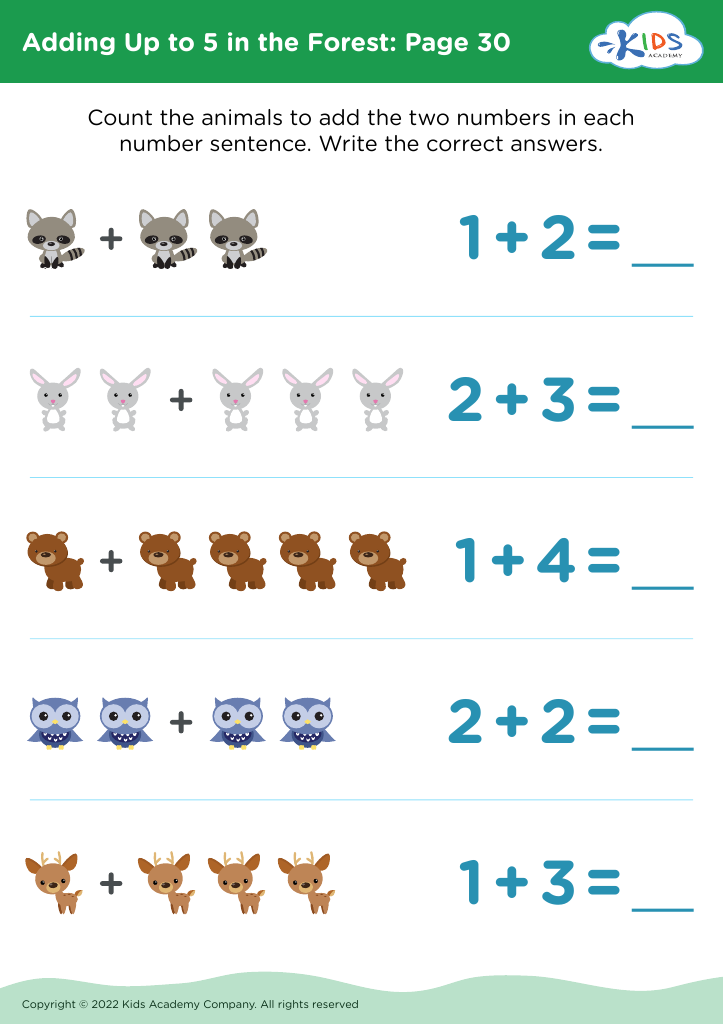
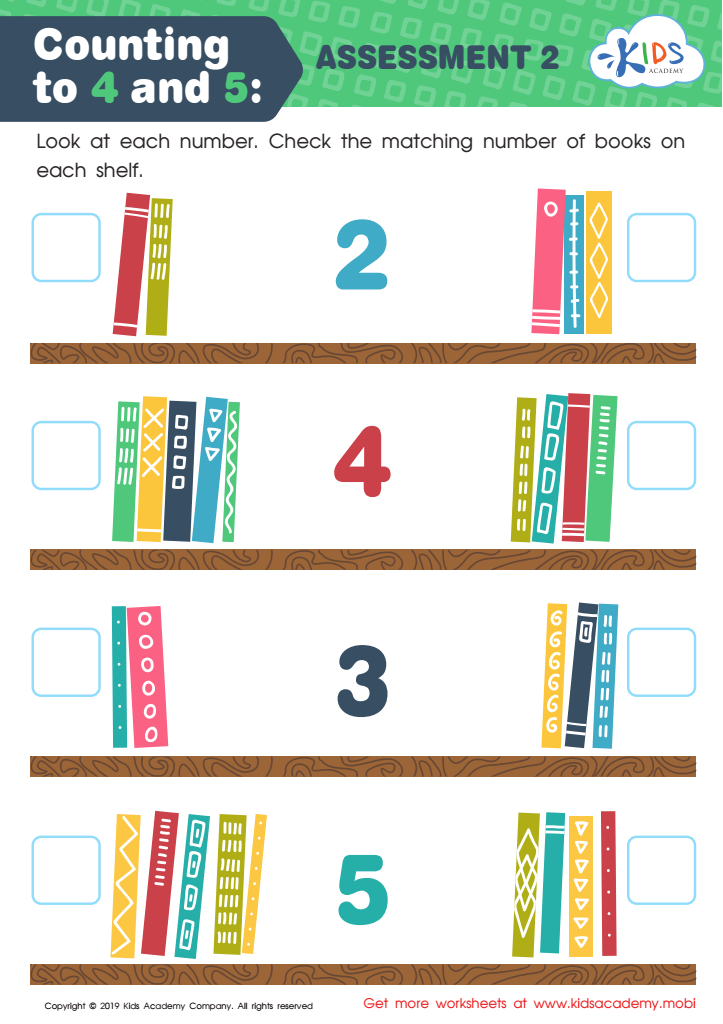
Counting to 4 and 5: Assessment 2 Worksheet








Fine motor skills, such as writing, are crucial for the overall development of 3-year-olds and should be a focus for both parents and teachers. These skills involve the coordinated movement of small muscles, particularly in the hands and fingers, and are essential for tasks like holding a pencil, tying shoelaces, and buttoning clothes. Developing fine motor skills early on helps children achieve greater independence and boosts their self-confidence.
In the context of writing, fine motor skills are foundational. As children learn to control their hand movements more precisely, they acquire the ability to form letters and shapes, which lays the groundwork for literacy. Early proficiency in these skills correlates with better performance in reading and writing tasks as they grow older, providing them with a head start in their formal education.
Additionally, engaging in fine motor activities stimulates cognitive development. Tasks such as drawing or playing with building blocks enhance spatial awareness and problem-solving abilities, as well as hand-eye coordination. By fostering fine motor skills at an early age, parents and teachers set children on a path toward academic success and cognitive growth, while also enabling them to navigate everyday tasks more effectively and with greater ease.








