History knowledge Worksheets for 3-Year-Olds
4 filtered results
-
From - To
Unlock the world of history for your 3-year-old with our engaging History Knowledge Worksheets! Designed specifically for early learners, these worksheets introduce young minds to the concept of past and present in a fun and interactive way. Through colorful illustrations and age-appropriate activities, children will explore historical events, notable figures, and cultural milestones. Our resources foster critical thinking while nurturing a love for learning. Perfect for at-home education or classroom settings, these worksheets align with early childhood development goals. Start your child’s journey into history today, and watch them become curious explorers of the world around them!
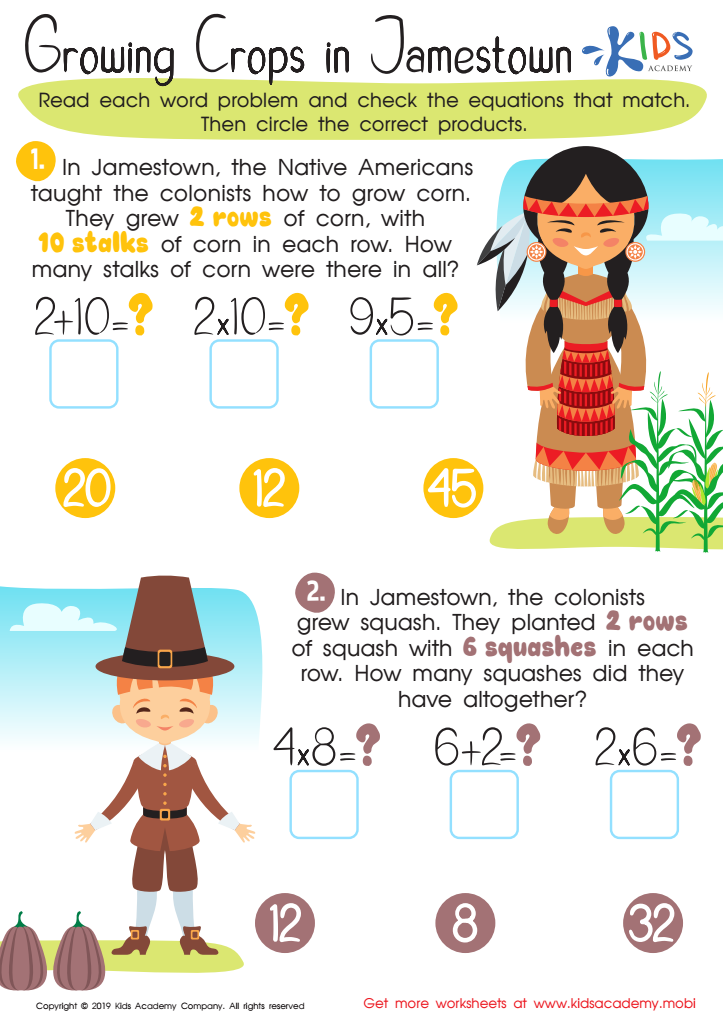
Growing Jamestown Worksheet
 Assign to My Students





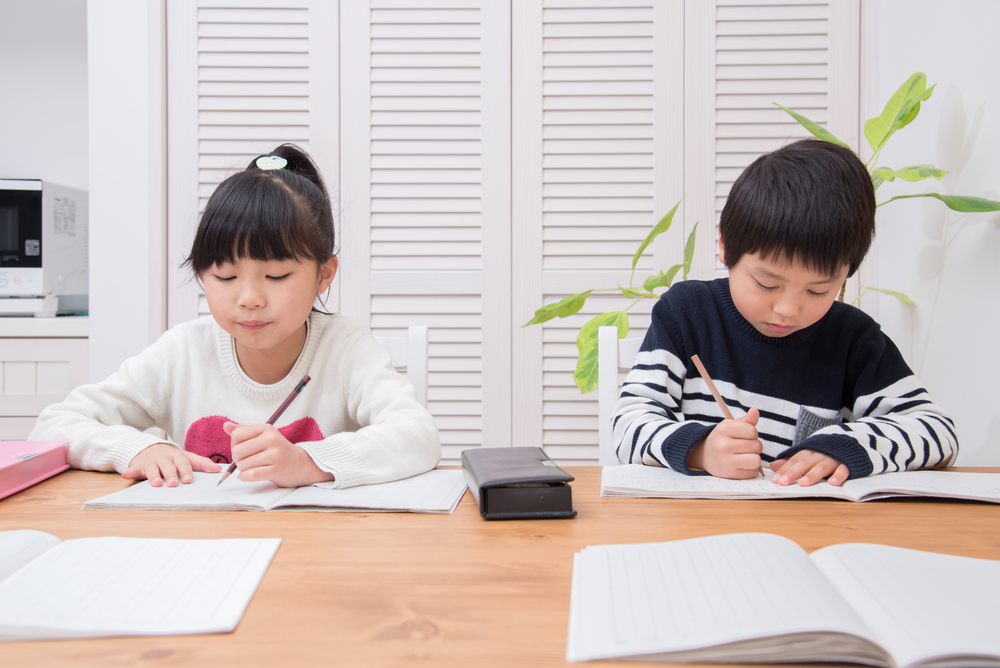


Parents and teachers should prioritize history knowledge for 3-year-olds because it lays a foundation for critical thinking and cultural awareness. At this age, children are highly curious and rapidly developing their understanding of the world around them. Introducing them to basic historical concepts can help them make connections between the past and their present experiences, fostering a sense of belonging and identity.
Engaging young children in historical narratives through stories, songs, and simple activities cultivates their imagination and language skills. History helps children grasp concepts like time, change, and cause-and-effect, contributing to their cognitive development. For instance, by learning about significant figures or events in a simple way, children begin to understand different perspectives and develop empathy.
Additionally, early exposure to diverse histories promotes inclusivity and respect for different cultures. It encourages open-mindedness and understanding in a diverse society. By learning about the past, children can better appreciate their own heritage while respecting others'.
In summary, emphasizing history knowledge for preschoolers not only enriches their cognitive and language skills but also nurtures their social-emotional growth and prepares them as informed, empathetic citizens of the world.








