Improve vocabulary Worksheets for 3-Year-Olds
3 filtered results
-
From - To
Discover fun and engaging vocabulary worksheets designed specifically for 3-year-olds at Kids Academy! Our carefully crafted printables aim to enhance your child's language skills through exciting and age-appropriate activities. Each worksheet is filled with colorful images, simple words, and interactive exercises that make learning enjoyable. By integrating these worksheets into your child's routine, you can boost their word recognition, comprehension, and communication abilities. Perfect for parents and educators, these tools provide a solid foundation for early literacy development. Visit now to explore our collection and watch your child's vocabulary soar!

Homes Worksheet
 Assign to My Students
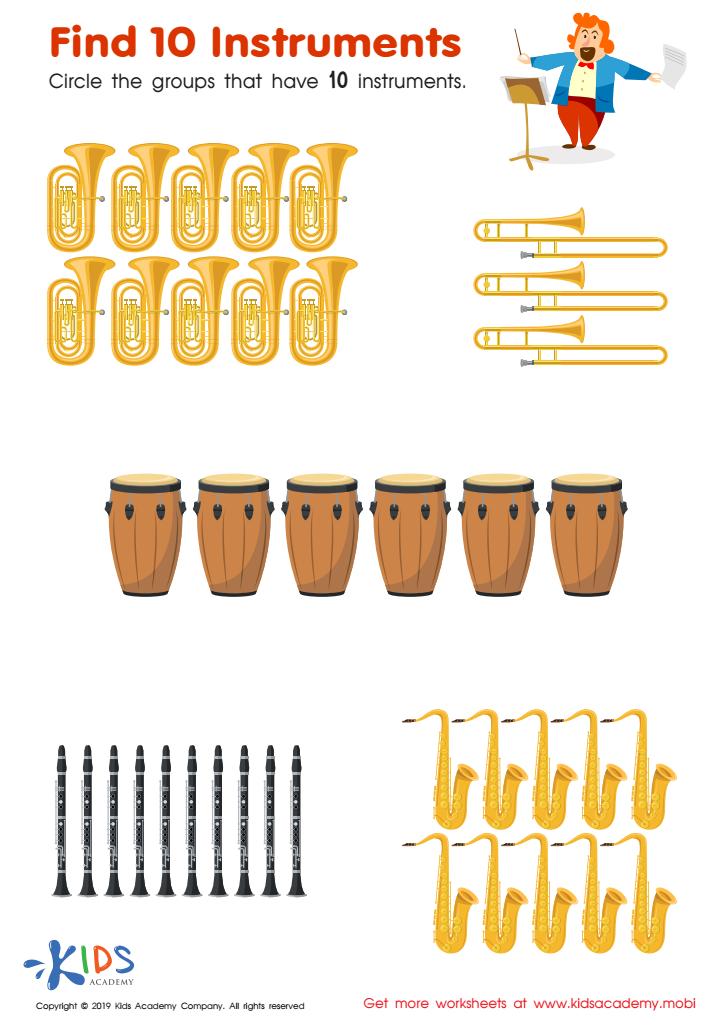
Find 10 Instruments Worksheet








Improving vocabulary for 3-year-olds is crucial for their overall development and future academic success. At this age, children's brains are highly receptive to new information, and language skills form a critical part of their cognitive growth. A rich vocabulary lays a foundation for effective communication, enabling children to express their thoughts, needs, and feelings clearly. It also enhances their ability to understand others, promoting better social interactions and emotional intelligence.
For parents and teachers, focusing on vocabulary development can directly impact a child’s literacy skills. Children with a strong vocabulary are more prepared for reading; they understand more words, can follow storylines better, and start recognizing written words faster. This early edge can translate to more significant academic achievement in the long run.
Moreover, enriching a child's vocabulary can stimulate curiosity and encourage a love for learning. Engaging with diverse words through conversation, books, and educational activities can open up new worlds and ideas for a child, fostering creativity and critical thinking. Parents and teachers play a pivotal role here, as they are the child's primary source of learning and interaction. Investing time and effort in vocabulary development at this tender age can yield lifelong benefits, making it an essential focus for caregivers and educators alike.








