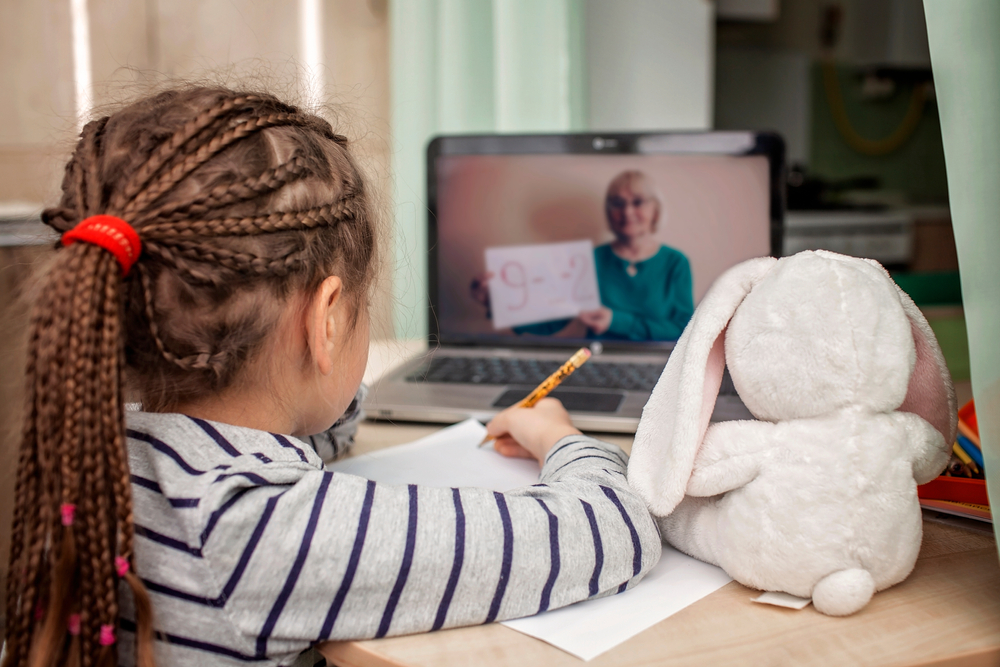
Welcome to our Multiplication Practice Worksheets for 3-Year-Olds! Designed to introduce young learners to the foundational concepts of multiplication in a fun and engaging way, these worksheets are perfect for early childhood education. Each activity encourages critical thinking through colorful visuals and simple instructions, making math enjoyable. Your child will explore numbers, patterns, and relationships while developing essential cognitive skills. Our worksheets not only enhance numeracy but also promote fine motor skills through tracing and coloring activities. Start your little one's journey into the world of math with our thoughtfully crafted worksheets that blend learning with play!

Check out this FREE "Multiplication practice" Trial Lesson for age 3!

Do I Multiply or Divide - Figuring it Out 1 step Word Problems Part 2

Favorites
With answer key
Interactive
  • 3
  • Multiplication practice
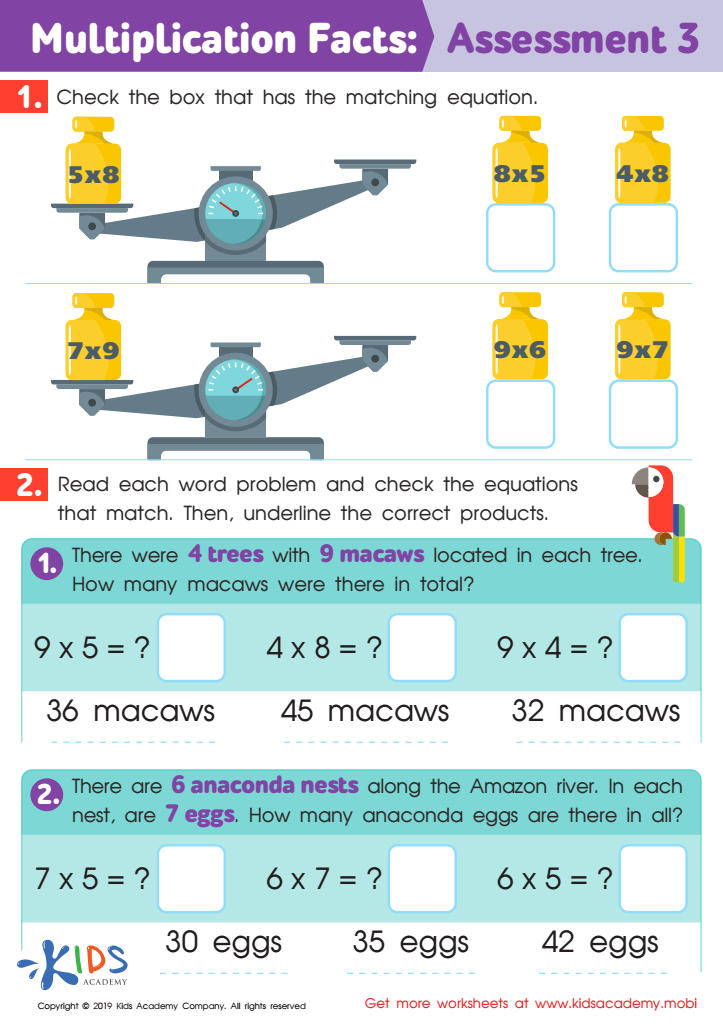
Multiplication Facts: Assessment 3 Worksheet

Multiplication Facts: Assessment 3 Worksheet

Test your kid's maths skills with this easy to use worksheet! Help them check the box that matches the equation in the first part, then read each word problem and underline the right answers to the second part. Assess your child's muliplication knowledge and find out where they need extra help.
Multiplication Facts: Assessment 3 Worksheet
Worksheet
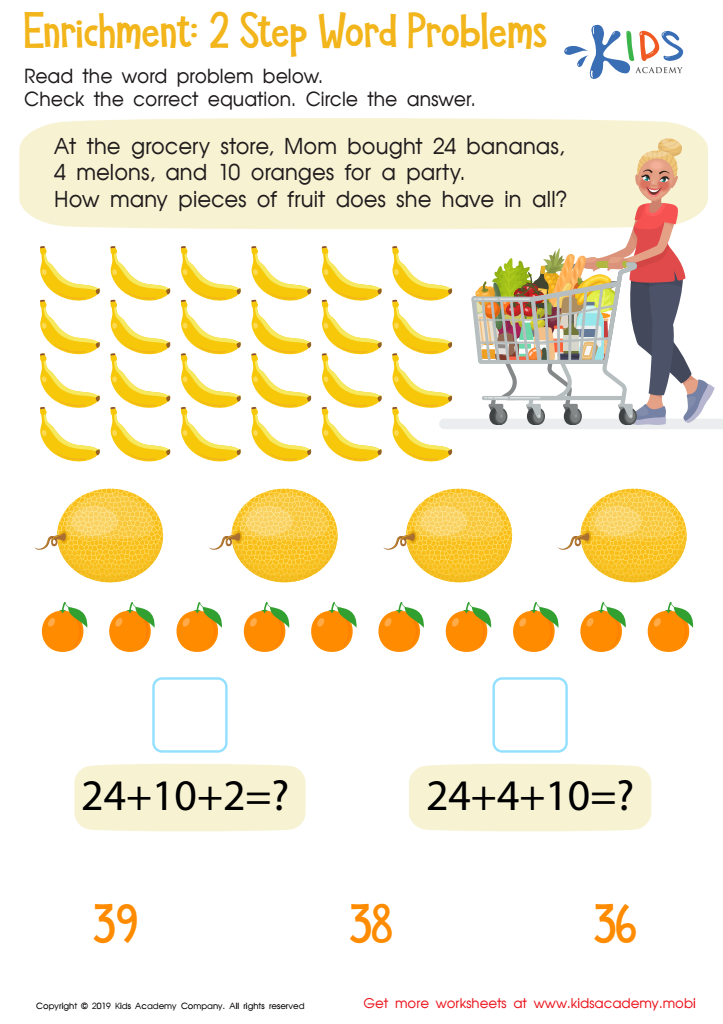
Enrichment -2 Step Word Problems Worksheet

Enrichment -2 Step Word Problems Worksheet

Help your students learn math easier and faster with this colorful worksheet. Read the word problem and then guide them in checking the correct equation and finding the answer. Your students will benefit from the extra help, as they work through new concepts each day.
Enrichment -2 Step Word Problems Worksheet
Worksheet
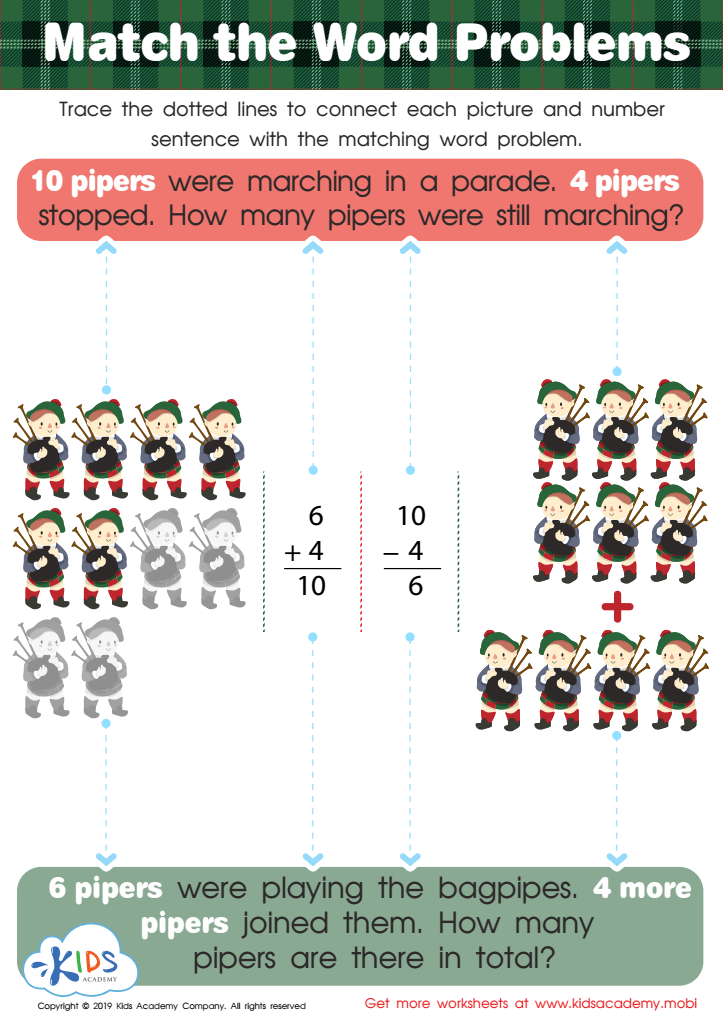
Match the Word Problems Worksheet

Match the Word Problems Worksheet

Read this word problem to your kids: Help them understand how it can be translated into a number problem. Trace the dotted lines to see how each picture and number sentence match the problem. With this worksheet, you can show your kids how easy it is to transform a word problem into a number problem.
Match the Word Problems Worksheet
Worksheet
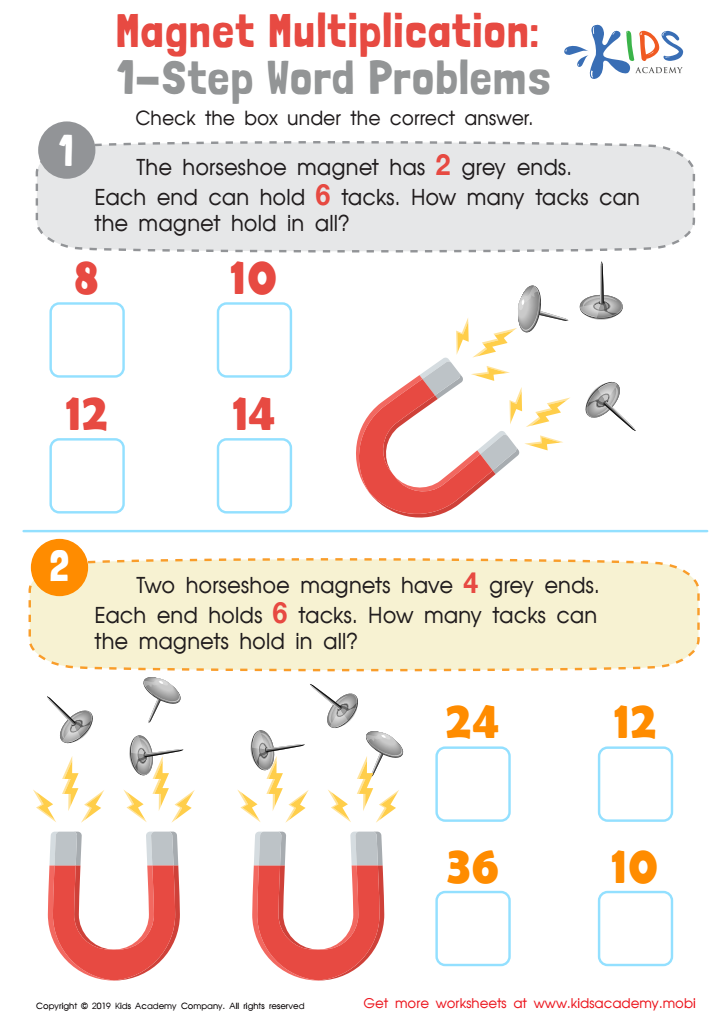
Magnet Multiplication: 1-Step Word Problems Worksheet

Magnet Multiplication: 1-Step Word Problems Worksheet

Refresh your students' knowledge about magnets with a simple math worksheet. Download the PDF with two word problems, along with pictures to help. Read the problems to the class, and help them identify the correct answer by checking the box. This activity will help them harness their science knowledge and practice their math skills.
Magnet Multiplication: 1-Step Word Problems Worksheet
Worksheet
Bees in Threes Worksheet
Bees in Threes Worksheet

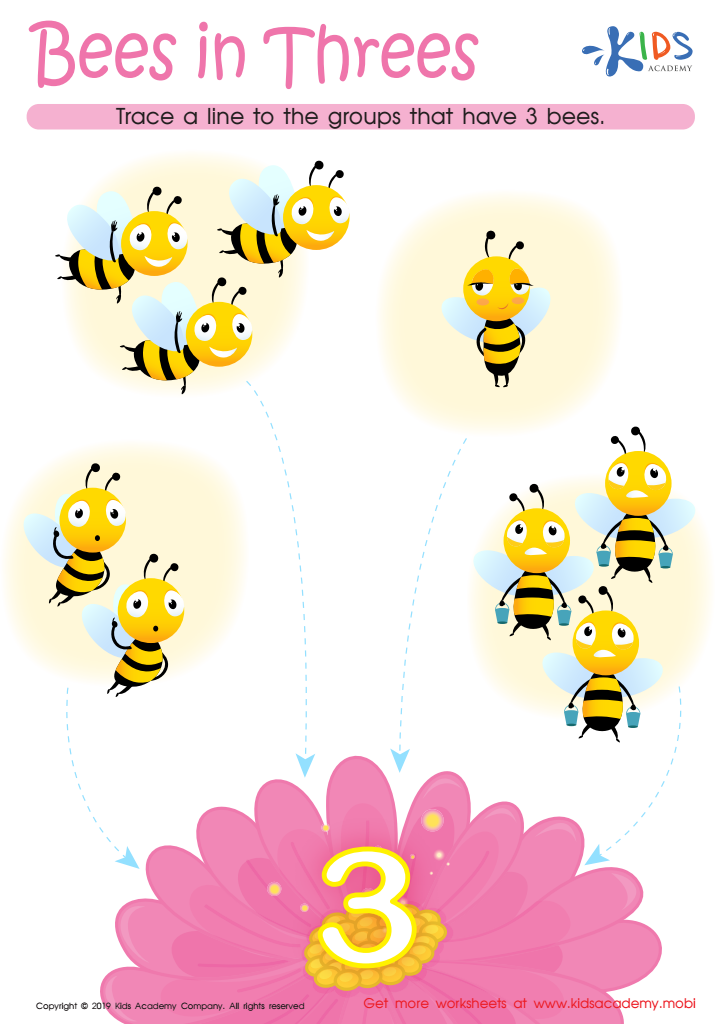
Kids love learning numbers, especially 1, 2, 3! Counting bees with this fun worksheet? It's the bee's knees! They'll practice number recognition and counting skills while connecting groups of three to the number three. It's a great way to make math fun at home or school!
Bees in Threes Worksheet
Worksheet
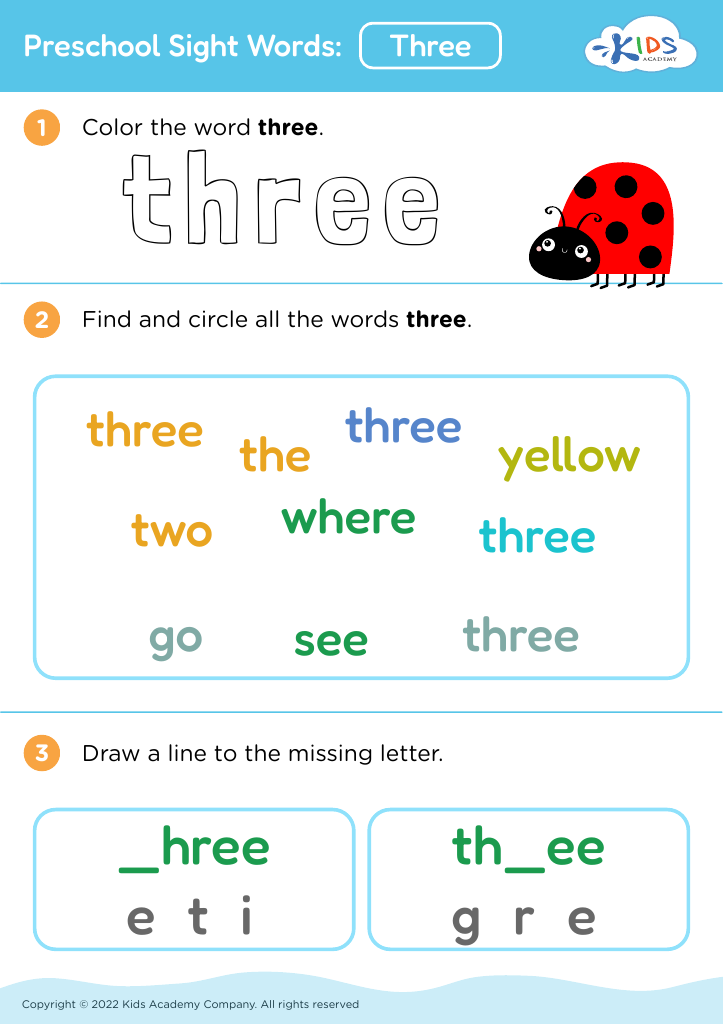
Preschool Sight Words: Three

Preschool Sight Words: Three

Preschool Sight Words: Three
Worksheet
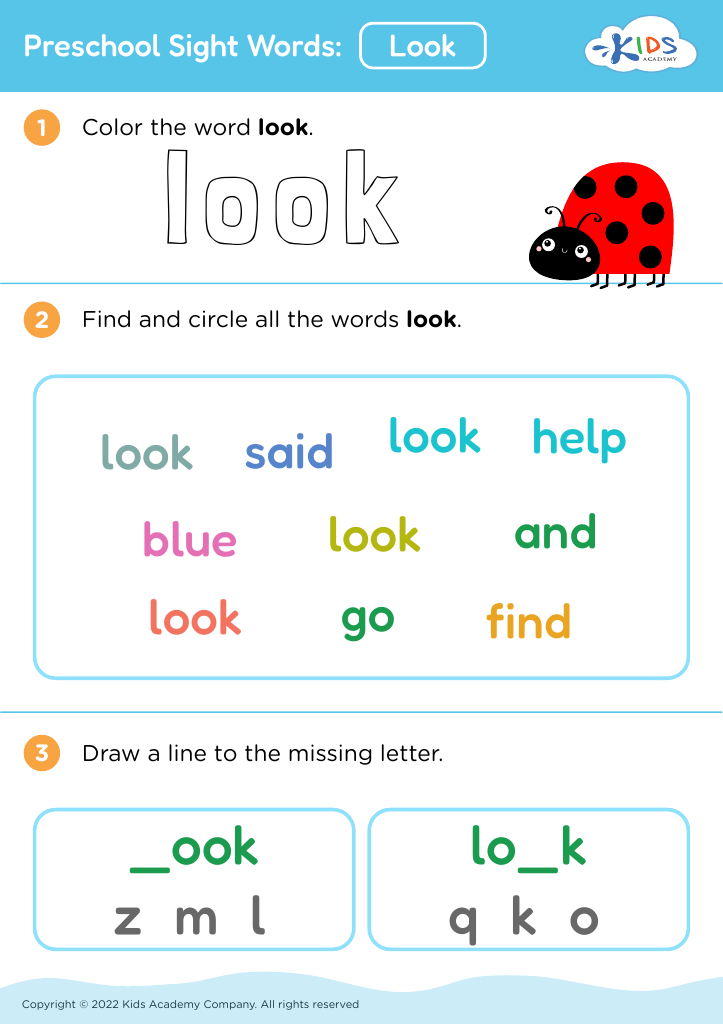
Preschool Sight Words: Look

Preschool Sight Words: Look

Preschool Sight Words: Look
Worksheet
Preschool Sight Words: Is

Preschool Sight Words: Is

Preschool Sight Words: Is
Worksheet


While it may seem early to introduce multiplication to 3-year-olds, engaging them in foundational number concepts provides significant long-term benefits. Early exposure to math lays the groundwork for later academic success. Understanding basic numbers and early operations sharpens cognitive skills and promotes critical thinking.

At this age, learning can be fun and interactive through play, songs, and hands-on activities. Parents and teachers can introduce multiplication concepts informally, using everyday situations like grouping toys, snacks, or counting with finger games to illustrate multiplication as repeated addition. This form of experiential learning fosters curiosity and a positive attitude towards math.

Moreover, early math skills can build confidence. Children who engage with numbers in playful ways are likely to feel more comfortable tackling math challenges as they progress through school. Showing young learners that math can be fun reduces anxiety and helps them develop a healthy mindset towards learning.

Building strong mathematical foundations at this early stage supports language development, enhances memory, and promotes problem-solving skills. Overall, multiplication practice for 3-year-olds can ignite a lifelong love for math while equipping them with essential skills they will utilize throughout their educational journey.