Problem Solving Worksheets for 3-Year-Olds
19 filtered results
-
From - To
Welcome to our collection of Problem Solving Worksheets designed specifically for 3-year-olds! These engaging and interactive worksheets promote critical thinking and cognitive skills through fun and age-appropriate activities. Each worksheet encourages children to explore different problem-solving strategies, enhancing their ability to think logically and creatively. From simple puzzles to sorting tasks, our worksheets are tailored to keep young learners motivated and focused. Perfect for both home and classroom use, these printables will help your child develop essential skills while having fun. Explore our assortment today and support your child's journey towards becoming an independent thinker!
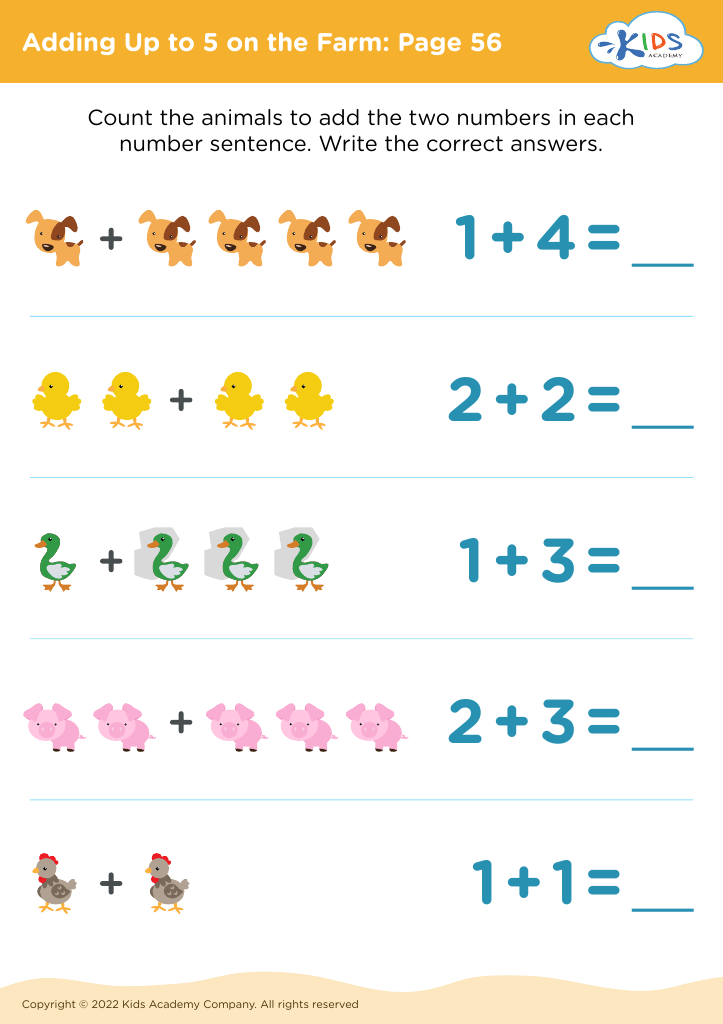
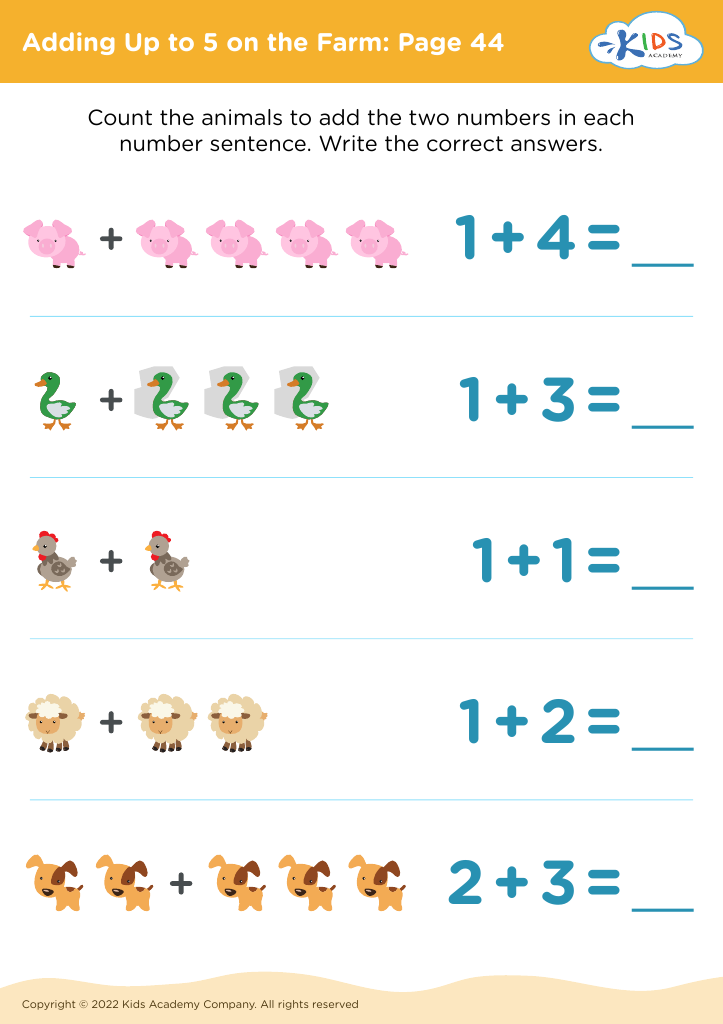
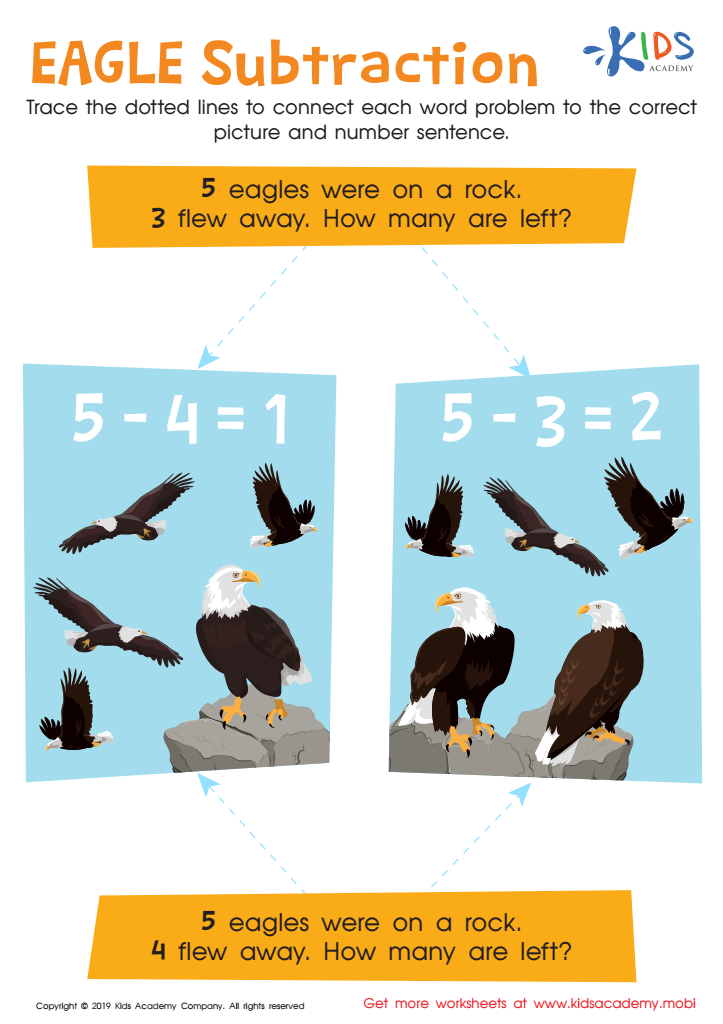
Eagle Subtraction Worksheet
 Assign to My Students
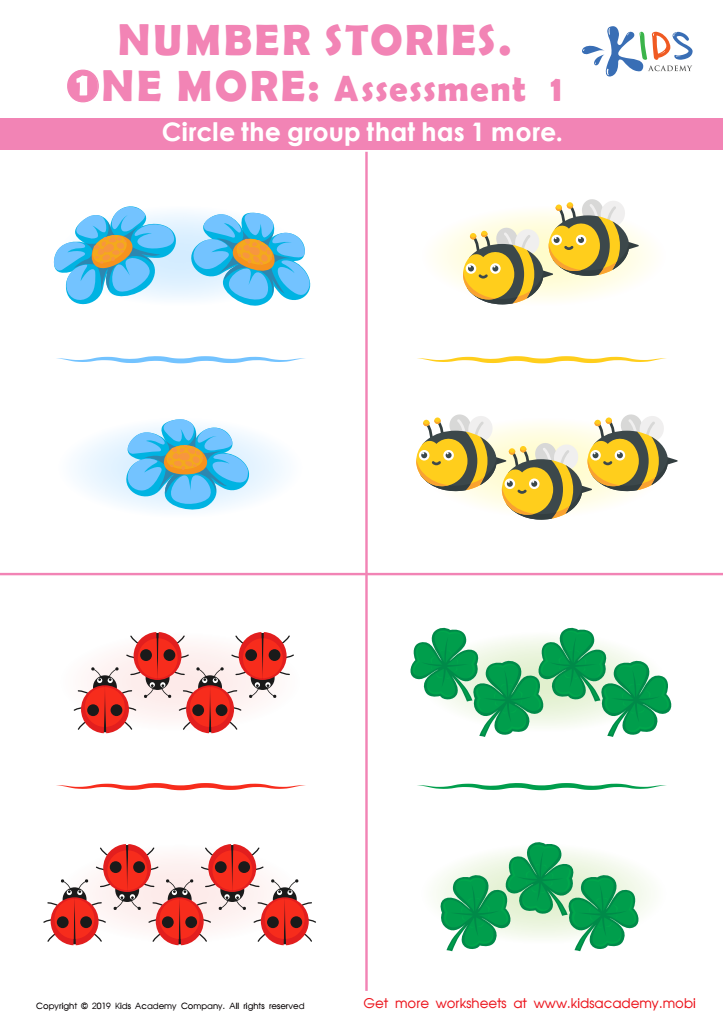
Number Stories One More – Assessment 1 Worksheet
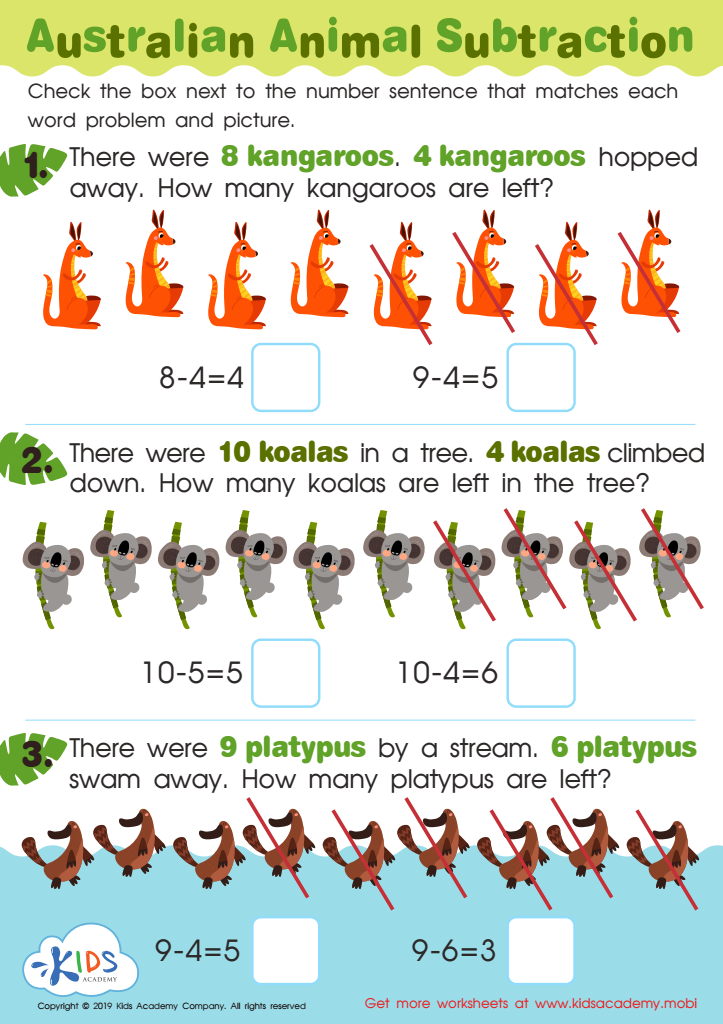
Australian Animal Subtraction Worksheet
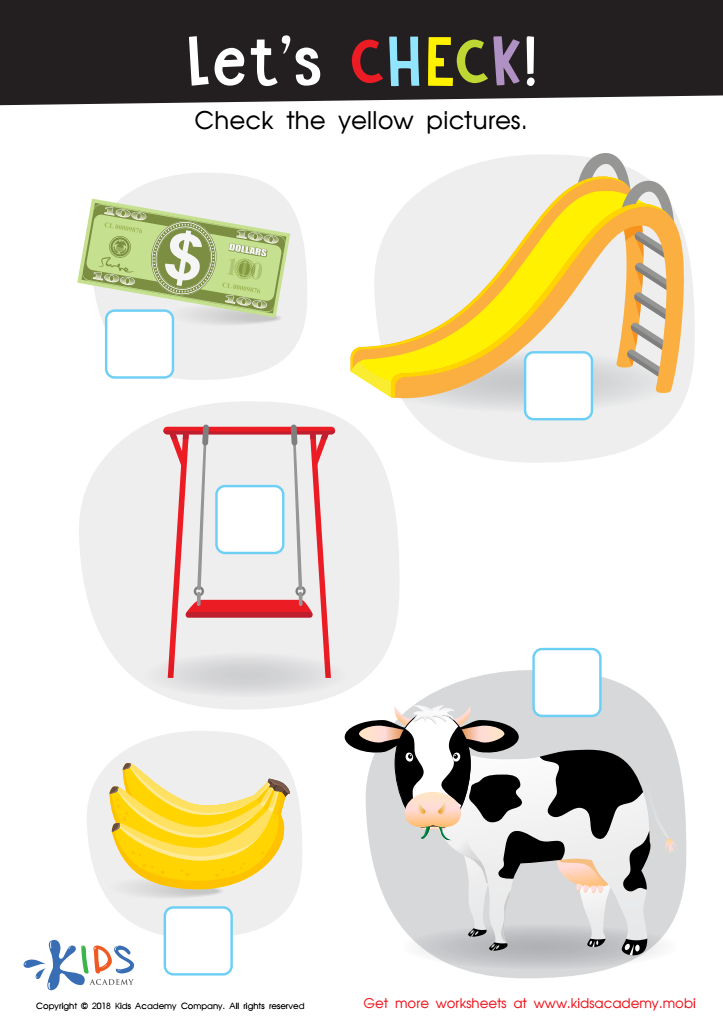
Let's Check! Worksheet
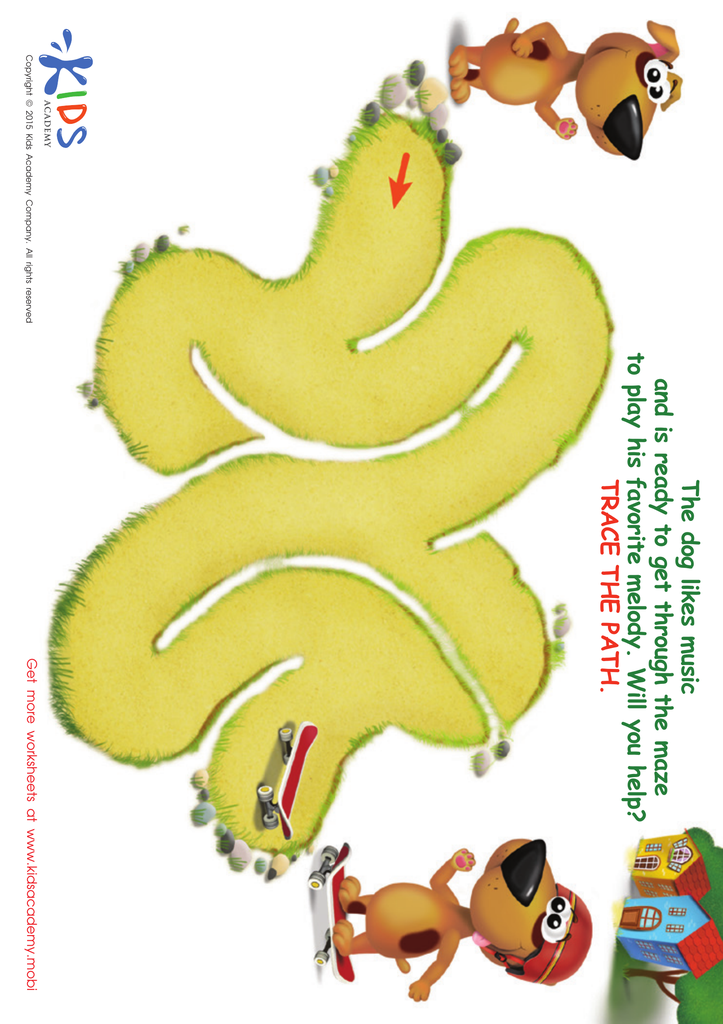
Skater Maze Worksheet
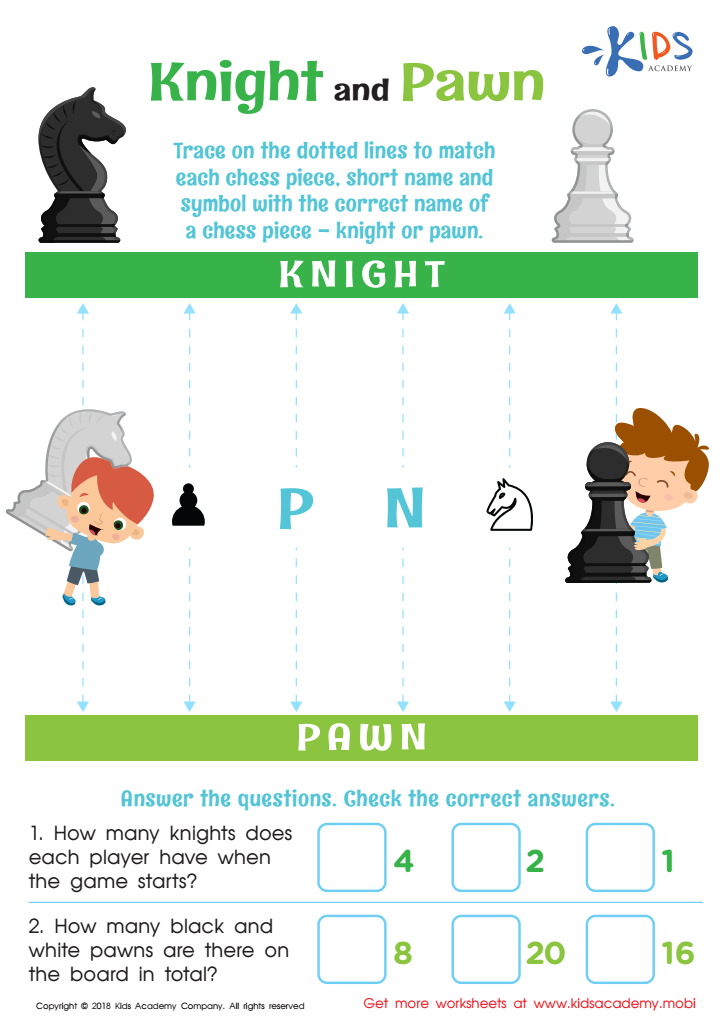
Knight and Pawn Worksheet
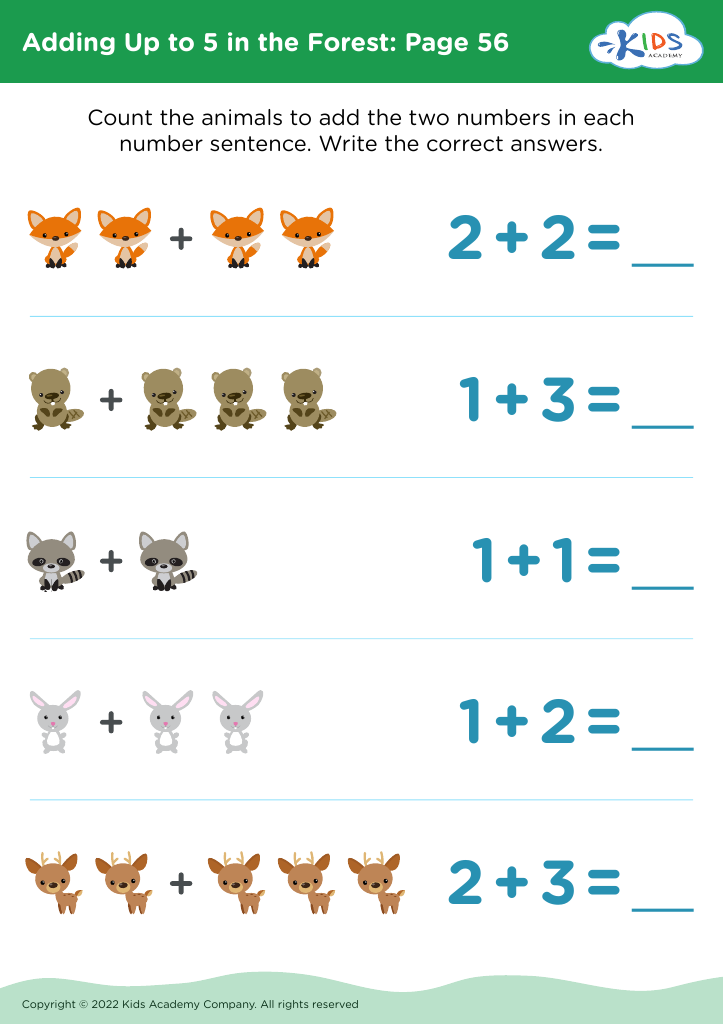
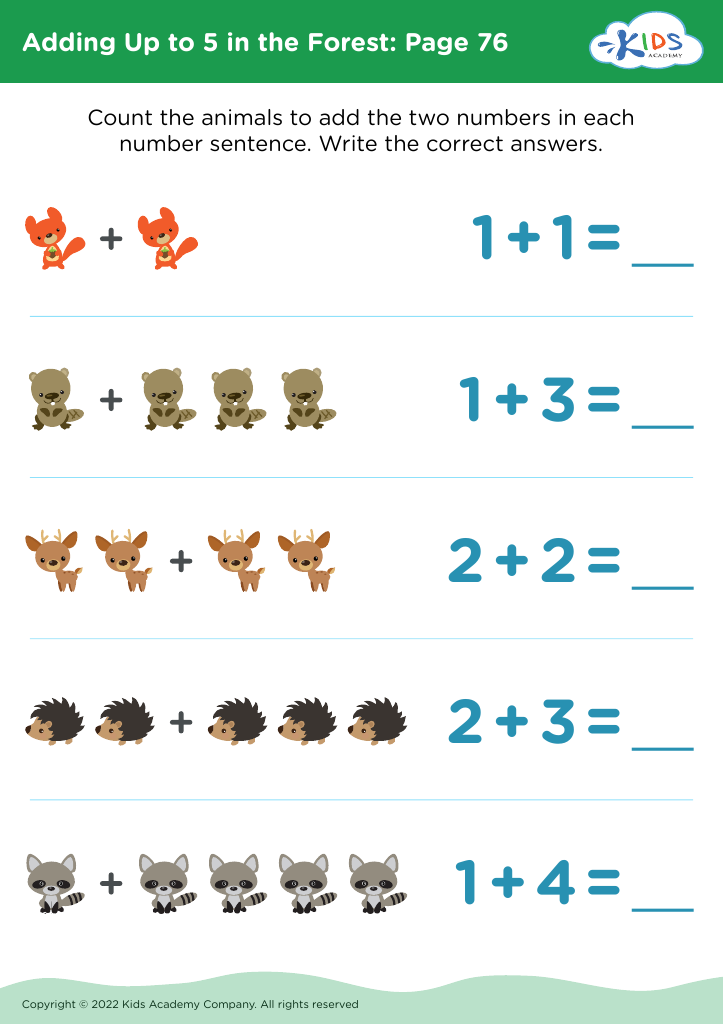
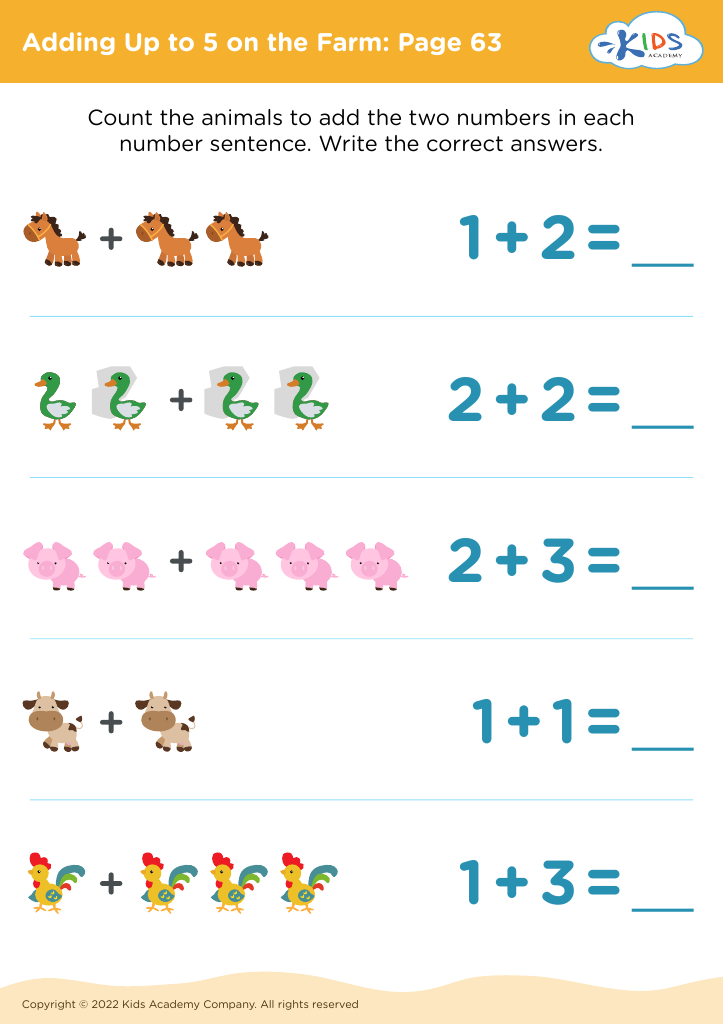
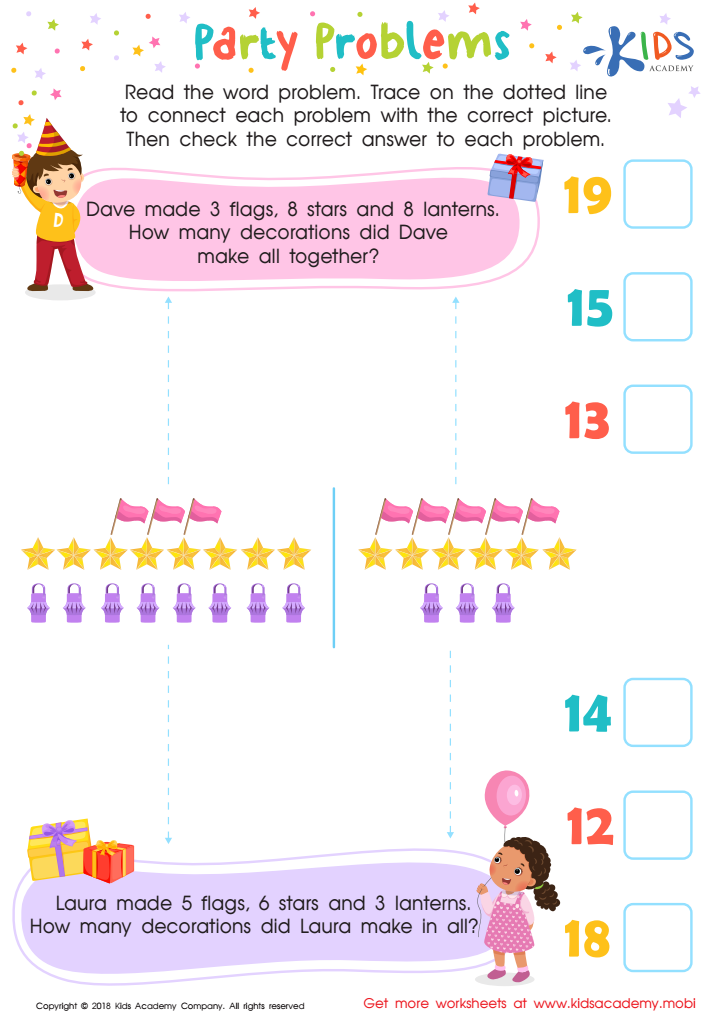
Party Problems Worksheet
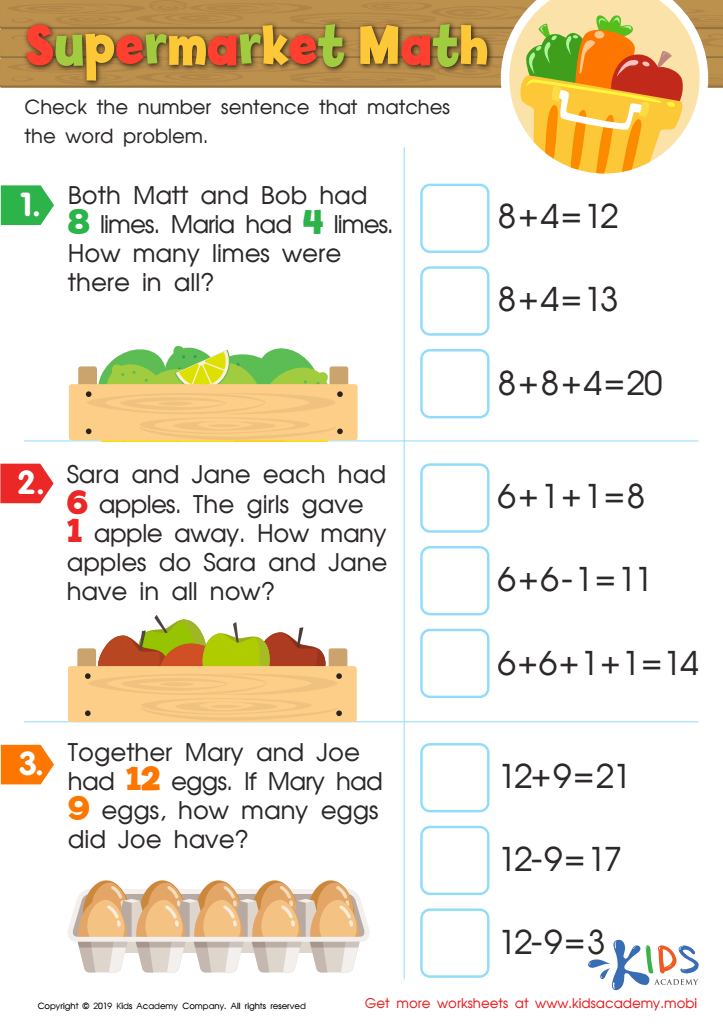
Supermarket Math Worksheet
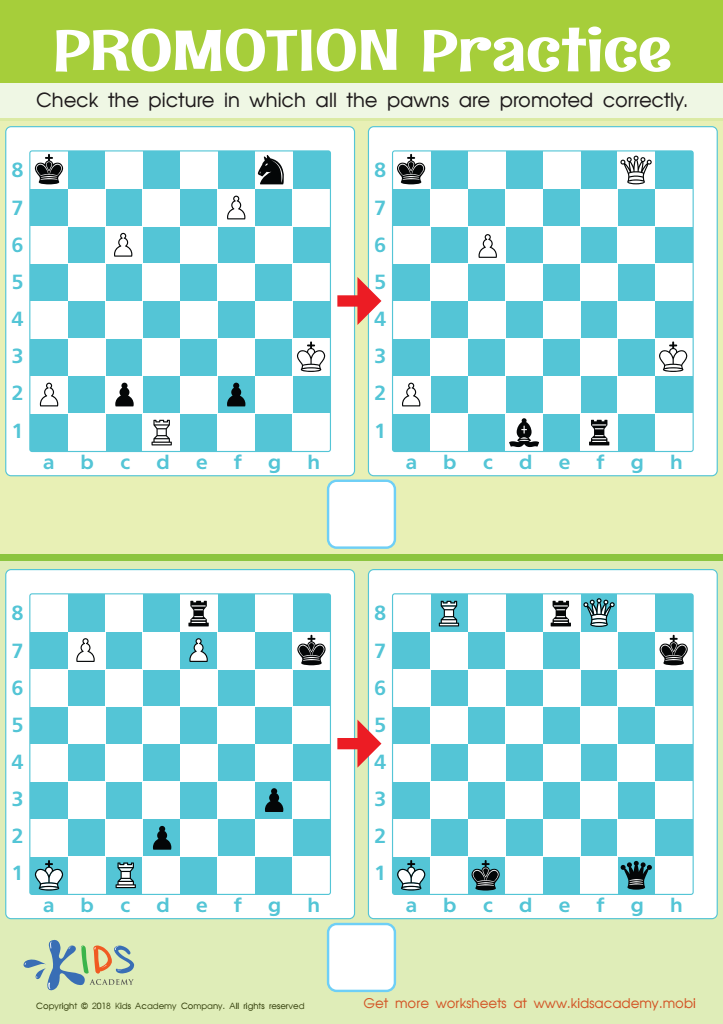
Promotion Practice Worksheet






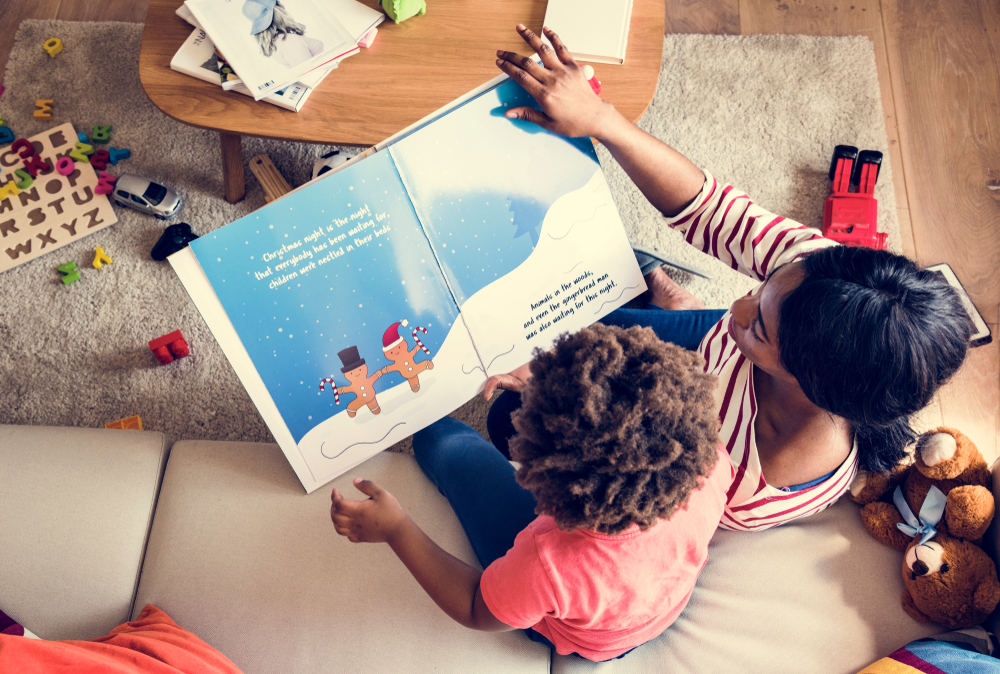

Problem-solving skills are essential for three-year-olds as they lay the groundwork for critical thinking and future learning. At this age, children are naturally curious and eager to explore their environment. Encouraging problem-solving helps them navigate challenges, develop resilience, and build confidence. Parents and teachers play a crucial role in this developmental phase by fostering an atmosphere where exploration and question-asking are encouraged.
Engaging three-year-olds in problem-solving activities stimulates cognitive development and enhances their language skills. When children work through challenges, they learn to articulate their thoughts, negotiate different solutions, and collaborate with peers. This not only sharpens their reasoning skills but also promotes social-emotional growth as they learn to cope with frustration and celebrate successes.
Additionally, problem-solving activities can be seamlessly integrated into everyday play and routines, making learning fun and engaging. Through puzzles, games, and storytelling, children develop foundational skills in creativity, flexibility, and logical thinking. As these skills emerge, children are better prepared to tackle more complex challenges in the future. Ultimately, nurturing problem-solving abilities in young children supports their overall development and sets the stage for lifelong learning, which is why it should be a priority for both parents and educators.








