Understanding directions Worksheets for 3-Year-Olds
5 filtered results
-
From - To
Help your 3-year-old develop essential listening and comprehension skills with our "Understanding Directions Worksheets". Perfectly designed for preschoolers, these activities engage young learners with fun, interactive exercises that teach them how to follow both simple and multi-step directions. The colorful and age-appropriate worksheets promote cognitive development and boost confidence as kids master new tasks. With activities ranging from identifying positional words to following map routes, your child will build a strong foundation for future academic success. Join us to make learning directions a playful adventure that nurtures growth and curiosity!
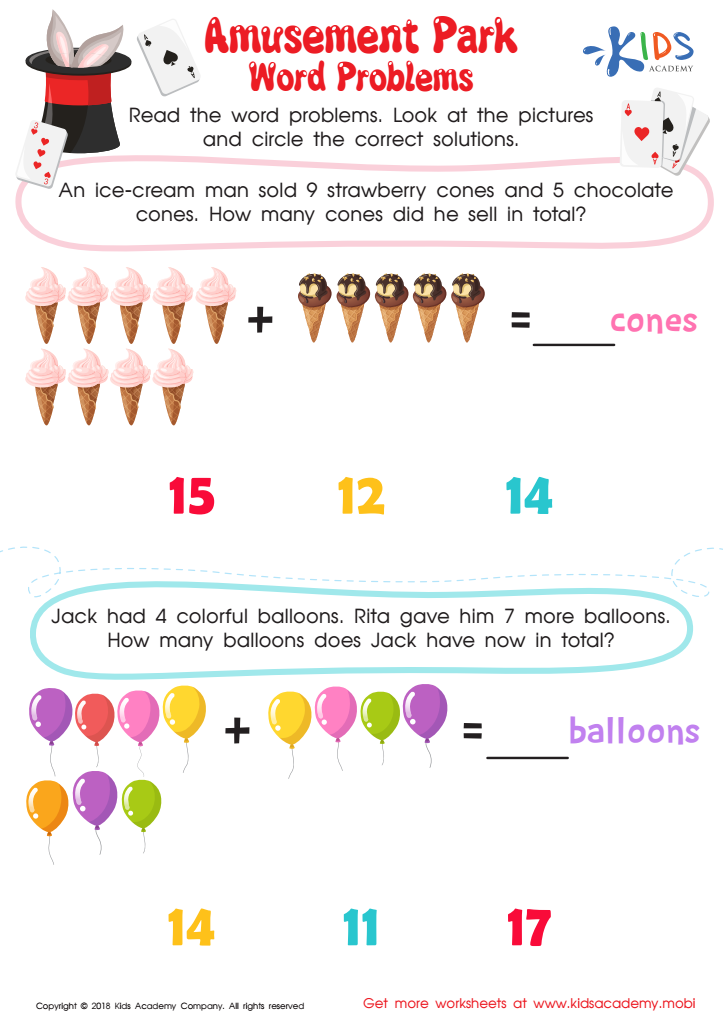
Amusement Park Word Problems Worksheet
 Assign to My Students
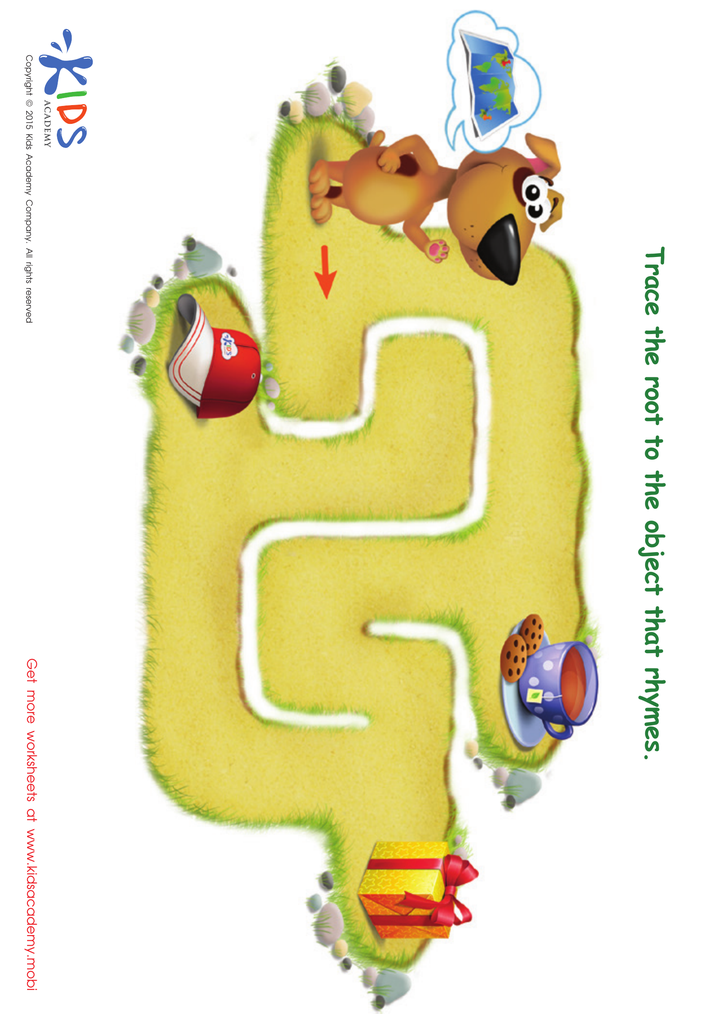
Map Rhyming Words Worksheet
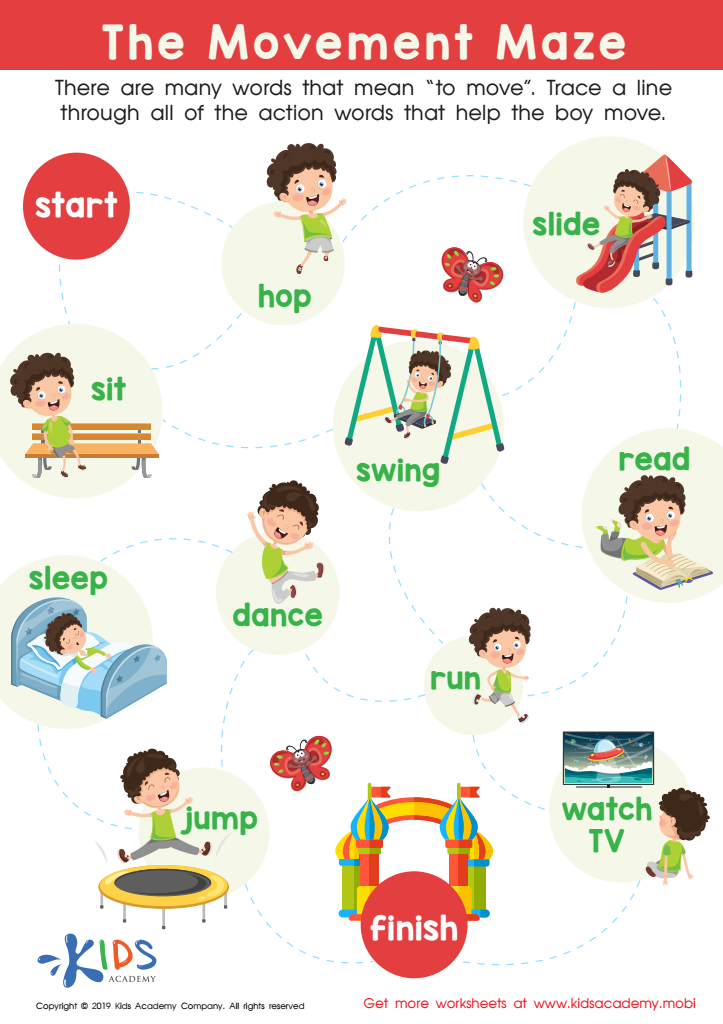
The Movement Maze Worksheet
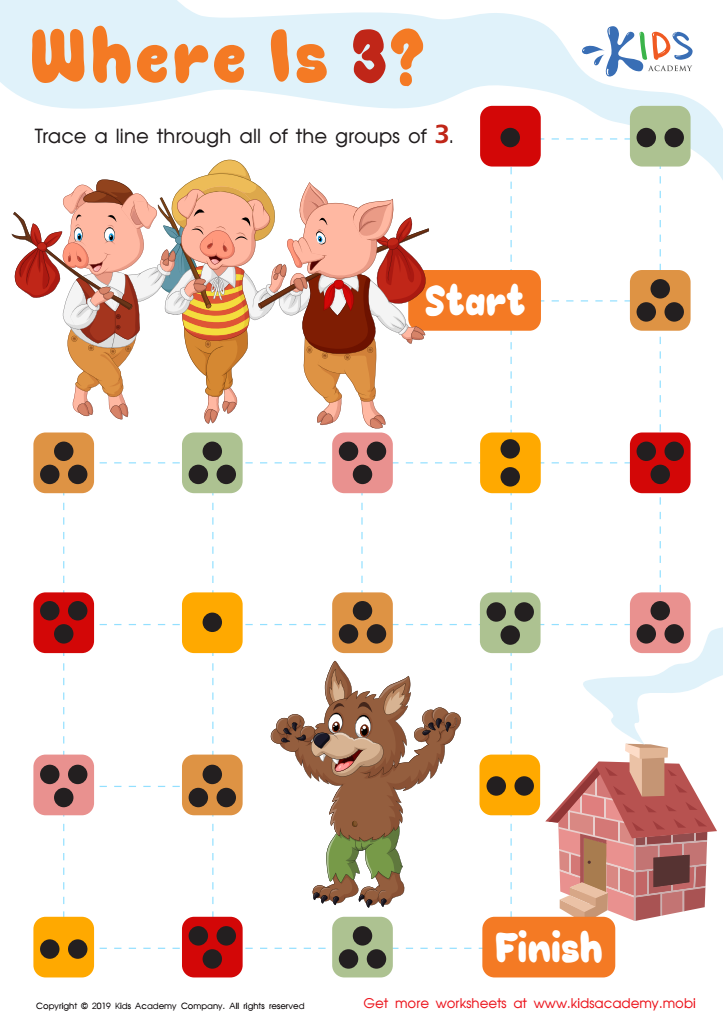
Where Is 3? Worksheet
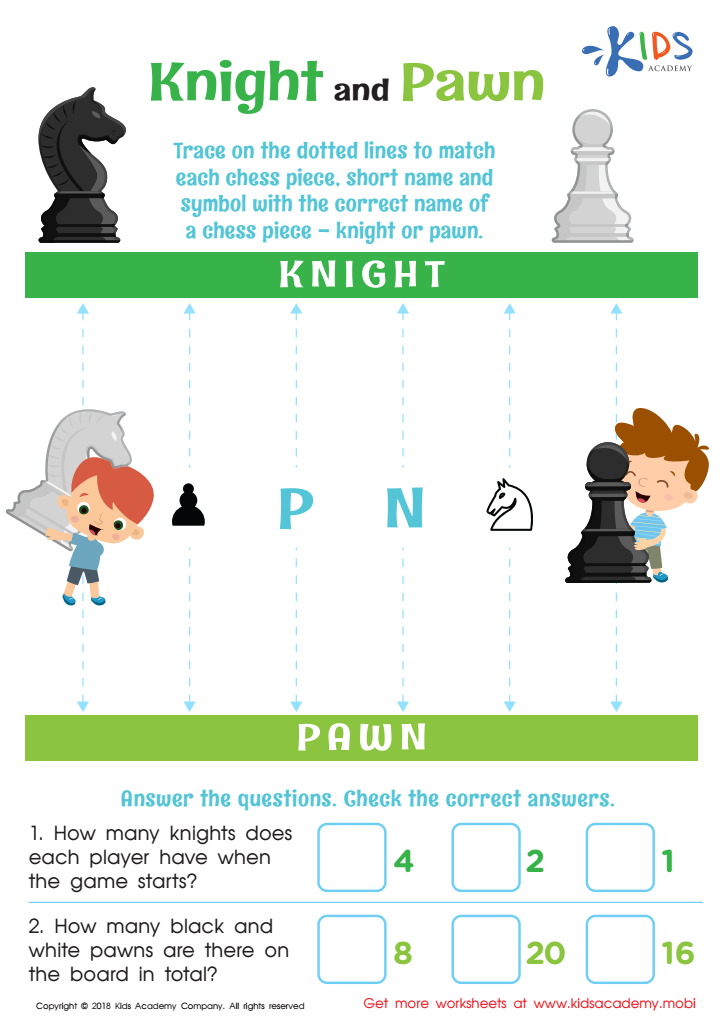
Knight and Pawn Worksheet








Understanding directions is crucial for 3-year-olds as it lays the foundation for cognitive and social development. At this stage, children are beginning to explore and make sense of the world around them, and the ability to comprehend and follow directions enhances their learning and communication skills.
When children understand and follow directions, they develop better listening skills, which are essential for effective communication. These early experiences also promote language development as children are exposed to new vocabulary and sentence structures. This understanding helps them feel more confident and reduces frustration, contributing to a positive learning environment.
Moreover, following directions is linked to improved problem-solving abilities. It encourages critical thinking as children learn to process information, remember multiple steps, and execute tasks in sequence. This cognitive skill is crucial for academic success and everyday life activities.
In social contexts, understanding directions fosters cooperation and positive interactions. Children learn to wait, take turns, share, and follow rules, all integral for building friendships and functioning in group settings.
Lastly, safety is paramount. Understanding and adhering to essential safety instructions can protect children from potential harm, whether it’s waiting before crossing a street or staying away from hazardous objects.
Parents and teachers need to invest in nurturing these skills in 3-year-olds, as it significantly impacts their overall development and future capabilities.








