Understanding number value Worksheets for 3-Year-Olds
3 filtered results
-
From - To
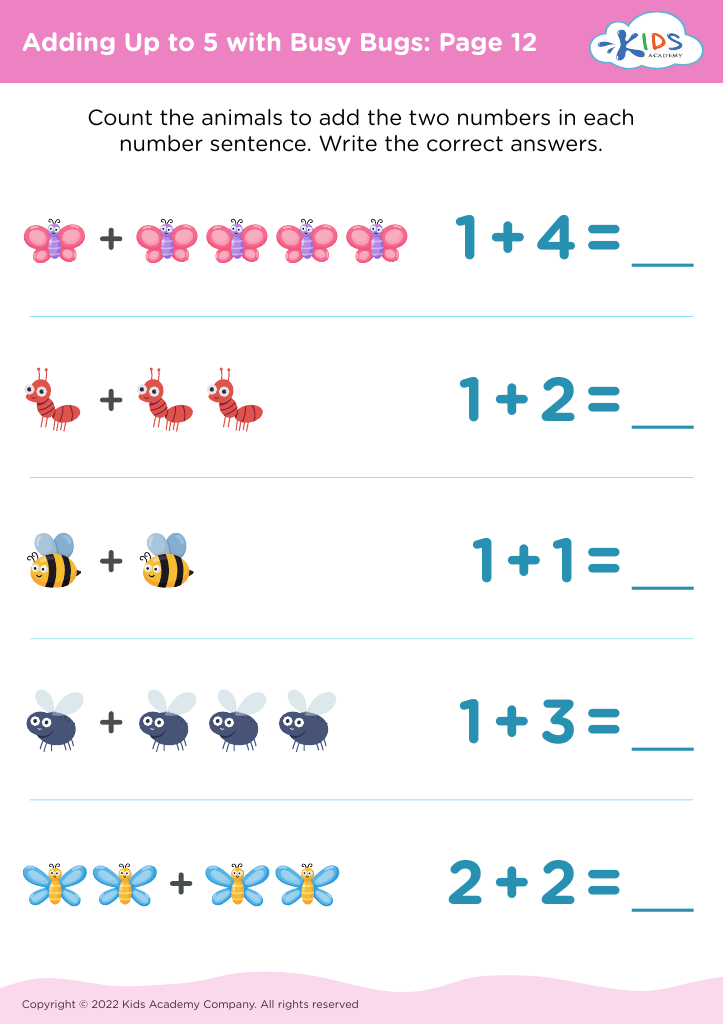
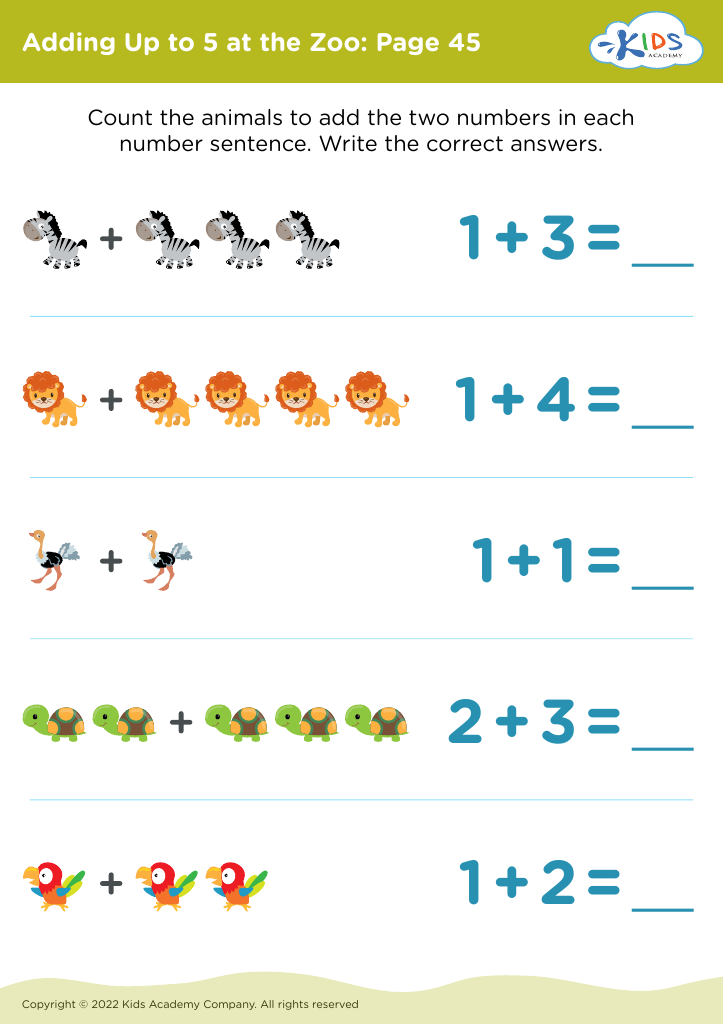
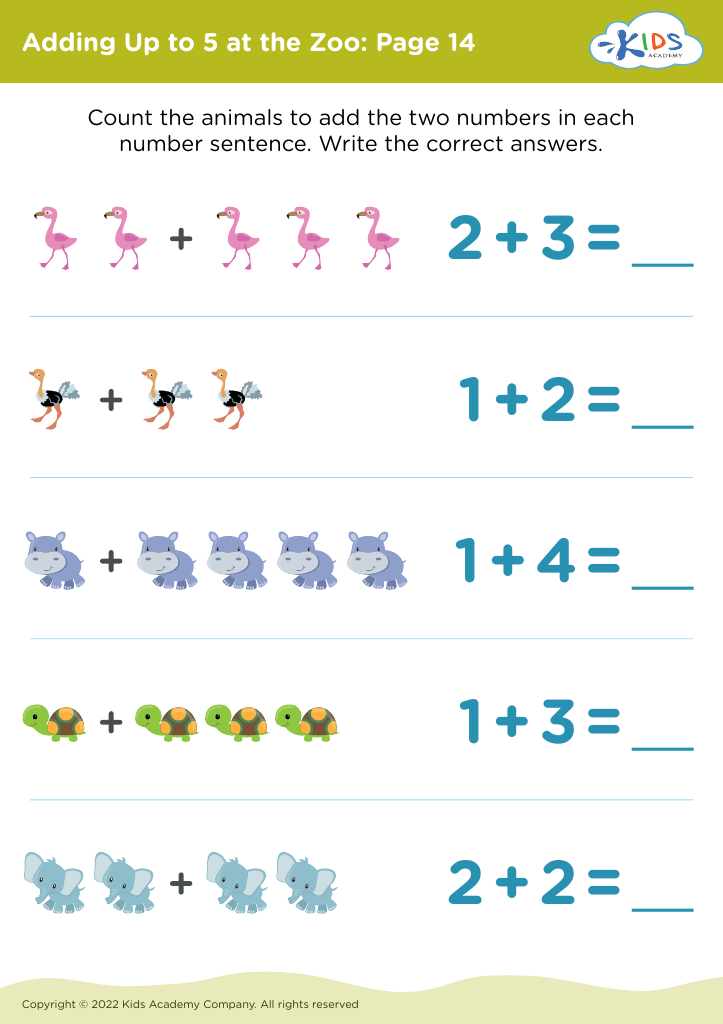
Discover our engaging "Understanding Number Value Worksheets for 3-Year-Olds," designed to help young learners grasp basic number concepts through fun activities. These worksheets introduce children to the value of numbers, enhancing their counting skills and number recognition in an entertaining way. Each activity is crafted to support early math development, encouraging kids to connect quantities with written numerals. Tailored for a 3-year-old's learning pace, these worksheets foster curiosity and early problem-solving skills, making math exciting! Perfect for parents and educators alike, our resources provide an enriching learning experience that sets the foundation for math success in preschool and beyond.







Understanding number value is a foundational skill for young children, especially for three-year-olds. At this age, children are like sponges, absorbing information from their environments, and developing early numeracy skills is crucial for their cognitive growth. When parents and teachers engage with children in recognizing and understanding number values, they lay the groundwork for complex mathematical concepts later in life.
This skill encourages critical thinking and problem-solving abilities. For example, counting objects while playing enhances cognitive skills, helps with language development, and promotes social interaction. Recognizing the value of numbers also fosters a sense of accomplishment and boosts self-esteem as children learn to distinguish quantities and engage in simple math games.
Furthermore, early exposure to number values can positively impact literacy, as many mathematical concepts are intertwined with language. In an increasingly technology-driven world, children will benefit from having strong foundational skills in mathematics to navigate future academic and career opportunities.
Additionally, involving parents in their children's early experiences with numbers reinforces learning and builds a positive attitude toward mathematics, creating a confident, flexible thinker ready to tackle challenges. Ultimately, caring about this aspect of early education benefits the child’s overall development and readiness for future learning.








