Understanding numerical values Worksheets for 3-Year-Olds
4 filtered results
-
From - To
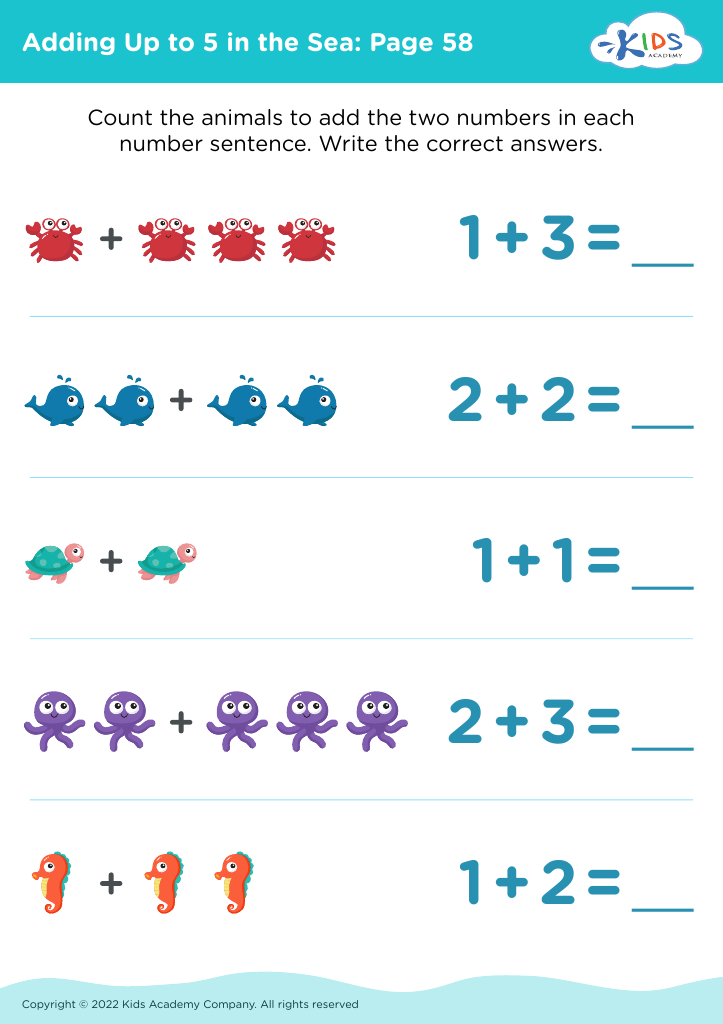
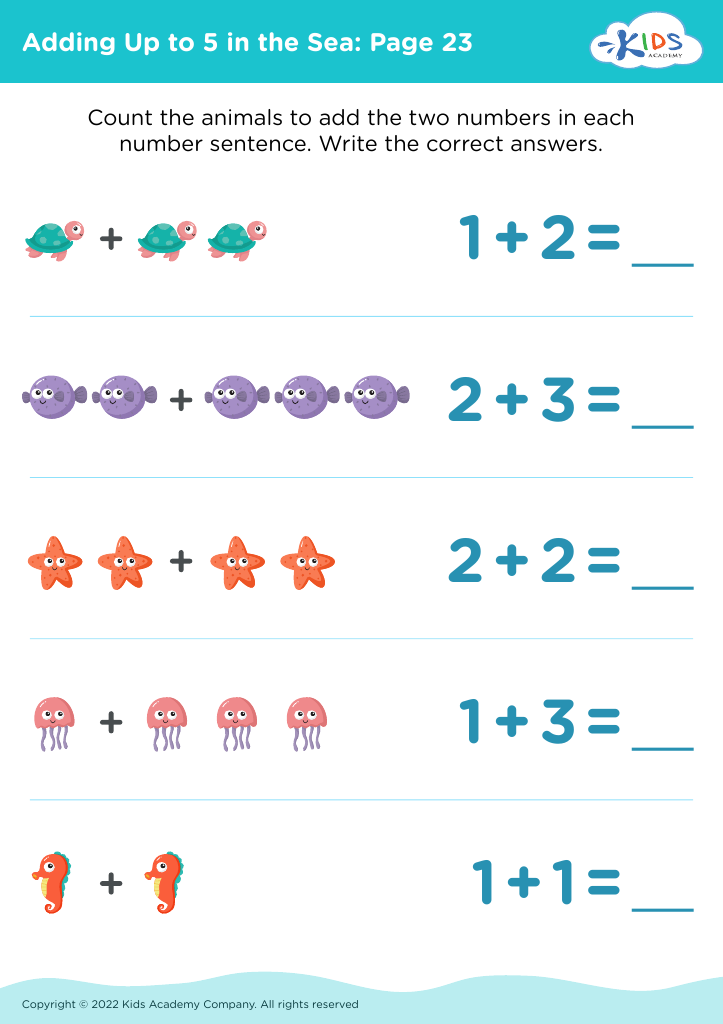
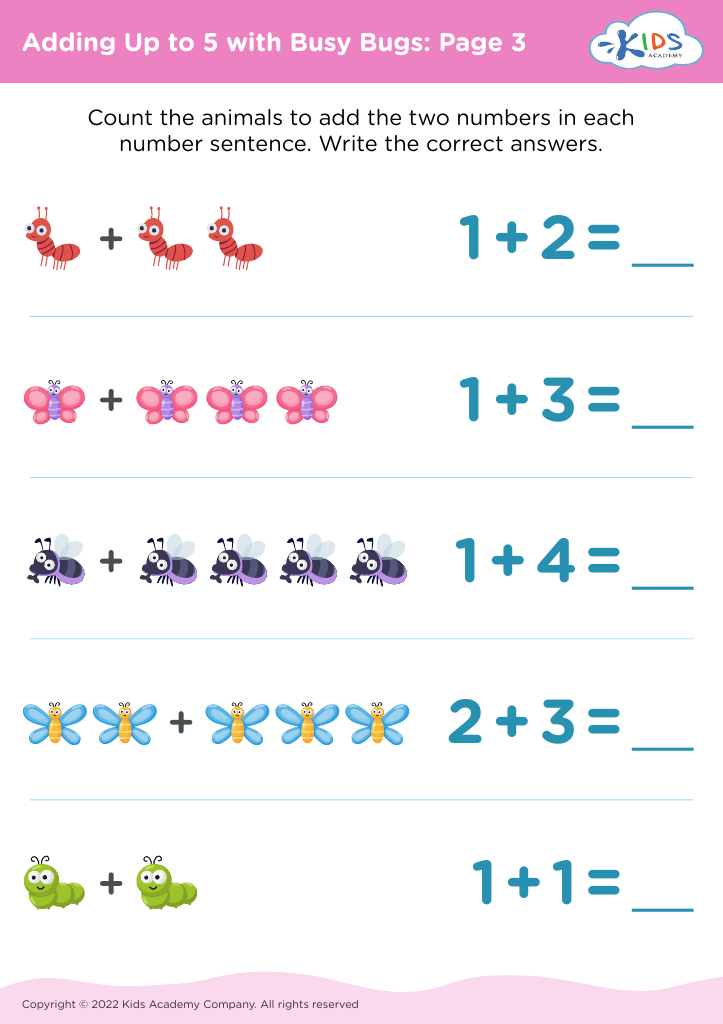
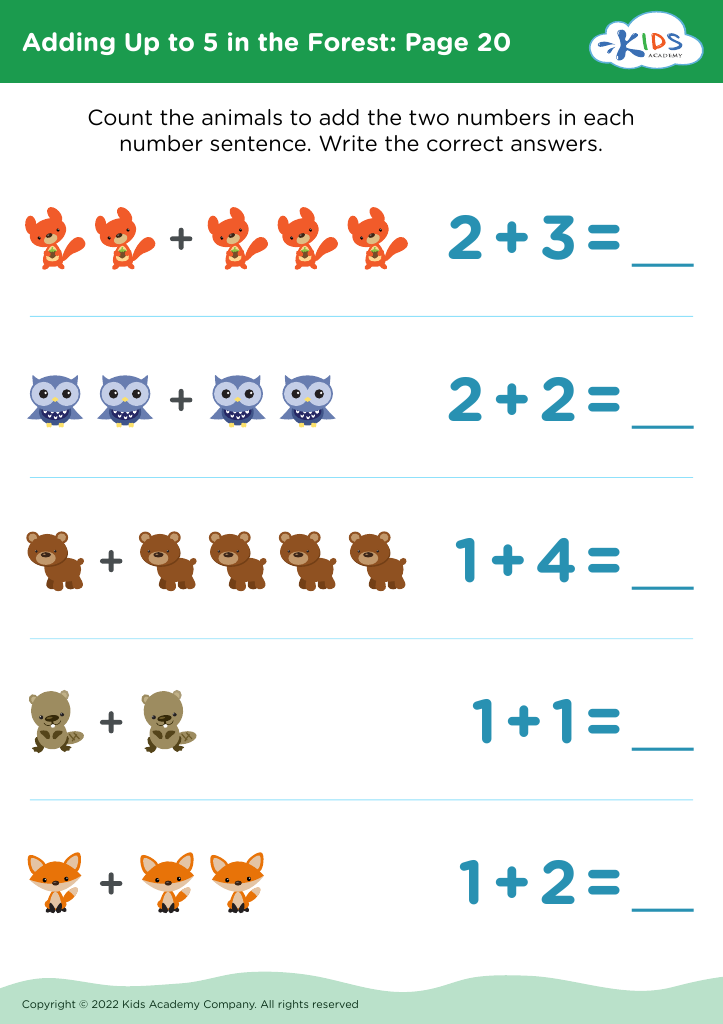
Discover our engaging "Understanding Numerical Values Worksheets for 3-Year-Olds" designed to introduce young learners to essential math concepts in a fun and interactive way! These worksheets feature vibrant visuals and playful activities that help children recognize numbers and understand basic counting. With exercises tailored to develop their numerical understanding, kids will explore counting objects, associating quantities with digits, and distinguishing between larger and smaller values. Perfect for home or classroom use, these worksheets enhance early mathematical skills while promoting cognitive growth and problem-solving abilities. Start building a strong foundation in numeracy for your little learners today!







Understanding numerical values is crucial for 3-year-olds as it forms the foundation for all future mathematical development. At this age, children are naturally curious and eager to learn about the world around them. Introducing basic numerical concepts helps to nurture this curiosity and promotes cognitive development.
Parents and teachers should care because early exposure to numbers fosters critical skills such as counting, recognizing quantity, and understanding simple relationships, all of which are essential for later abstract mathematical thinking. By incorporating fun activities such as counting objects during playtime, singing number songs, or participating in number games, adults can create a positive and enriching learning environment.
Additionally, early numerical understanding supports language development. As children learn to verbalize their numerical concepts, it encourages communication and enhances vocabulary. Beyond academics, these skills also promote problem-solving, logical reasoning, and critical thinking, which are integral to overall childhood development.
Furthermore, parental involvement in early numeracy experiences has been linked to positive educational outcomes. By prioritizing numerical learning in playful ways, parents and teachers can set the stage for a lifelong appreciation and competence in mathematics, ultimately supporting children's academic success and confidence at school.








