Visual interpretation Worksheets for 3-Year-Olds
3 filtered results
-
From - To
Discover our engaging Visual Interpretation Worksheets designed specifically for 3-year-olds! These thoughtfully crafted activities stimulate young minds by enhancing their observational skills and encouraging creative thinking. Each worksheet features vibrant illustrations, helping children identify shapes, colors, and patterns as they navigate through fun puzzles and matching exercises. Our resources support early childhood development, promoting critical skills essential for later learning. Perfect for at-home learning or classroom activities, these worksheets provide a playful way for toddlers to connect with visual concepts and improve their cognitive abilities. Explore our collection today and inspire a love of learning through visual interpretation!
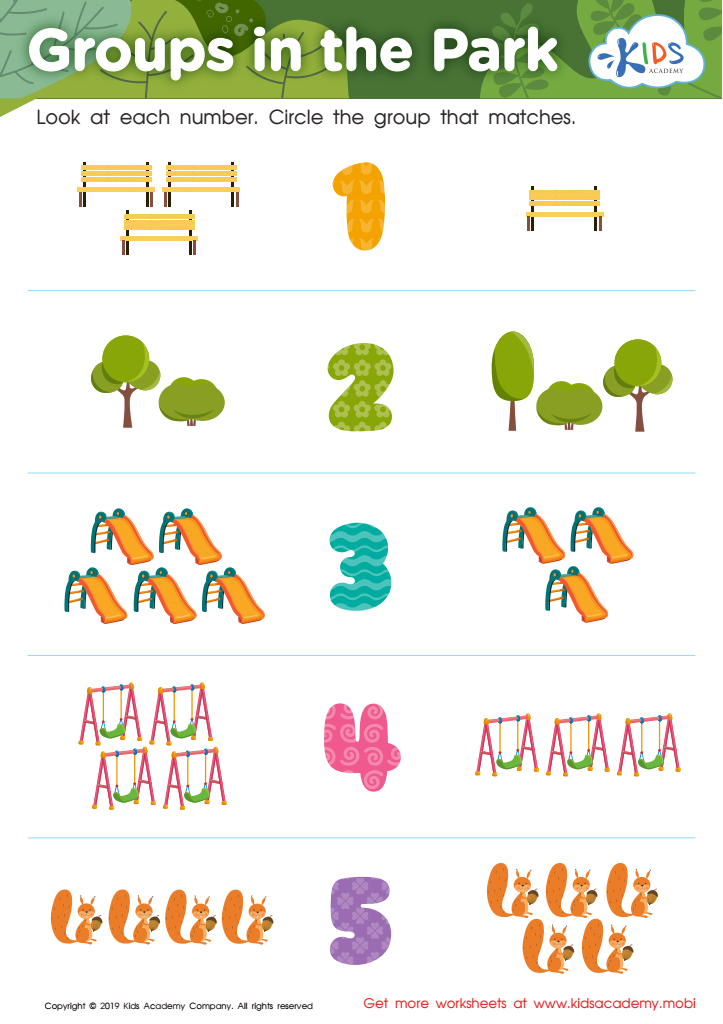
Groups in the Park Worksheet
 Assign to My Students
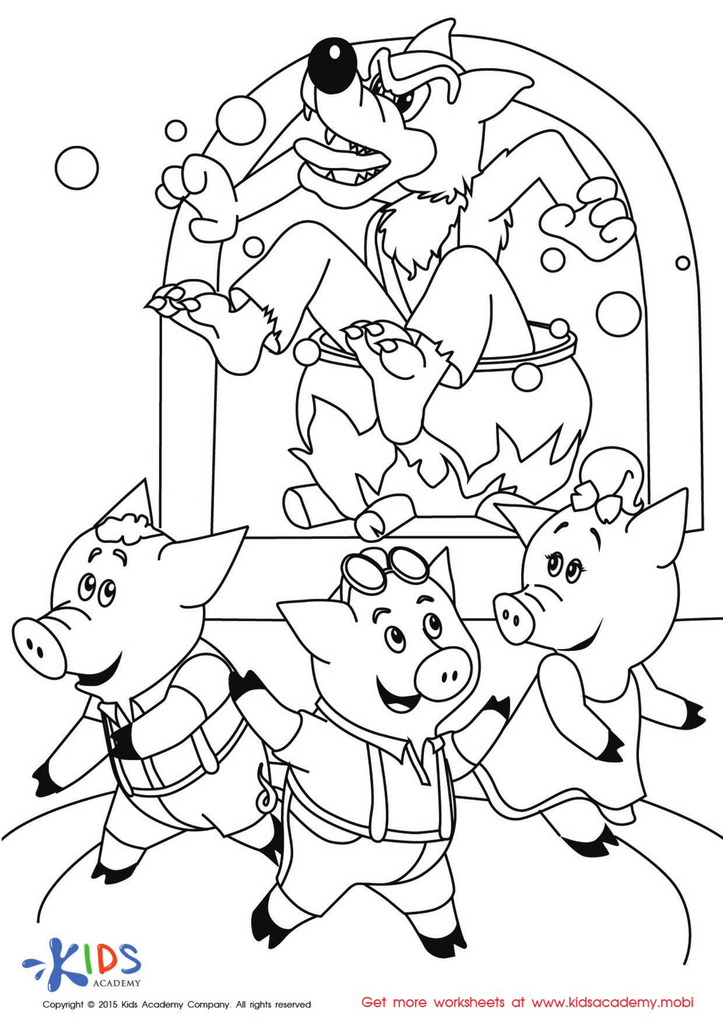
The Three Little Pigs and The Big Bad Wolf Printable






.jpg)
Visual interpretation is a crucial skill for 3-year-olds as it lays the foundation for their overall learning and development. At this age, children engage with their environment primarily through sight. Developing their visual interpretation abilities helps them make sense of the world around them, enhancing their cognitive, social, and emotional skills.
Parents and teachers should care about visual interpretation because it serves as a gateway for language development. When children recognize shapes, colors, and patterns, they become better equipped to communicate their observations and feelings. This early understanding is integral in fostering vocabulary growth.
Additionally, visual interpretation strengthens logical thinking and problem-solving skills. By engaging with books, puzzles, and visual aids, children learn to analyze and draw conclusions, which are vital skills for future academic success.
Moreover, fostering visual interpretation encourages creativity and imagination. Through art and play, children explore different perspectives, which can boost their confidence in self-expression and collaboration with peers.
In summary, supporting visual interpretation in early childhood not only enhances learning but also nurtures essential life skills, making it imperative for parents and teachers to prioritize this aspect of development. Investing in these skills now creates a solid foundation for future learning and growth.








