Visual learning stimulation Worksheets for 3-Year-Olds
3 filtered results
-
From - To
Discover our Visual Learning Stimulation Worksheets designed specifically for 3-year-olds! These fun and engaging worksheets are crafted to enhance your child's visual perception and cognitive skills. By incorporating vibrant images, simple puzzles, and interactive activities, our worksheets help children recognize patterns, improve hand-eye coordination, and boost their attention to detail. Perfect for preschool preparation, these resources are an excellent tool for parents and educators aiming to foster early learning development. Check out our collection and give your child a head start on their educational journey with our age-appropriate, expert-designed materials.
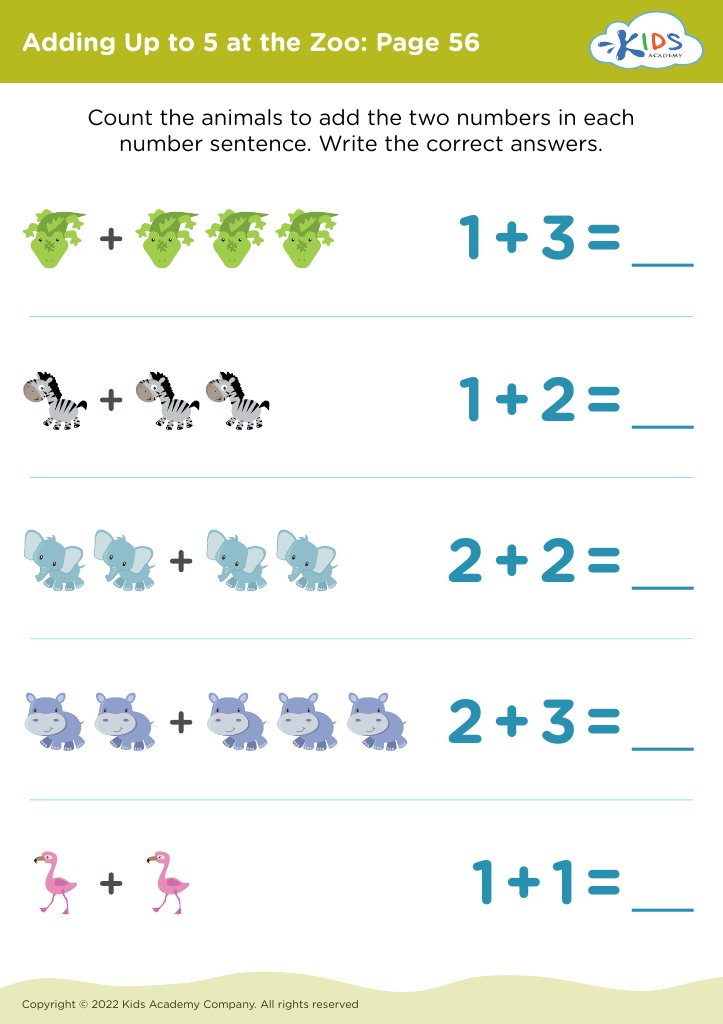
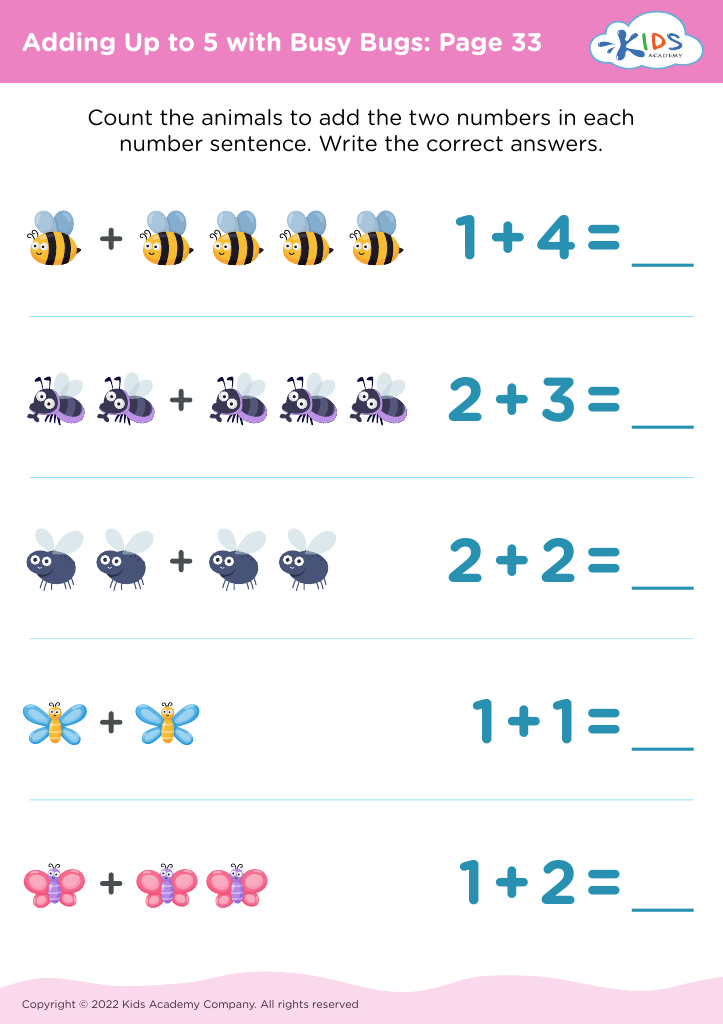
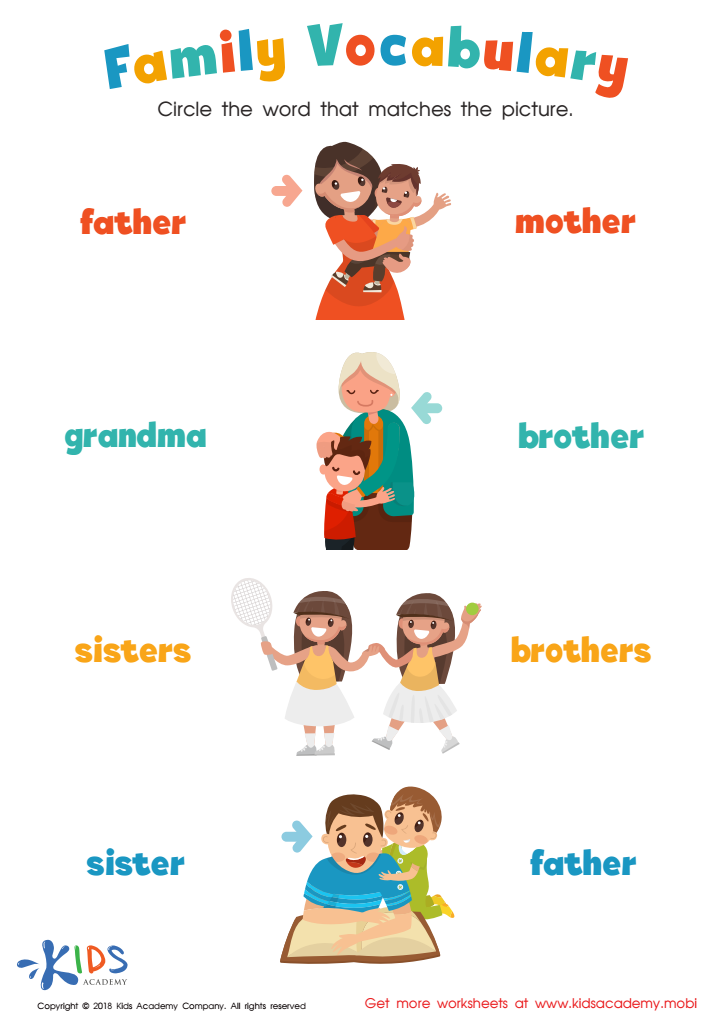
Family Vocabulary Worksheet
 Assign to My Students





.jpg)
.jpg)

Visual learning stimulation is critically important for 3-year-olds, as it leverages their natural curiosity and eagerness to explore the world around them. At this developmental stage, children's brains are notably receptive and rapidly forming connections. Introducing visually stimulating activities—like colorful picture books, puzzles, and interactive games—enhances cognitive functions like memory, attention, and problem-solving skills.
Parents and teachers should prioritize visual learning stimulation because it aids in language development. When children see pictures paired with words, it helps them understand concepts and expand their vocabulary. Visual aids like flashcards can make learning more interactive and fun, making it easier for children to grasp new information.
Moreover, visual learning activities encourage creativity and imagination. When children engage in activities like drawing or building with blocks, they're not only learning shapes and colors but also developing spatial awareness and fine motor skills.
Emotionally, visual learning provides a form of self-expression. This can support emotional well-being by giving children a way to communicate their feelings before they are fully verbal. Overall, visually stimulating environments create a rich learning experience that caters to the holistic development of 3-year-olds, setting a strong foundation for future educational success.








