
Vocabulary improvement Worksheets for 3-Year-Olds
3 filtered results
Difficulty Level
Grade
Age
-
From - To
Subject
Activity
Standards
Discover our engaging Vocabulary Improvement Worksheets designed specifically for 3-year-olds! These fun, age-appropriate activities help enhance your child's language skills through matching, sorting, and fill-in-the-blank exercises. Our worksheets stimulate vocabulary growth and comprehension, making learning enjoyable. With colorful illustrations and interactive tasks, little ones will eagerly explore new words and concepts. Ideal for parents and educators alike, these resources promote a strong foundation in communication skills. Foster a love of language early on and watch your child's confidence blossom! Explore our collection today to support your child's vocabulary journey in a playful and educational way.
Favorites
With answer key
Interactive
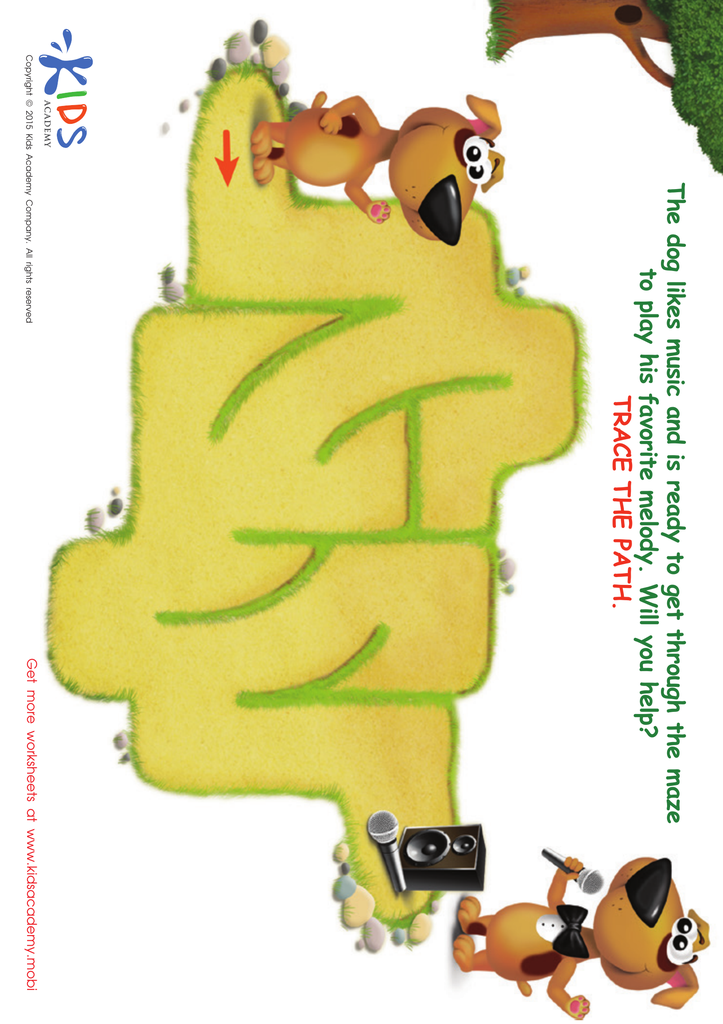
Singer Maze Worksheet
Download our printable maze worksheet and help the little dog find its way to the stage. Trace the path and have fun singing together!
Singer Maze Worksheet
Worksheet
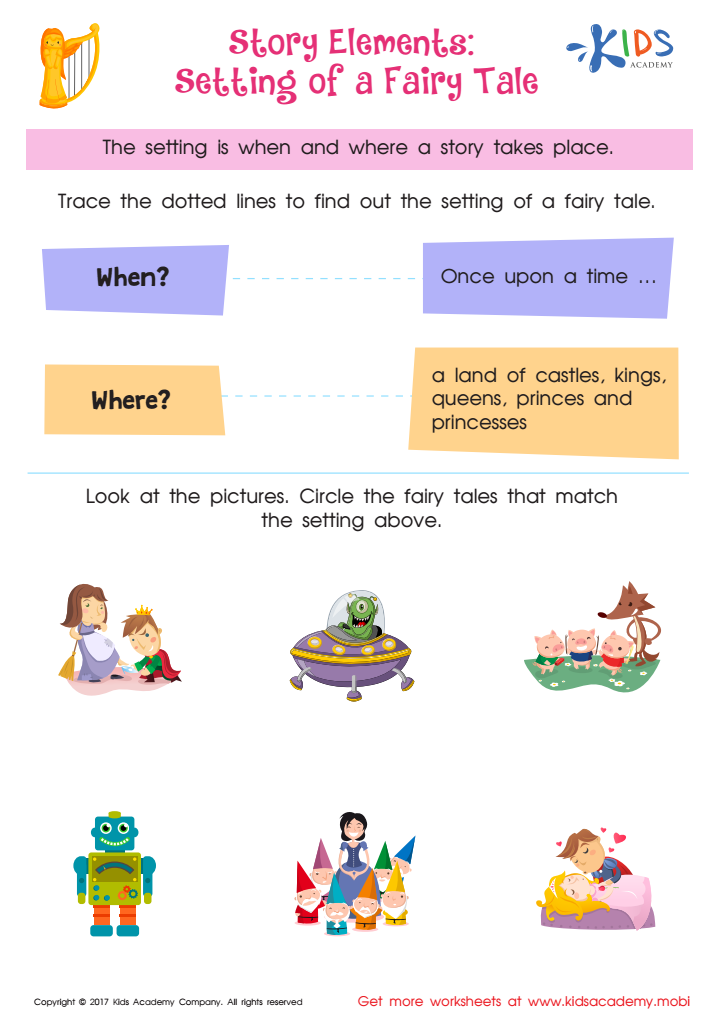
Story Elements: Setting of a Fairy Tale Printable
Help your child learn to analyze stories starting with setting. Use Story Elements worksheet to break down setting into two parts. This will help your child recognize setting quickly and understand its importance in the plot.
 Assign to My Students
Story Elements: Setting of a Fairy Tale Printable
Worksheet
Join Kids Academy for Free
Who is primarily going to use this learning content?







Vocabulary improvement in 3-year-olds is crucial for their overall development and future academic success. At this age, children are rapidly acquiring language skills, forming the foundation for communication, social interactions, and cognitive development. A rich vocabulary enables them to express their thoughts, feelings, and needs more effectively, fostering confidence and independence.
When parents and teachers actively engage in vocabulary-building activities, such as reading to children, singing songs, or using rich, descriptive language during conversations, they expose children to a vast range of words. This not only enhances their understanding but also stimulates curiosity and encourages critical thinking.
Moreover, a strong vocabulary is linked to better literacy skills later on. Children who enter school with an expansive vocabulary are better equipped to understand and articulate ideas, thus improving their reading comprehension and writing abilities. This early investment in language development can lead to greater academic achievements and improved social skills.
Overall, nurturing a child’s vocabulary at a young age can provide lifelong benefits, making it a priority for parents and educators alike. By focusing on vocabulary improvement, they contribute to building essential communication skills and a love for learning that will serve children throughout their lives.








