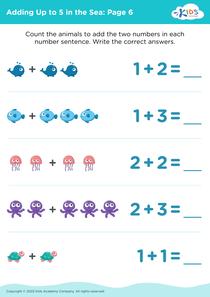
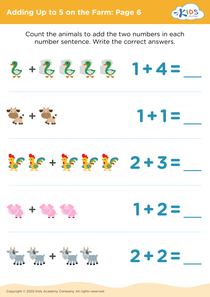
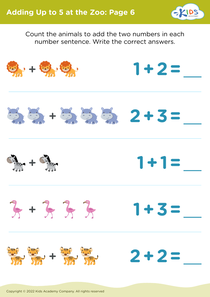
Nature awareness Adding in the Forest Worksheets for 3-Year-Olds
8 filtered results
-
From - To
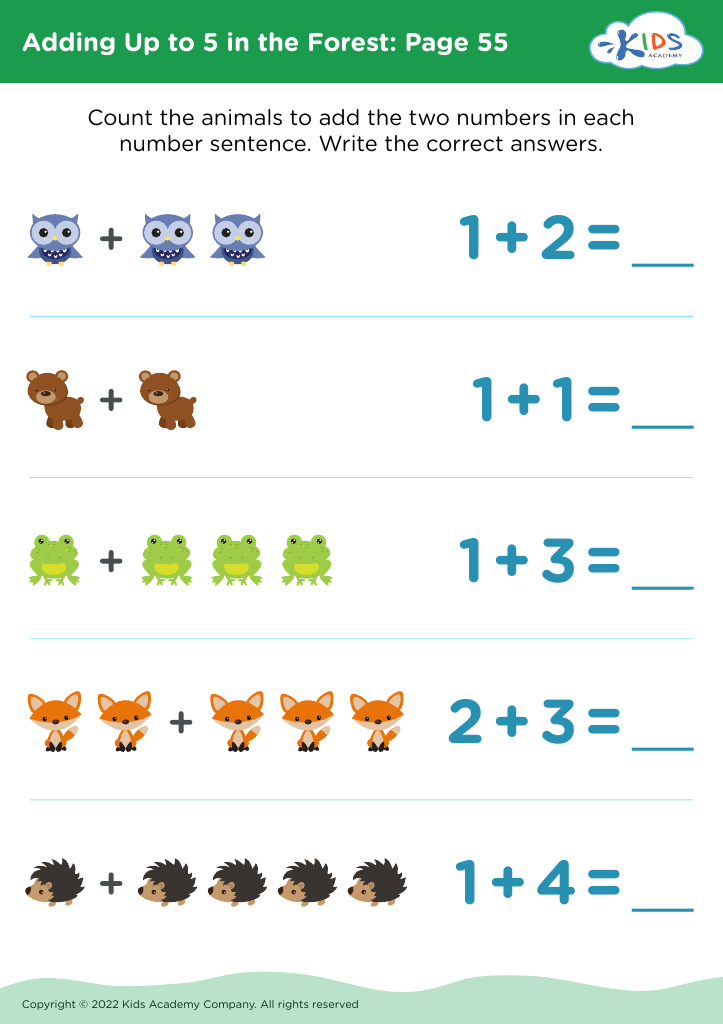
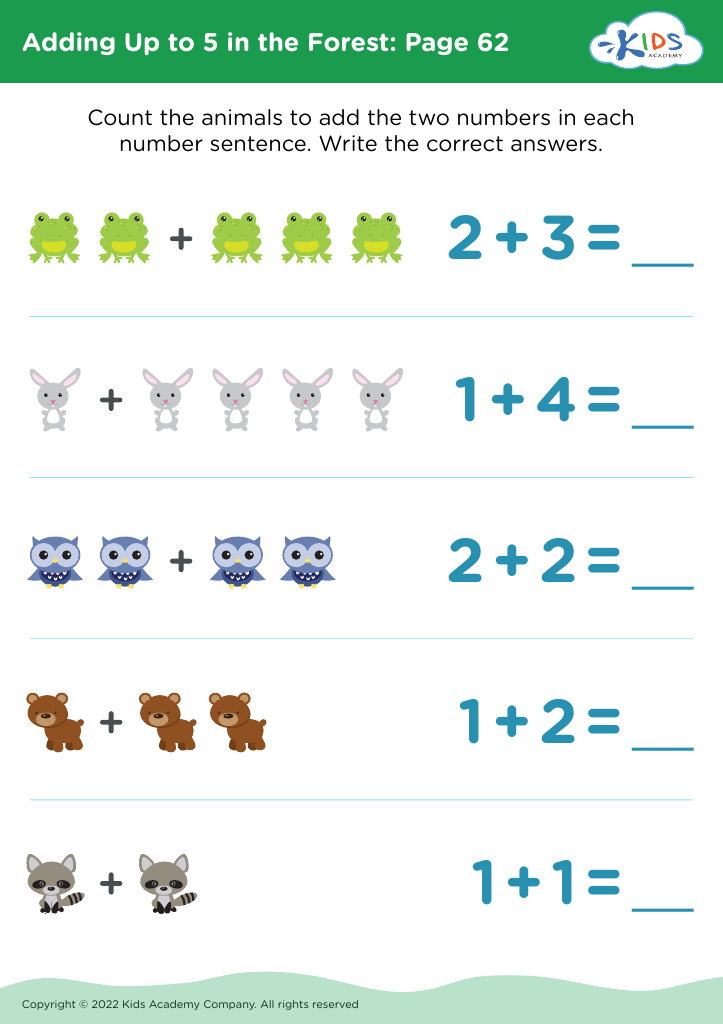
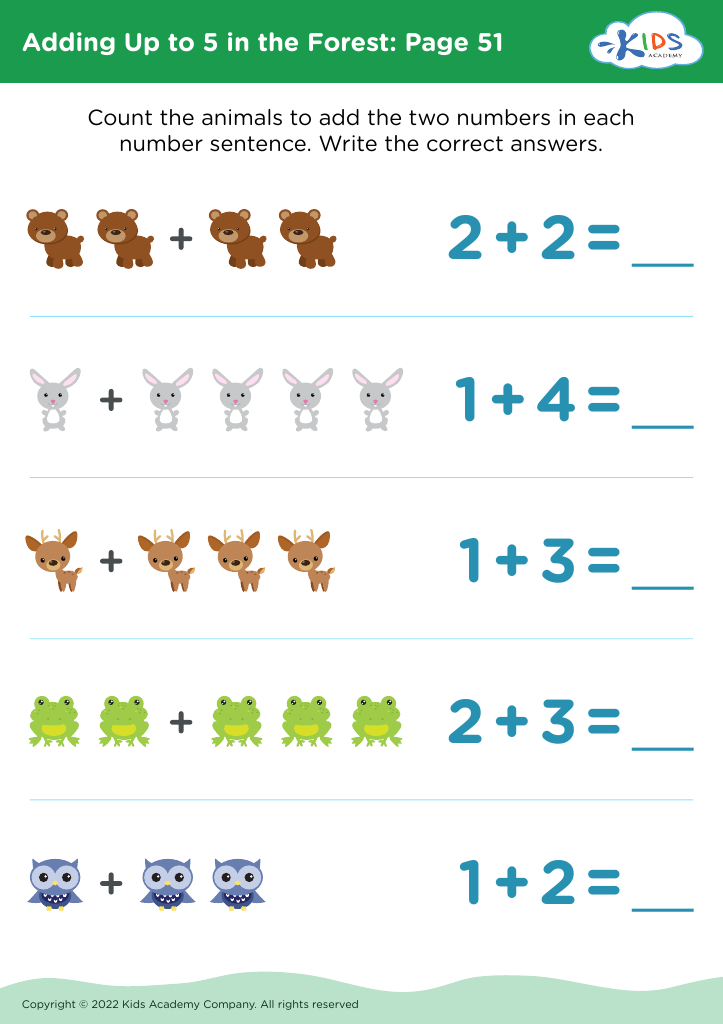
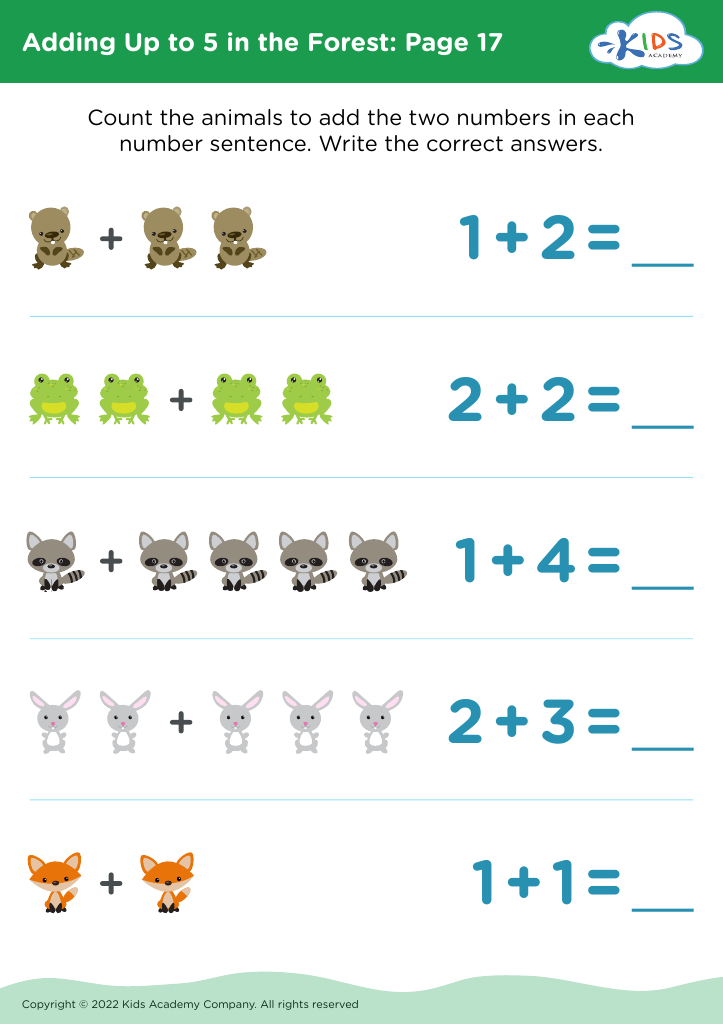
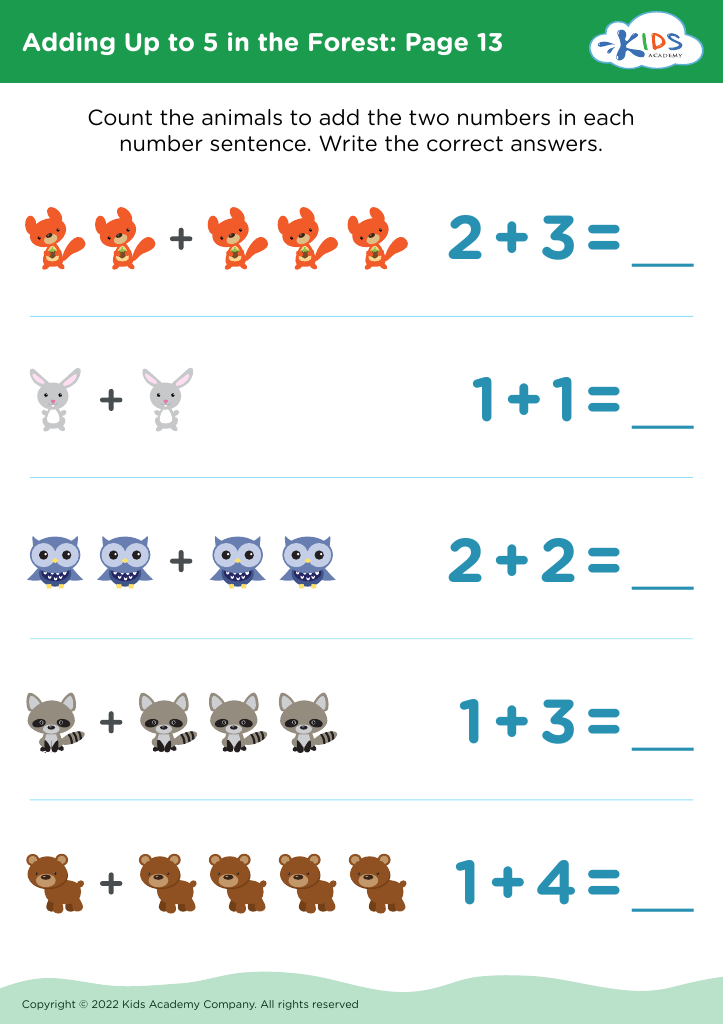
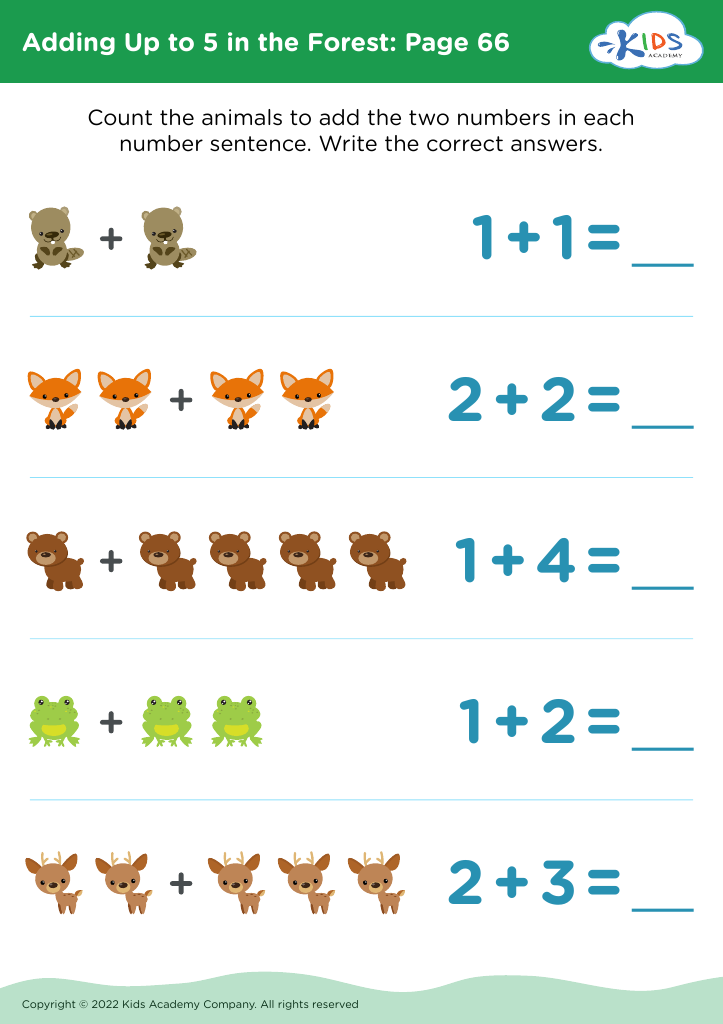
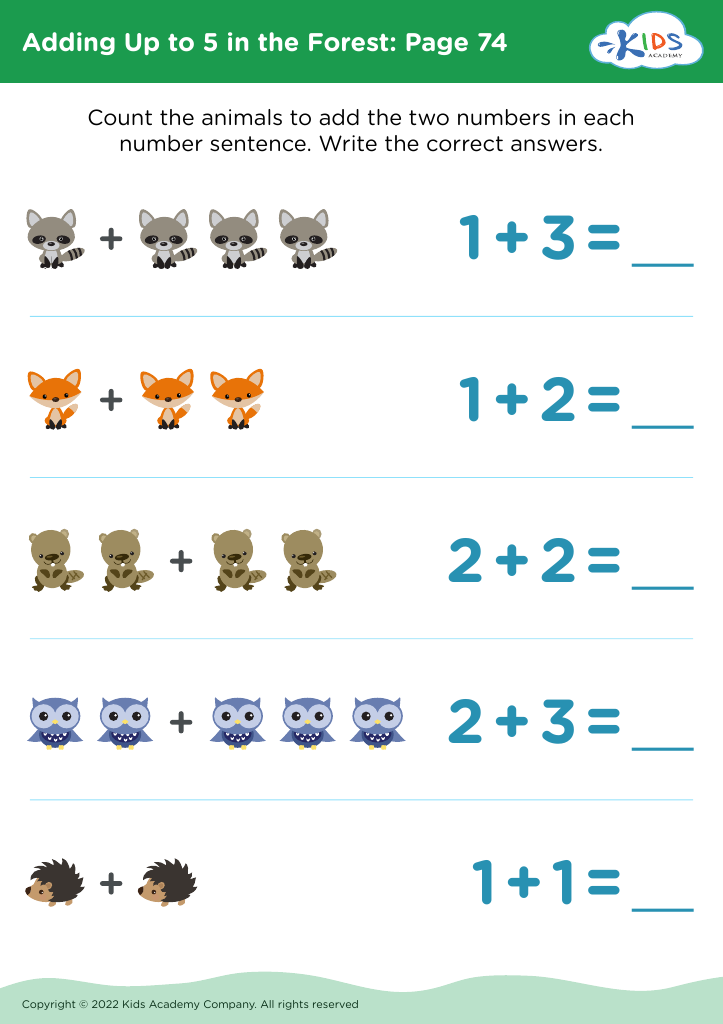
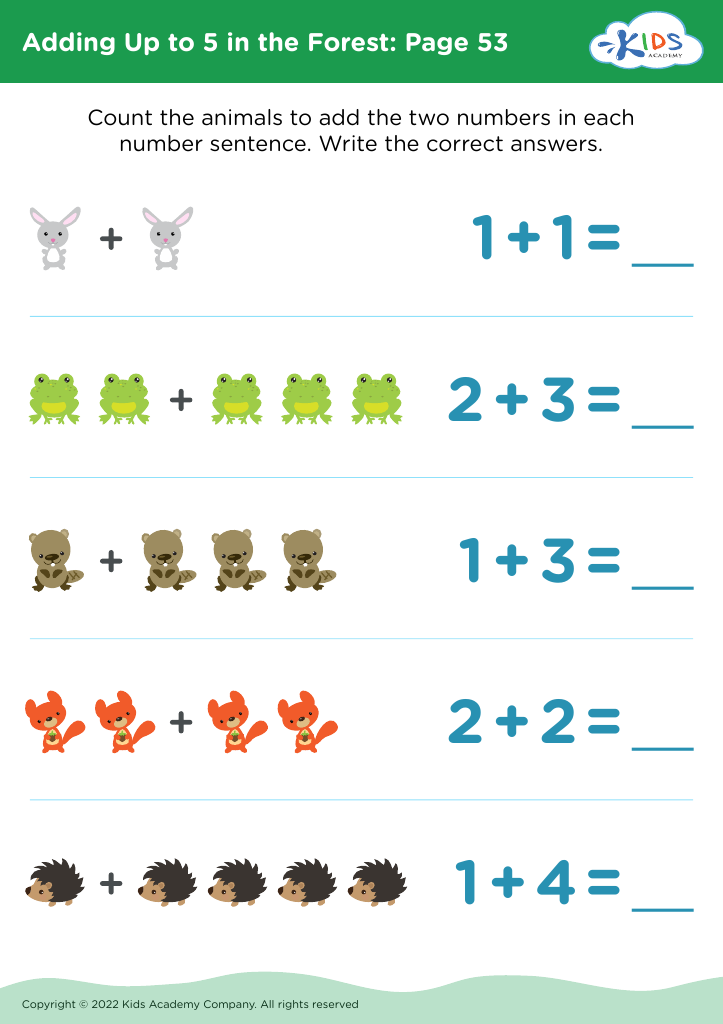
Immerse your 3-year-olds in the wonders of nature with our "Adding in the Forest" worksheets! Designed to spark an early appreciation for the environment, these engaging worksheets combine math skills with beautiful forest themes. Children will practice basic addition while exploring various elements of nature, such as animals, plants, and habitats. This fun learning experience enhances their numeracy skills and fosters a love for the outdoors. Each worksheet invites young learners to connect math with the natural world, enriching their educational journey in exciting and meaningful ways. Perfect for home or classroom settings, these worksheets make learning fun and interactive!



Teaching 3-year-olds about nature awareness, particularly in forest settings, is crucial for their holistic development. At this age, children are naturally curious and eager to explore their surroundings. Engaging them in activities that highlight the beauty and intricacies of nature fosters a sense of wonder and curiosity, which are essential for learning.
Nature awareness enhances cognitive development as children observe different plants, animals, and ecosystems. It encourages critical thinking as they ask questions about their environment and discover answers through exploration. Additionally, interactions in natural settings bolster physical health by promoting active play, enhancing motor skills, and encouraging outdoor exploration.
Moreover, instilling nature awareness can nurture emotional intelligence. Children learn to respect living things, fostering empathy and a sense of responsibility towards the planet. Social skills often improve through group activities in nature, as children cooperate, share, and communicate during play.
Lastly, as urbanization increases, connecting children to nature becomes critical for fostering environmental stewardship in future generations. By incorporating forest experiences into early education, parents and teachers can nurture a lifelong appreciation for nature, integral for building a sustainable future. Ultimately, nature awareness enriches children's lives, shaping them into curious, compassionate, and environmentally-conscious individuals.