Hand-eye Coordination Adding in the Sea Worksheets for 3-Year-Olds
4 filtered results
-
From - To
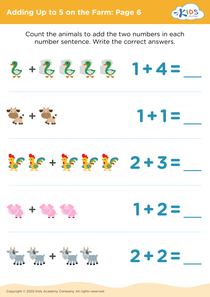
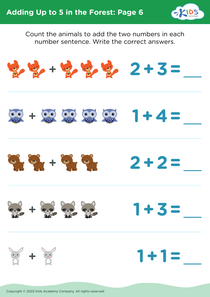
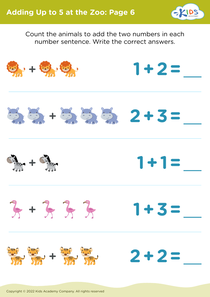
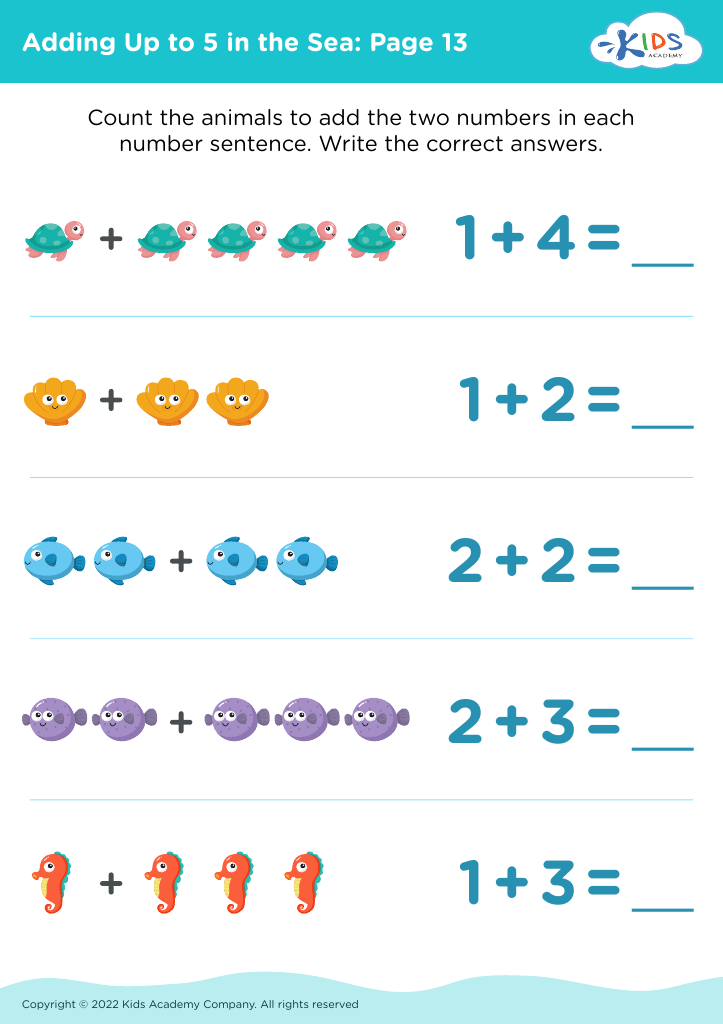
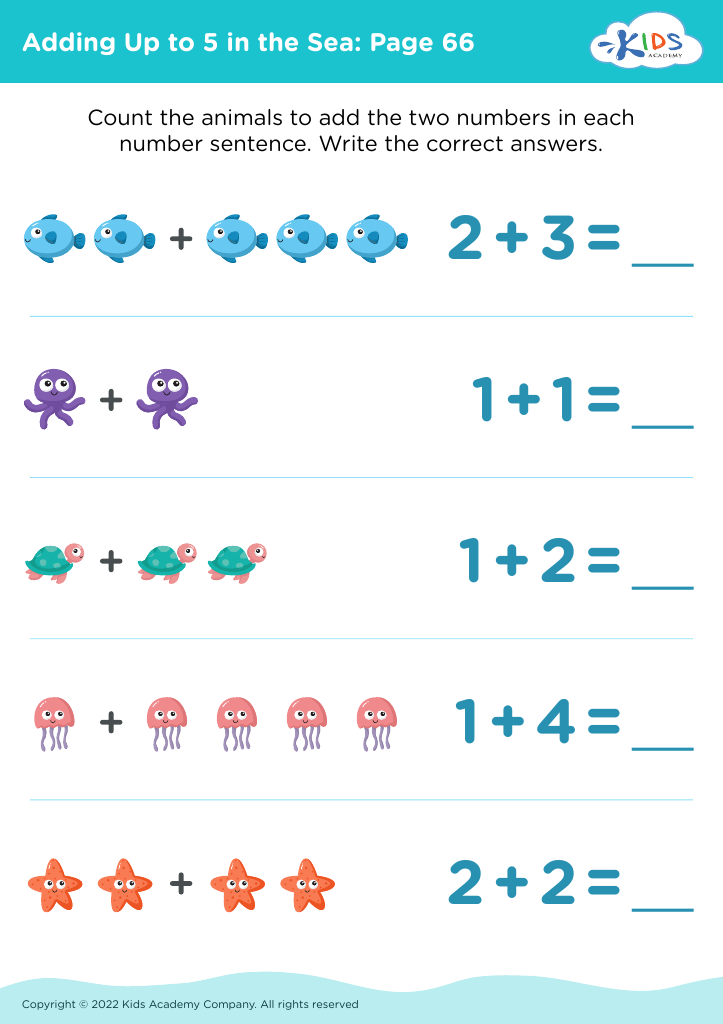
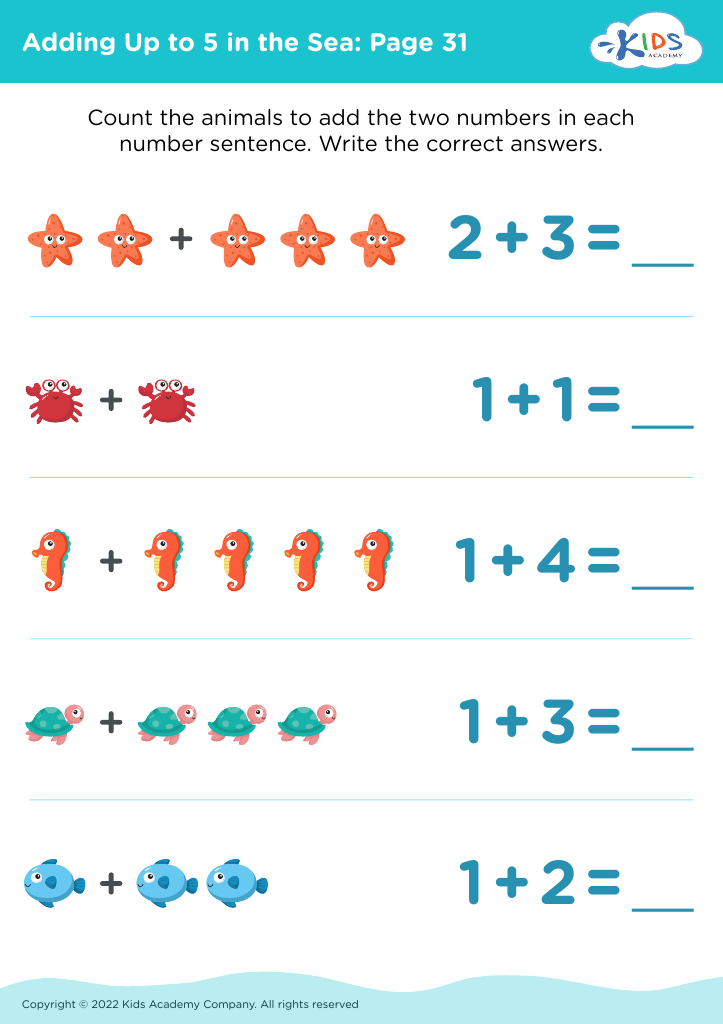
Enhance your 3-year-old's learning experience with our "Hand-eye Coordination Adding in the Sea Worksheets." These engaging worksheets are designed to develop essential hand-eye coordination skills while introducing the fun concept of addition through vibrant underwater themes. Your little learners will enjoy colorful illustrations and playful activities that motivate them to explore numbers in a playful ocean setting. By grasping and matching dots, they not only practice basic math skills but also improve their fine motor skills. Perfect for preschool or at-home learning, these worksheets ensure an early introduction to math while fostering creativity and coordination. Dive into learning today!
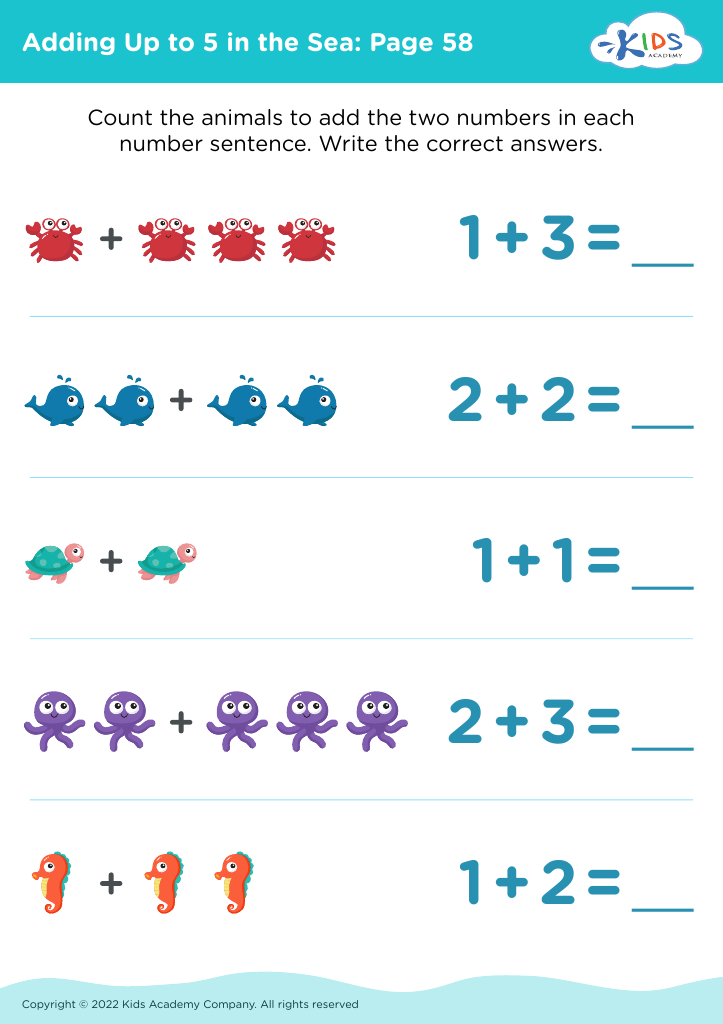



Hand-eye coordination is a crucial skill for young children, and it particularly matters during activities like "Adding in the Sea," a fun way to engage 3-year-olds in learning. This essential coordination helps children link visual input with motor responses, facilitating their ability to perform tasks like writing, drawing, and engaging in sports as they grow.
In this interactive activity, children can develop foundational mathematical skills while improving hand-eye coordination. By using tools like fish objects or counting nets, children are prompted to visually track moving objects and respond with precise hand movements as they count and add.
Parents and teachers should care about hand-eye coordination because it lays the groundwork for various learning experiences. Enhancing this skill can boost a child’s confidence and independence, leading to better success in academic pursuits. Moreover, it aids in fine motor development, which plays a key role in writing and other manipulative skills.
Incorporating playful, engaging activities can make learning enjoyable while fostering both cognitive and physical development. Ultimately, a strong grasp of hand-eye coordination will empower children to tackle diverse challenges as they progress through their educational journey.