Improving concentration Adding in the Sea Worksheets for 3-Year-Olds
4 filtered results
-
From - To
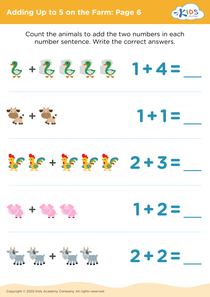
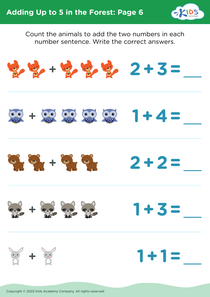
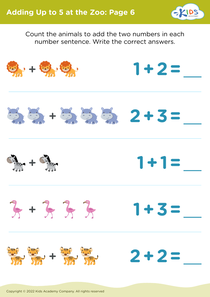
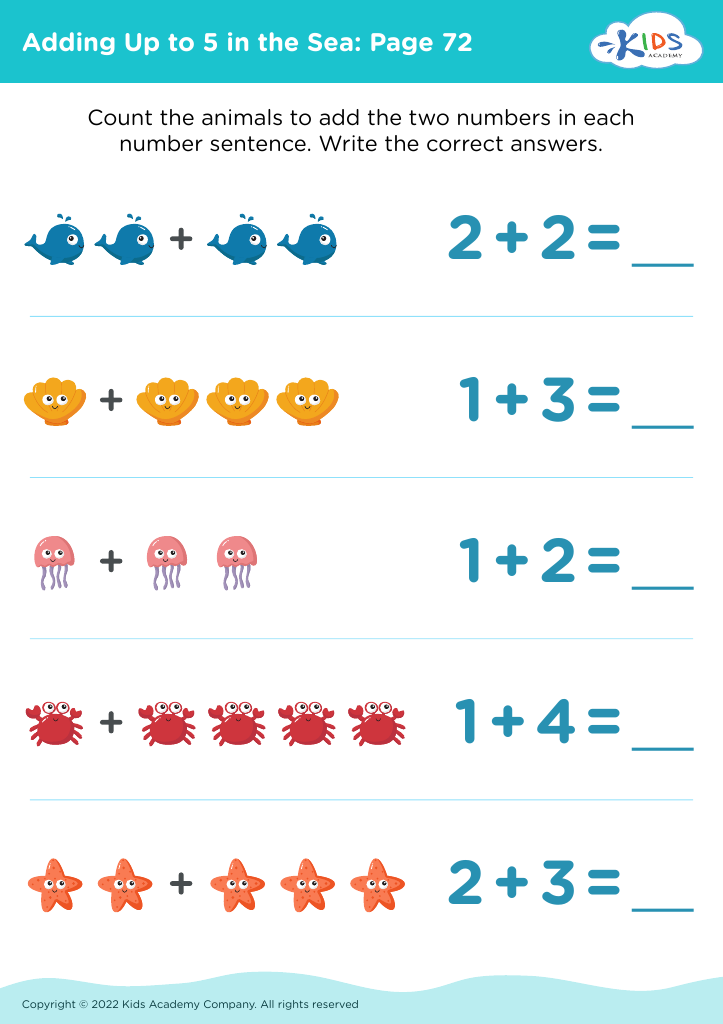
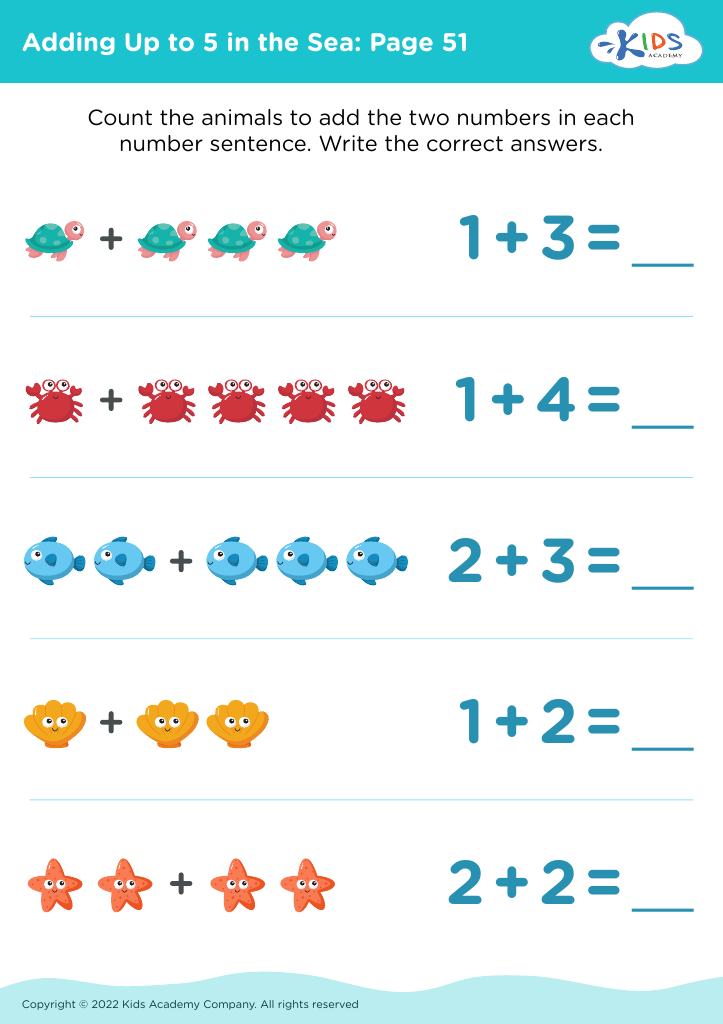
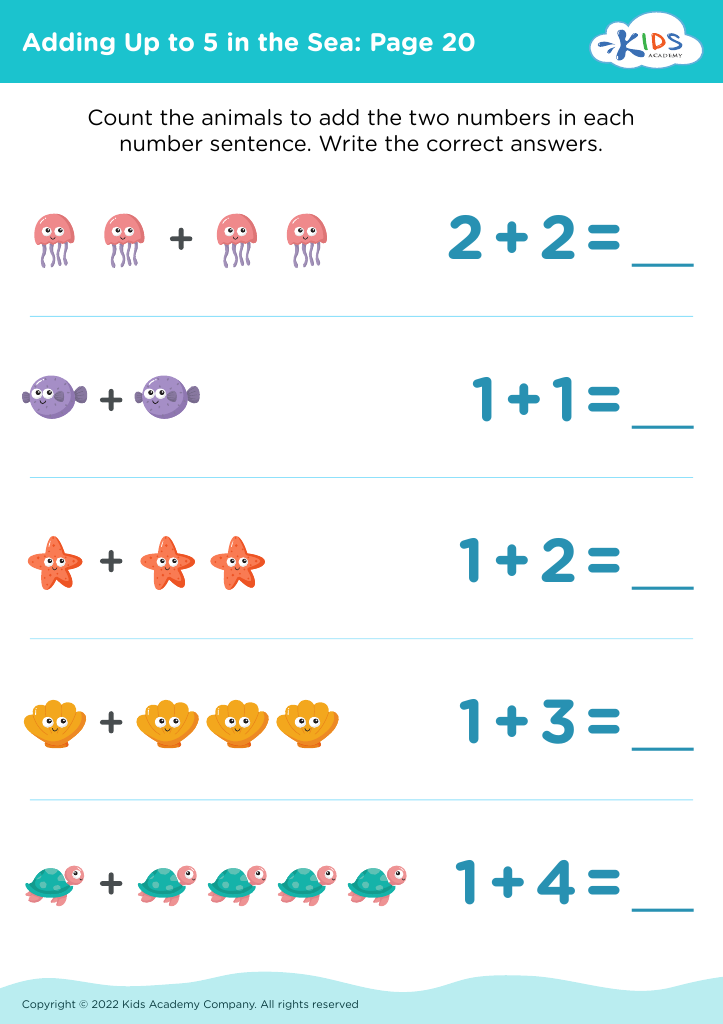
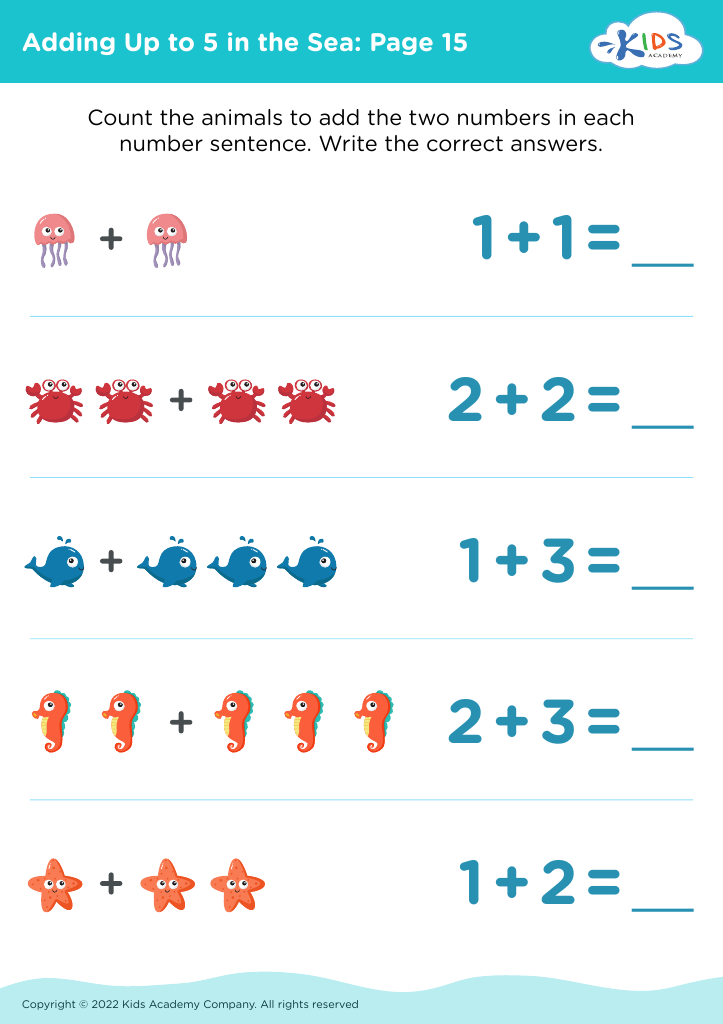
Enhance your child's focus with our "Adding in the Sea" worksheets designed for 3-year-olds. These captivating materials combine fun sea-themed activities with educational math problems to promote concentration and early math skills. Through engaging imagery and interactive tasks, children develop their ability to pay attention while learning to add in a playful, supportive environment. Perfectly crafted to hold young learners' interest, our worksheets provide an excellent foundation for future academic success. Visit our page to explore free printable worksheets that make learning an ocean of fun and help build essential concentration skills for your little ones!



Improving concentration in 3-year-olds is essential for early development, as this skill forms the foundation for future learning and life success. At this age, children experience rapid cognitive, social, and emotional growth. By improving their ability to concentrate, parents and teachers can significantly enhance these developmental processes, setting the stage for lifelong skills.
First and foremost, good concentration levels allow children to engage in various learning activities more effectively, helping them absorb knowledge more efficiently. This can lead to an improved vocabulary, better problem-solving skills, and a solid beginning in critical thinking.
Furthermore, concentration aids in the development of self-regulation, enabling children to manage their emotions and behaviors better. This social-emotional benefit can result in fewer behavioral issues and more positive interactions with peers and adults.
In addition, improving concentration fosters a sense of accomplishment and confidence. Children who can focus on and complete tasks are more likely to feel capable and motivated, making them more enthusiastic learners and more resilient in the face of challenges.
Finally, these early years are crucial for brain development. Supporting concentration can stimulate neural growth and synaptic connections, optimizing cognitive function. Through activities like sensory play, storytelling, or simple games, parents and teachers can make concentration-building exercises fun, engaging, and developmentally appropriate.