Filters

95 filtered results

Clear all filters
Favorites
With answer key
Interactive

95 filtered results

Difficulty Level

Grade


Check out this FREE Trial Lesson on Adding Up to 5 for age 3!

T

Favorites
With answer key
Interactive
  • 3
  • Cognitive Development
  • Adding Up to 5
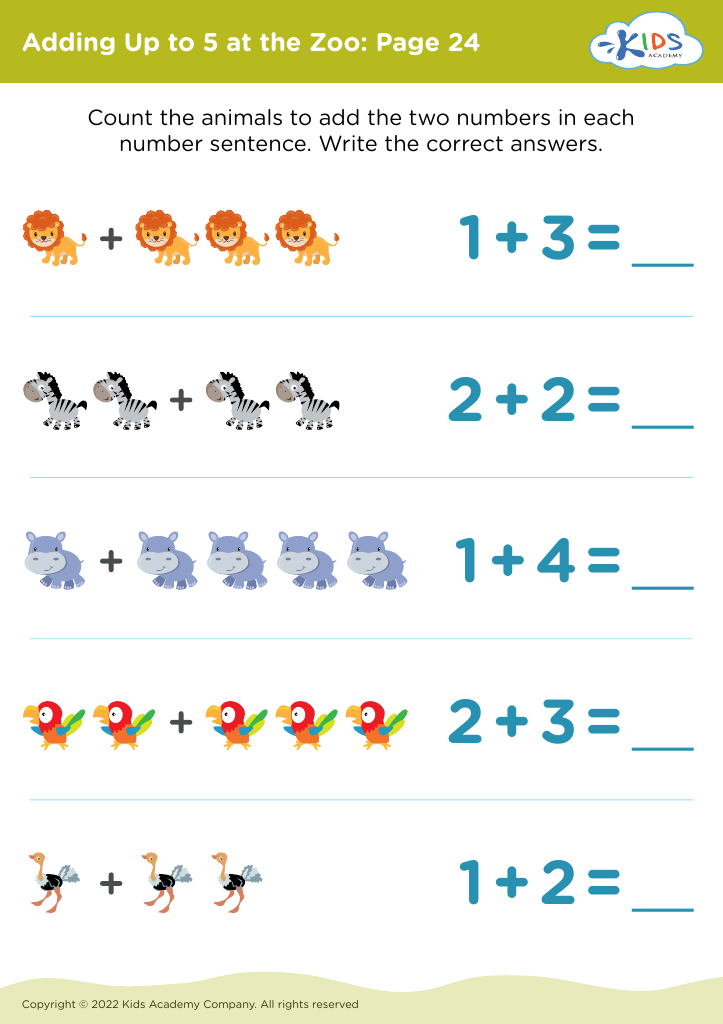
Adding Up to 5 at the Zoo: Page 24
Worksheet
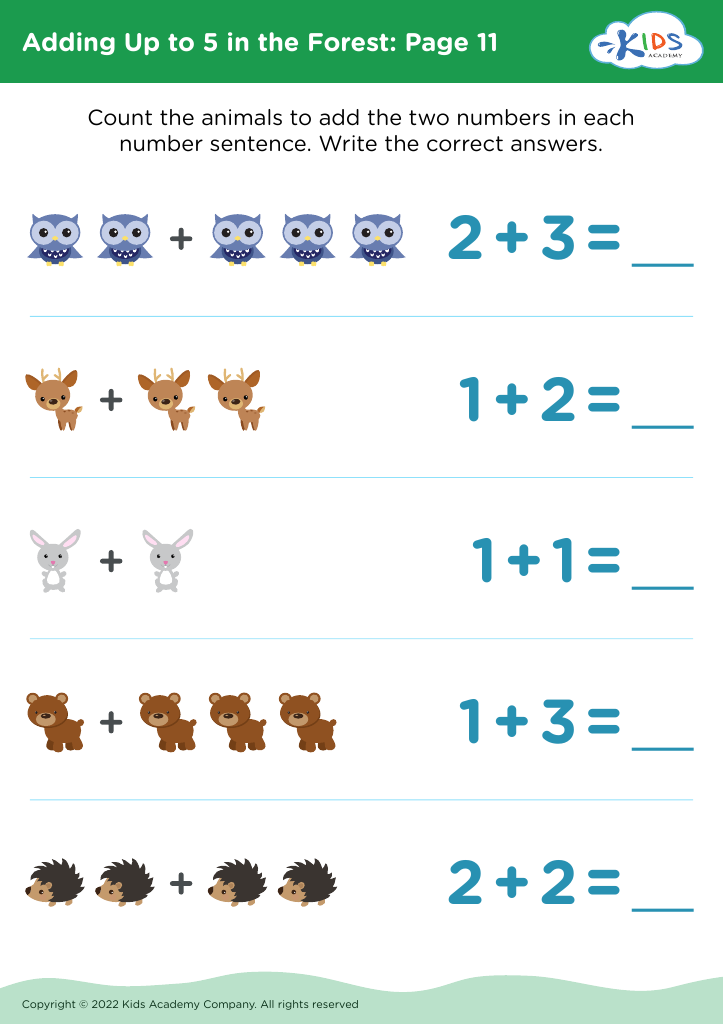
Adding Up to 5 in the Forest: Page 11
Worksheet
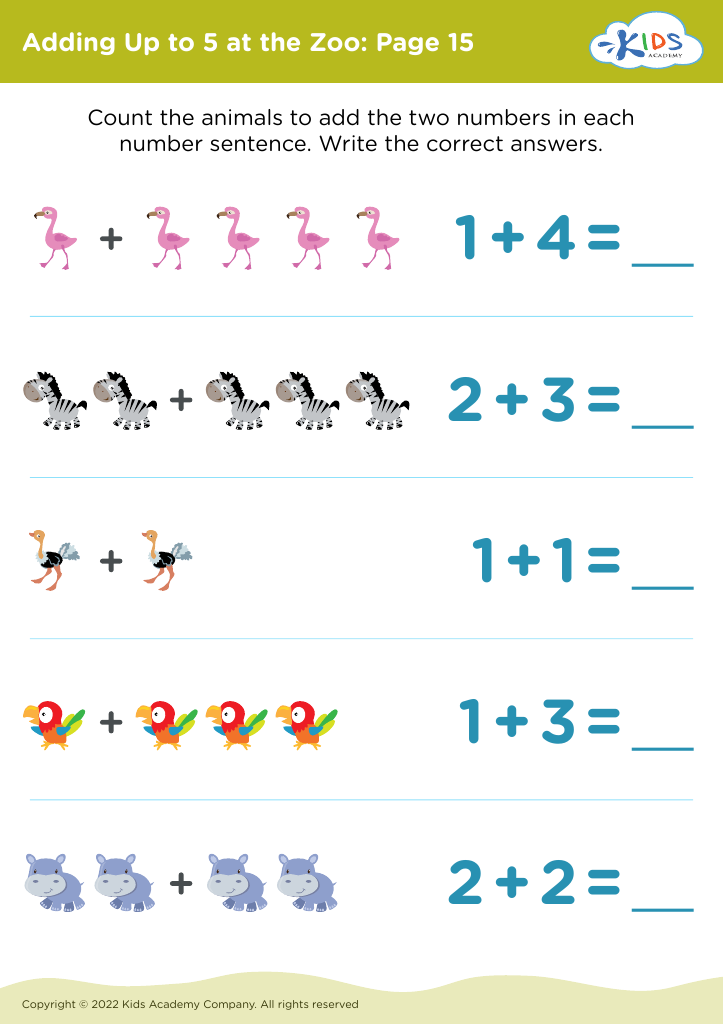
Adding Up to 5 at the Zoo: Page 15
Worksheet
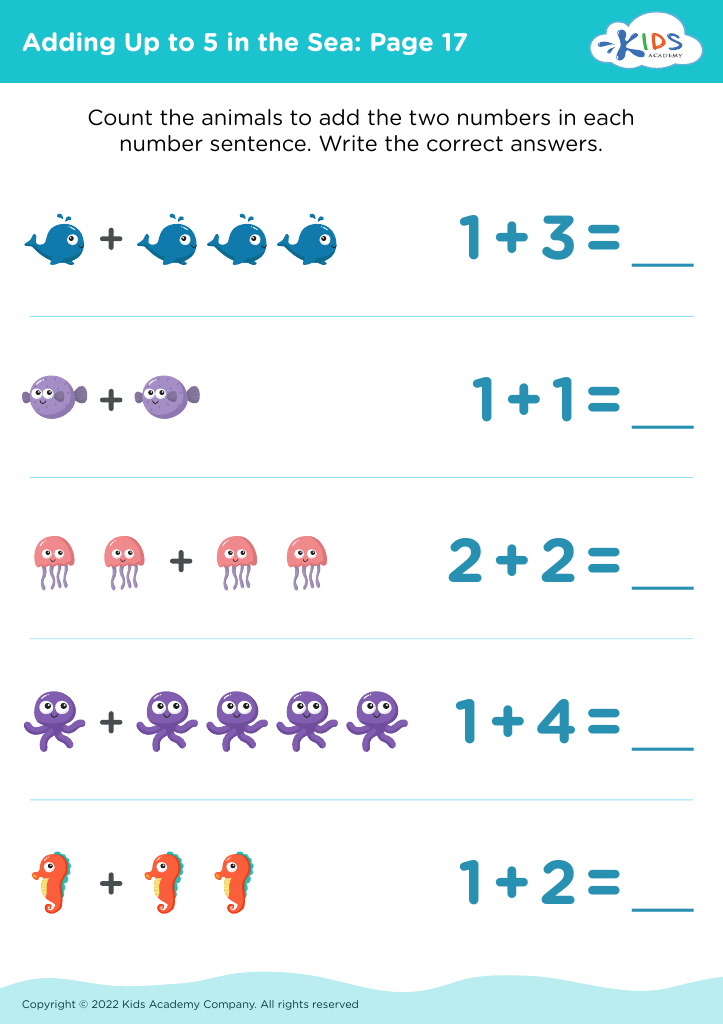
Adding Up to 5 in the Sea: Page 17
Worksheet
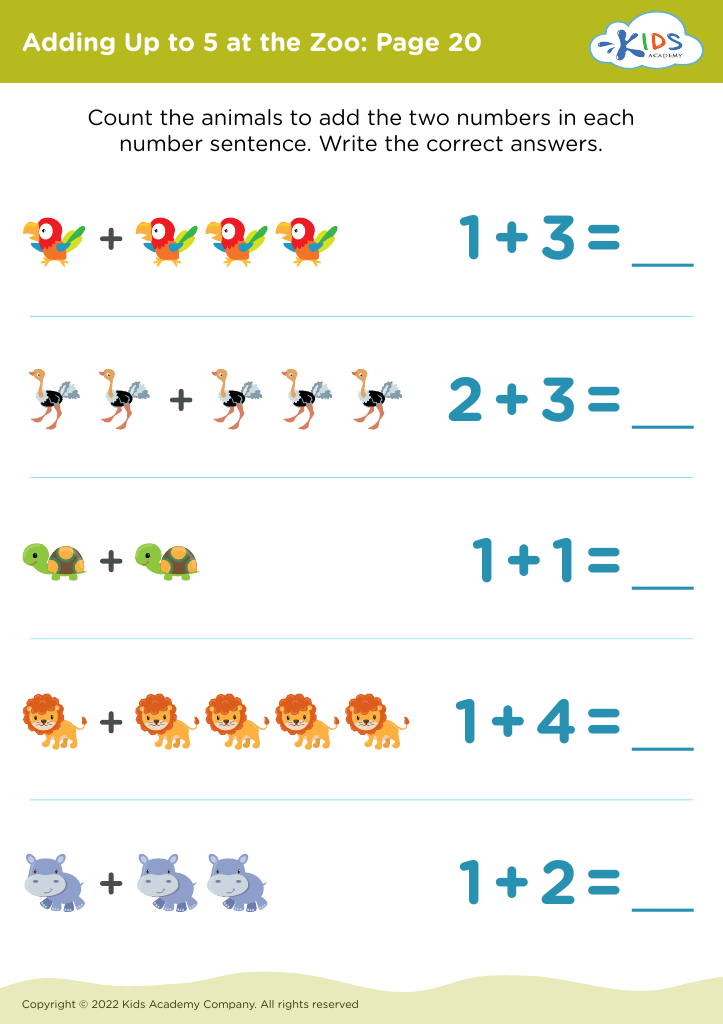
Adding Up to 5 at the Zoo: Page 20
Worksheet
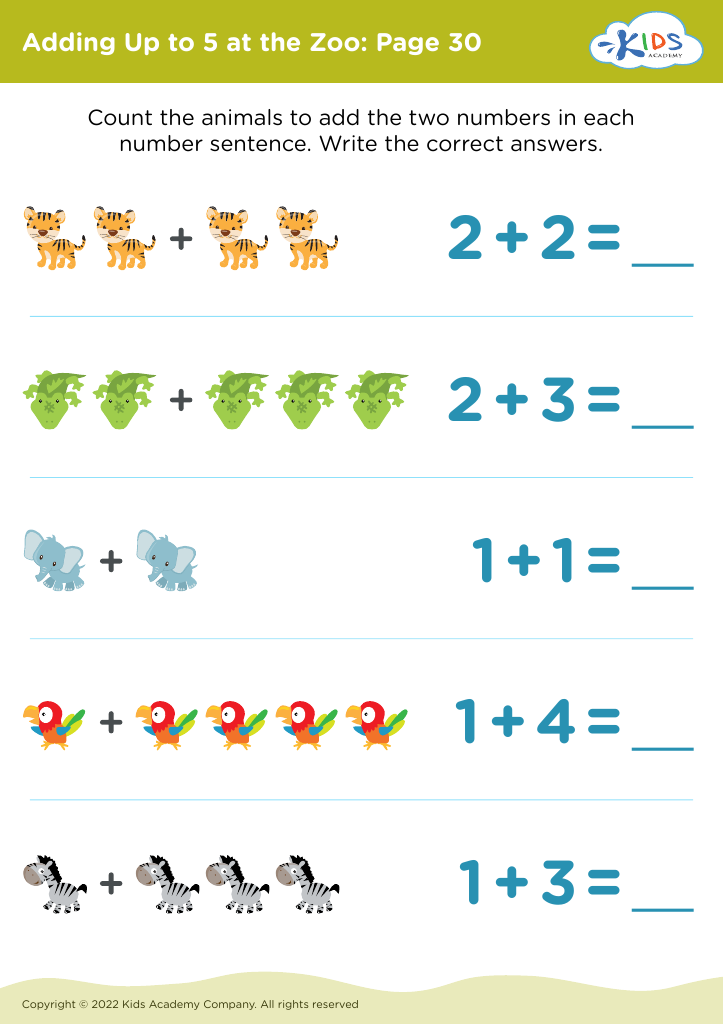
Adding Up to 5 at the Zoo: Page 30
Worksheet
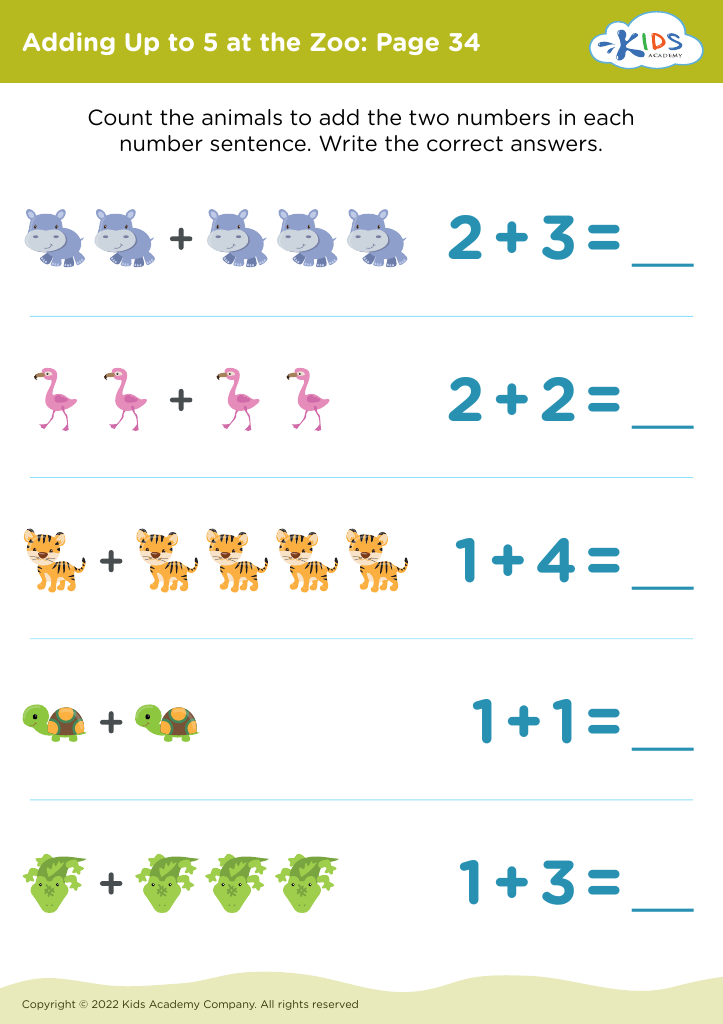
Adding Up to 5 at the Zoo: Page 34
Worksheet
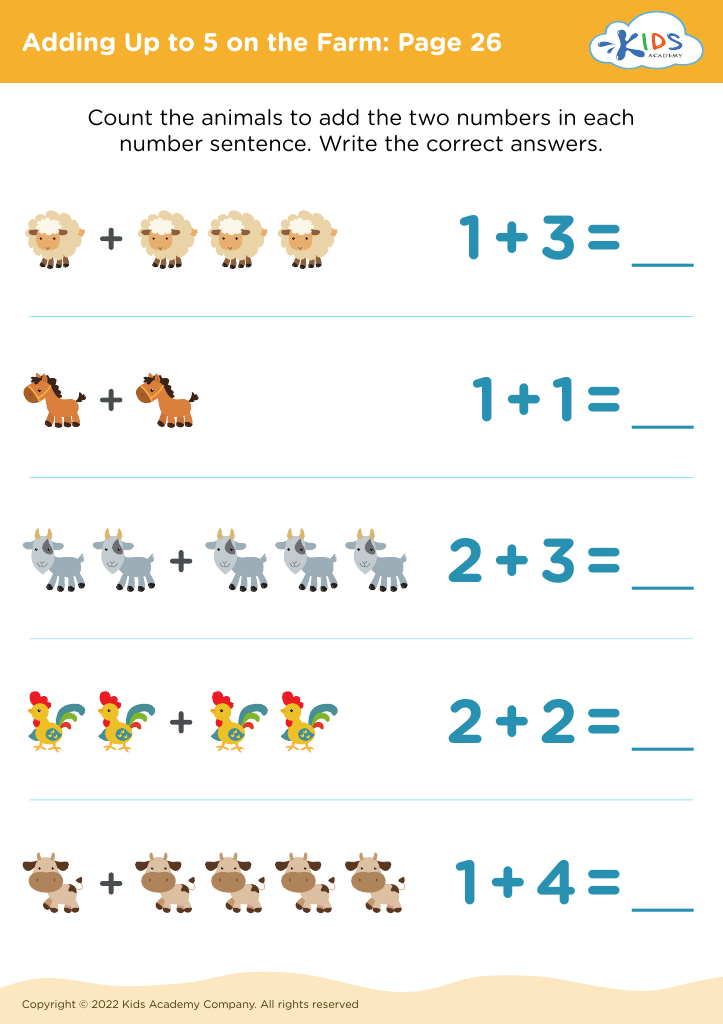
Adding Up to 5 on the Farm: Page 26
Worksheet
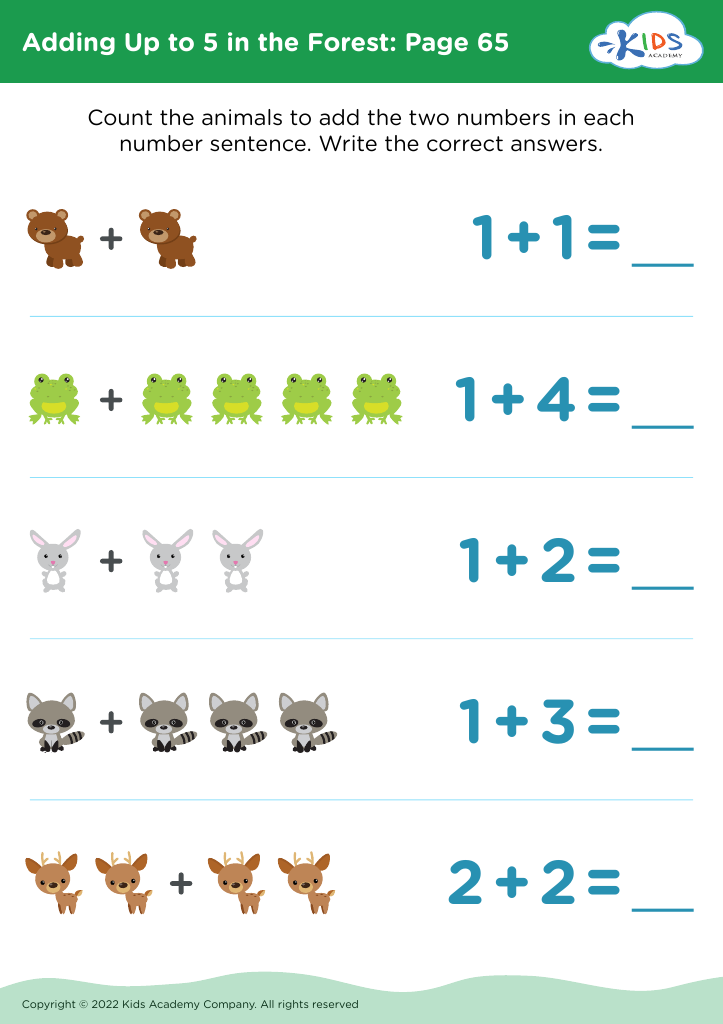
Adding Up to 5 in the Forest: Page 65
Worksheet
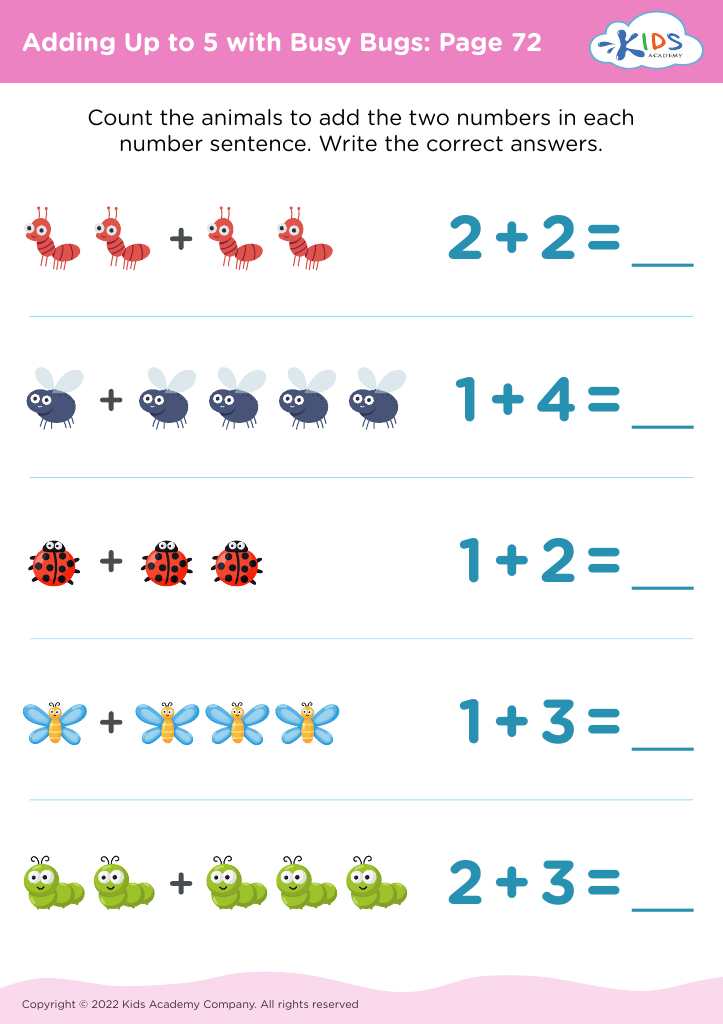
Adding Up to 5 with Busy Bugs: Page 72
Worksheet
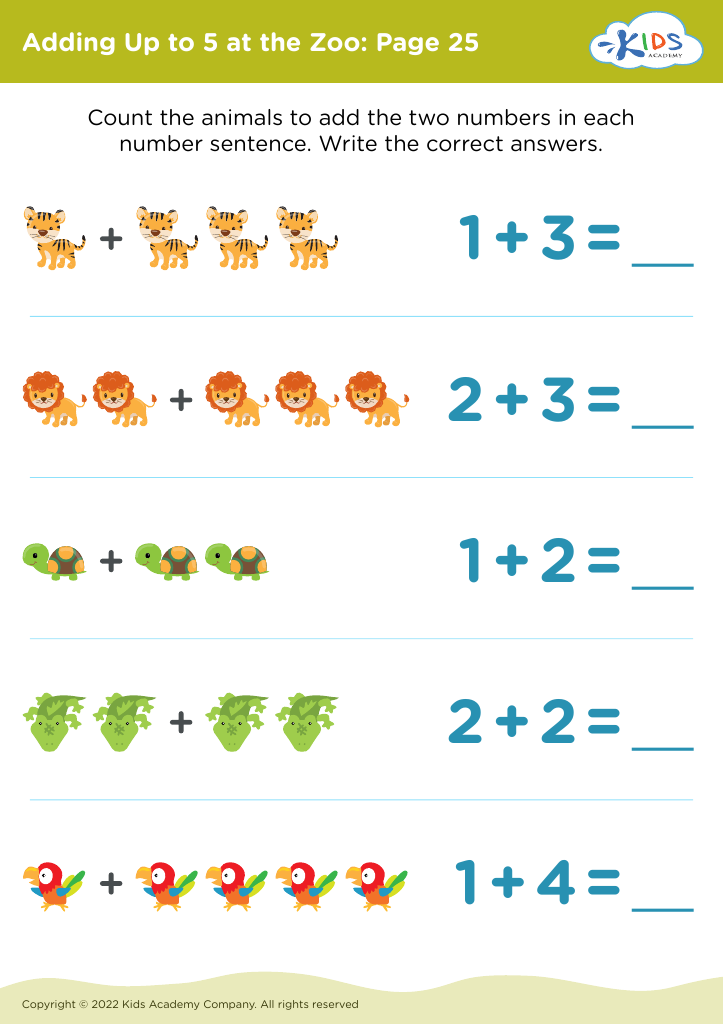
Adding Up to 5 at the Zoo: Page 25
Worksheet
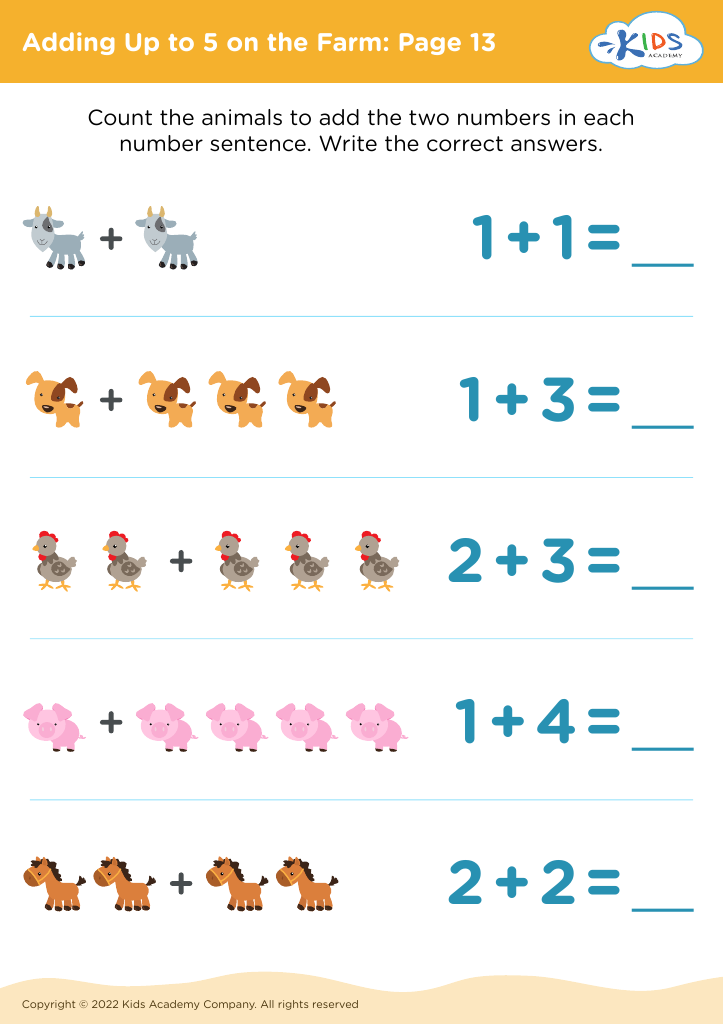
Adding Up to 5 on the Farm: Page 13
Worksheet
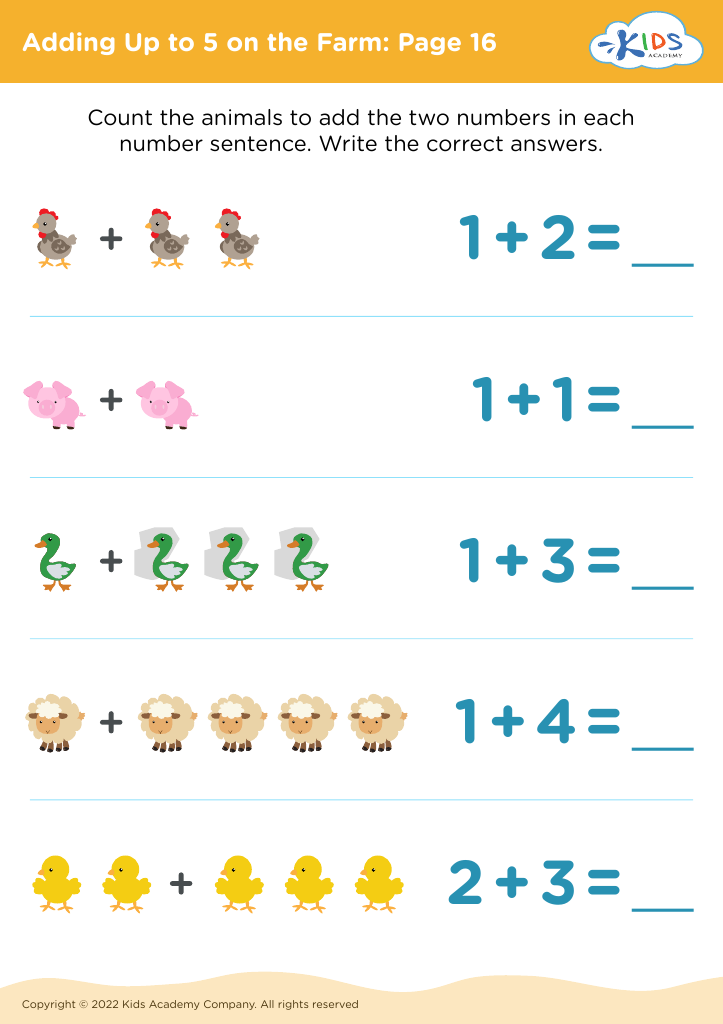
Adding Up to 5 on the Farm: Page 16
Worksheet
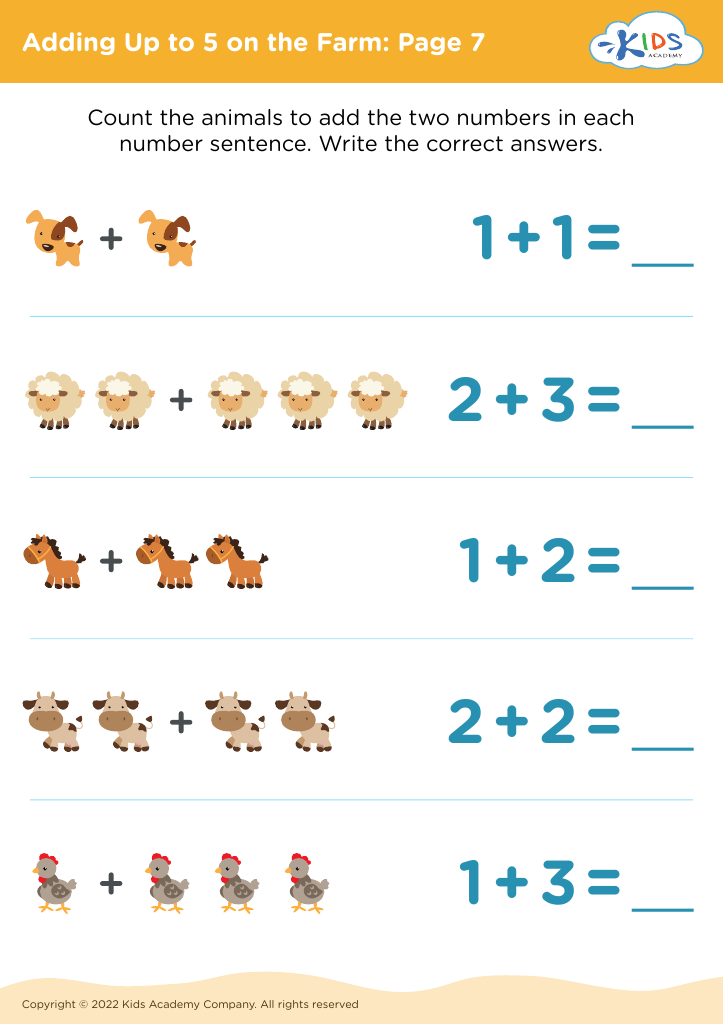
Adding Up to 5 on the Farm: Page 7
Worksheet
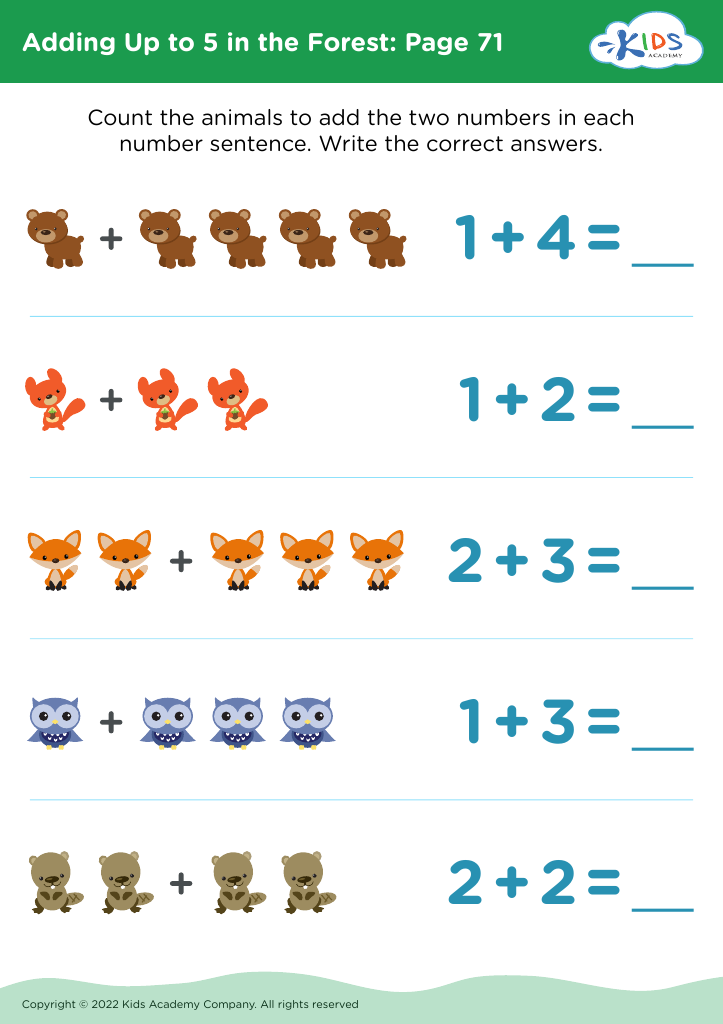
Adding Up to 5 in the Forest: Page 71
Worksheet
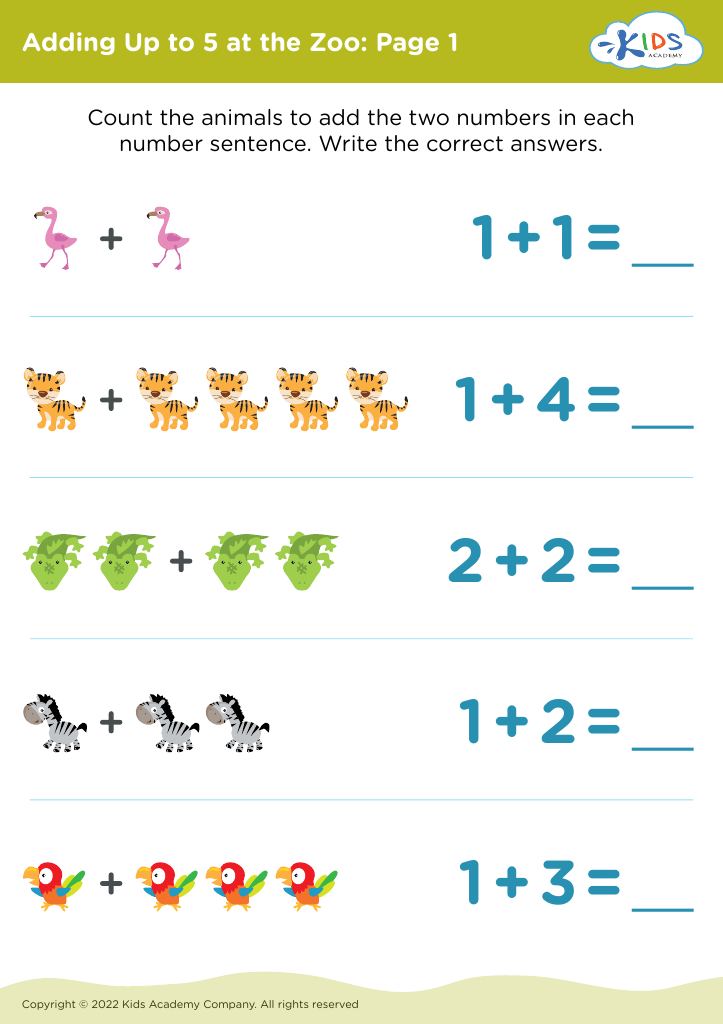
Adding Up to 5 at the Zoo: Page 1

Adding Up to 5 at the Zoo: Page 1

Adding Up to 5 at the Zoo: Page 1
Worksheet
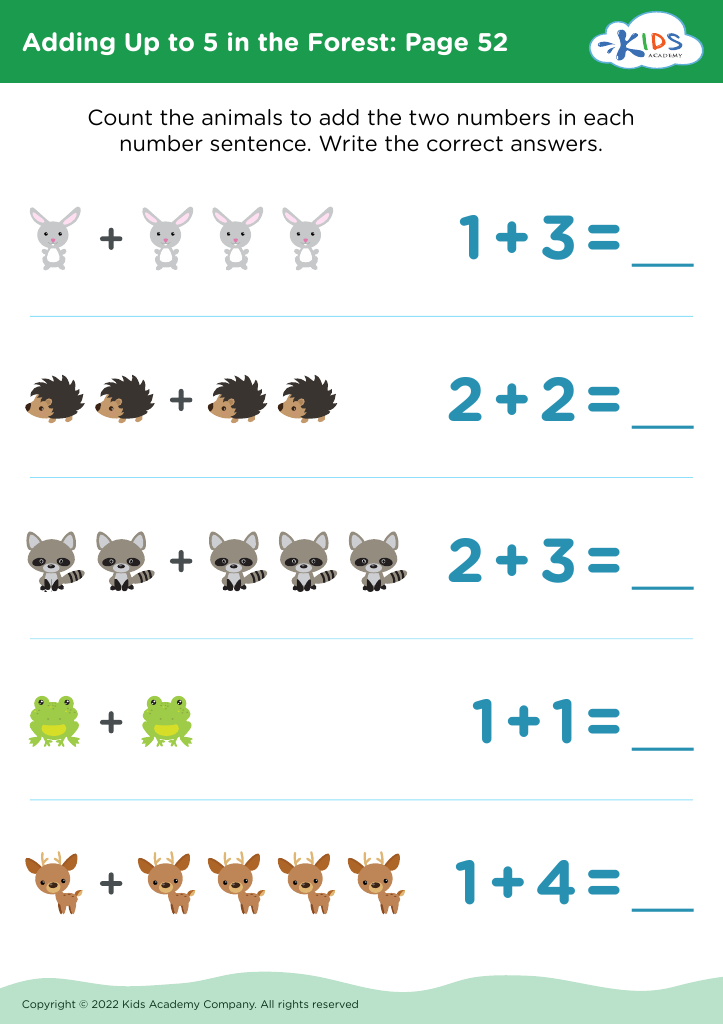
Adding Up to 5 in the Forest: Page 52
Worksheet
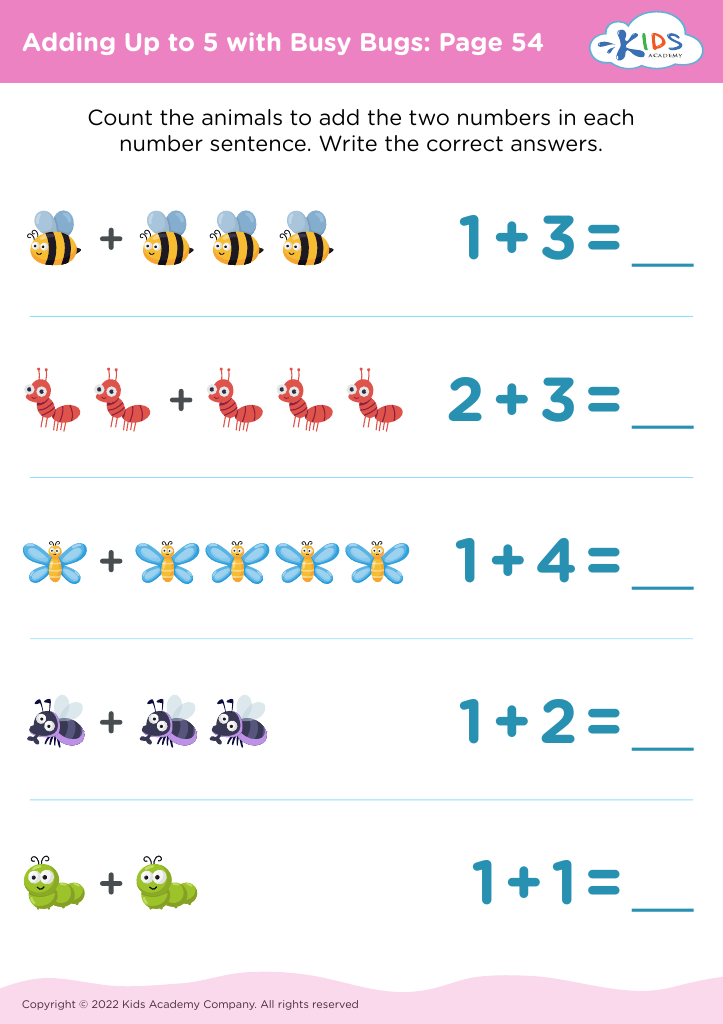
Adding Up to 5 with Busy Bugs: Page 54
Worksheet
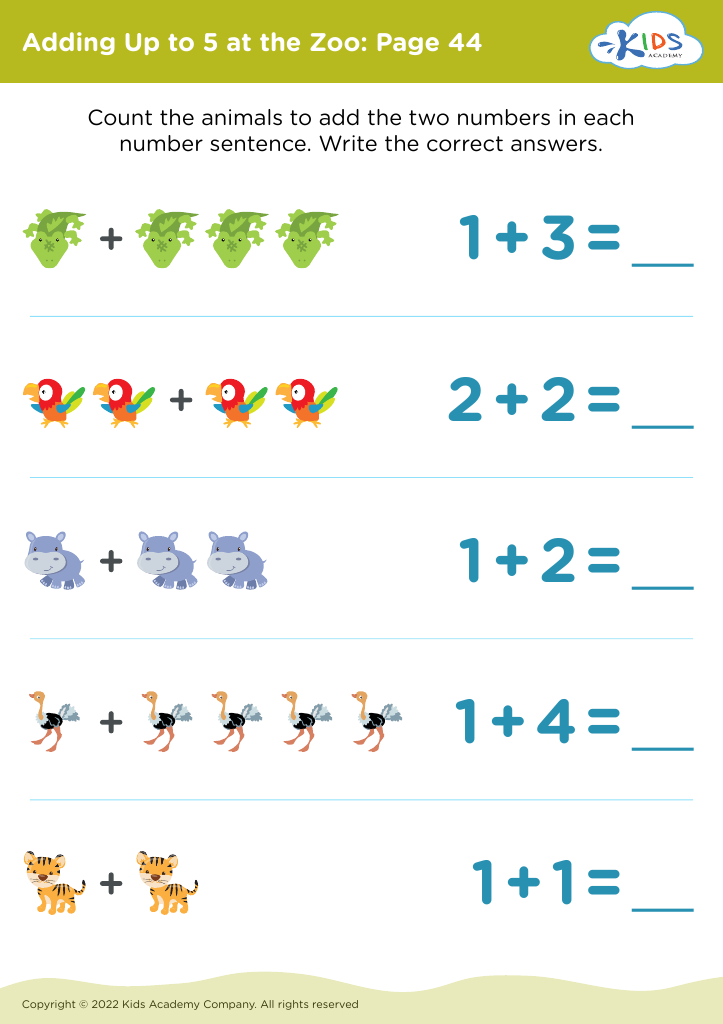
Adding Up to 5 at the Zoo: Page 44
Worksheet
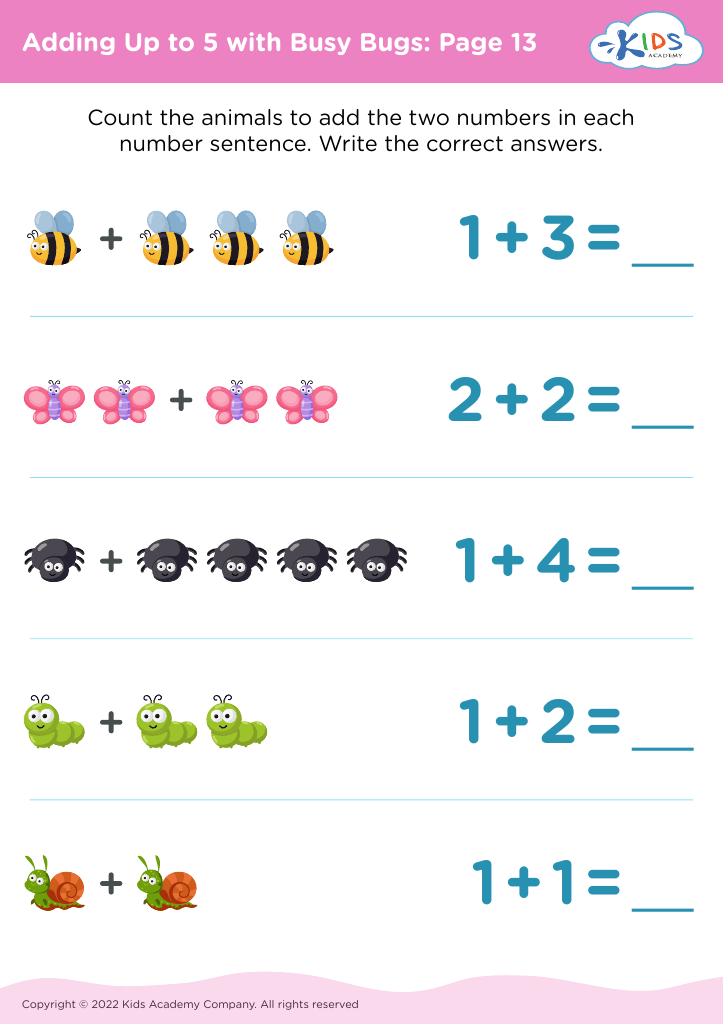
Adding Up to 5 with Busy Bugs: Page 13
Worksheet
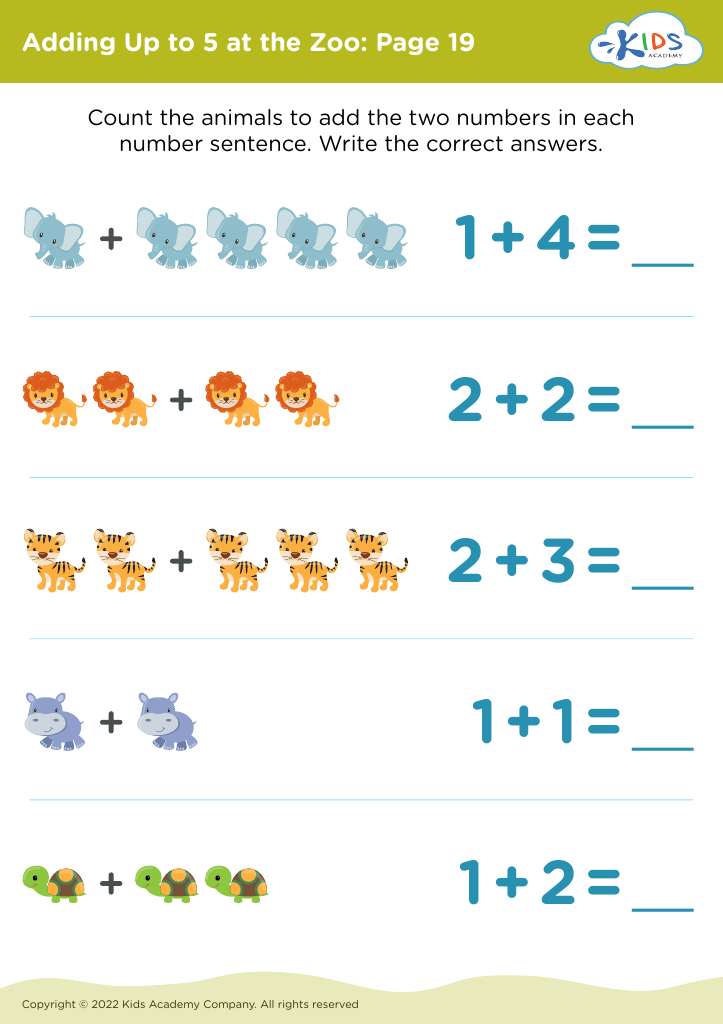
Adding Up to 5 at the Zoo: Page 19
Worksheet
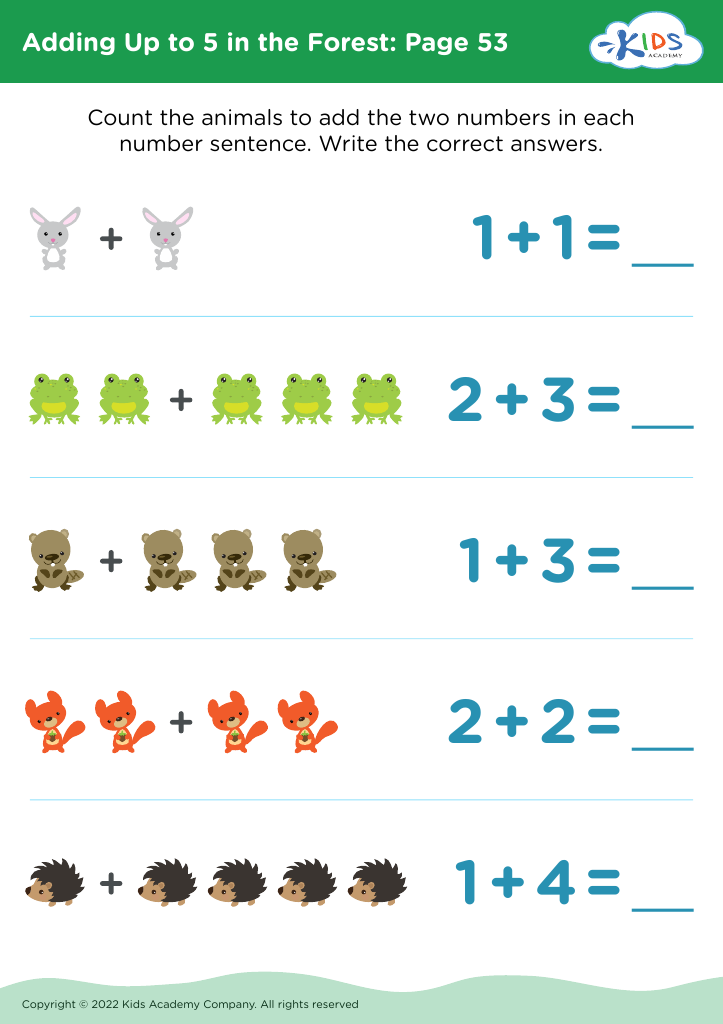
Adding Up to 5 in the Forest: Page 53
Worksheet
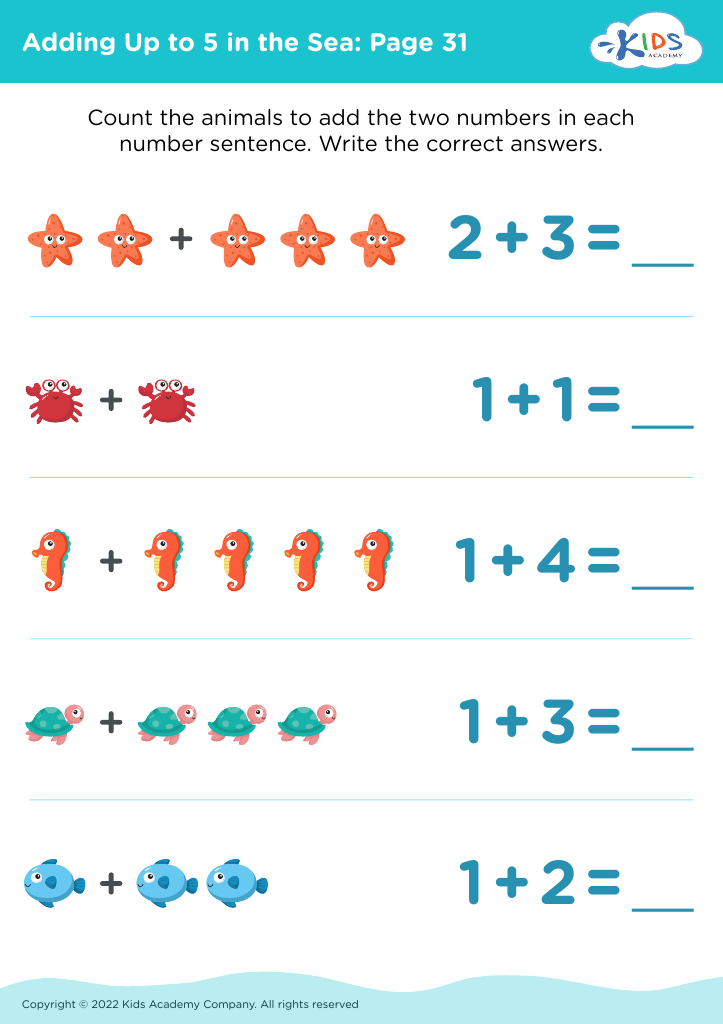
Adding Up to 5 in the Sea: Page 31
Worksheet
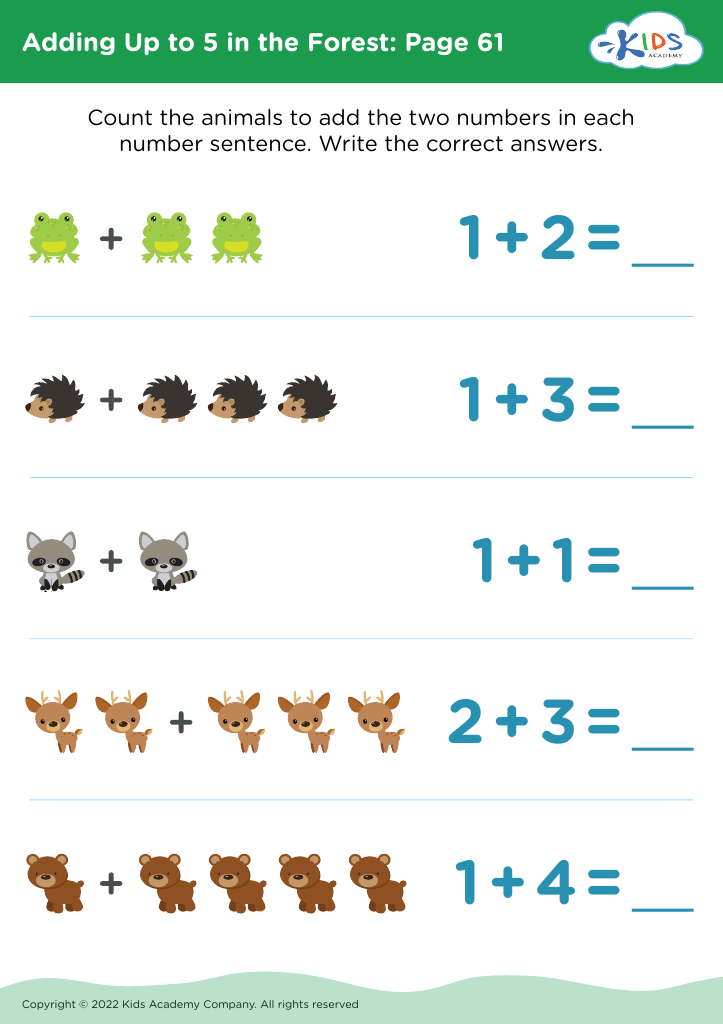
Adding Up to 5 in the Forest: Page 61
Worksheet


Cognitive development is a critical aspect of early childhood education, especially when it comes to foundational skills like counting and number recognition. For 3-year-olds, learning to add up to 5 represents a significant milestone in their cognitive growth. This skill not only helps children grasp basic math concepts but also enhances their problem-solving abilities, logical thinking, and spatial awareness.

Parents and teachers should prioritize this stage of cognitive development as it lays the groundwork for future mathematical learning. Early exposure to concepts like addition encourages positive attitudes toward math, demystifying numbers and fostering a confidence that will benefit children as they progress through school. Engaging activities like counting objects, singing number songs, or playing simple math games can make learning fun and meaningful, bridging the gap between play and education.

Moreover, understanding and supporting cognitive development in this area fosters communication and social interaction. Children can develop better reasoning abilities, share with peers, and learn the value of teamwork through collaborative learning experiences. Overall, focusing on adding up to 5 empowers young learners, making it a crucial focus for parents and educators alike in nurturing well-rounded, confident individuals.