Fine motor skills (drawing lines) Adding Up to 5 Worksheets for 3-Year-Olds
3 filtered results
-
From - To
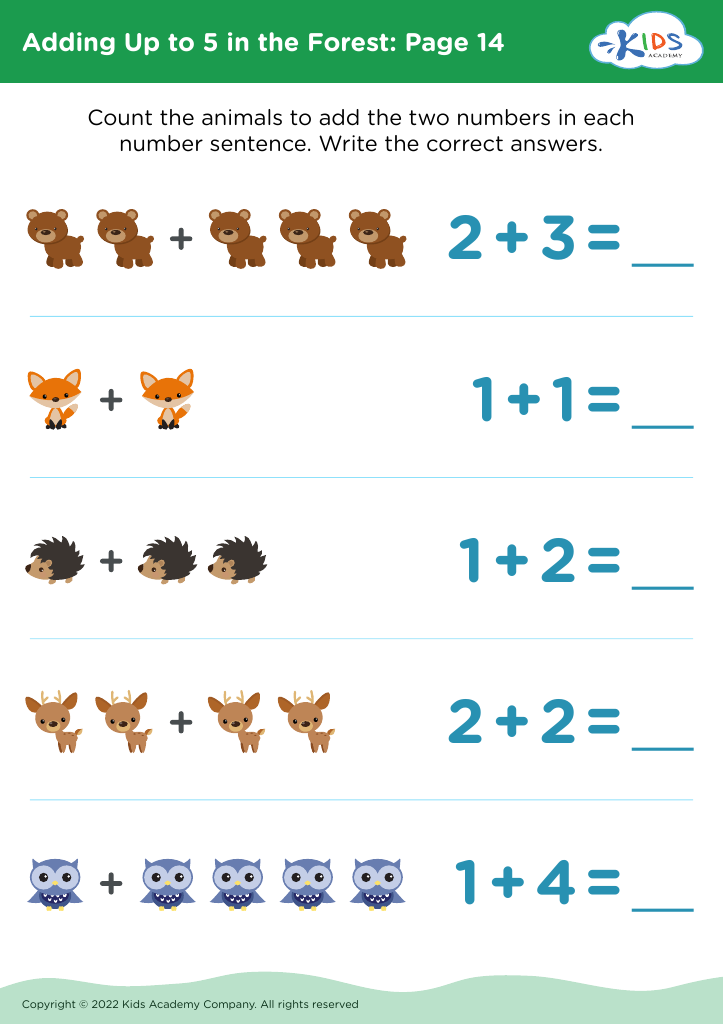
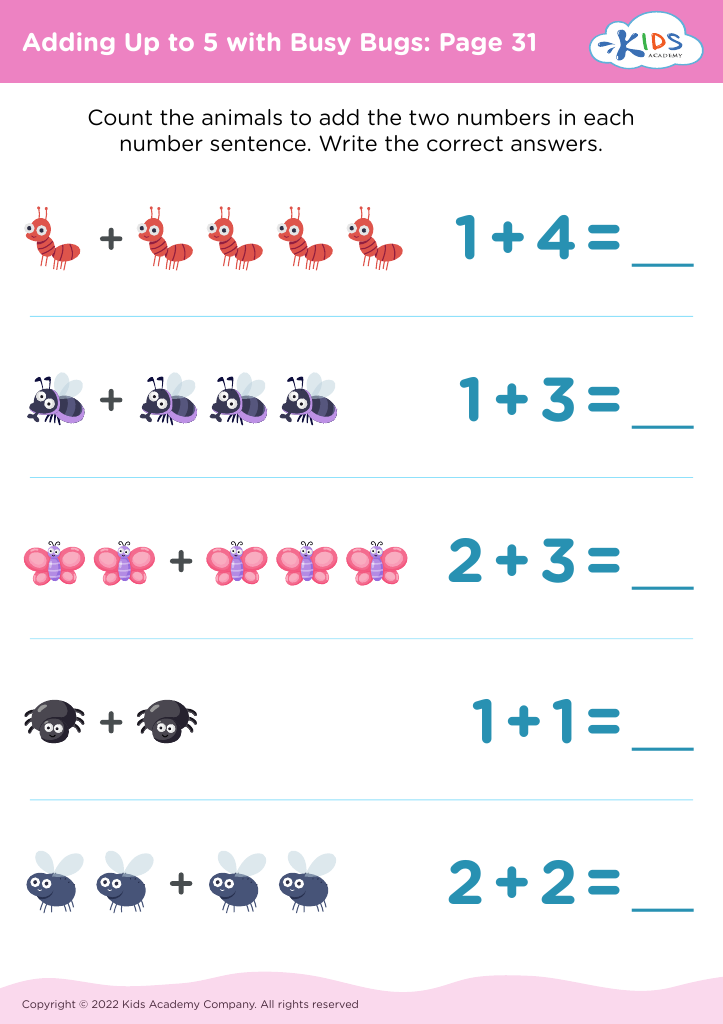
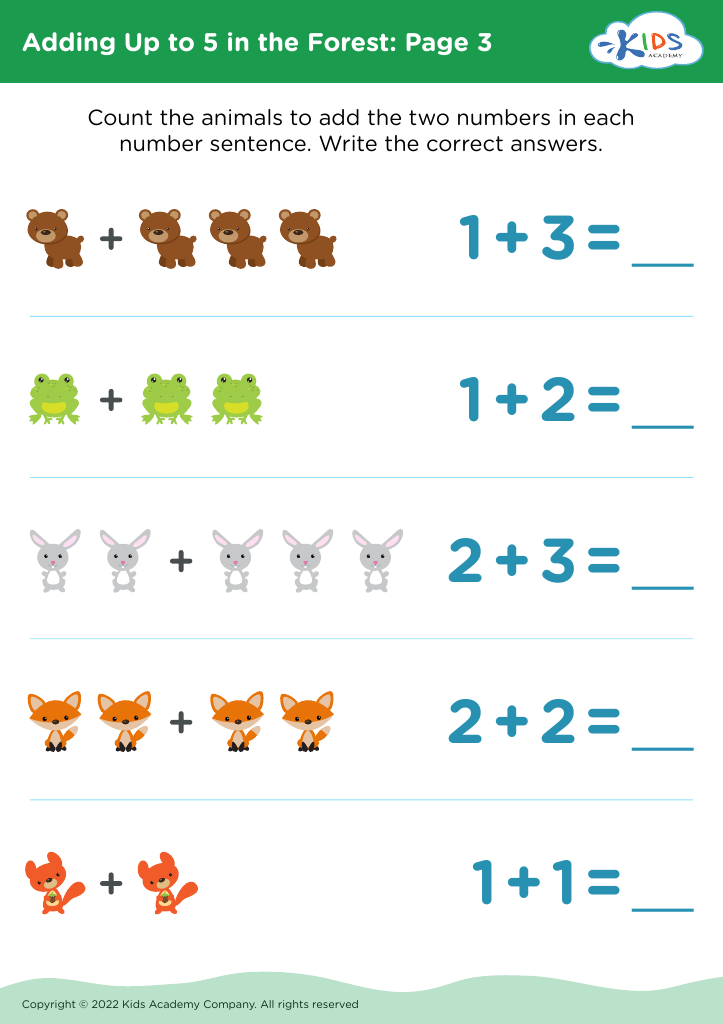
Enhance your child's fine motor skills with our engaging "Adding Up to 5 Worksheets" designed specifically for 3-year-olds. These worksheets focus on drawing lines, a critical foundation for developing writing and drawing abilities. Through interactive activities, children will practice drawing straight and curved lines while exploring basic addition concepts that involve numbers up to 5. Each worksheet offers fun and educational challenges that stimulate young minds while improving hand-eye coordination and dexterity. Perfect for parents and educators, these printable resources make learning enjoyable. Unlock your child's potential today with our carefully crafted fine motor skills worksheets!



.jpg)




Fine motor skills, such as drawing lines and performing basic tasks like adding up to 5, are essential for 3-year-olds as they lay the groundwork for future learning and development. Firstly, fine motor skills are crucial for daily activities, including writing, self-care, and handling tools, which help children gain independence. Engaging in activities like drawing lines teaches children how to control their finger movements and encourages hand-eye coordination.
Additionally, understanding basic math concepts, like adding up to 5, builds a foundation for numerical literacy. Early exposure to simple math reinforces cognitive skills, enhances problem-solving abilities, and encourages logical thinking. These early experiences in fine motor activities and math can enhance a child's confidence, enabling them to tackle more complex tasks in the future.
Moreover, engaging in fine motor and math activities nurtures creativity and overall brain development. Parents and teachers play a vital role in facilitating these skills through playful learning, making it enjoyable for children to practice and grow. By prioritizing fine motor skills and early math concepts, adults help foster a child's readiness for school, ultimately setting them up for lifelong success in both academic and social environments.








