Check out this FREE Trial Lesson on Addition & Subtraction for age 3!

H

Favorites
With answer key
Interactive
  • 3
  • Basic Addition Skills
  • Addition & Subtraction
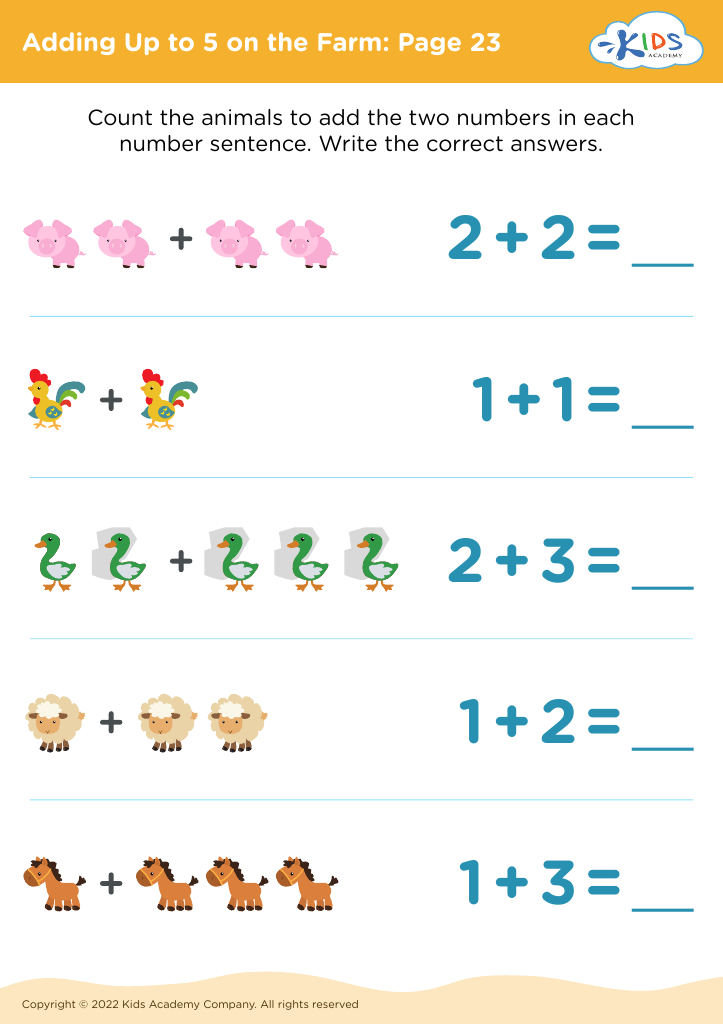
Adding Up to 5 on the Farm: Page 23
Worksheet
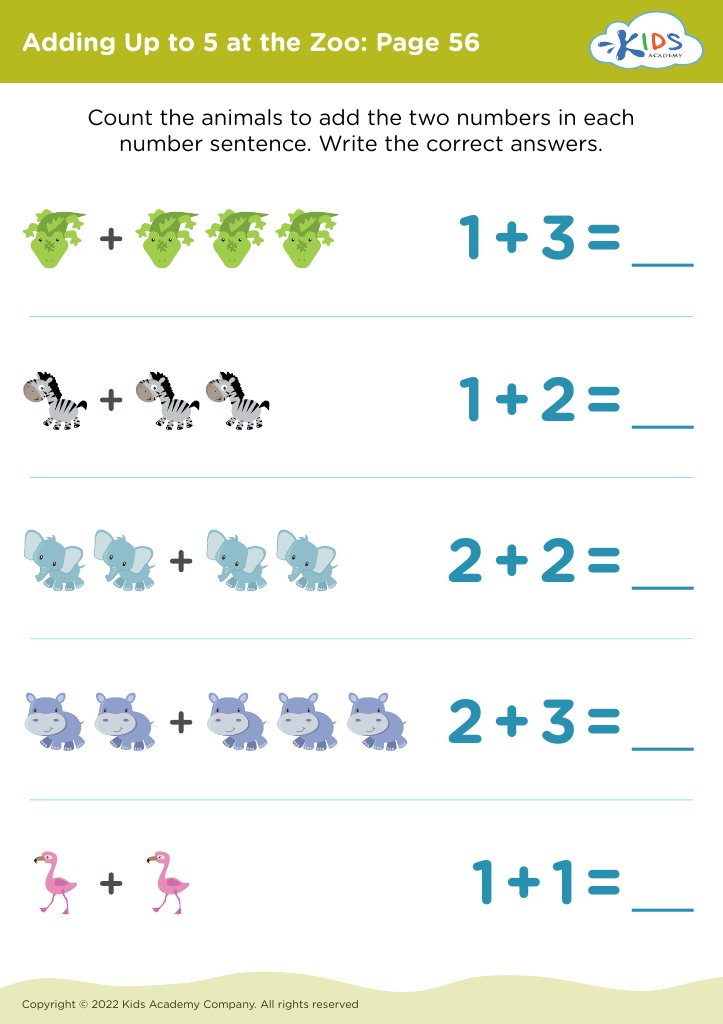
Adding Up to 5 at the Zoo: Page 56
Worksheet
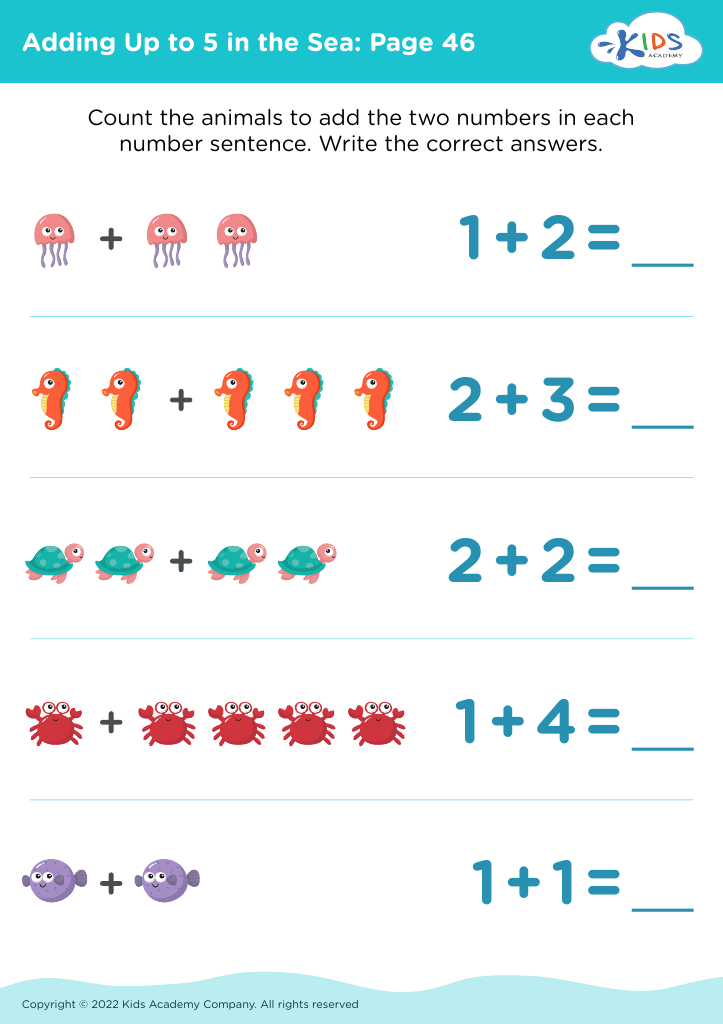
Adding Up to 5 in the Sea: Page 46
Worksheet
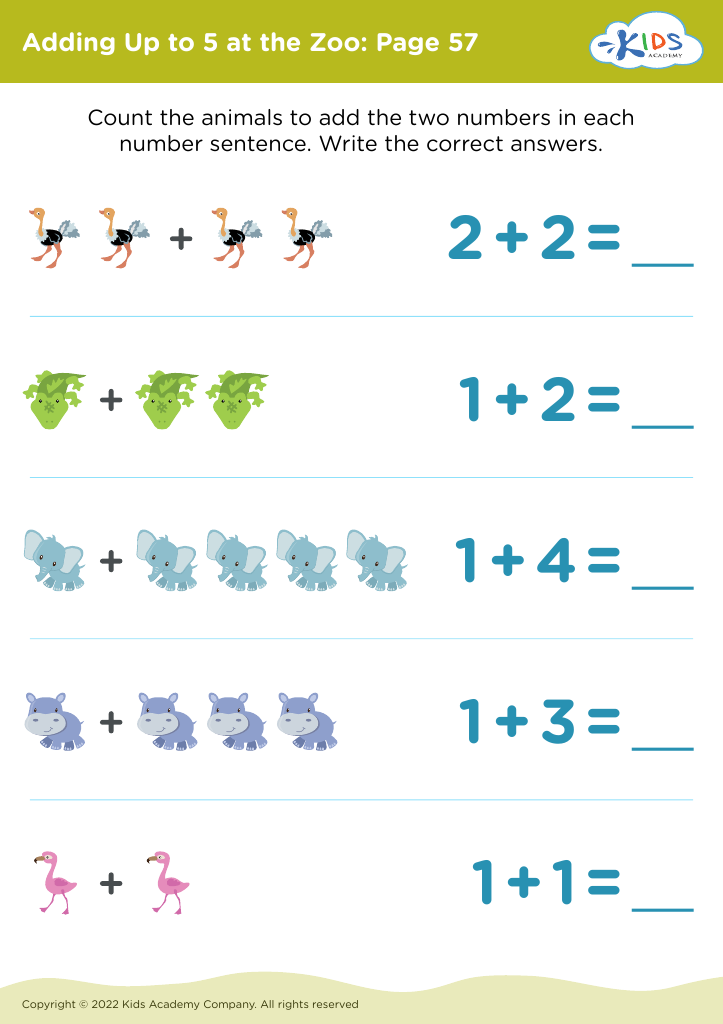
Adding Up to 5 at the Zoo: Page 57
Worksheet
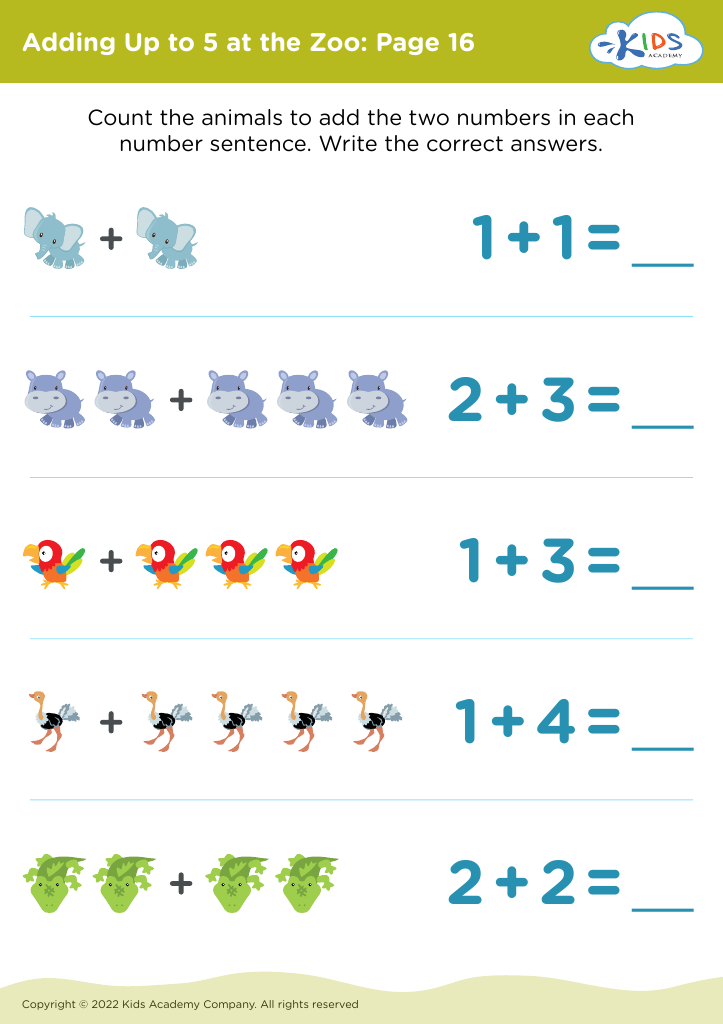
Adding Up to 5 at the Zoo: Page 16
Worksheet
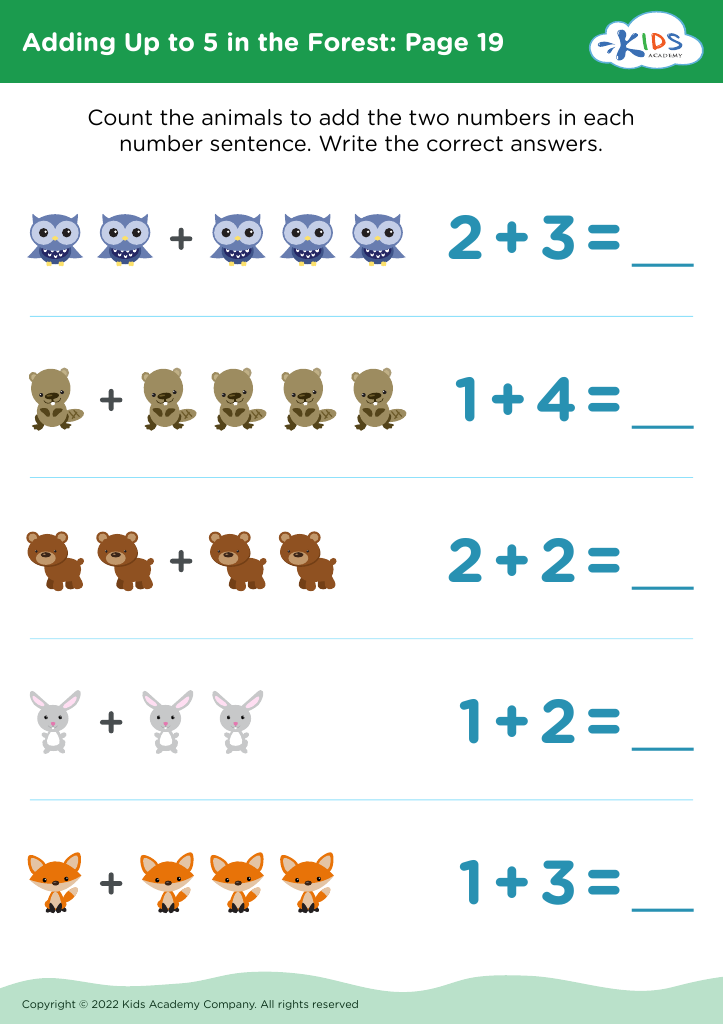
Adding Up to 5 in the Forest: Page 19
Worksheet
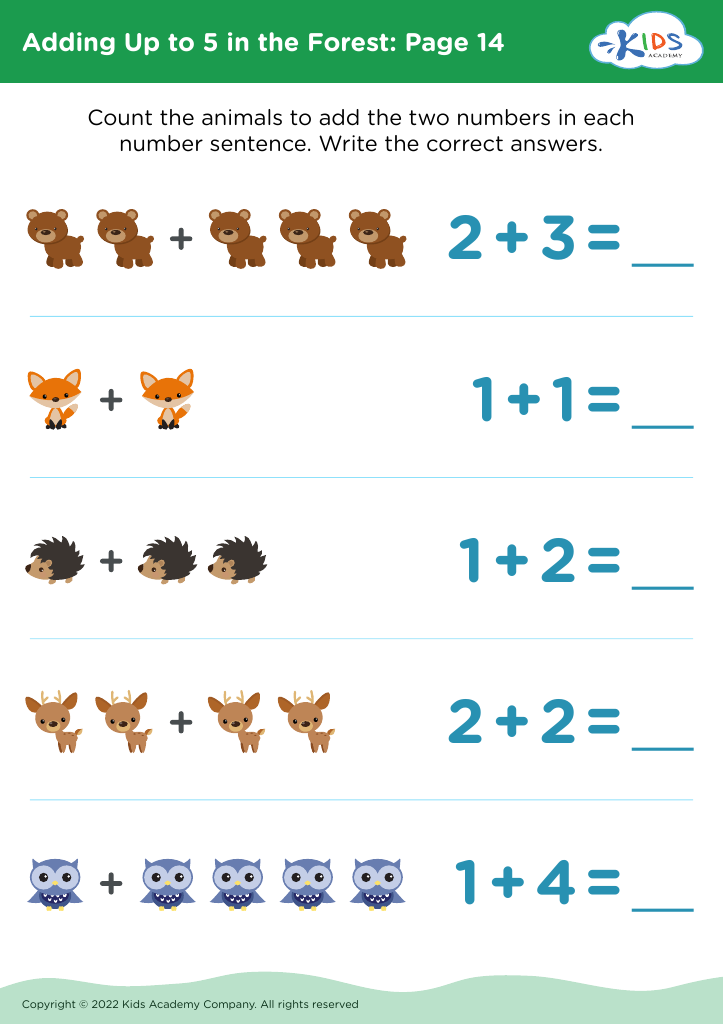
Adding Up to 5 in the Forest: Page 14
Worksheet
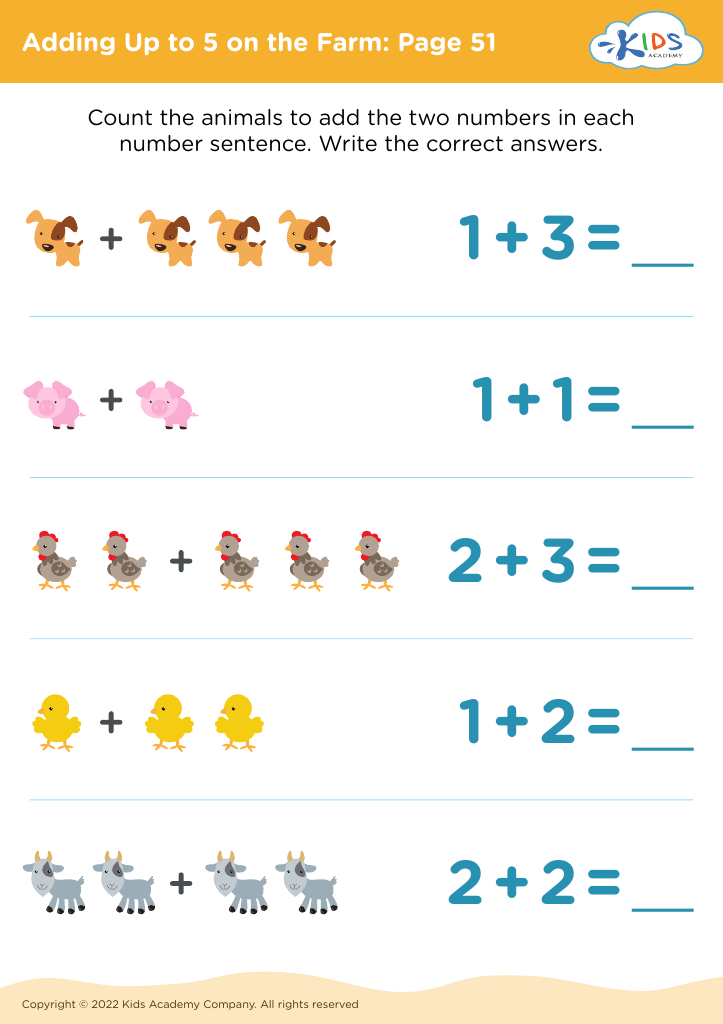
Adding Up to 5 on the Farm: Page 51
Worksheet
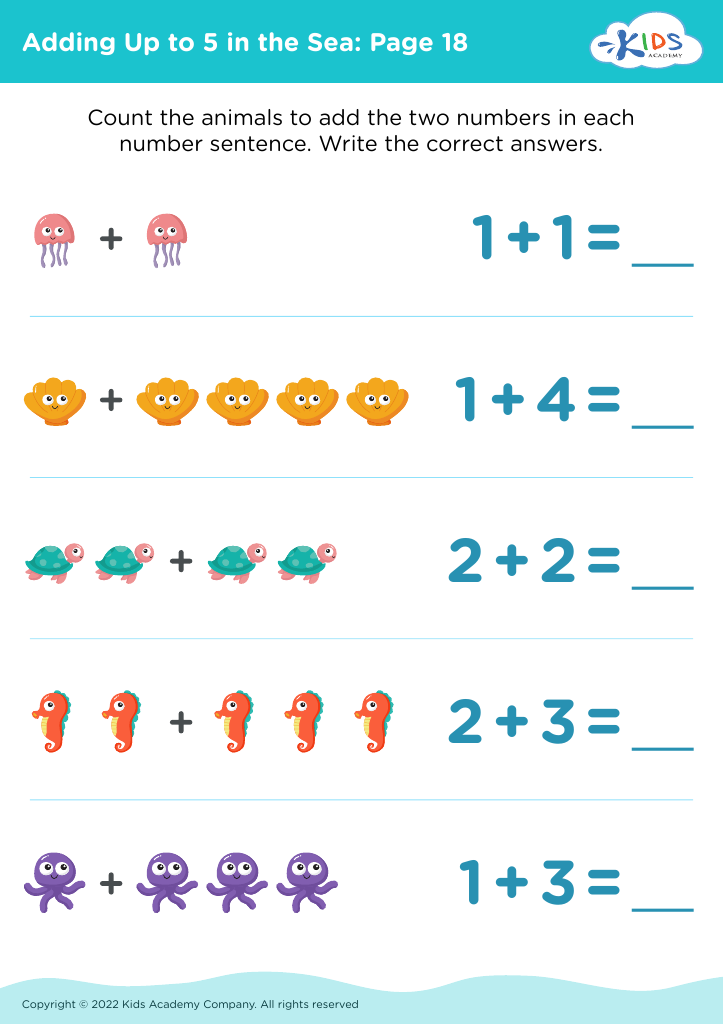
Adding Up to 5 in the Sea: Page 18
Worksheet
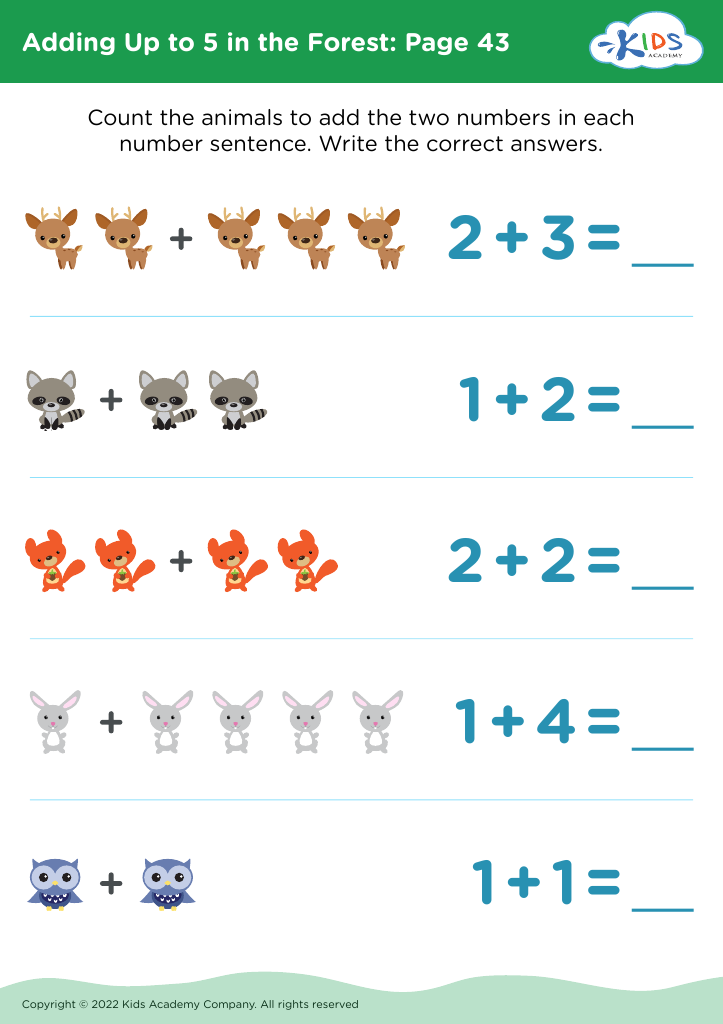
Adding Up to 5 in the Forest: Page 43
Worksheet
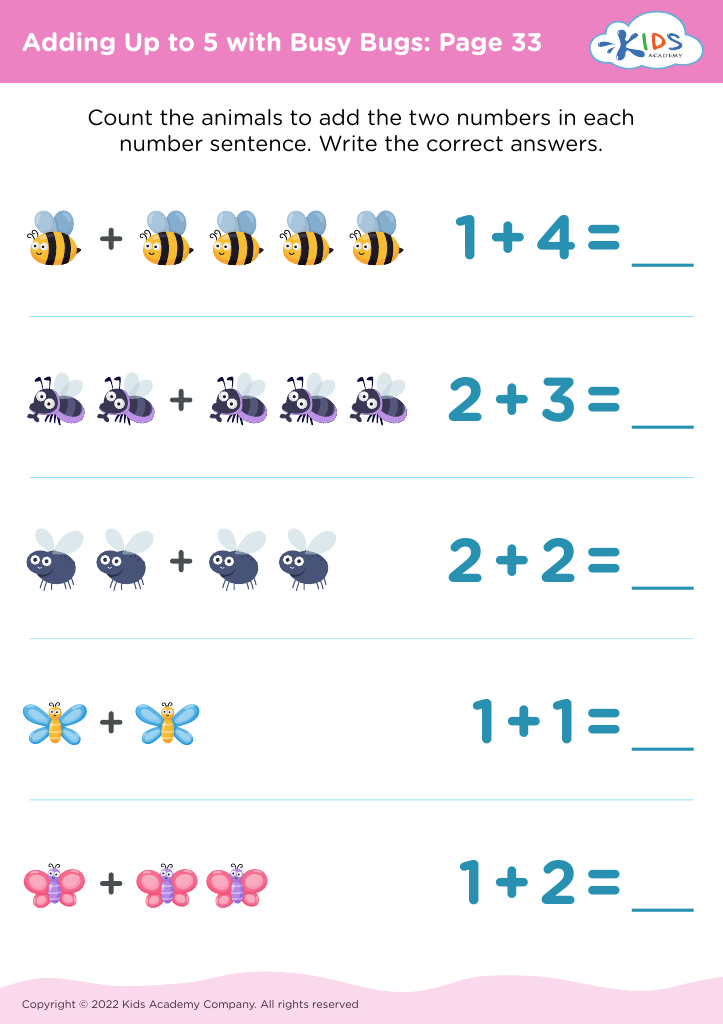
Adding Up to 5 with Busy Bugs: Page 33
Worksheet
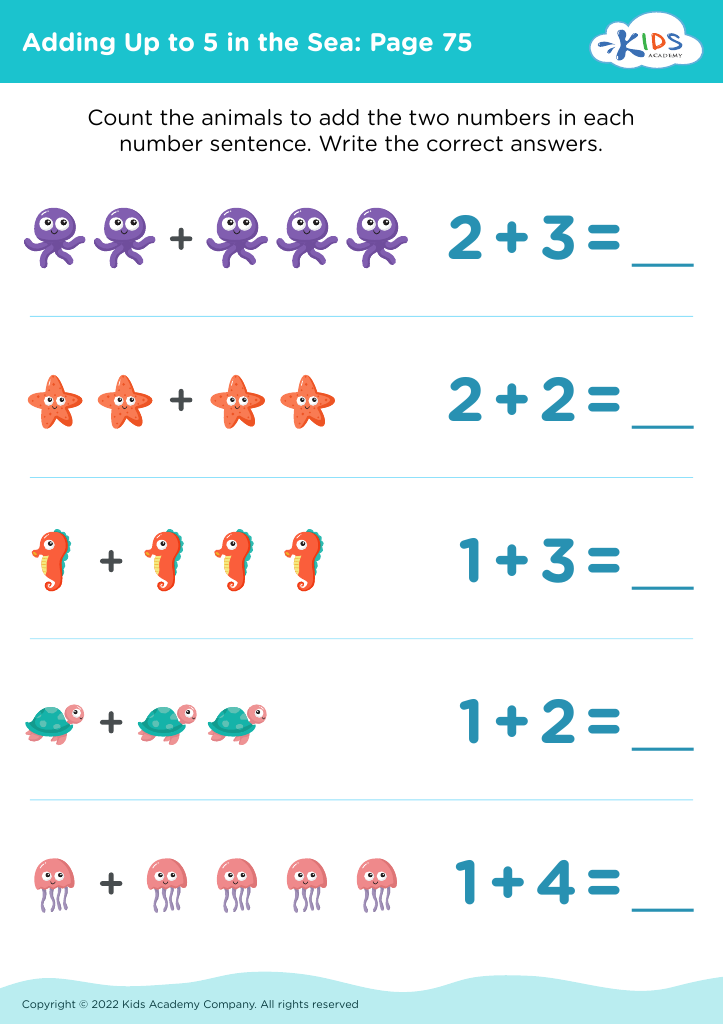
Adding Up to 5 in the Sea: Page 75
Worksheet
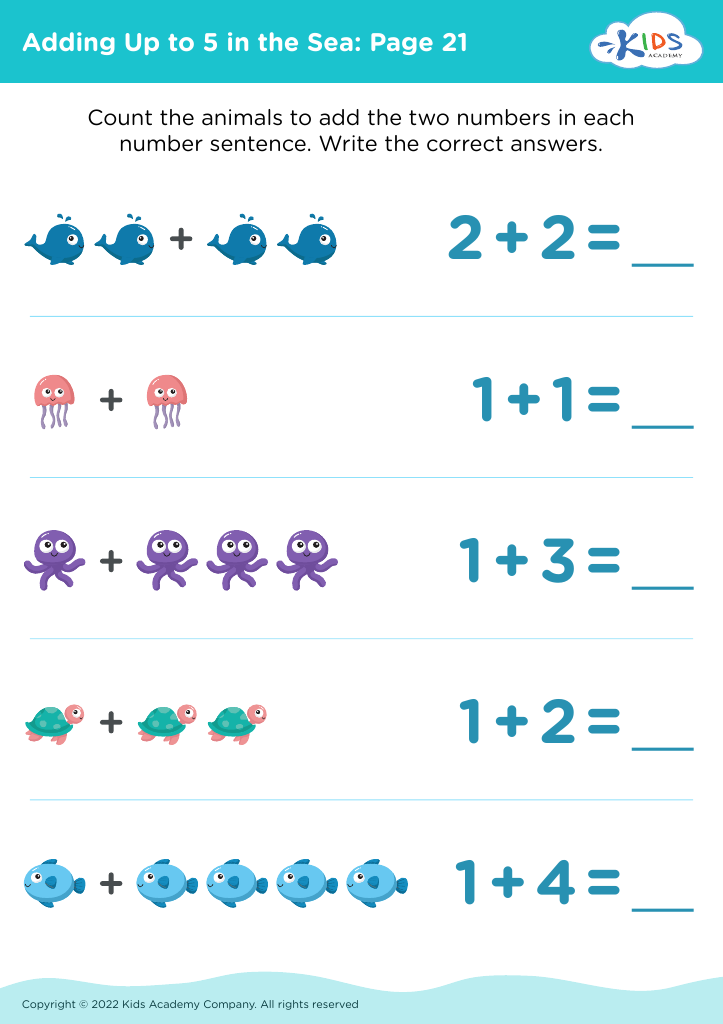
Adding Up to 5 in the Sea: Page 21
Worksheet
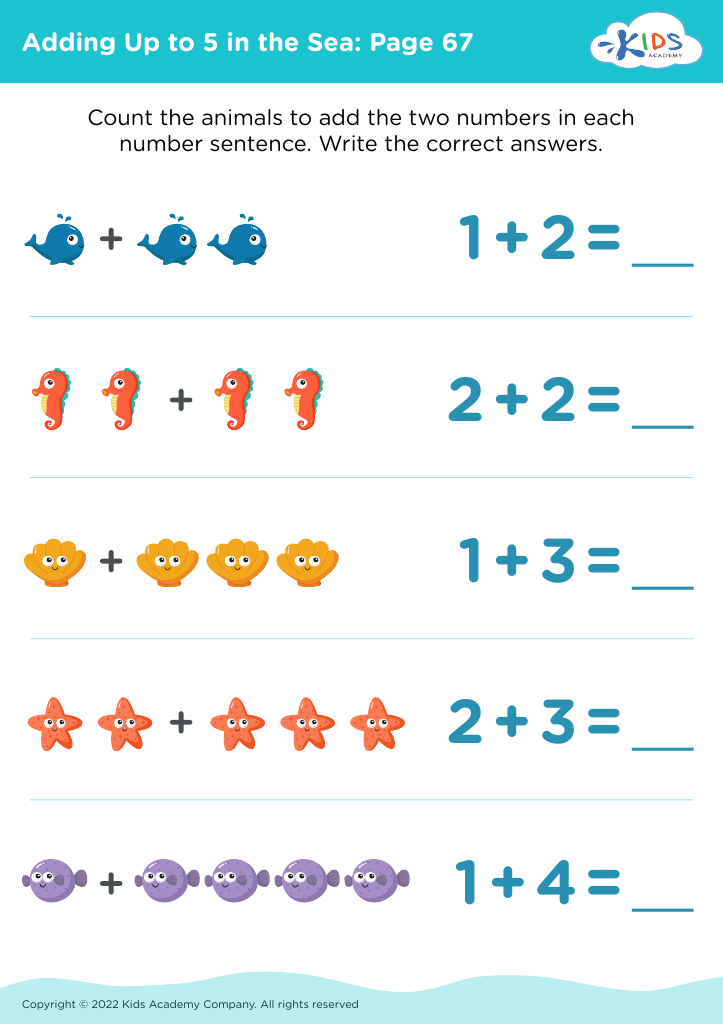
Adding Up to 5 in the Sea: Page 67
Worksheet
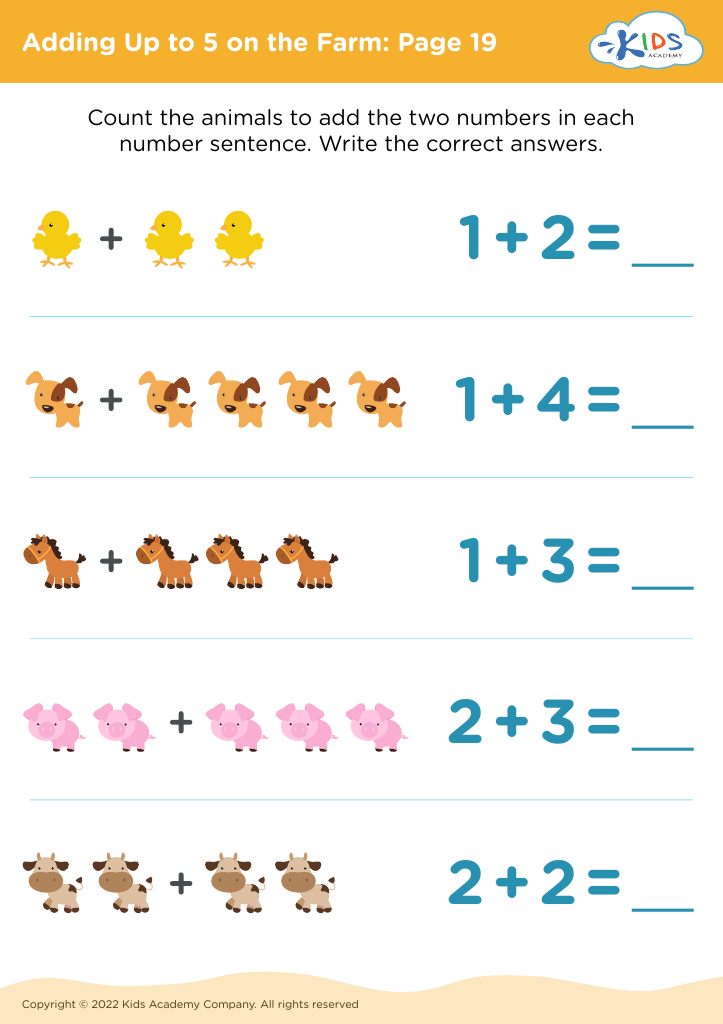
Adding Up to 5 on the Farm: Page 19
Worksheet
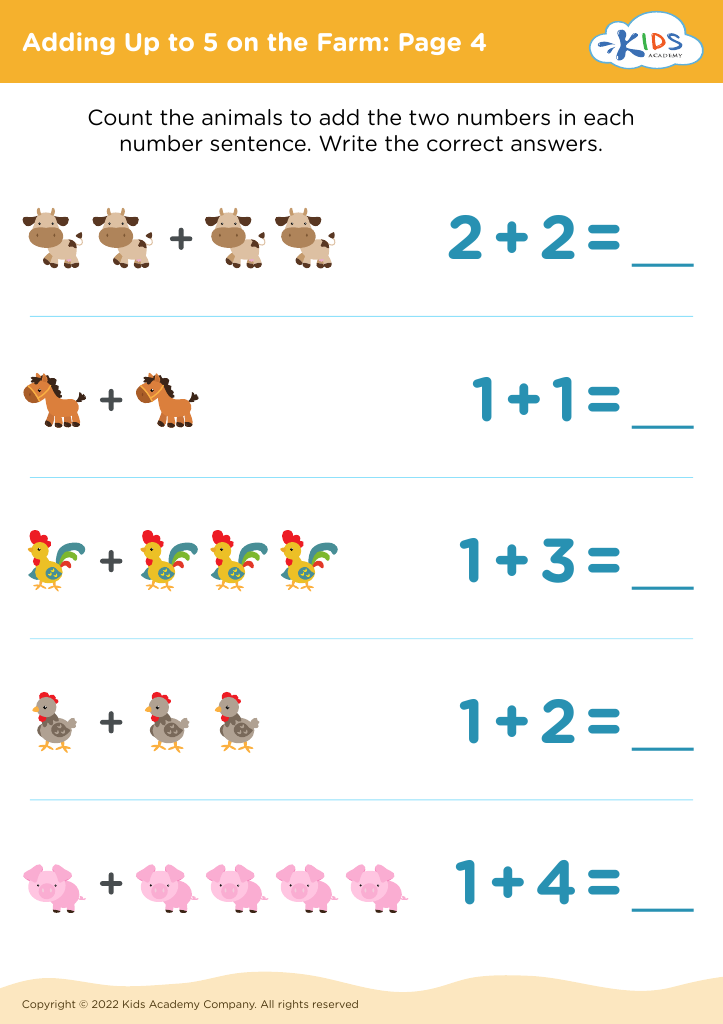
Adding Up to 5 on the Farm: Page 4
Worksheet
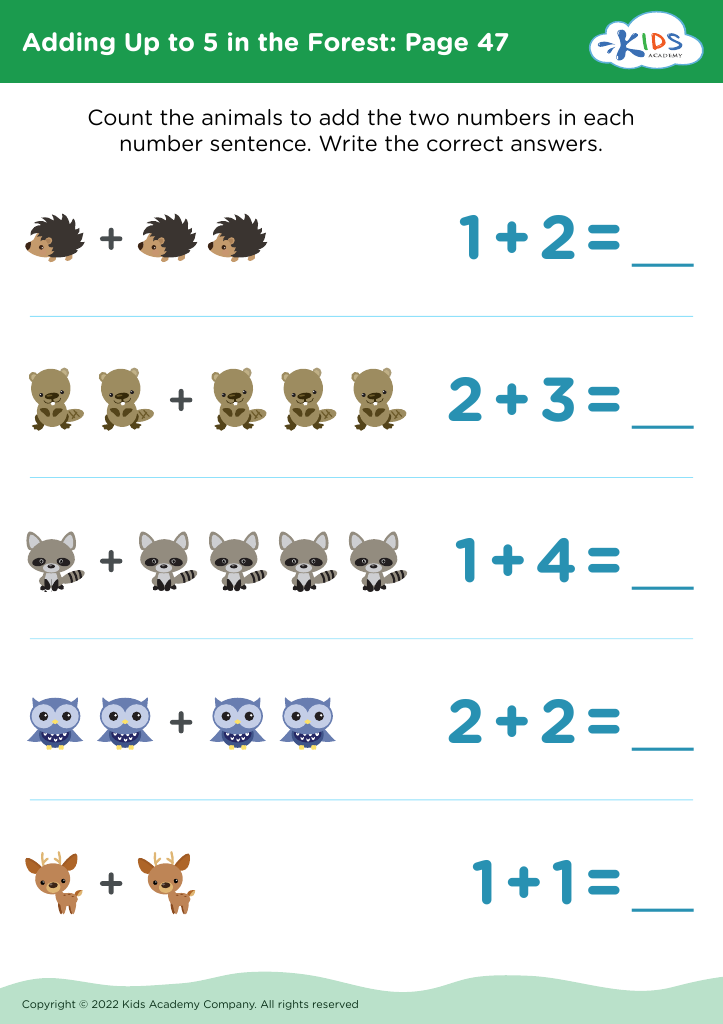
Adding Up to 5 in the Forest: Page 47
Worksheet
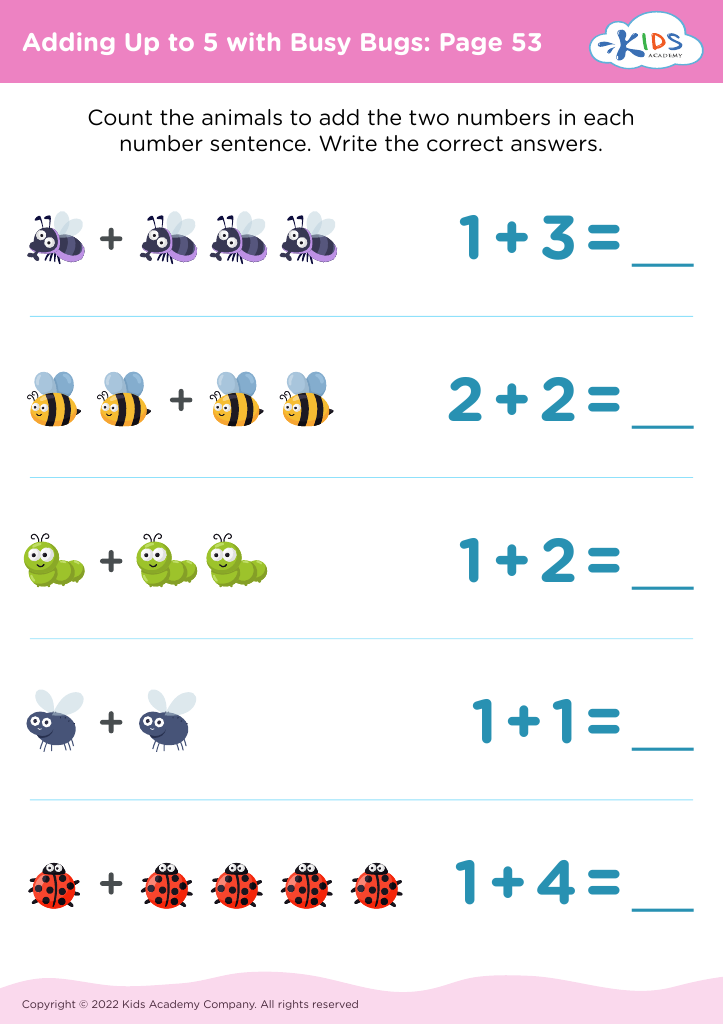
Adding Up to 5 with Busy Bugs: Page 53
Worksheet
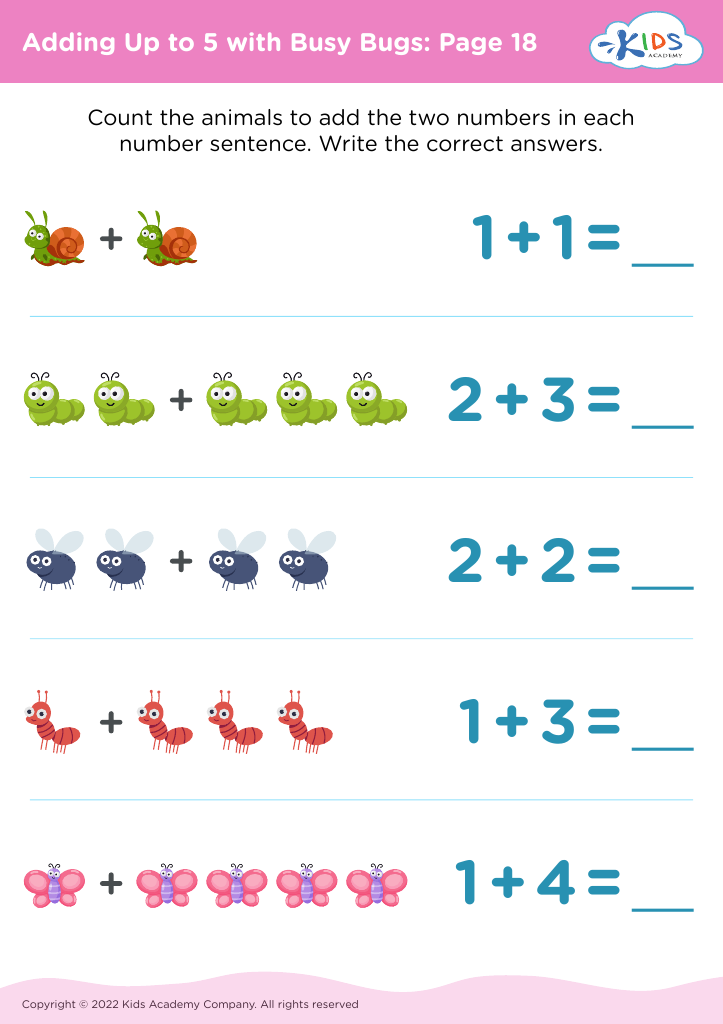
Adding Up to 5 with Busy Bugs: Page 18
Worksheet
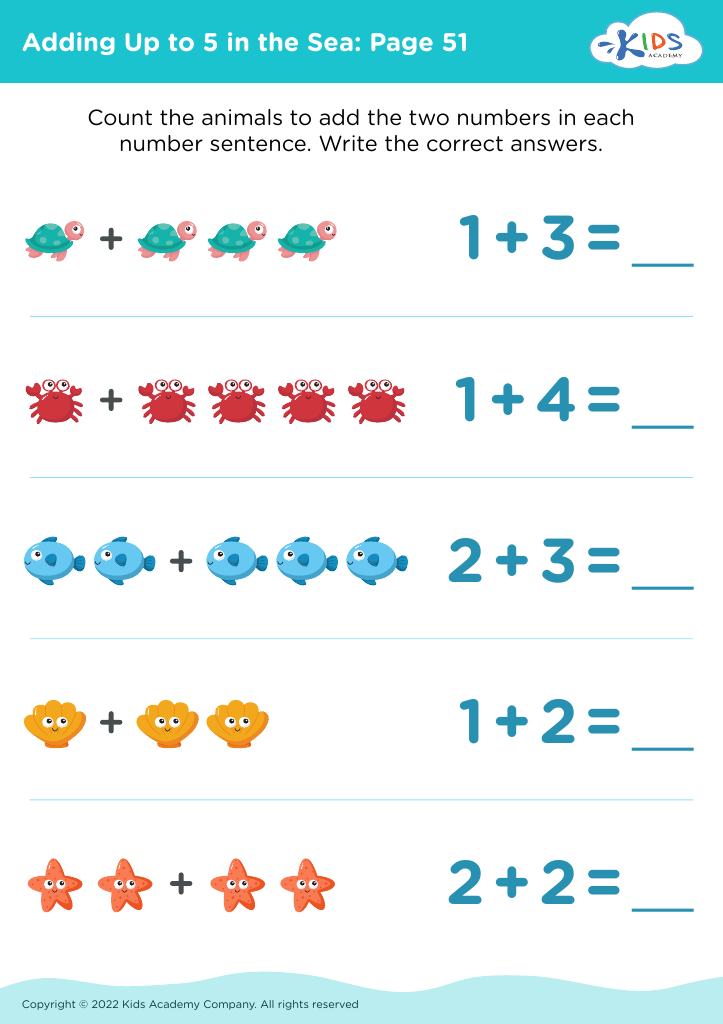
Adding Up to 5 in the Sea: Page 51
Worksheet
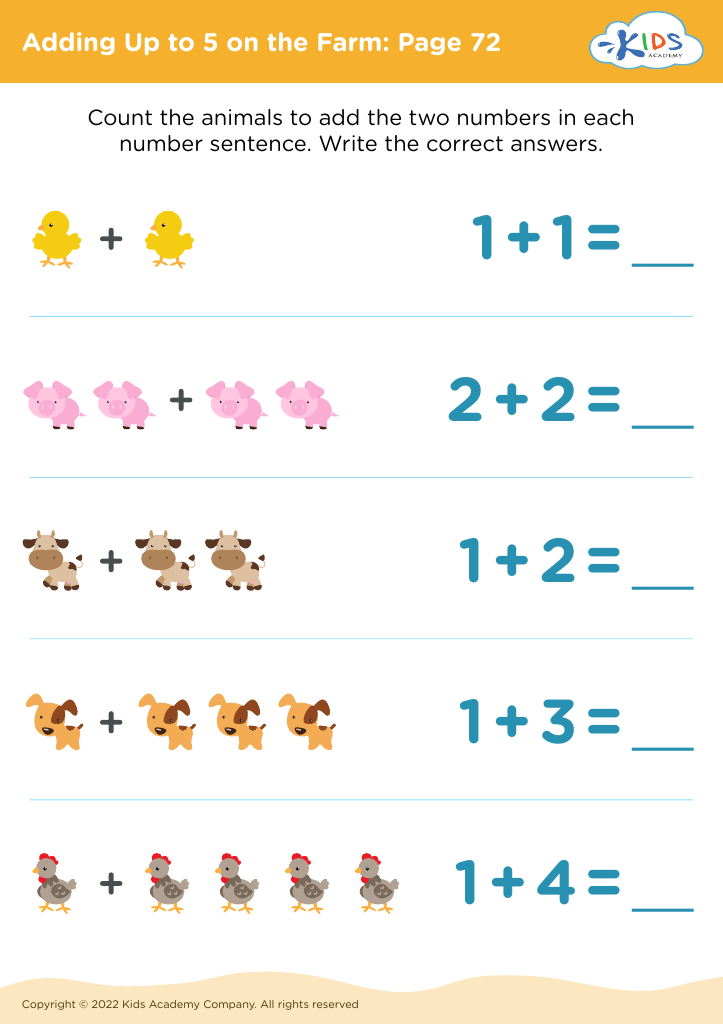
Adding Up to 5 on the Farm: Page 72
Worksheet
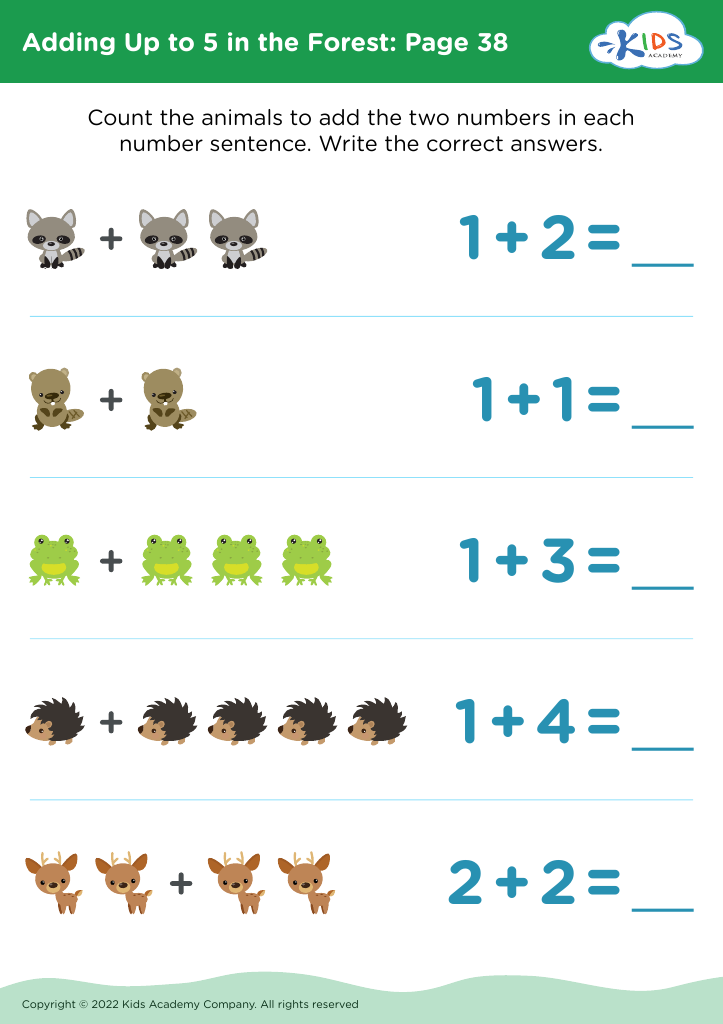
Adding Up to 5 in the Forest: Page 38
Worksheet
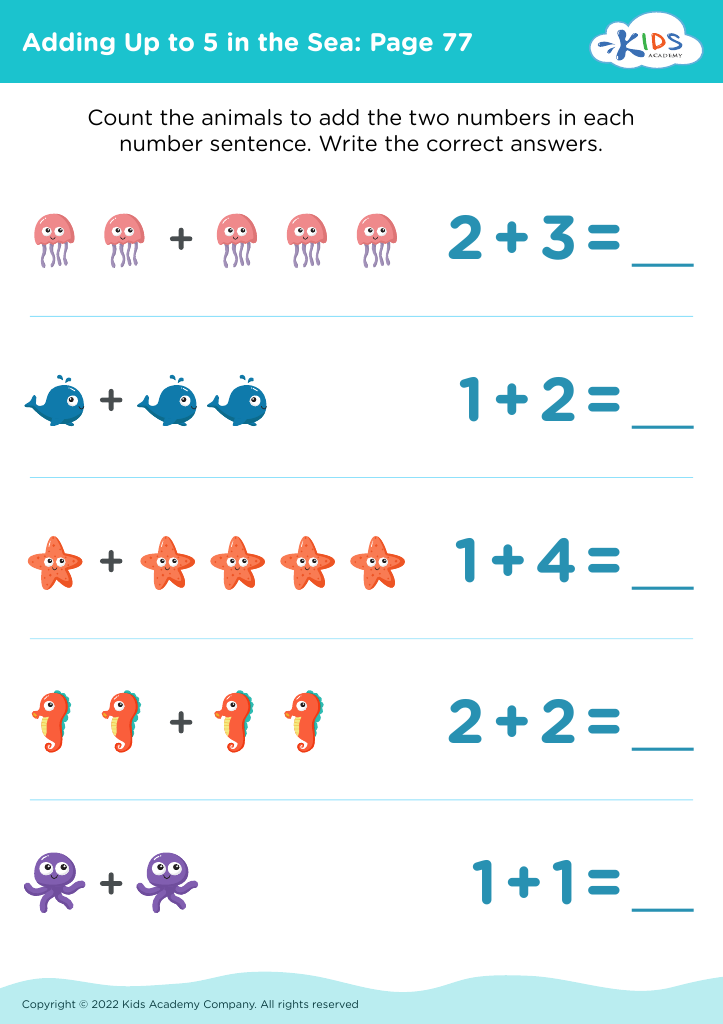
Adding Up to 5 in the Sea: Page 77
Worksheet
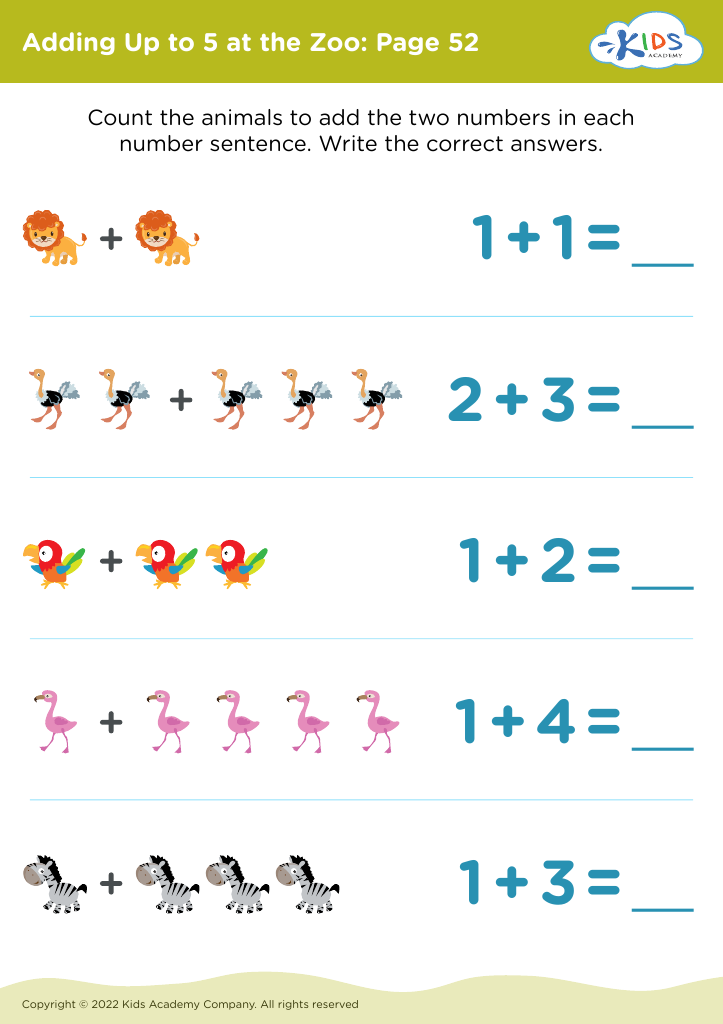
Adding Up to 5 at the Zoo: Page 52
Worksheet


Parents and teachers should prioritize basic addition and subtraction skills for 3-year-olds because early math proficiency forms the foundation for later academic success and critical thinking abilities. Introducing these concepts at a young age aligns with the cognitive developmental stage where children begin to recognize patterns and relationships. Early exposure to math concepts enhances number sense, helping children understand quantities, proportions, and basic arithmetic operations.

Developing basic addition and subtraction skills boosts a child's confidence and enthusiasm for learning. It allows them to engage meaningfully with everyday situations, such as sharing toys or understanding simple sequences, hence fostering practical problem-solving abilities. This early mathematical interaction also strengthens memory, attention, and fine motor skills through engaging activities like counting games and using tactile objects.

Beyond academic benefits, a positive introduction to math can shape a child's attitude towards the subject. Early success paves the way for future academic achievements, mitigating math anxiety, which can impact self-esteem and lifelong learning. Moreover, a collaborative learning environment at home and in educational settings helps establish a holistic approach, supporting children socially and emotionally as they navigate foundational life skills.

In sum, nurturing basic addition and subtraction skills in 3-year-olds is an essential step in fostering a well-rounded, confident, and capable young learner, establishing a strong academic beginning with skills that are applicable throughout their lives.