
Basic Math understanding Addition & Subtraction Worksheets for 3-Year-Olds
7 filtered results
Difficulty Level
Grade
Age
-
From - To
Subject
Activity
Standards
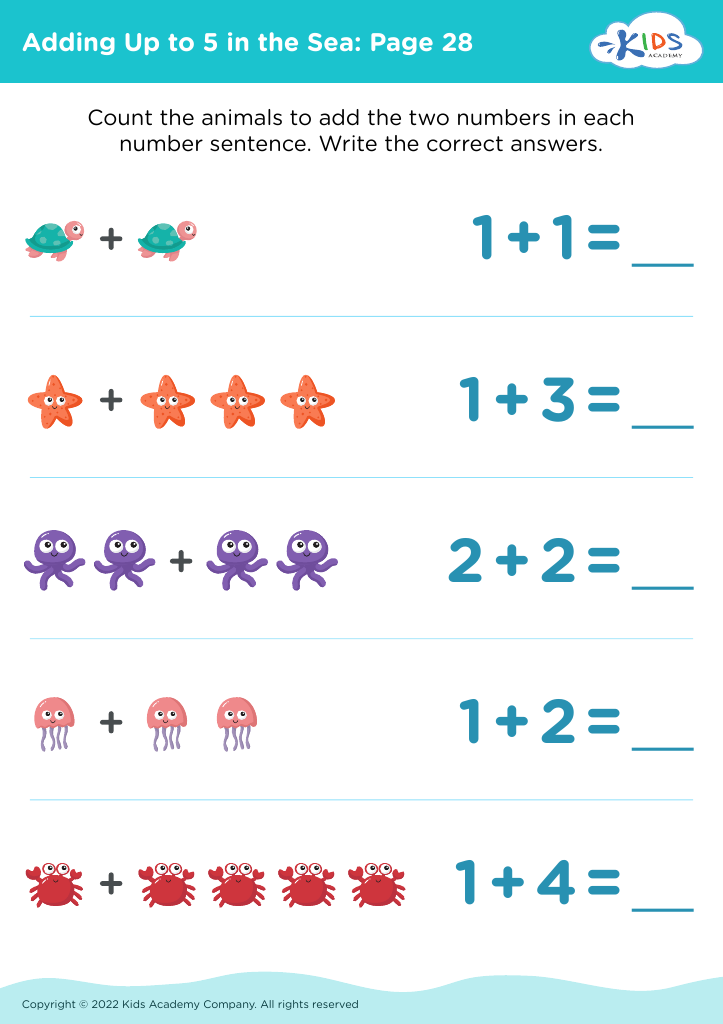
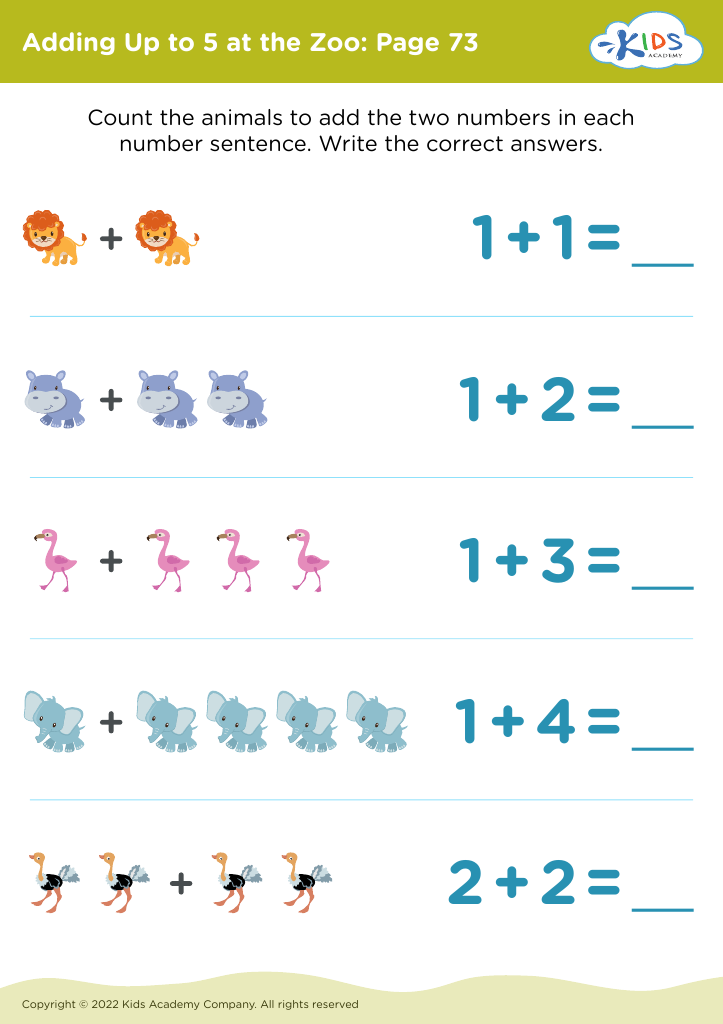
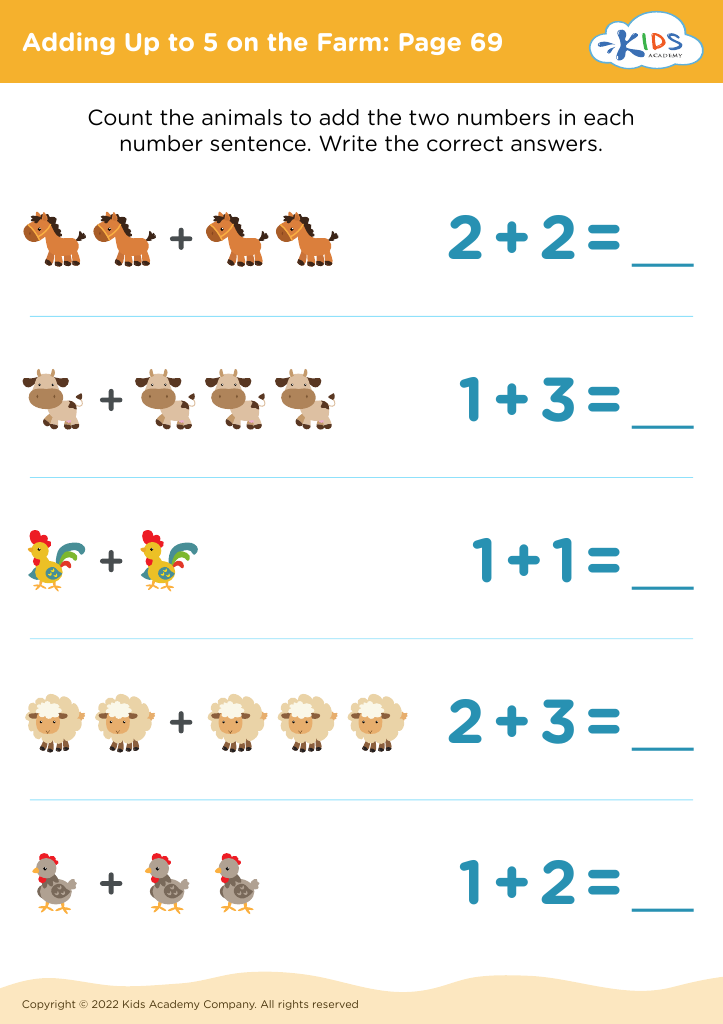
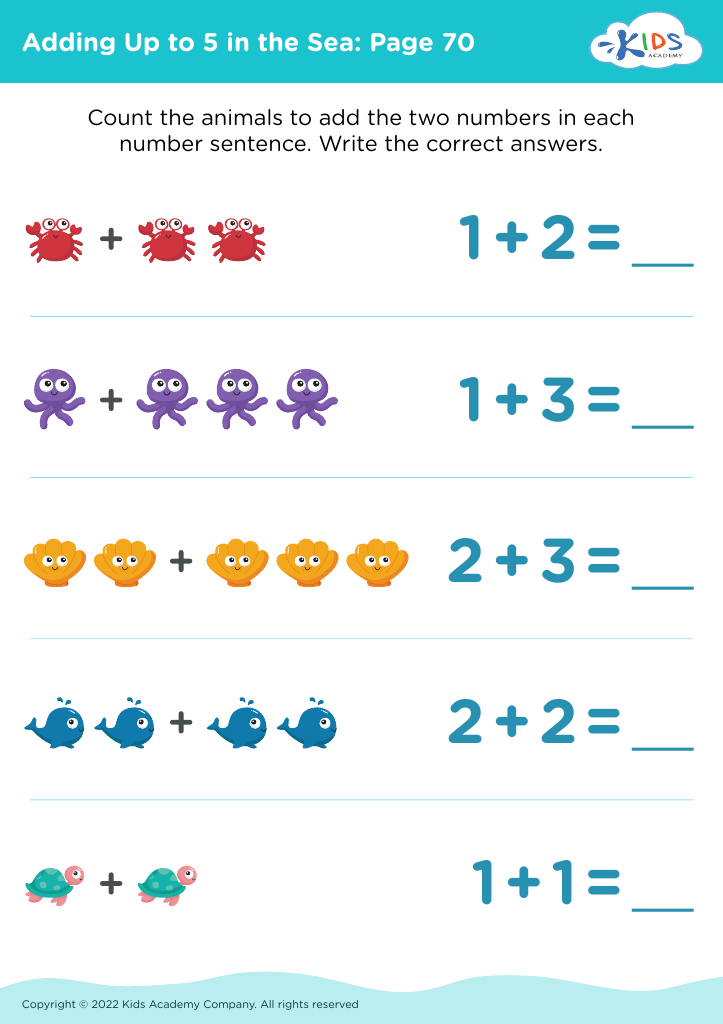
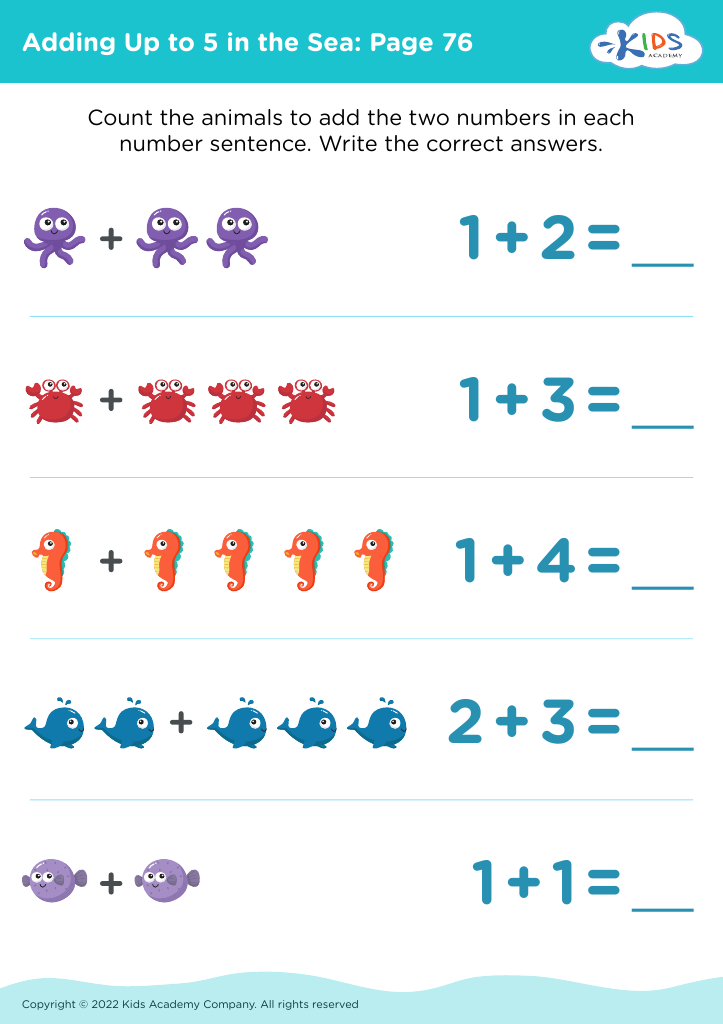
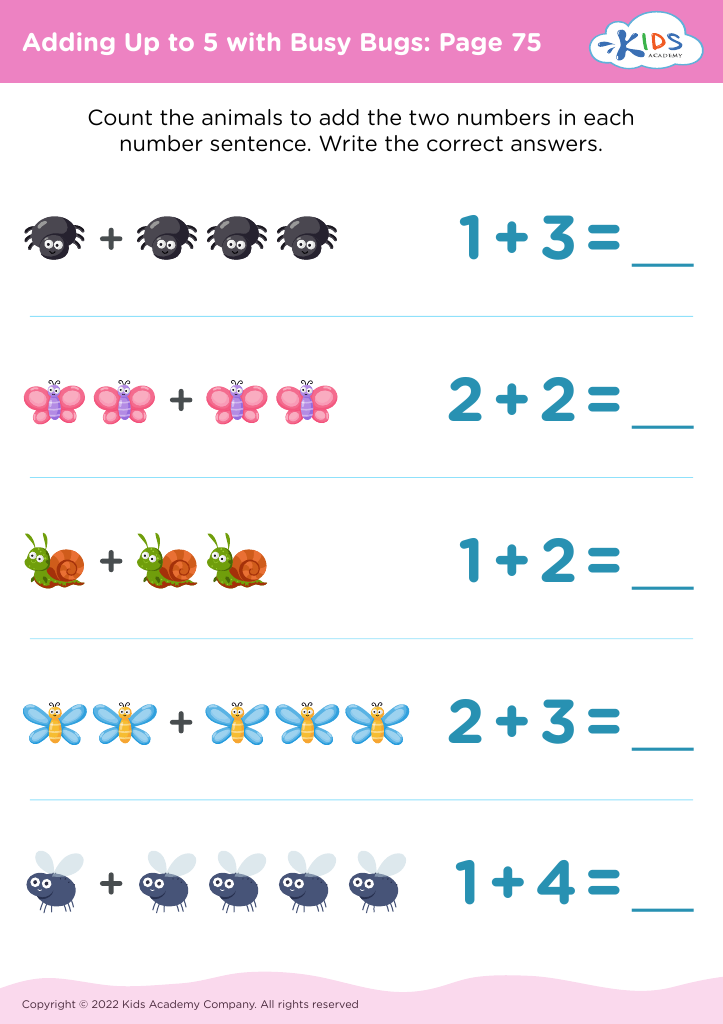
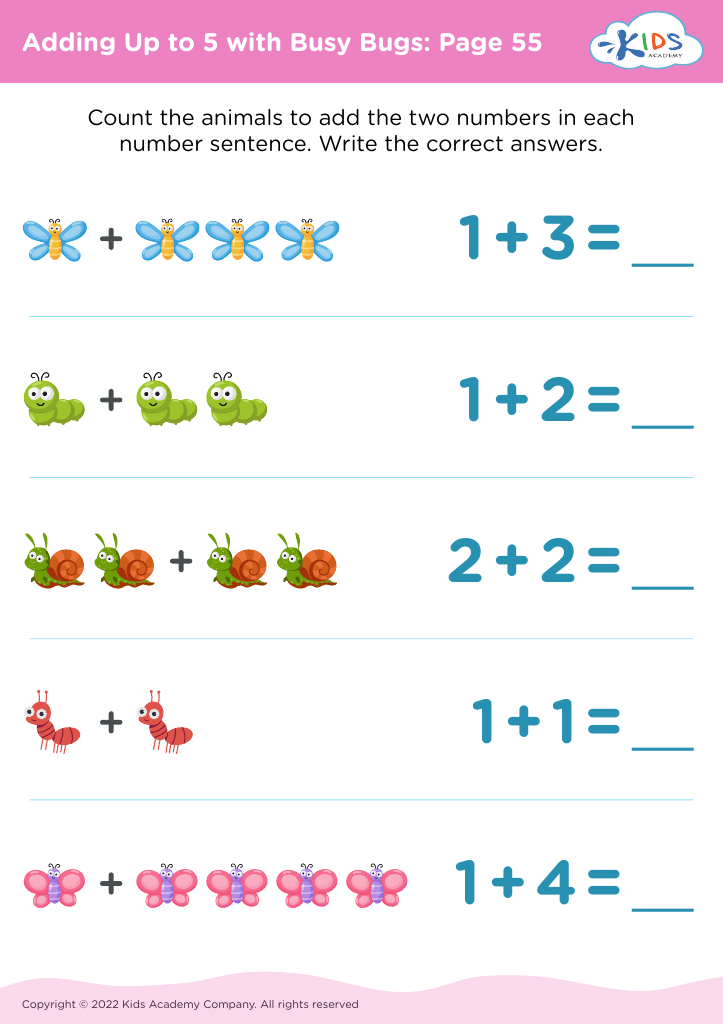
Unlock your child's potential with our "Basic Math Understanding: Addition & Subtraction Worksheets for 3-Year-Olds." Designed to build foundational math skills, these worksheets make learning fun and engaging. Featuring colorful graphics and simple exercises, each worksheet helps young children grasp basic addition and subtraction concepts with ease. Perfect for preschoolers, our resources are developed by educational professionals to ensure they are age-appropriate and effective. Whether at home or in the classroom, watch your little ones develop confidence and a love for math from an early age. Visit Kids Academy to get started!
Favorites
With answer key
Interactive
Join Kids Academy for Free
Who is primarily going to use this learning content?








Understanding basic math concepts like addition and subtraction at an early age can significantly benefit a child's cognitive development, paving the way for future academic success. For 3-year-olds, engaging in activities that bolster basic math skills develops critical thinking, problem-solving abilities, and logical reasoning. Early exposure to these concepts builds a strong numerical foundation, making advanced math easier to grasp later on.
Parents and teachers play a crucial role in this developmental phase by nurturing a child's natural curiosity about numbers and patterns. Whether through counting games, interactive storybooks, or simple hands-on activities, consistent and playful engagement with math equips young children with the confidence to tackle more complex mathematical challenges.
Additionally, understanding basic math fosters practical life skills. Addition and subtraction are integral to various daily activities, such as sharing toys or snacks, which help children appreciate the principles of fairness and resource management. Early fluency in these concepts can also instill a positive attitude towards learning, reducing math anxiety as they grow older.
In summary, prioritizing basic math for 3-year-olds is crucial. It promotes a blend of cognitive skills and practical knowledge, creating a sturdy academic groundwork and engendering a lifelong appreciation for learning and intellectual discovery.








