Critical Thinking Addition & Subtraction Worksheets for 3-Year-Olds
5 filtered results
-
From - To
Discover an engaging collection of Critical Thinking Addition & Subtraction Worksheets designed for 3-year-olds! Our worksheets promote essential math skills while fostering curiosity and problem-solving abilities. With vibrant illustrations and age-appropriate activities, children will explore basic addition and subtraction concepts in a fun and interactive way. Each worksheet is crafted to challenge young minds, encouraging them to think critically and develop a solid foundation in math. Perfect for use at home or in preschool settings, these resources support cognitive growth and make learning enjoyable. Help your little learners embark on their math journey today with our creative and educational worksheets!
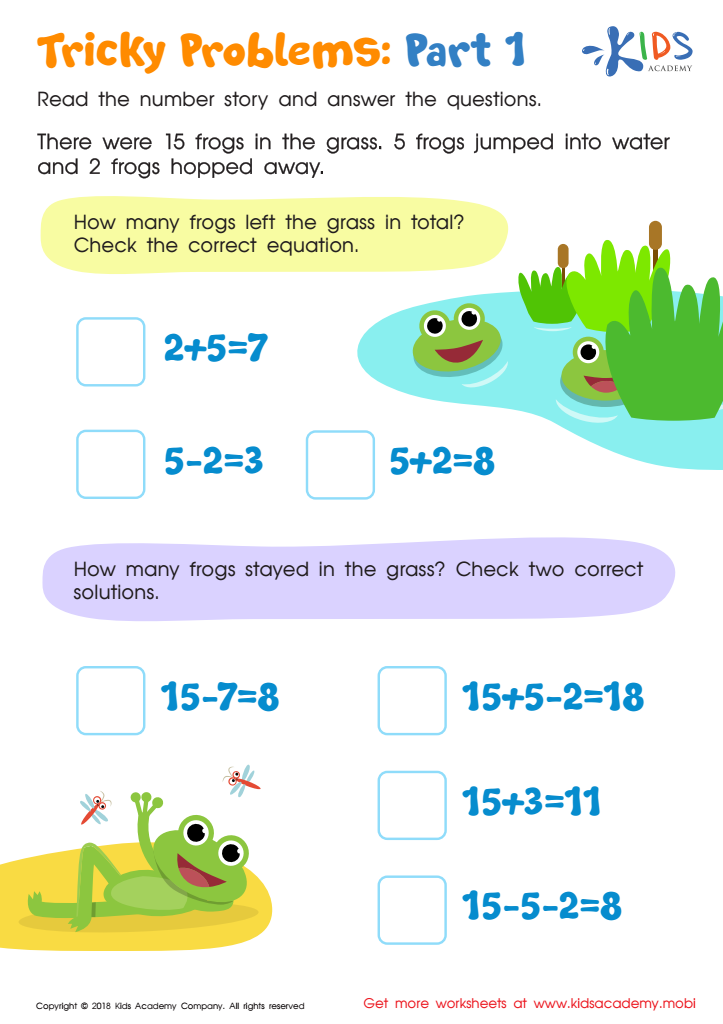
Tricky Problems Worksheet: Part 1
 Assign to My Students
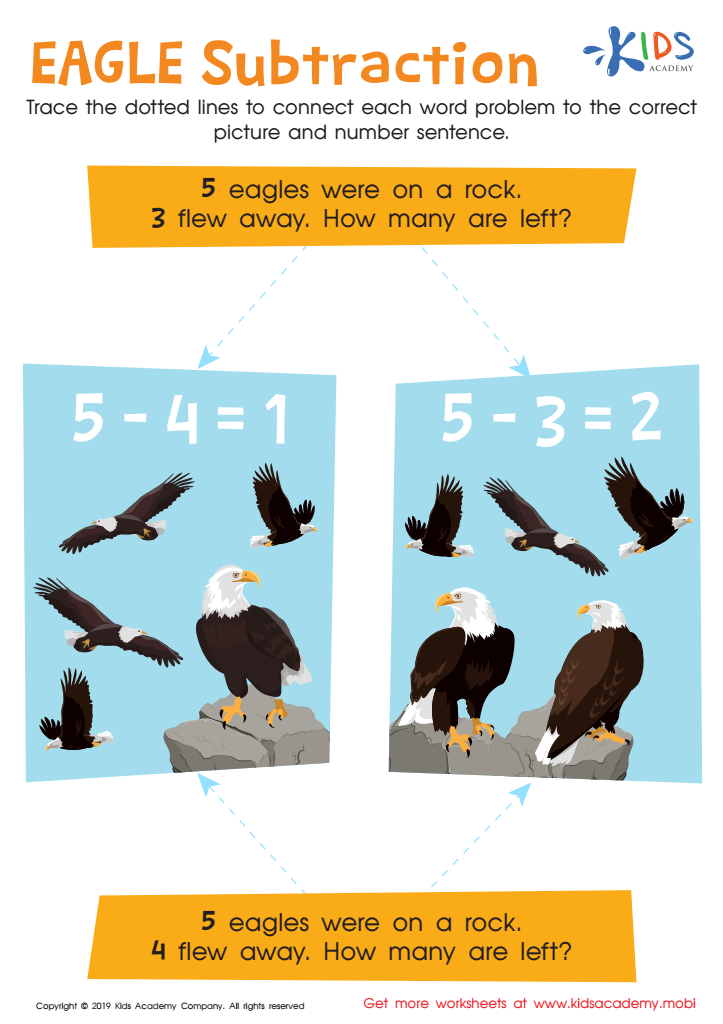
Eagle Subtraction Worksheet
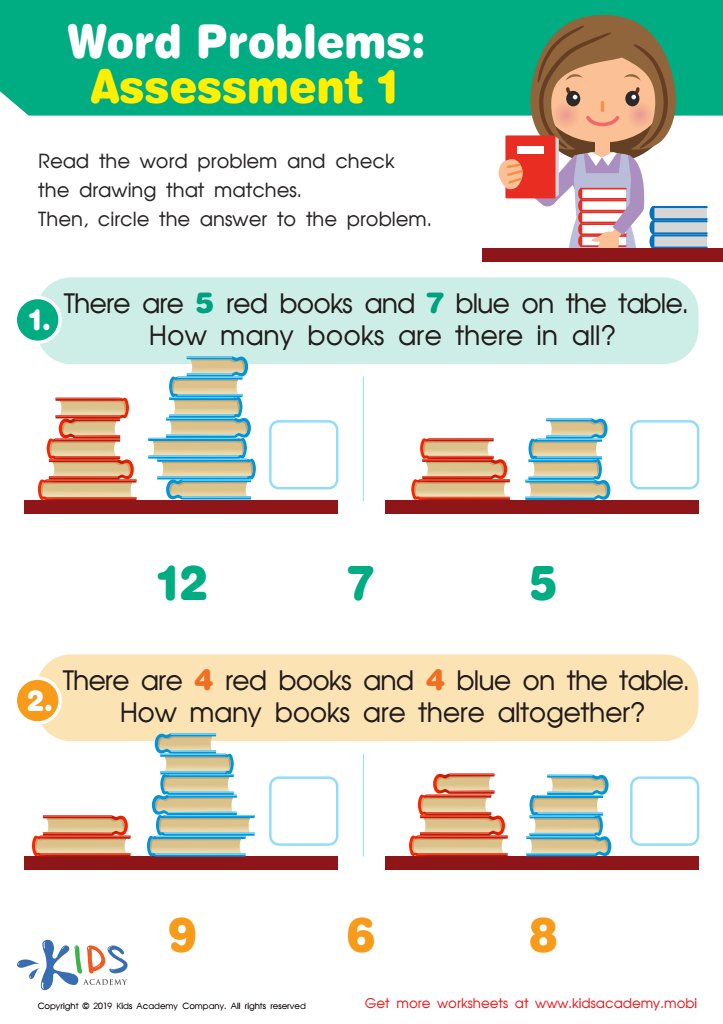
Word Problems: Assessment 1 Worksheet
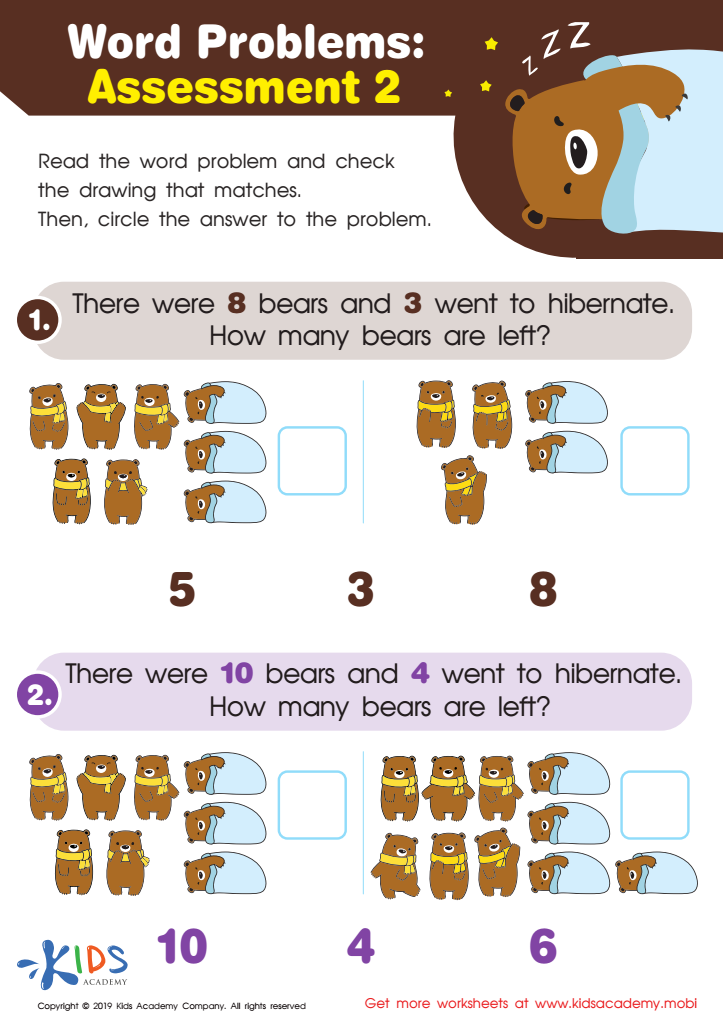
Word Problems: Assessment 2 Worksheet
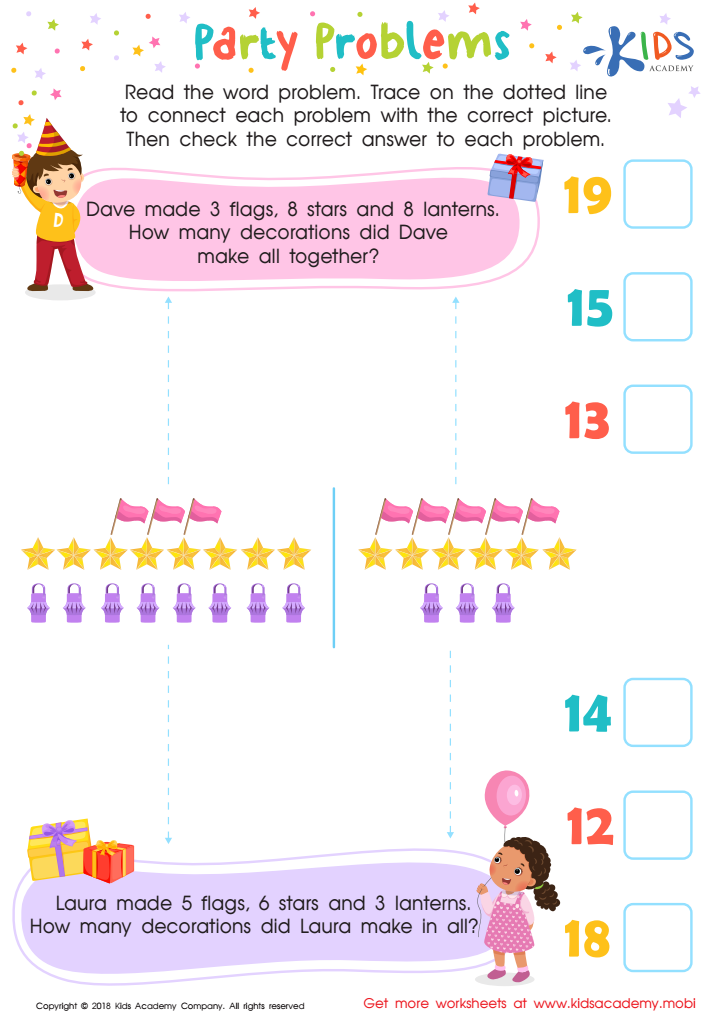
Party Problems Worksheet








Parents and teachers should prioritize critical thinking addition and subtraction for 3-year-olds, as it lays a strong foundation for their cognitive and problem-solving abilities. At this age, children are naturally curious and eager to experiment with concepts through play. Introducing basic math concepts in a fun and engaging way enhances their critical thinking skills, allowing them to analyze, evaluate, and synthesize information as they solve simple problems.
Moreover, fostering these skills at an early age encourages a love for learning and builds confidence in their abilities. When children engage in activities such as grouping, counting, and manipulating objects, they not only grasp mathematical concepts but also develop patience and perseverance. These skills are essential for complex reasoning later on.
Additionally, incorporating critical thinking enhances social and emotional development as children learn to work collaboratively, communicate their thought processes, and listen to different viewpoints. As they explore patterns, comparisons, and quantities in various contexts, they develop a more profound understanding of the world around them. Overall, nurturing critical thinking in young children prepares them for academic success, equipping them with essential skills that transcend math alone and are vital in everyday problem-solving scenarios.








