
Math fluency Addition & Subtraction Worksheets for 3-Year-Olds
3 filtered results
Difficulty Level
Grade
Age
-
From - To
Subject
Activity
Standards
Discover our engaging Math Fluency Addition and Subtraction Worksheets, specially designed for 3-year-olds! These colorful, interactive resources promote essential early math skills by introducing concepts of basic addition and subtraction in a fun and accessible way. Each worksheet is crafted to enhance number recognition, counting, and problem-solving abilities, helping little learners build their confidence and fluency in math. Ideal for parents and teachers, our worksheets make learning enjoyable and effective, ensuring that your child develops a strong foundation in mathematics. Explore our collection now and watch your child's math skills grow while they play and learn!
Favorites
With answer key
Interactive
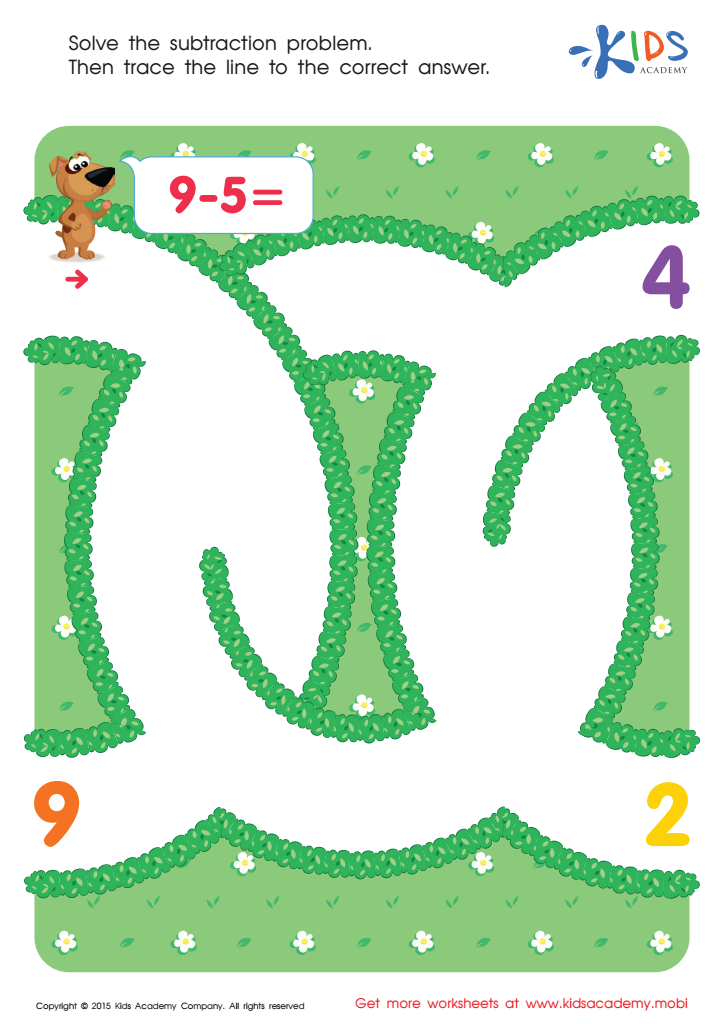
Subtraction Nine And Five Worksheet
Trace the path to the right answer and help the dog find its way out of the maze. Have fun while learning subtraction! (80 words)
 Assign to My Students
Subtraction Nine And Five Worksheet
Worksheet
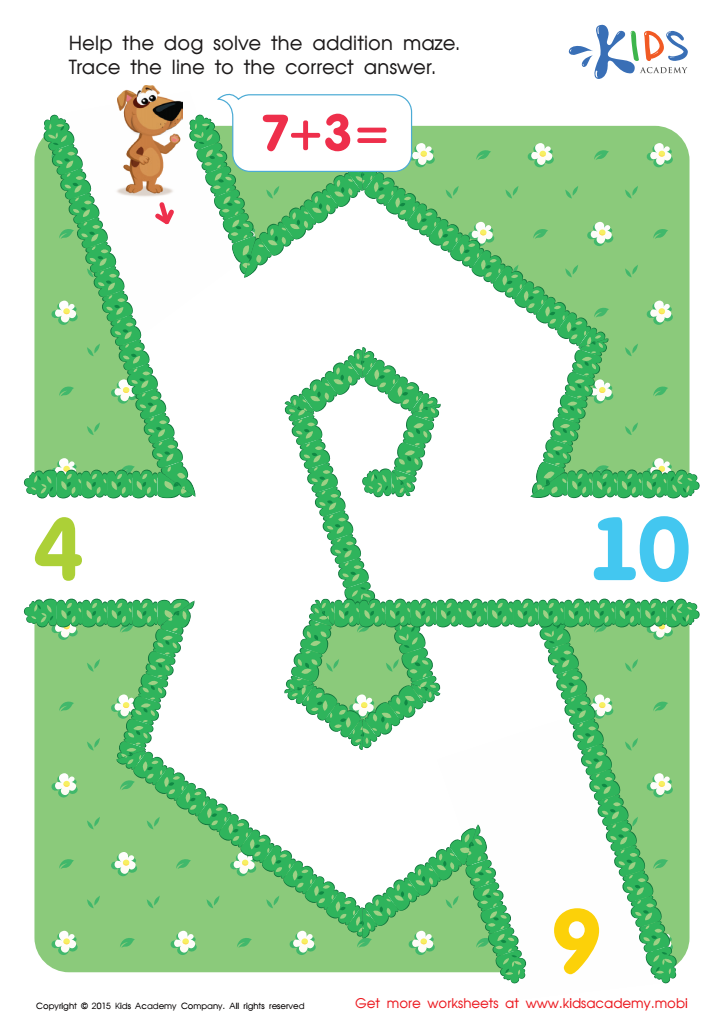
Seven Plus Three Worksheet
Practice addition and subtraction with your kids, help them out and make learning math an enjoyable activity.
Seven Plus Three Worksheet
Worksheet
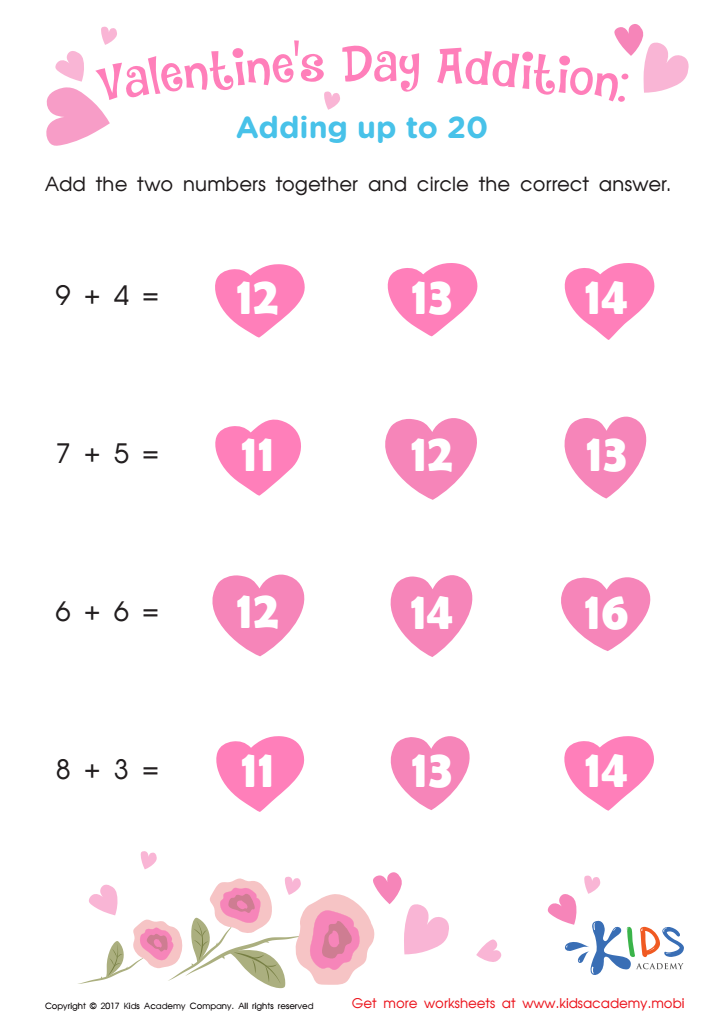
Valentine's Day Addition Worksheet
This Valentine's Day themed worksheet is a fun way for your child to practice adding single digits up to 20! Hearts feature to help your child increase their math skills and have fun at the same time.
Valentine's Day Addition Worksheet
Worksheet
Join Kids Academy for Free
Who is primarily going to use this learning content?








Math fluency in addition and subtraction for 3-year-olds is crucial for several reasons. First, developing these foundational skills encourages critical thinking and problem-solving abilities early in a child’s education. At this age, children are inherently curious, and engaging them in simple mathematical concepts supports cognitive development.
Secondly, early exposure to math concepts helps instill confidence. When children practice addition and subtraction through playful activities—like counting toys or sharing snacks—they build a solid base, helping reduce anxiety towards math as they grow older. This can contribute to a positive attitude towards learning in general.
Moreover, fostering math fluency aids in the development of language skills. The vocabulary associated with numbers, quantities, and operations deepens their understanding and enhances communication. This sets a precedent for future learning not just in math, but in all areas.
Furthermore, early math skills promote better social interactions, as children learn to collaborate during games and share resources. Overall, focusing on math fluency in early childhood nurtures holistic development, preparing children for academic success while instilling a love for learning that lasts a lifetime. Parents and teachers play a pivotal role in this developmental journey, thus emphasizing the importance of these skills.








