Understanding numerical values Addition & Subtraction Worksheets for 3-Year-Olds
4 filtered results
-
From - To
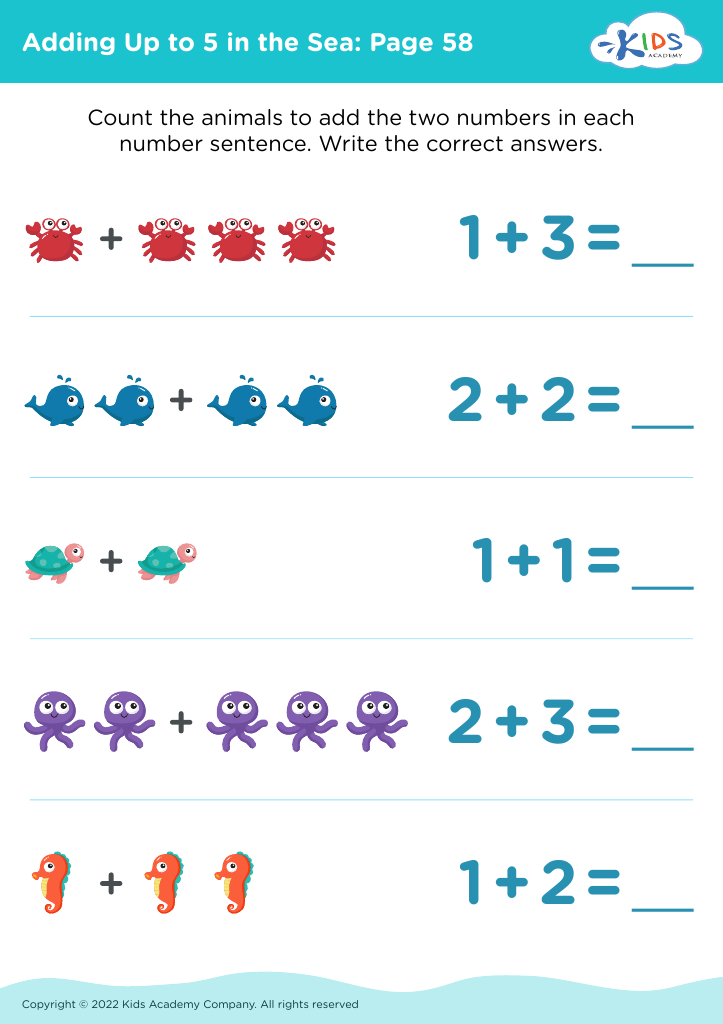
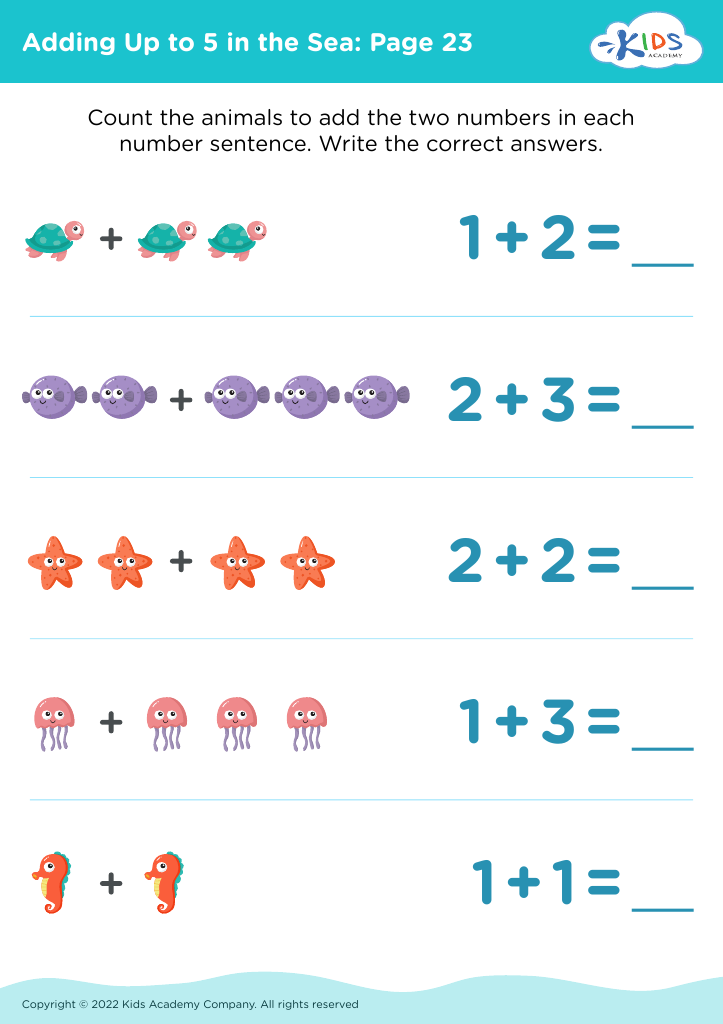
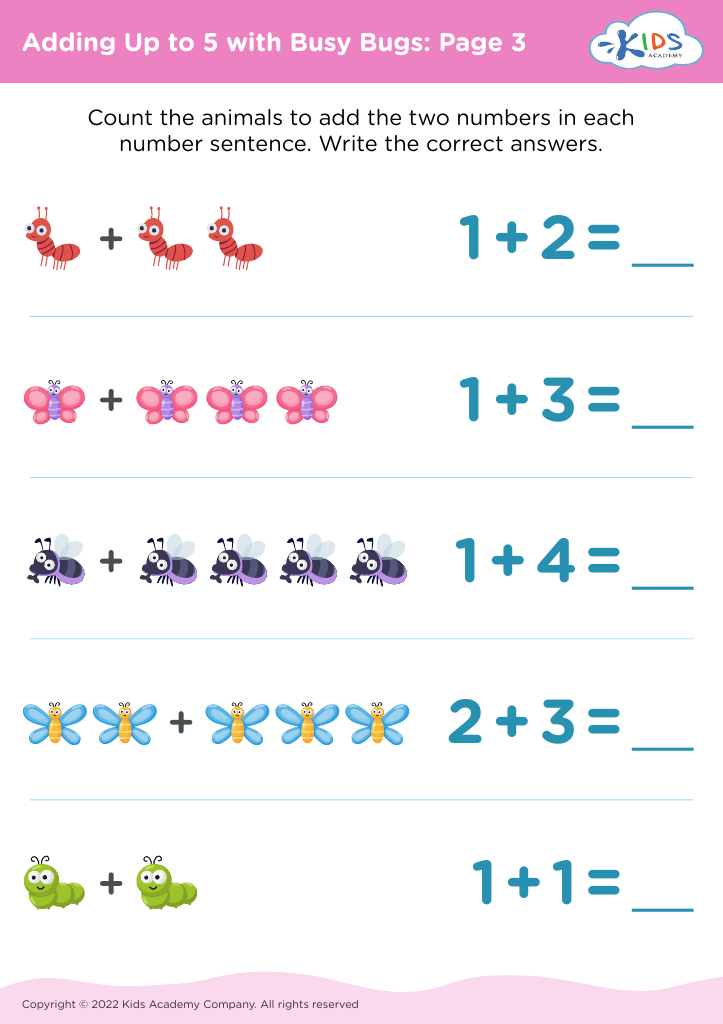
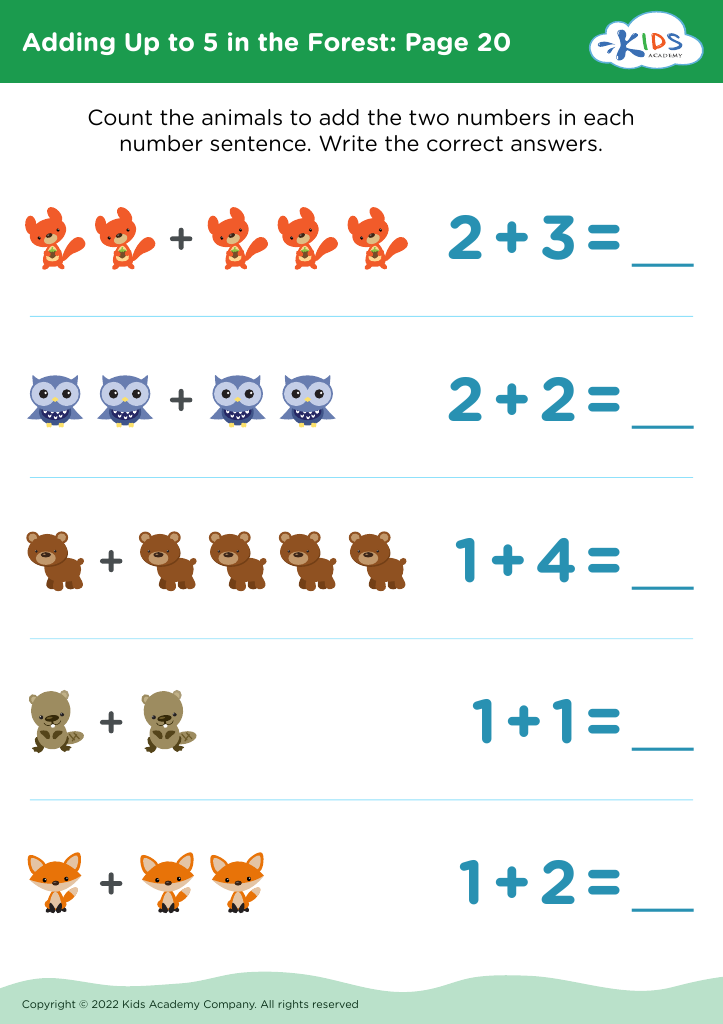
Discover our engaging "Understanding Numerical Values Addition & Subtraction Worksheets for 3-Year-Olds"! Designed to introduce young learners to the fundamentals of numbers, these worksheets foster a foundational understanding of basic math concepts. Through interactive activities, children will practice recognizing and comparing numerical values while developing their addition and subtraction skills. Engaging illustrations and fun exercises inspire curiosity and make learning enjoyable. Perfect for both classroom and home use, our carefully crafted worksheets support early math literacy, encourage problem-solving, and build confidence in young learners. Start your child's journey to mathematical success today with our delightful resources!








Understanding numerical values, including addition and subtraction, is crucial for 3-year-olds as it lays the foundation for future math skills. At this age, children are naturally curious and eager to learn about the world around them, which makes it an optimal time to introduce basic mathematical concepts.
When parents and teachers focus on early numeracy skills, they help children develop critical thinking abilities and cognitive skills. Recognizing numerical values enhances problem-solving aptitude and analytical reasoning, allowing children to make connections between numbers and their real-world applications. For instance, through playful activities, children learn to count their toys, share snacks, and understand the concept of more or less, which fosters both social and emotional development.
Moreover, early exposure to addition and subtraction helps to demystify math, reducing anxiety surrounding the subject in later years. It promotes a positive attitude towards learning while establishing a solid groundwork for more complex math concepts in preschool and beyond. By incorporating fun, engaging activities that include counting, singing number songs, or playing simple games, parents and teachers can nurture a lifelong love for learning, ensuring that children are well-prepared for their educational journey ahead.








