
Visual perception improvement Addition & Subtraction Worksheets for 3-Year-Olds
5 filtered results
Difficulty Level
Grade
Age
-
From - To
Subject
Activity
Standards
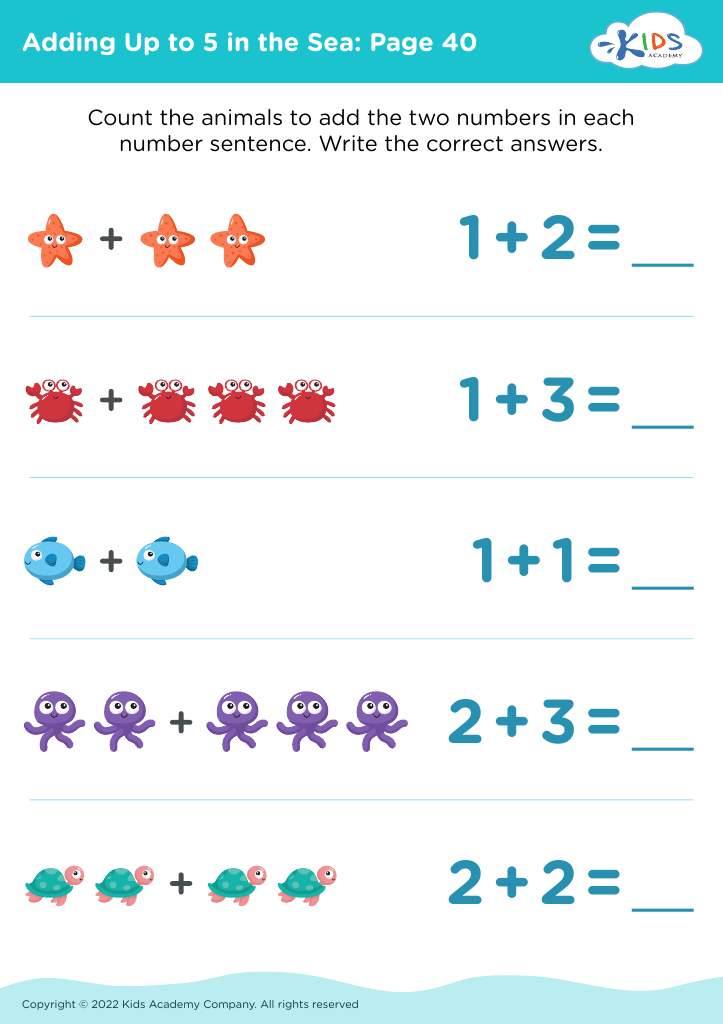
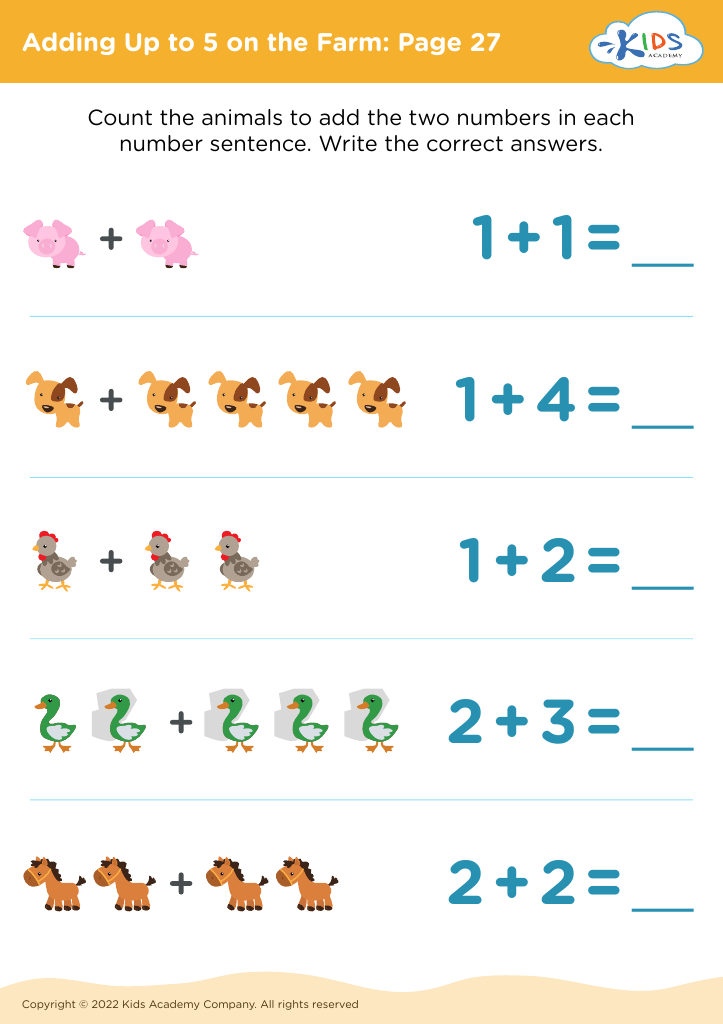
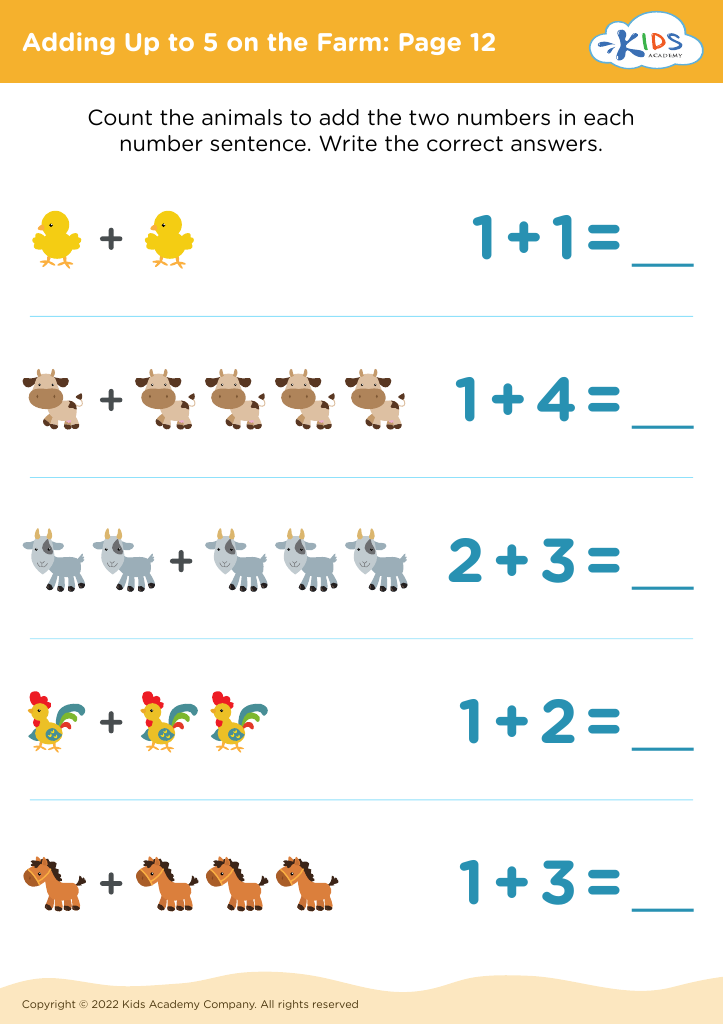
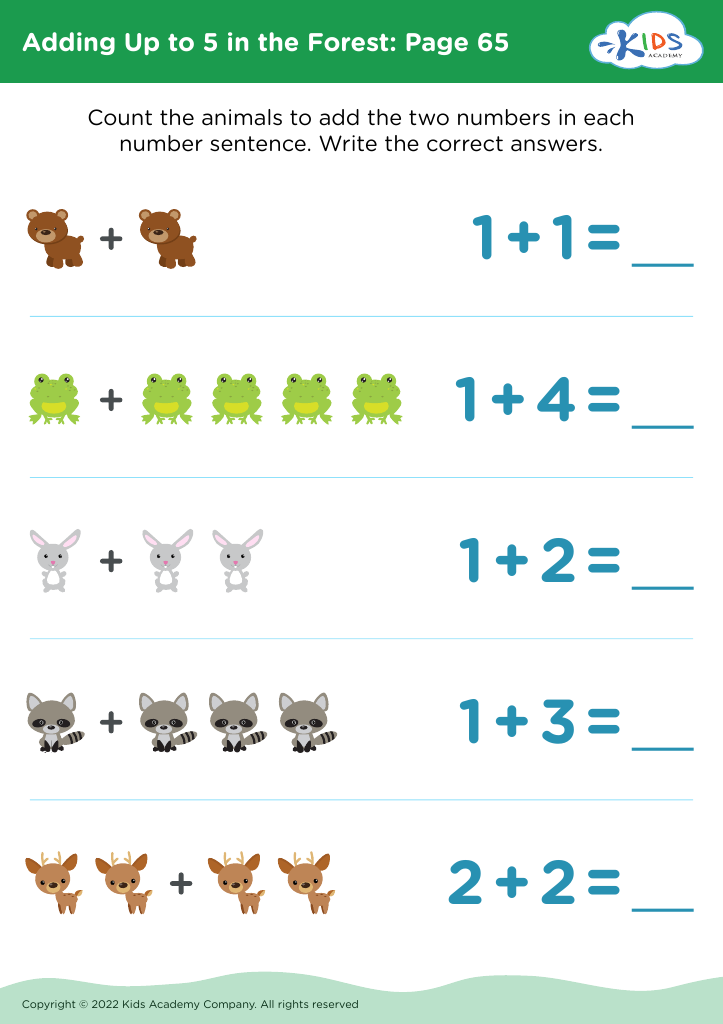
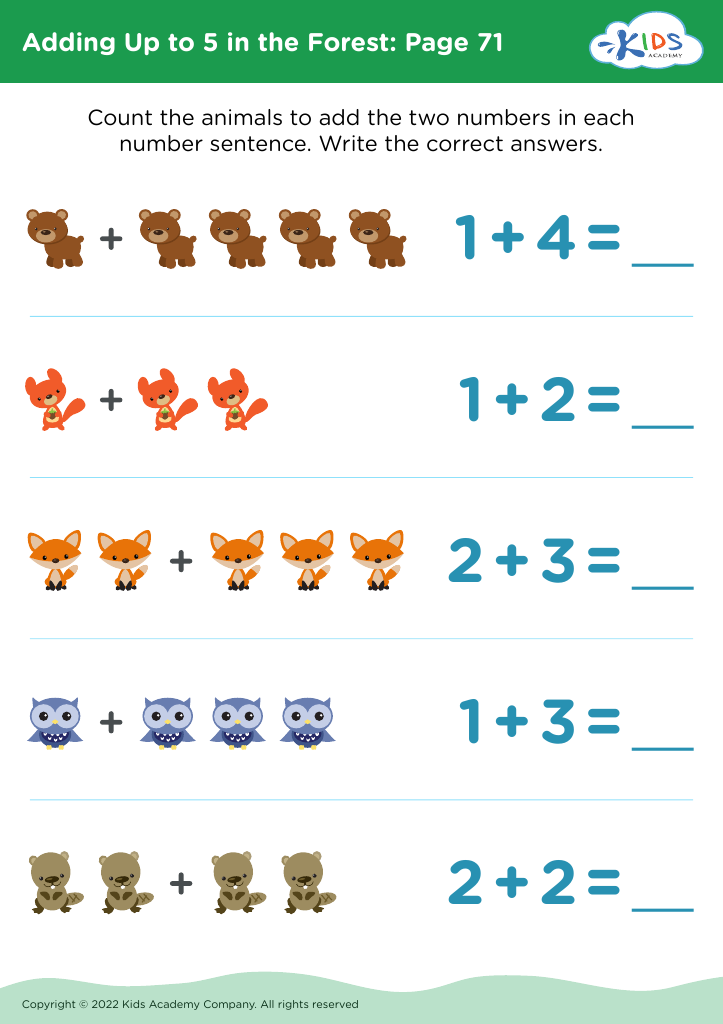
Unlock your child's potential with our engaging Visual Perception Improvement Addition & Subtraction Worksheets designed specifically for 3-year-olds. These worksheets combine vibrant visuals with interactive math exercises, helping little learners develop essential skills like number recognition, counting, and basic arithmetic. Through fun activities, children strengthen their visual perception, enhancing their ability to differentiate shapes, sizes, and colors, all while discovering the joy of math. Ideal for parents and educators, these worksheets make learning playful and effective, ensuring a solid foundation for future academic success. Explore our collection today and watch your child gain confidence in their early math abilities!
Favorites
With answer key
Interactive
Join Kids Academy for Free
Who is primarily going to use this learning content?








Parents and teachers should prioritize visual perception improvement for 3-year-olds as it lays the foundation for essential cognitive and academic skills, particularly in addition and subtraction. Visual perception refers to the ability to interpret and make sense of visual information, which is crucial for early mathematics understanding. Developing this skill enhances a child's ability to recognize numbers, understand quantities, and grasp spatial relationships.
At the age of three, children are typically beginning to explore basic math concepts. By focusing on visual perception, caregivers can help children identify patterns, shapes, and colors, providing them with the tools to comprehend the concept of quantity and the relationships between numbers. Engaging activities, such as counting objects, sorting and matching games, and puzzles, not only make learning fun but also enhance fine motor skills, critical thinking, and problem-solving abilities.
Furthermore, strong visual perception skills have been linked to better performance in future academic endeavors. By fostering these foundational skills early on, parents and teachers set children up for long-term success in mathematics, promoting confidence and a positive attitude towards learning. Overall, investing in visual perception at this age is an investment in a child's future academic achievements and personal growth.








