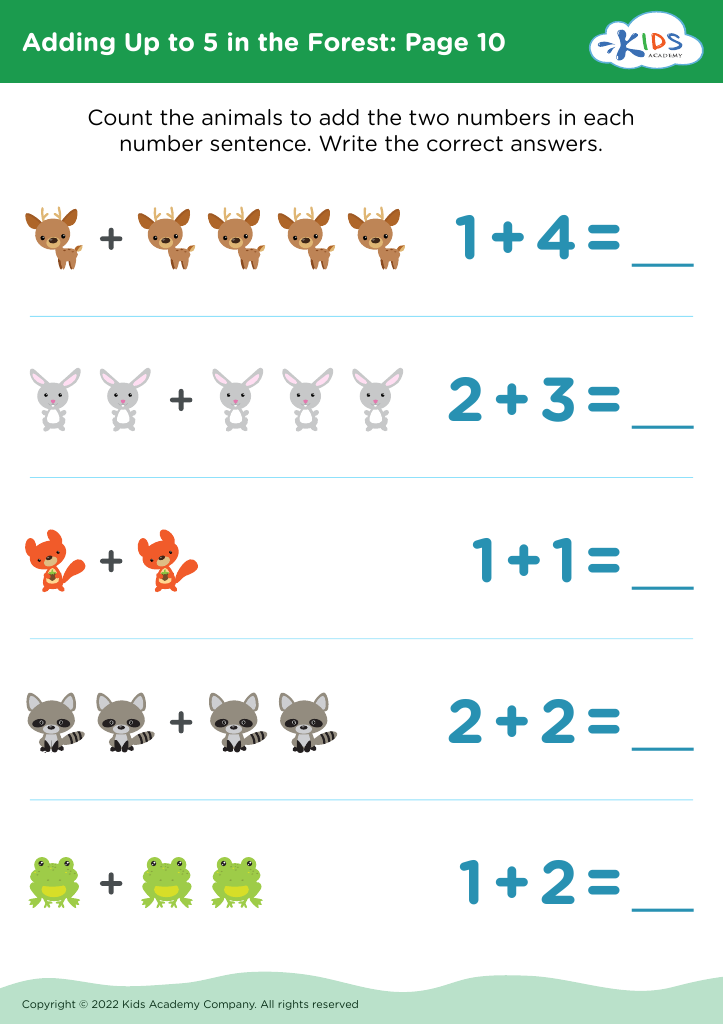
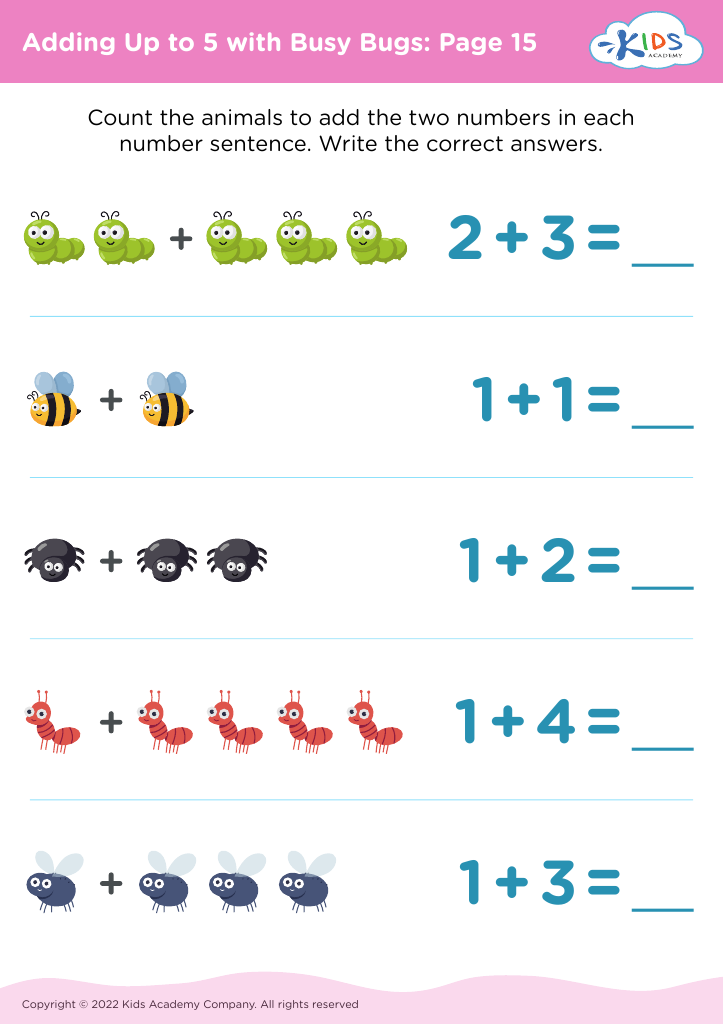








Teaching basic math skills, particularly addition, to 3-year-olds is essential for several reasons. Firstly, early exposure to math concepts nurtures cognitive development. At this age, children are naturally curious and eager to learn, making it an ideal time to introduce simple addition through engaging activities. This foundational learning fosters critical thinking and problem-solving skills, which are vital in today's world.
Moreover, early math skills can significantly impact long-term academic success. Research shows that children who grasp basic math concepts early are more likely to excel in later math-related subjects. By introducing addition at a young age, parents and teachers can build confidence and a positive attitude toward mathematics.
Additionally, engaging in math activities offers opportunities for bonding. Counting games and simple addition activities can be fun, interactive experiences that encourage communication and strengthen relationships. It also helps cultivate a love for learning, making children more motivated to explore and engage with new concepts as they grow.
Incorporating basic addition into daily routines, such as counting toys during play or using snacks for simple problems, makes learning practical and enjoyable. Ultimately, fostering these skills at an early age lays the groundwork for future learning and personal development.








