Fine motor skills (writing) Addition Worksheets for 3-Year-Olds - Page 2
32 filtered results
-
From - To
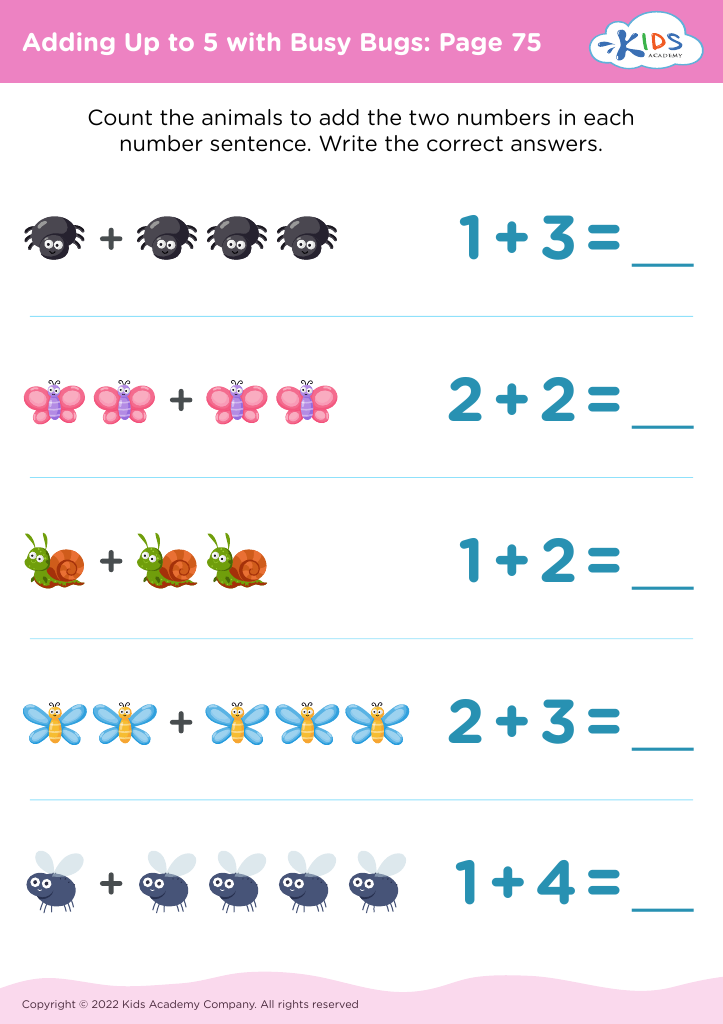
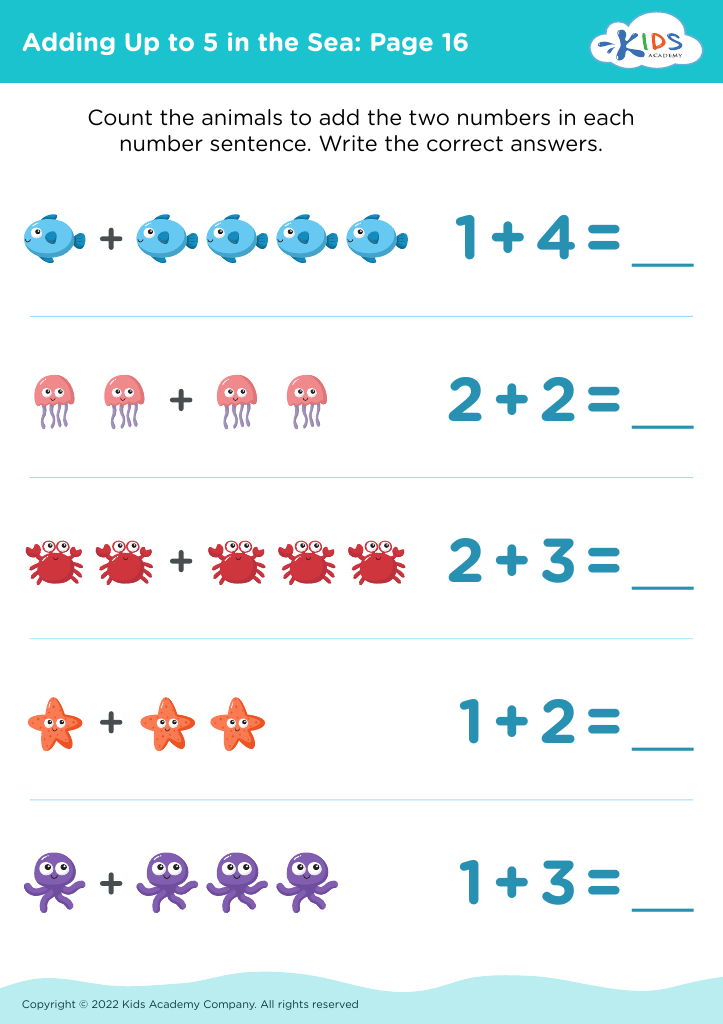
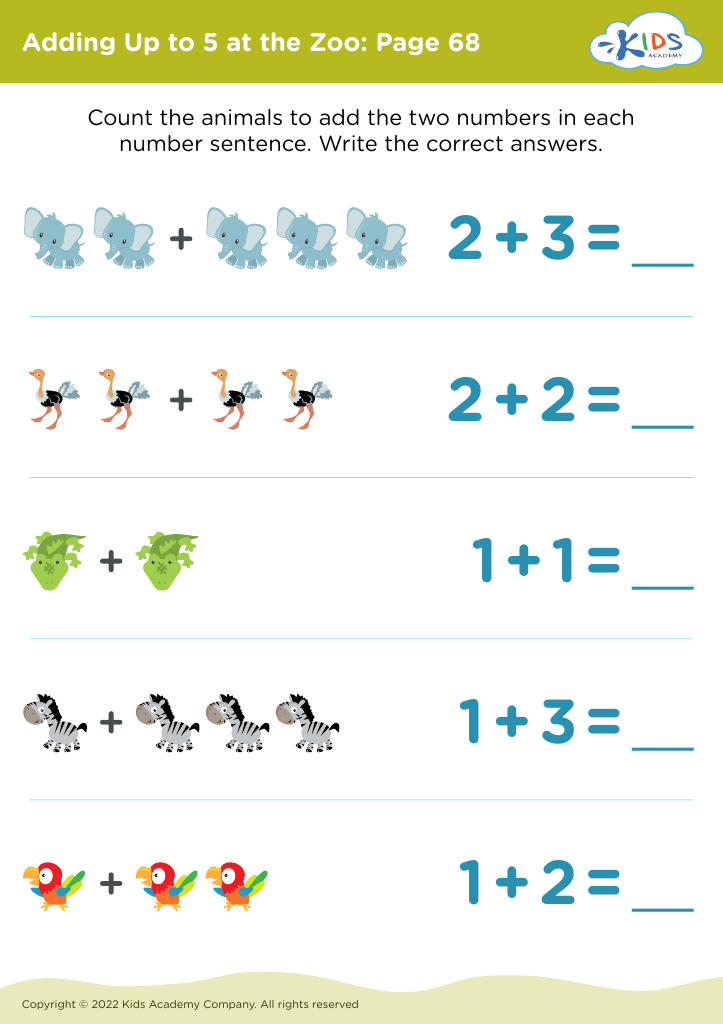
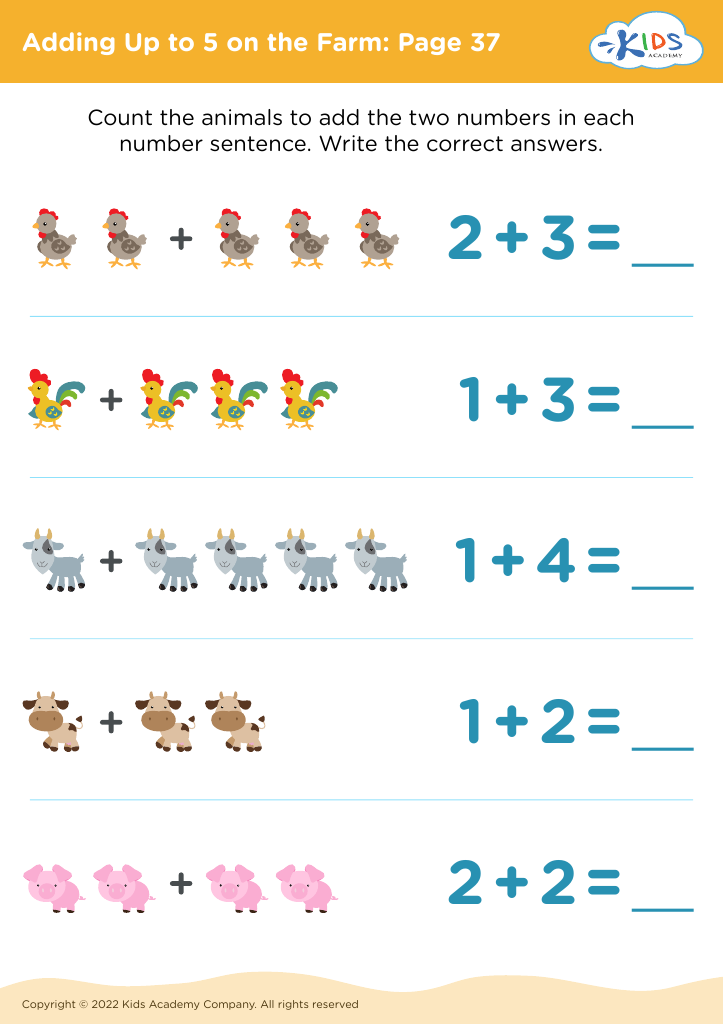
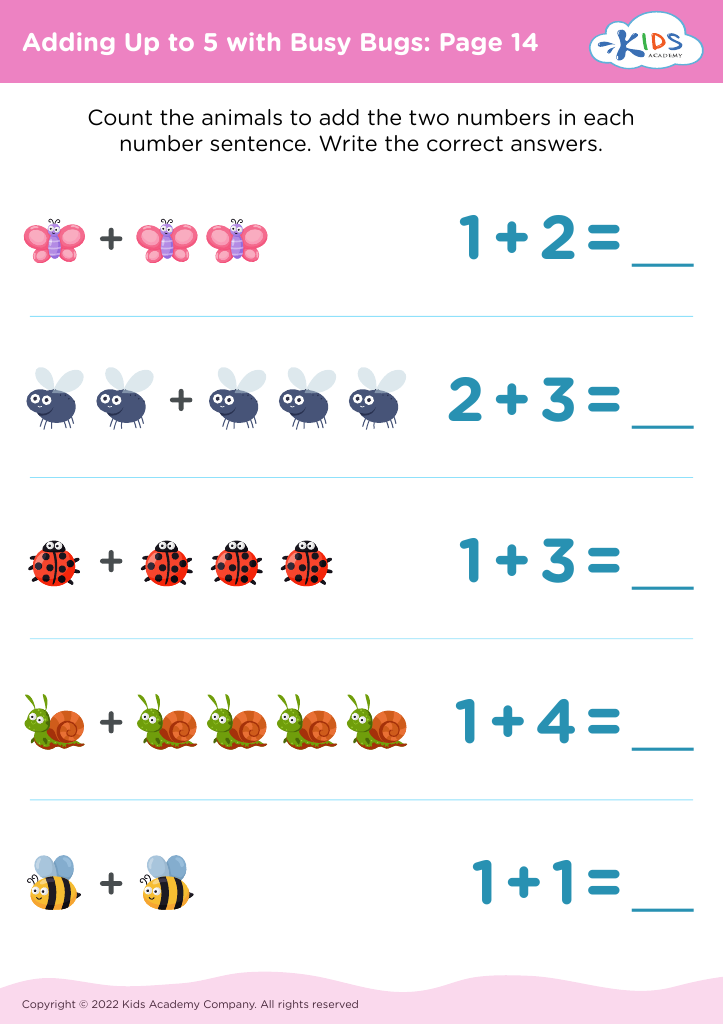
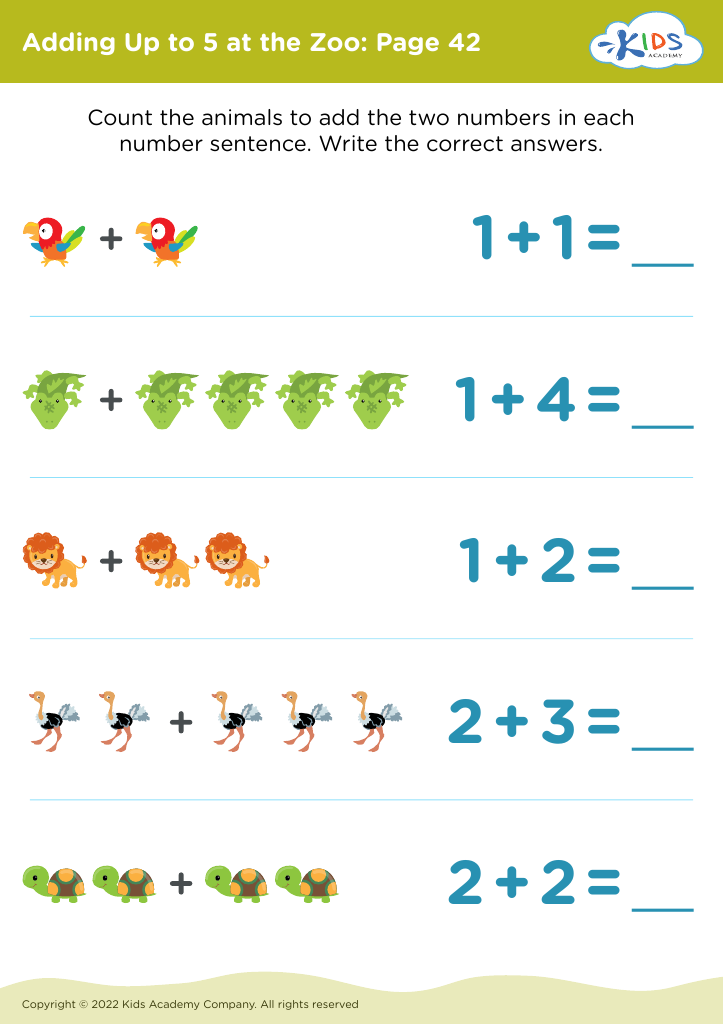
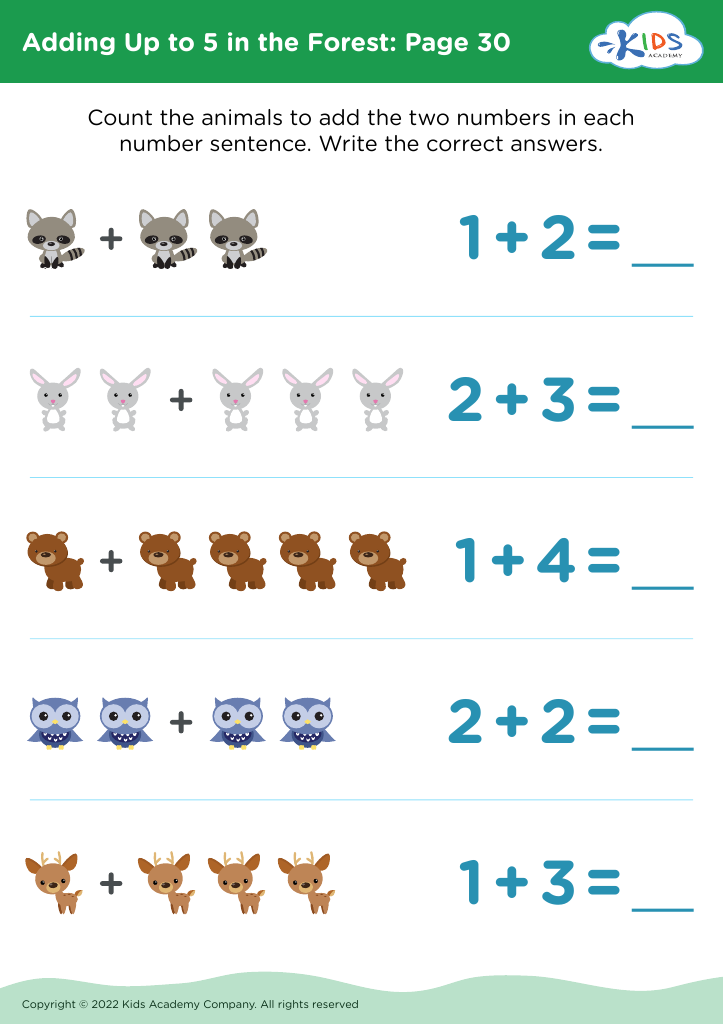
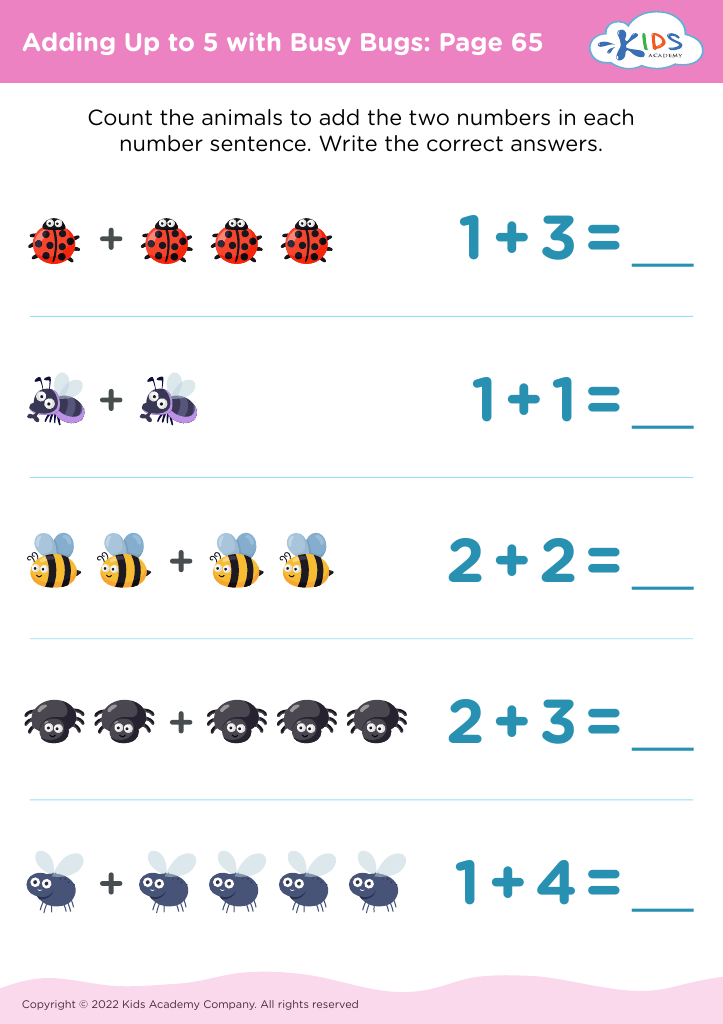








Developing fine motor skills, particularly through writing, is crucial for 3-year-olds as it lays the foundation for many essential life skills. Fine motor skills involve the coordination of small muscle movements in the hands and fingers, which are necessary for tasks such as writing, dressing, and feeding oneself. For parents and teachers, fostering these skills through structured and supportive activities can significantly impact a child's overall development.
Writing activities, even simple ones like drawing shapes or tracing letters, help strengthen the muscles in a child’s hands and improve coordination. This not only prepares them for the more complex task of writing in school but also facilitates the development of hand-eye coordination. Fine motor skills and early writing experiences enhance cognitive development by encouraging children to express themselves and follow directions.
Moreover, mastering these skills builds a child's confidence and independence. Kids who can efficiently use utensils, fasten buttons, or manage small objects themselves tend to be more self-assured in various situations, reducing frustration and fostering a positive attitude towards learning.
In summary, parents and teachers should care profoundly about developing fine motor skills through writing at an early age, as it underpins a range of essential cognitive, physical, and emotional skills crucial for a child's growth and everyday functionality.








